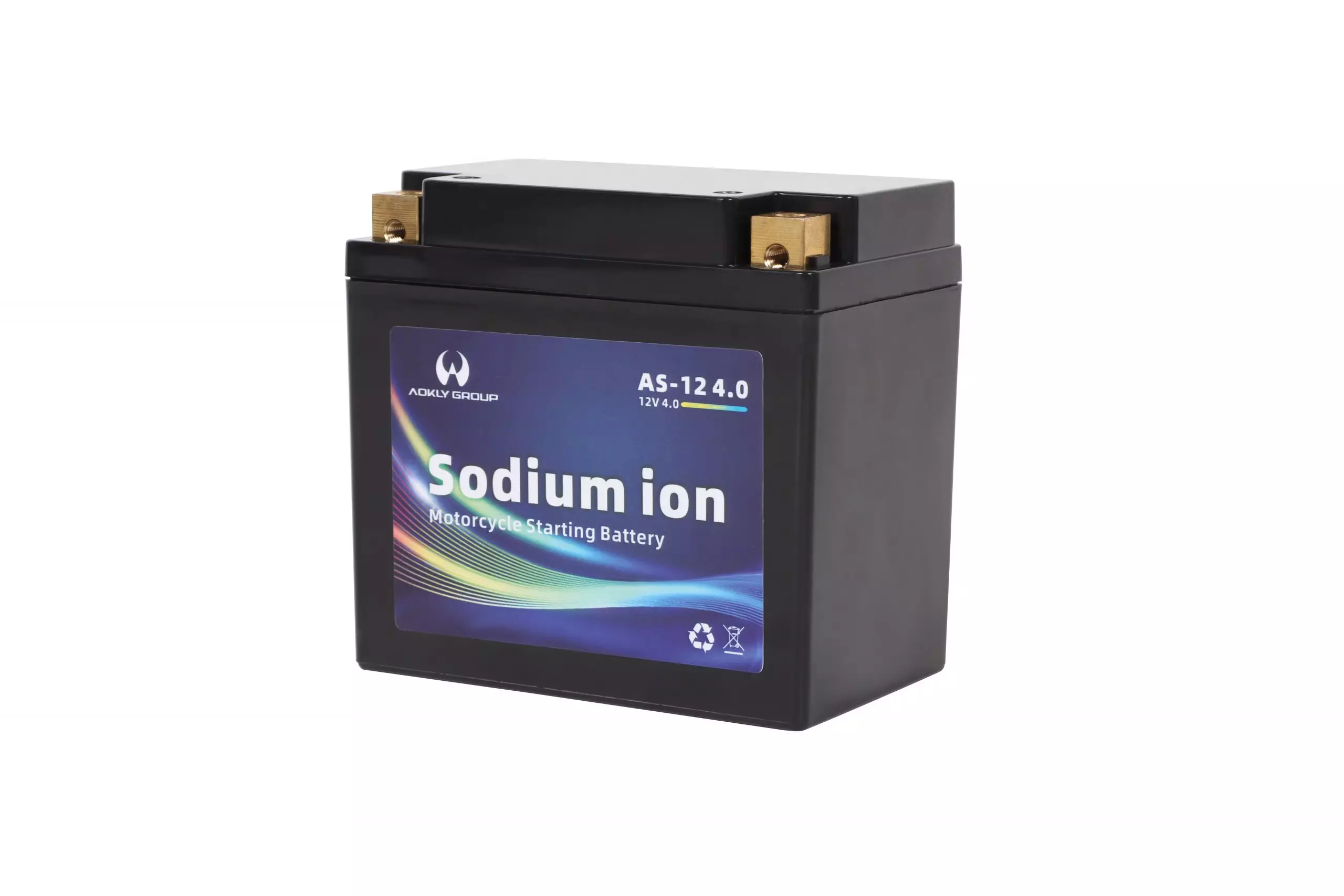
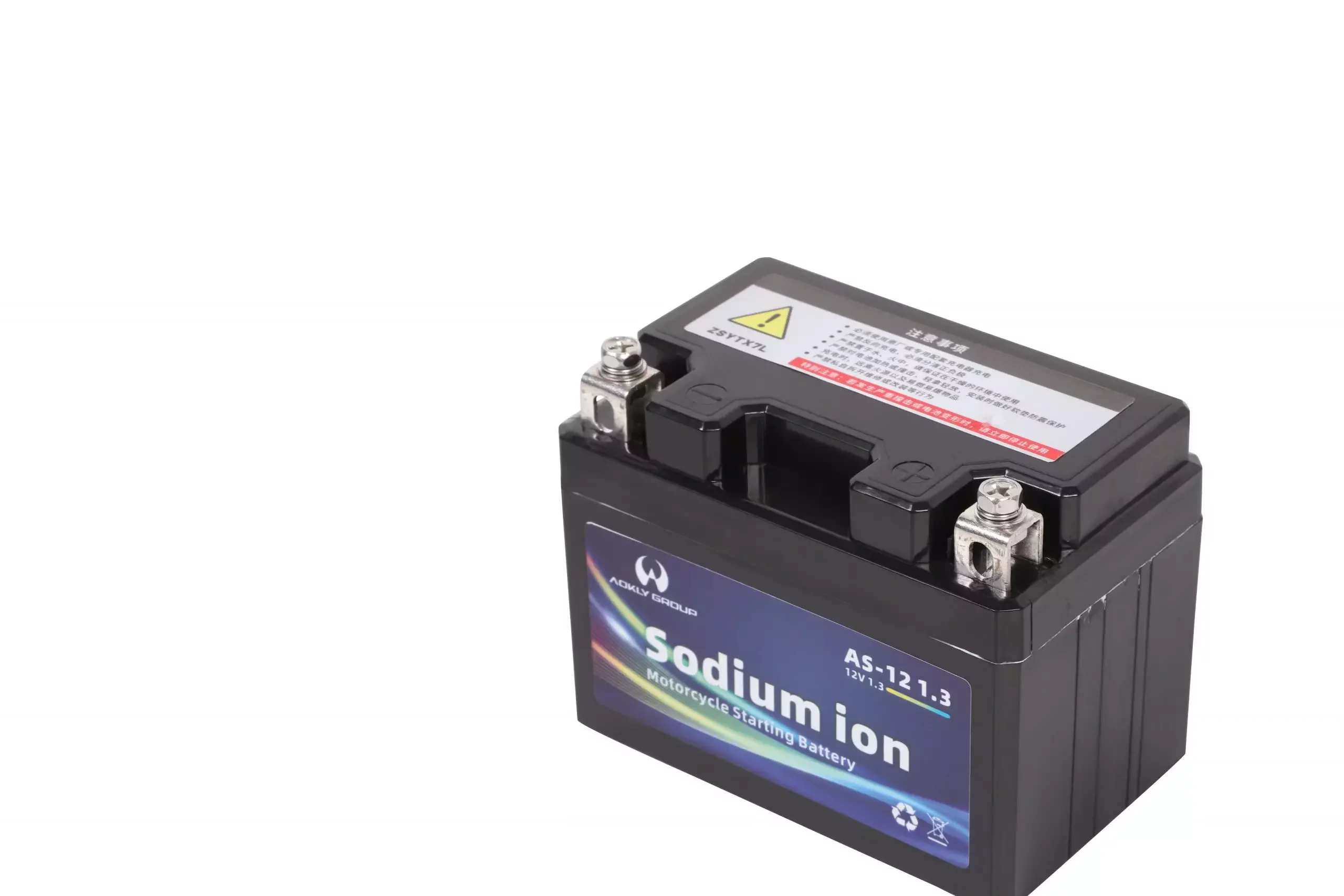
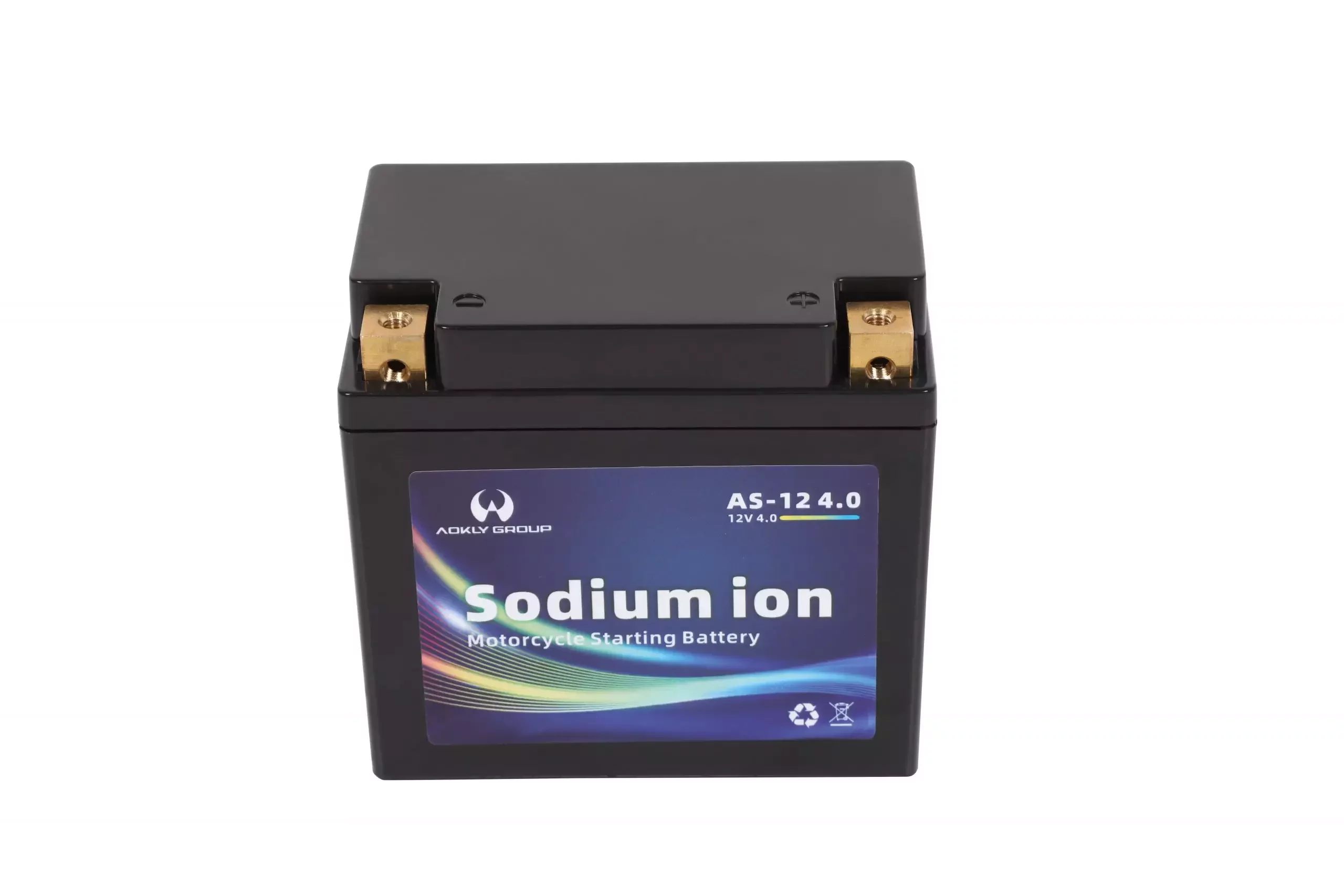
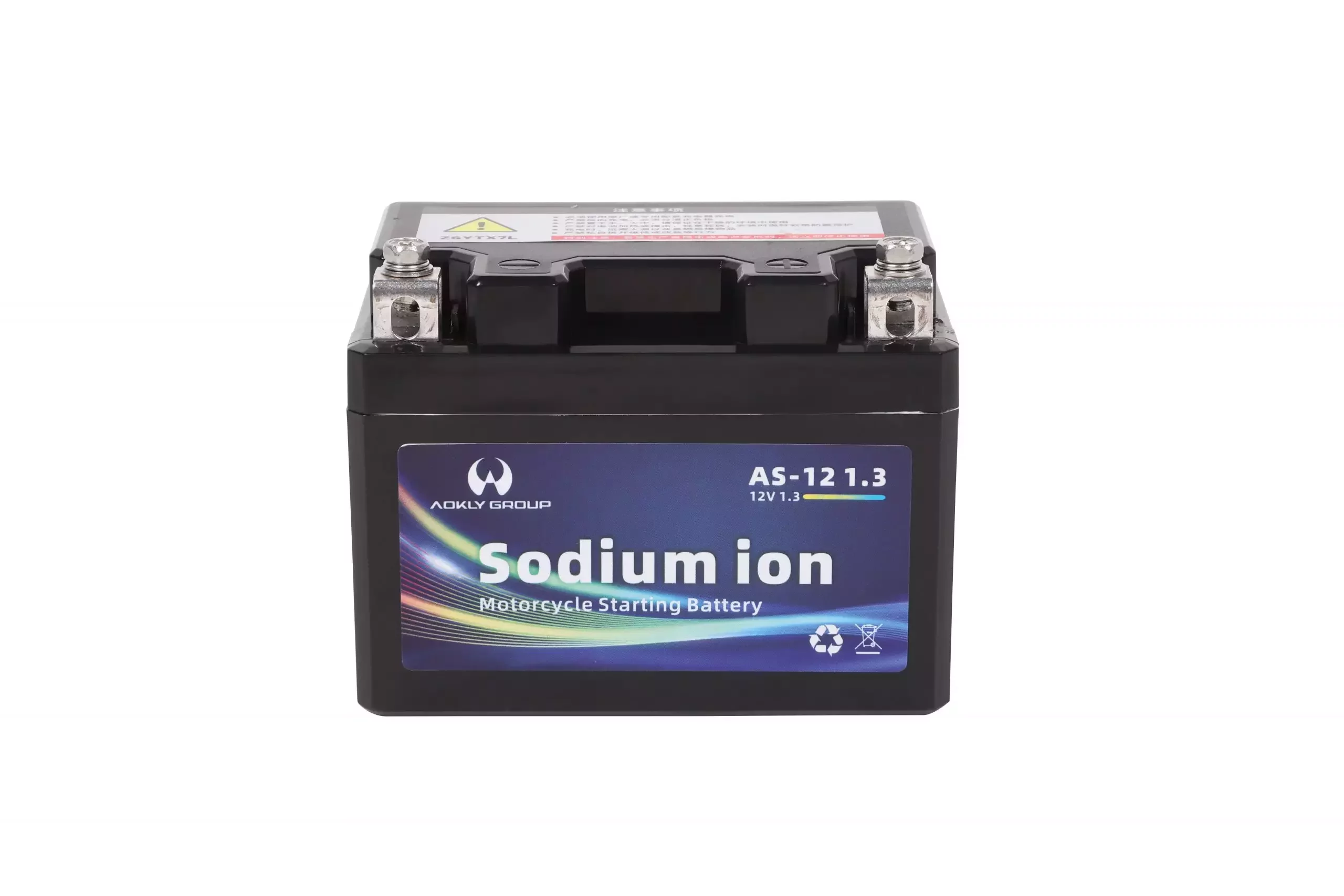
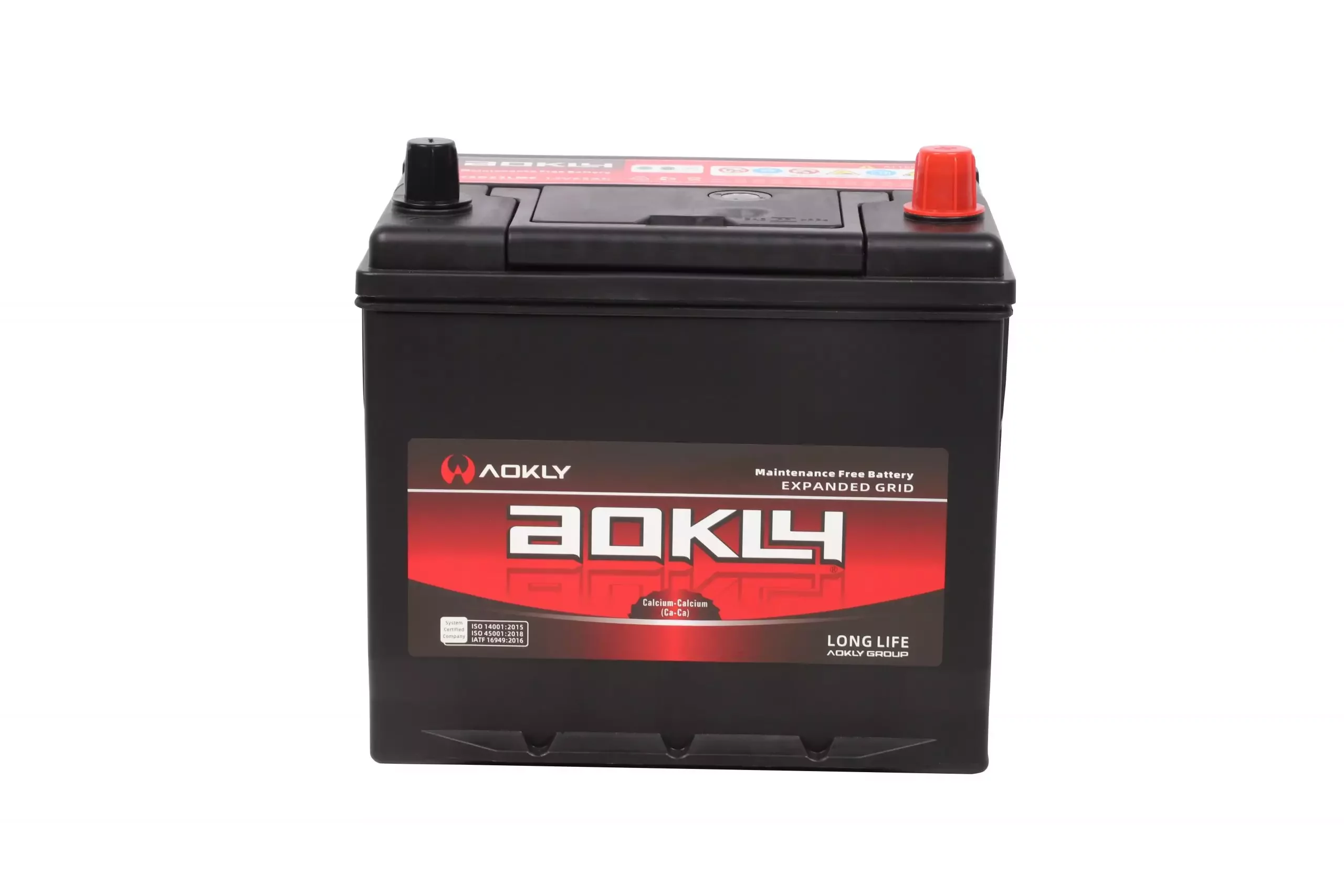
When riders compare options for a reliable motorcycle starting battery, the discussion often centers on AGM and sodium-based technologies. At Aokly, we understand that choosing the right solution is not only about price or label, but also about performance under real riding conditions. Different chemistries respond differently to vibration, temperature shifts, and frequent starts. In this review, we share practical insights into AGM and sodium systems, focusing on starting capability, charging behavior, and safety considerations so that users can better evaluate which configuration suits their motorcycle and climate.
AGM Motorcycle Starting Battery Performance in Daily Use
An AGM-based motorcycle starting battery is designed with absorbed glass mat separators that immobilize electrolyte and support stable current delivery. In practical terms, AGM units are widely recognized for consistent cranking power, sealed construction, and reduced maintenance requirements. Riders who operate in urban traffic often value the balanced discharge and recharge characteristics of AGM designs, especially when the motorcycle includes electronic control modules or lighting systems that demand stable voltage.
From our engineering perspective, AGM structures offer dependable ignition support and controlled gas recombination, contributing to operational safety. However, charging speed and low temperature performance can vary depending on internal plate design and electrolyte optimization. When evaluating AGM technology, riders should pay attention to cold cranking behavior, vibration resistance, and compatibility with the motorcycle’s charging system rather than relying solely on nominal capacity figures.
Sodium Technology and Cold Climate Considerations
Sodium-based alternatives for a motorcycle starting battery have drawn attention for their electrochemical stability at lower temperatures. Compared with some traditional lead-acid configurations, sodium systems may demonstrate more stable output in cold starts, where internal resistance typically increases. For riders in colder regions, this characteristic can be a practical advantage during winter ignition cycles.
At the same time, sodium designs require careful battery management and appropriate charging control. As a manufacturer, we evaluate material selection, structural reinforcement, and safety design to ensure high security and controlled thermal behavior. Performance differences between AGM and sodium solutions often become clearer in extreme environments, which is why real-world testing is essential when assessing long service life and fast charging speed.
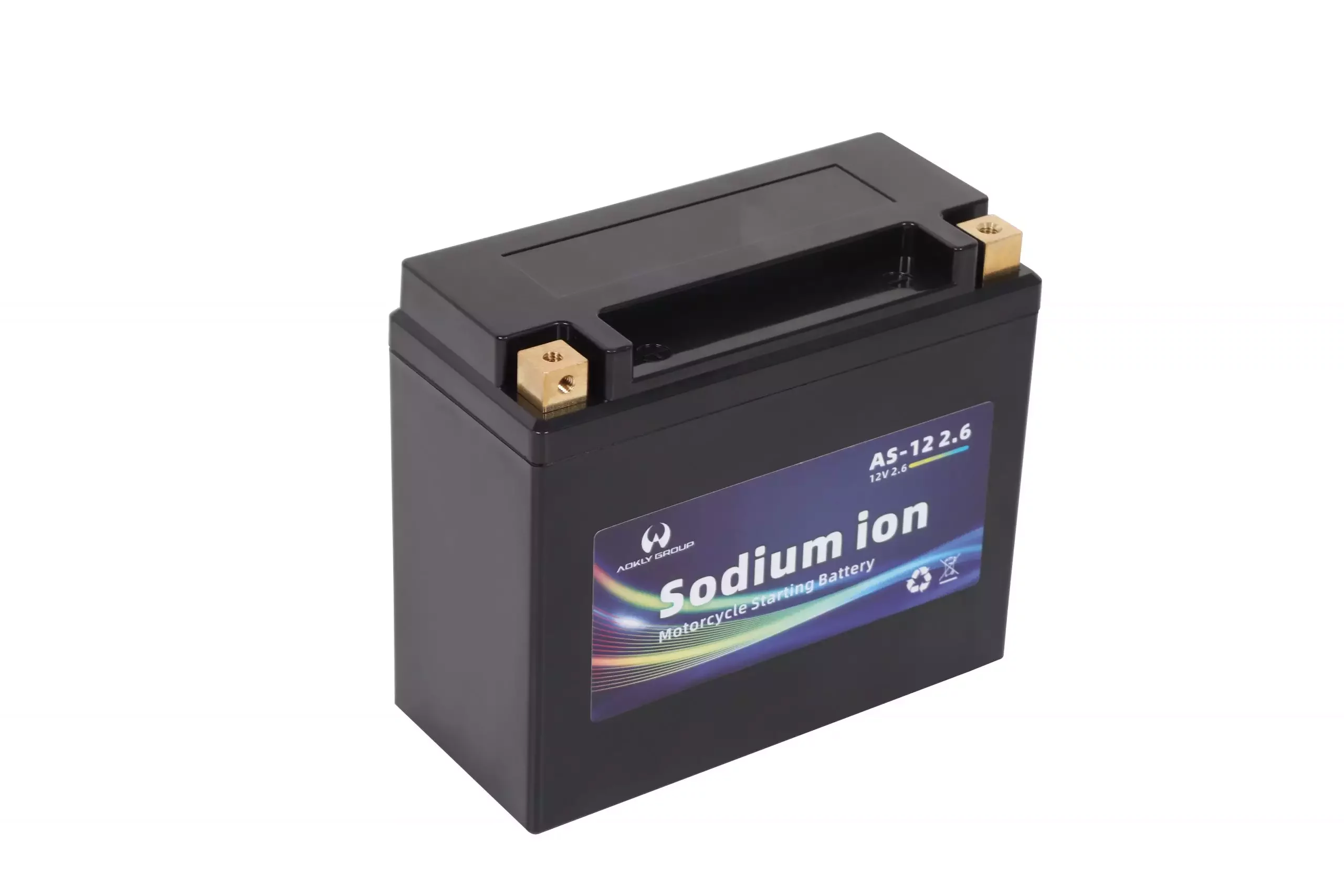
Product Insight: AS-12 2.6 for Balanced Starting Performance
In response to diverse riding needs, we developed the AS-12 2.6 as part of our starting battery portfolio. This model is designed with high capacity architecture to support repeated ignition demands while maintaining voltage stability. Its structural optimization contributes to high security and controlled internal reactions, which are important in compact motorcycle battery compartments.
The AS-12 2.6 also focuses on long service life through material selection and production control. Riders benefit from fast charging speed during routine riding cycles, reducing downtime between trips. Additionally, its excellent low temperature performance supports reliable starts in cooler climates. Within the broader Aokly product range, this configuration reflects our practical approach to durability, safety, and compatibility with standard motorcycle charging systems.
Conclusion: Evaluating the Right Motorcycle Starting Battery
Selecting the right motorcycle starting battery requires understanding how AGM and sodium technologies perform under actual riding conditions. AGM solutions provide stable daily operation and sealed construction, while sodium options may offer advantages in low temperature environments. At Aokly, we focus on aligning battery chemistry, structural design, and safety control to real usage scenarios rather than theoretical specifications. By comparing ignition strength, charging behavior, and environmental adaptability, riders can make informed decisions that support consistent engine starting and dependable riding performance.