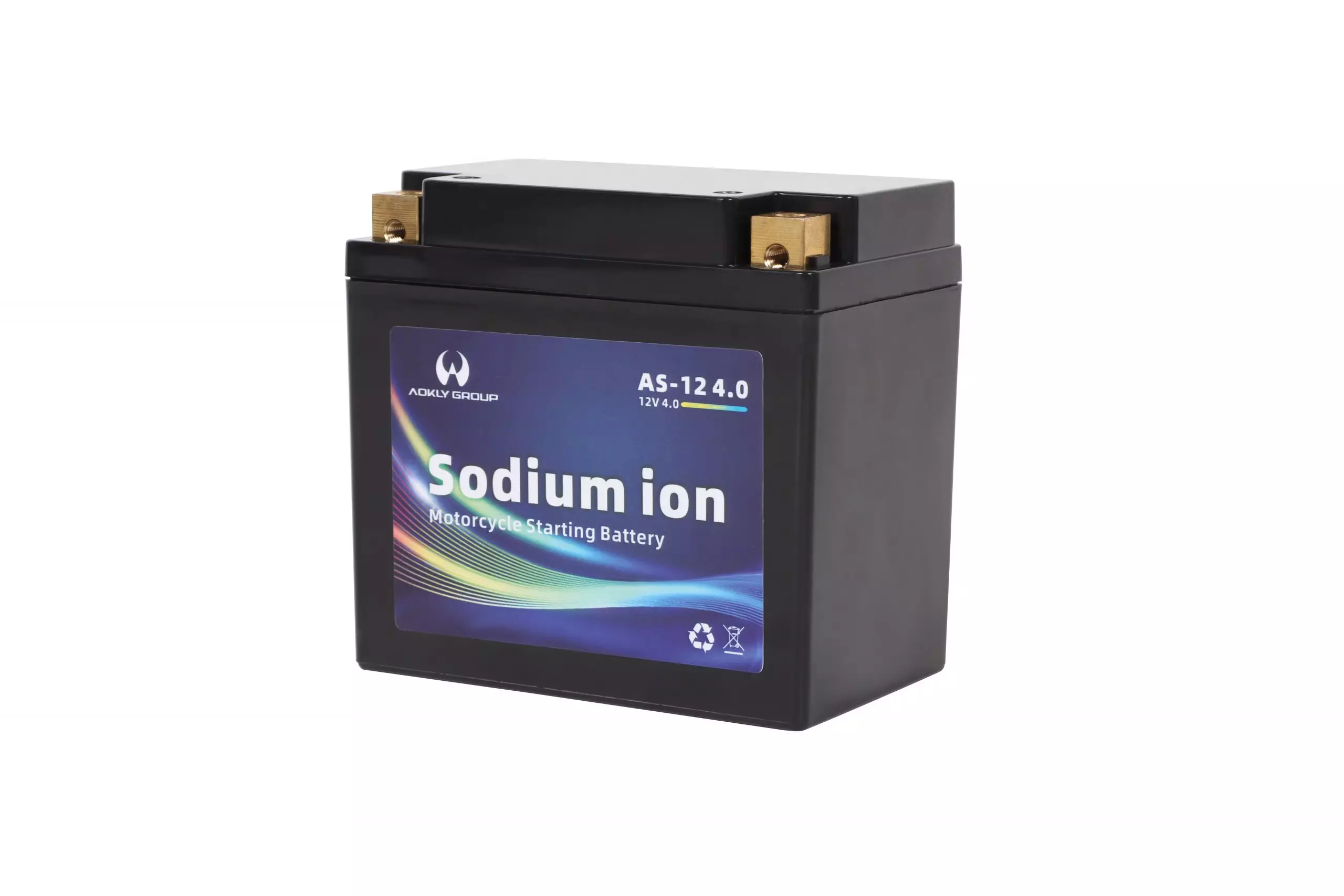
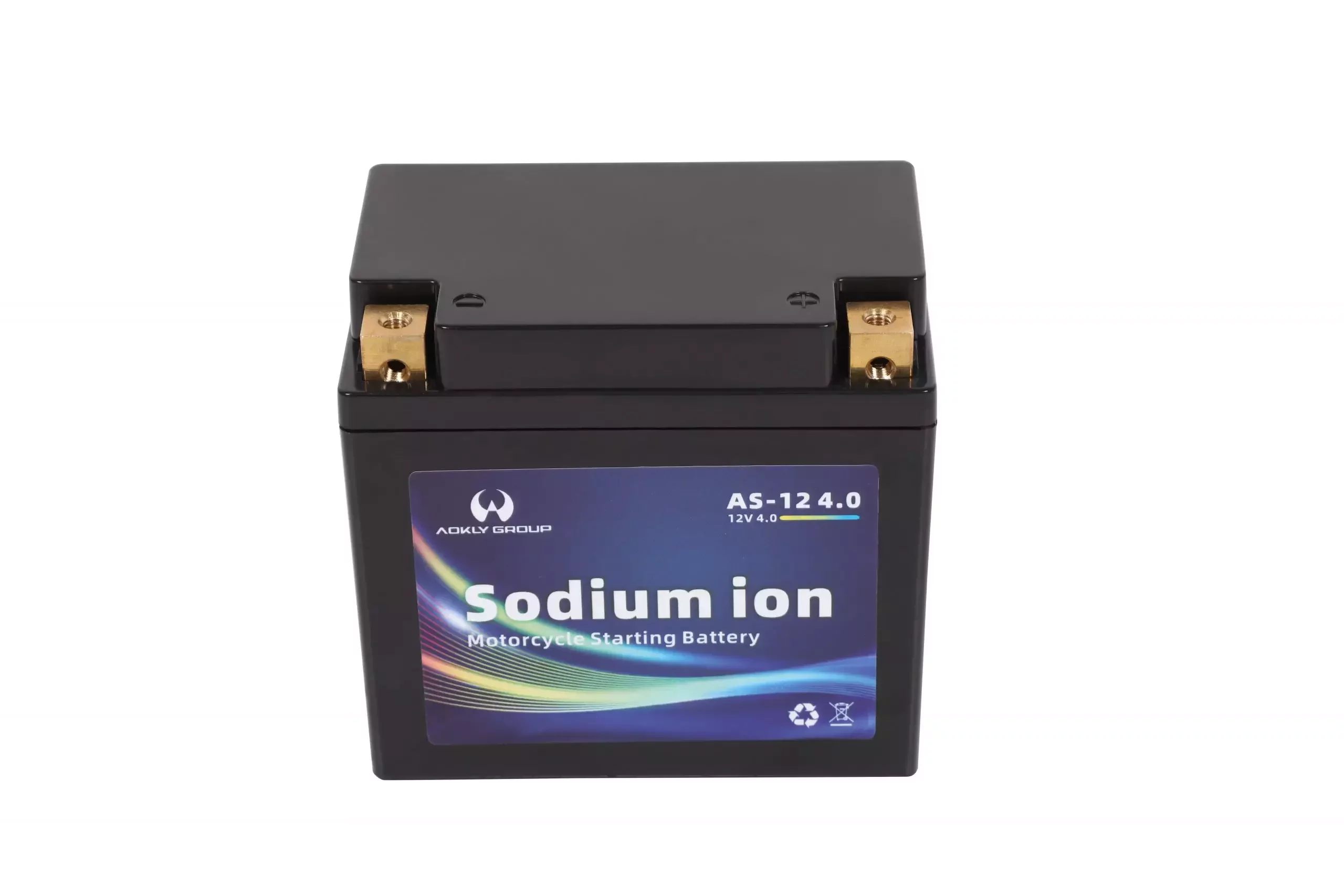
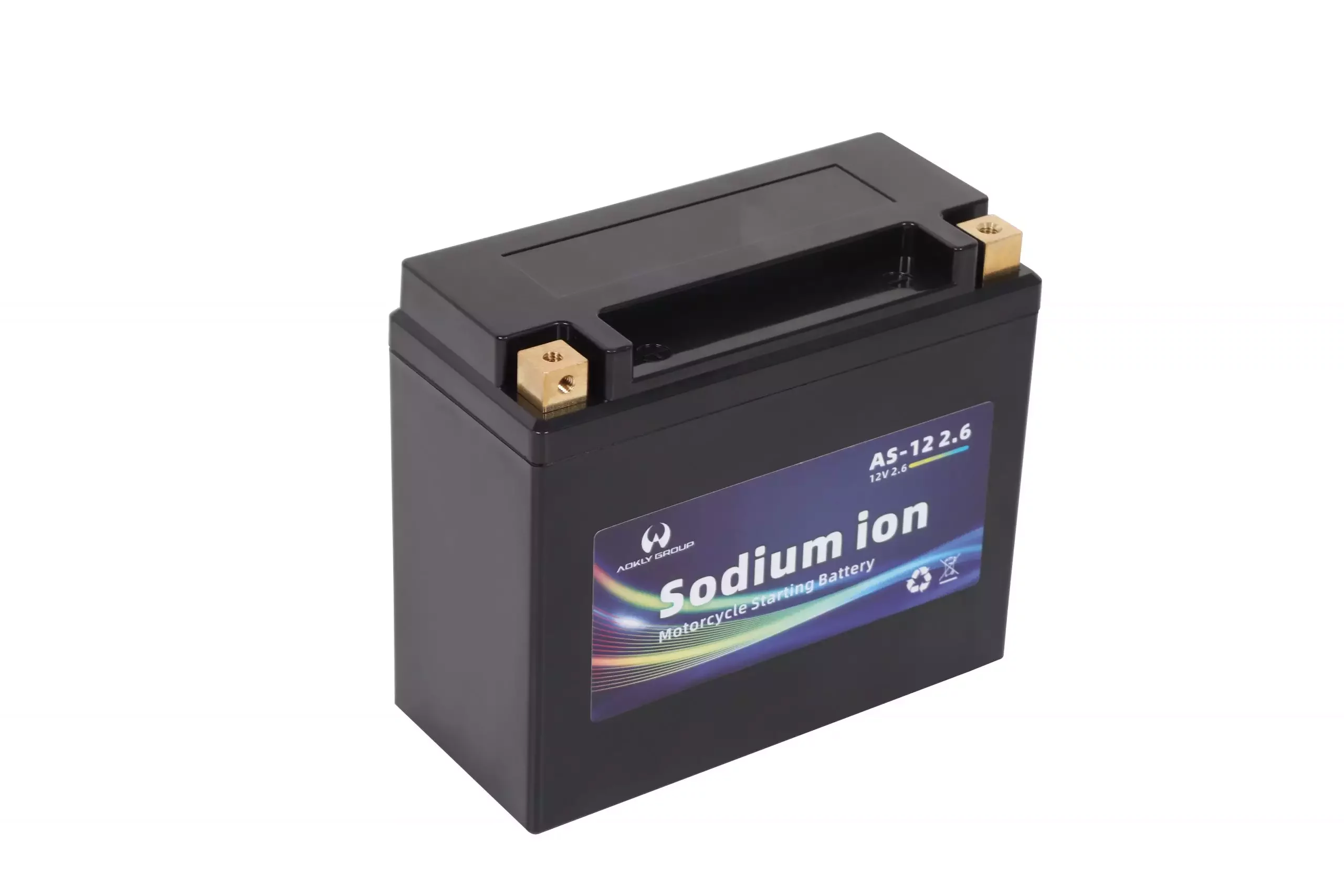
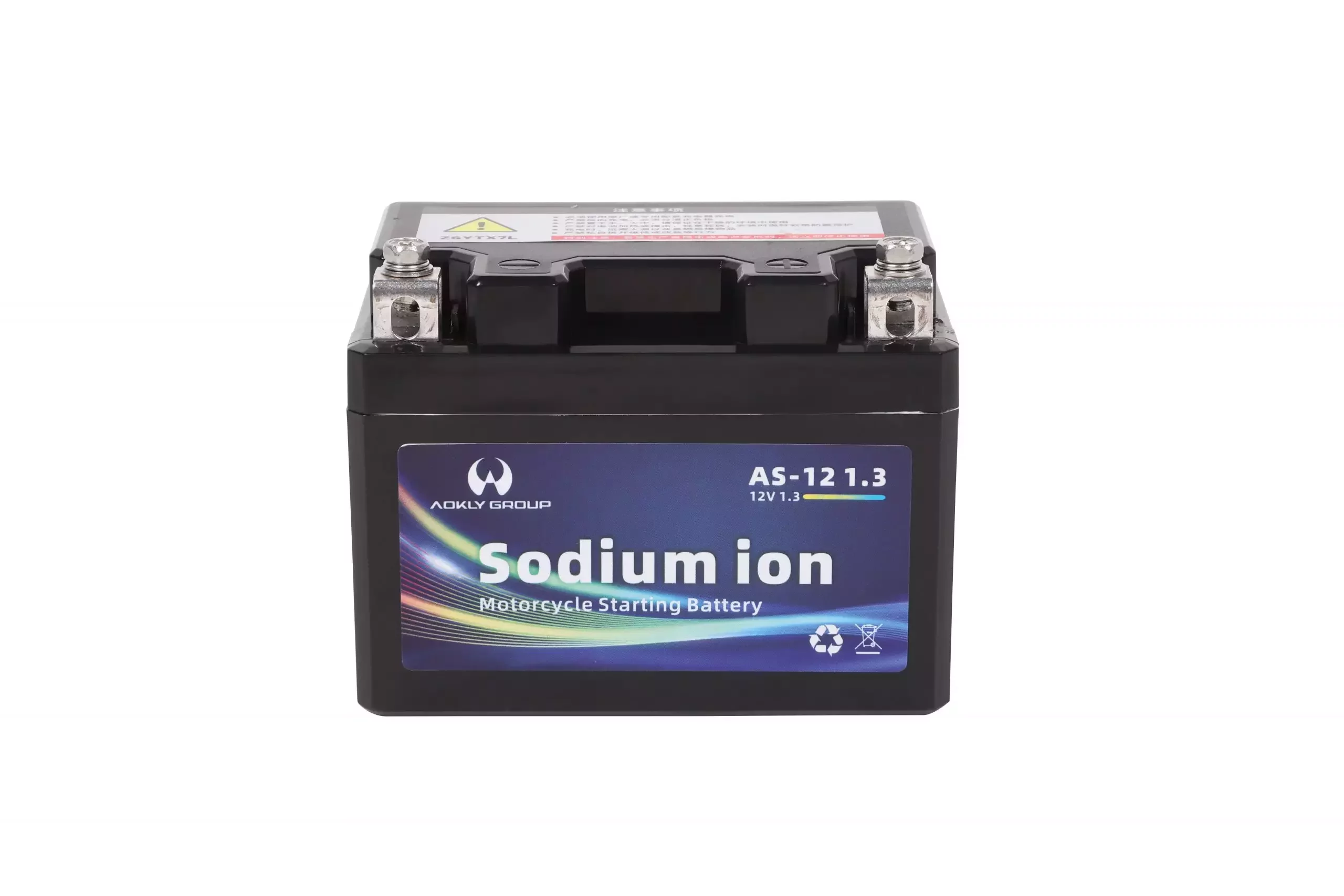
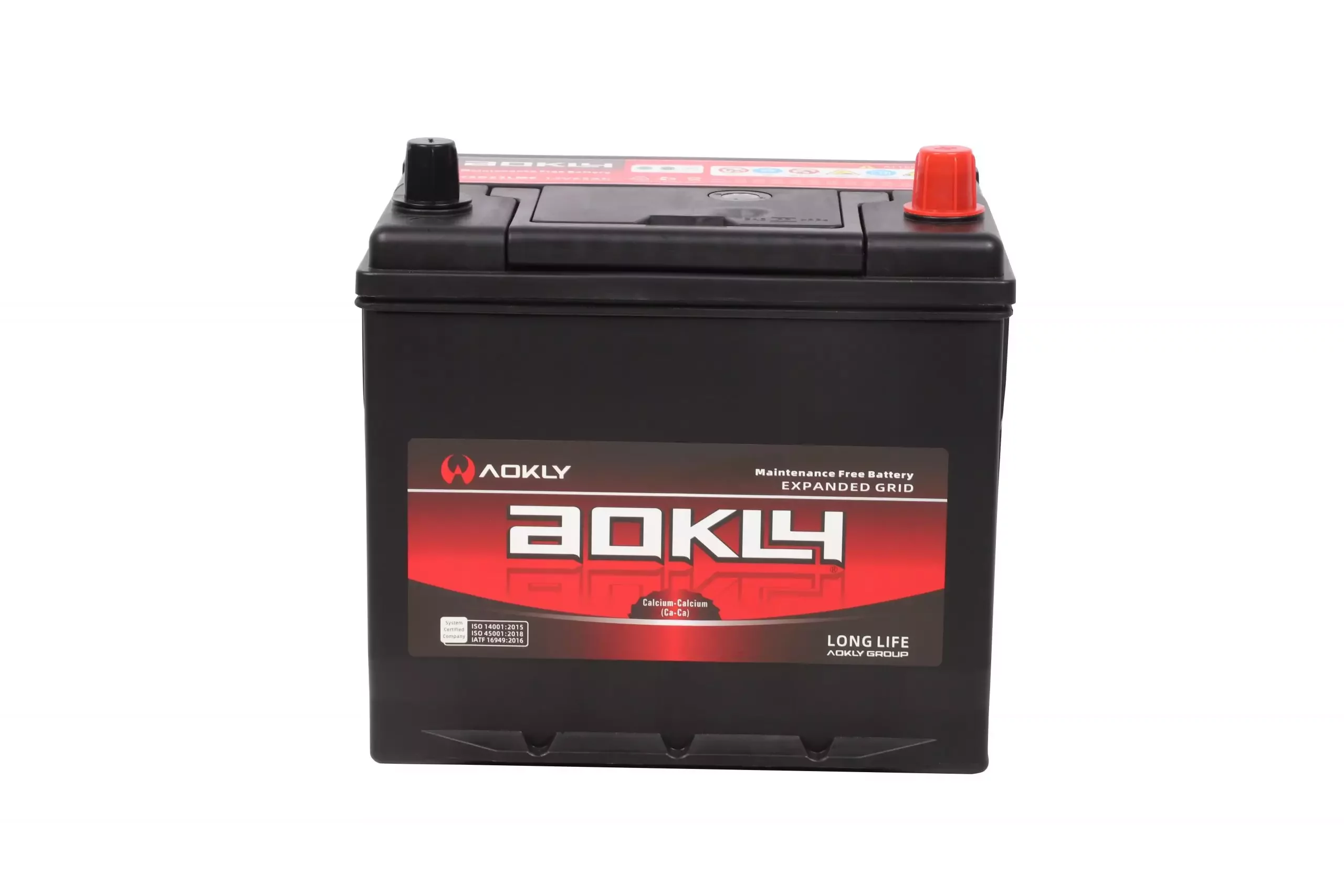
When we discuss the internal chemistry of a 12V motorcycle battery, we are essentially looking at how chemical reactions are converted into stable electrical power for daily riding. At Aokly, we approach battery design from a materials and electrochemical perspective, because understanding internal reactions directly influences reliability, charging behavior, and service life. A motorcycle battery must operate in compact spaces, endure vibration, and respond quickly during engine start. The chemistry inside determines how efficiently lead plates, electrolyte, and separators interact to deliver consistent voltage under different riding conditions.
Electrochemical Structure and Reaction Mechanism
The working principle of a 12V motorcycle battery is based on reversible electrochemical reactions between lead dioxide (positive plate), sponge lead (negative plate), and sulfuric acid electrolyte. During discharge, both electrodes gradually convert to lead sulfate while releasing electrical energy. During charging, this reaction reverses, restoring the original active materials. The stability of this conversion process affects capacity retention and charging acceptance.
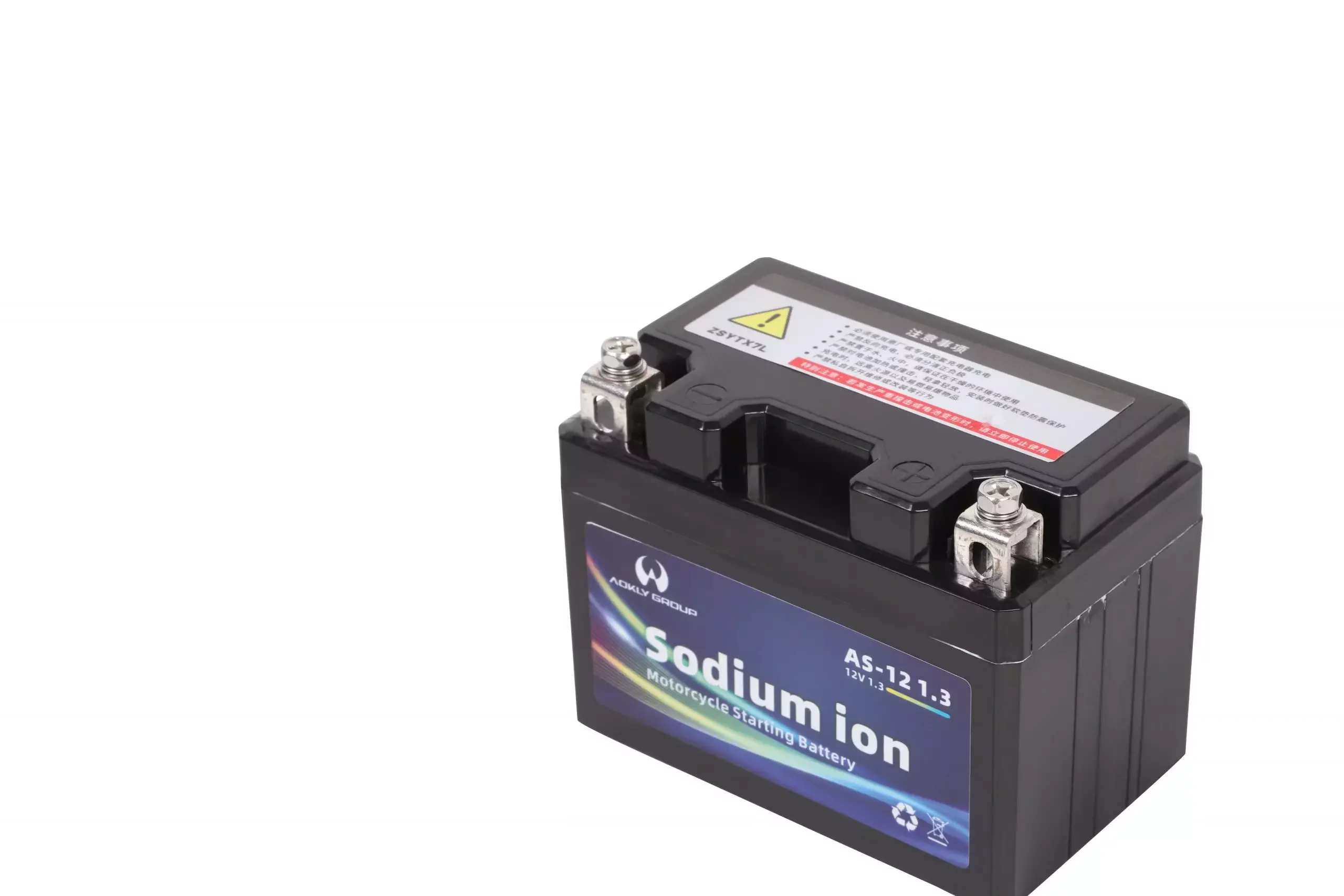
At Aokly, we pay close attention to grid alloy formulation and paste preparation because plate composition influences internal resistance and reaction efficiency. A well-balanced structure helps improve high capacity performance while maintaining high security under routine cycling. In our AS-12 1.3 model, internal design focuses on uniform current distribution, which supports fast charging speed and helps maintain long service life without overstressing the plates. This electrochemical balance is especially important for motorcycles that frequently start and stop in urban traffic.
Temperature Response and Performance Stability
Temperature plays a significant role in the behavior of a 12V motorcycle battery. At low temperatures, electrolyte viscosity increases and ion mobility slows down, which can reduce cranking performance. Conversely, high temperatures accelerate internal chemical reactions and may increase water loss if not properly managed. This is why material selection and structural sealing are critical.
In the AS-12 1.3 product, we designed the internal system to support excellent low temperature performance while preserving structural safety. Our company integrates controlled plate curing and optimized separator materials to enhance reaction stability across climates. For riders in colder regions, stable ion transfer ensures the engine receives sufficient starting current. For warmer environments, balanced chemical reactions contribute to high security and controlled gas recombination, supporting consistent performance over time.
Charging Dynamics and Service Life Factors
Charging behavior reflects how effectively the chemical system recovers active material after discharge. A 12V motorcycle battery with lower internal resistance generally demonstrates improved charging acceptance and reduced heat accumulation. However, charging must remain within proper voltage ranges to avoid excessive sulfation or plate corrosion.
At Aokly, we design our internal plate structure to reduce polarization effects during rapid energy recovery. The AS-12 1.3 supports fast charging speed while maintaining long service life through stable material adhesion and controlled electrolyte interaction. Rather than relying on exaggerated claims, we focus on measurable chemical balance and structural integrity. By optimizing these internal factors, our products aim to deliver high capacity output under routine motorcycle usage without compromising operational safety.
Conclusion: Chemistry Determines Real-World Reliability
The internal chemistry of a 12V motorcycle battery ultimately defines how it performs on the road. From lead sulfate conversion to temperature response and charging reversibility, each chemical interaction affects capacity, security, and durability. At Aokly, we develop battery systems such as AS-12 1.3 by emphasizing material consistency, controlled electrochemical reactions, and practical riding conditions. Through careful design focused on high capacity, high security, fast charging speed, excellent low temperature performance, and long service life, we translate internal chemistry into dependable motorcycle power.