When we talk about maintaining a reliable ride, proper charging is just as important as choosing the right Aokly solution. A well-maintained motorcycle battery ensures stable starting performance and protects the electrical system from unexpected damage. Charging may look simple, but incorrect voltage settings, poor ventilation, or loose connections can shorten battery life and create safety risks. In this guide, we share practical safety tips drawn from our daily work with riders and service technicians, helping you charge your battery with confidence and clarity.
Understand Charging Environment and Equipment
Before connecting any charger, we always recommend checking the charging environment. A motorcycle battery should be charged in a dry, well-ventilated area to prevent heat accumulation and gas concentration. Avoid placing the battery near flammable materials, and never cover it while charging. Selecting a charger that matches the battery’s rated voltage is essential; mismatched equipment can lead to overheating or undercharging.
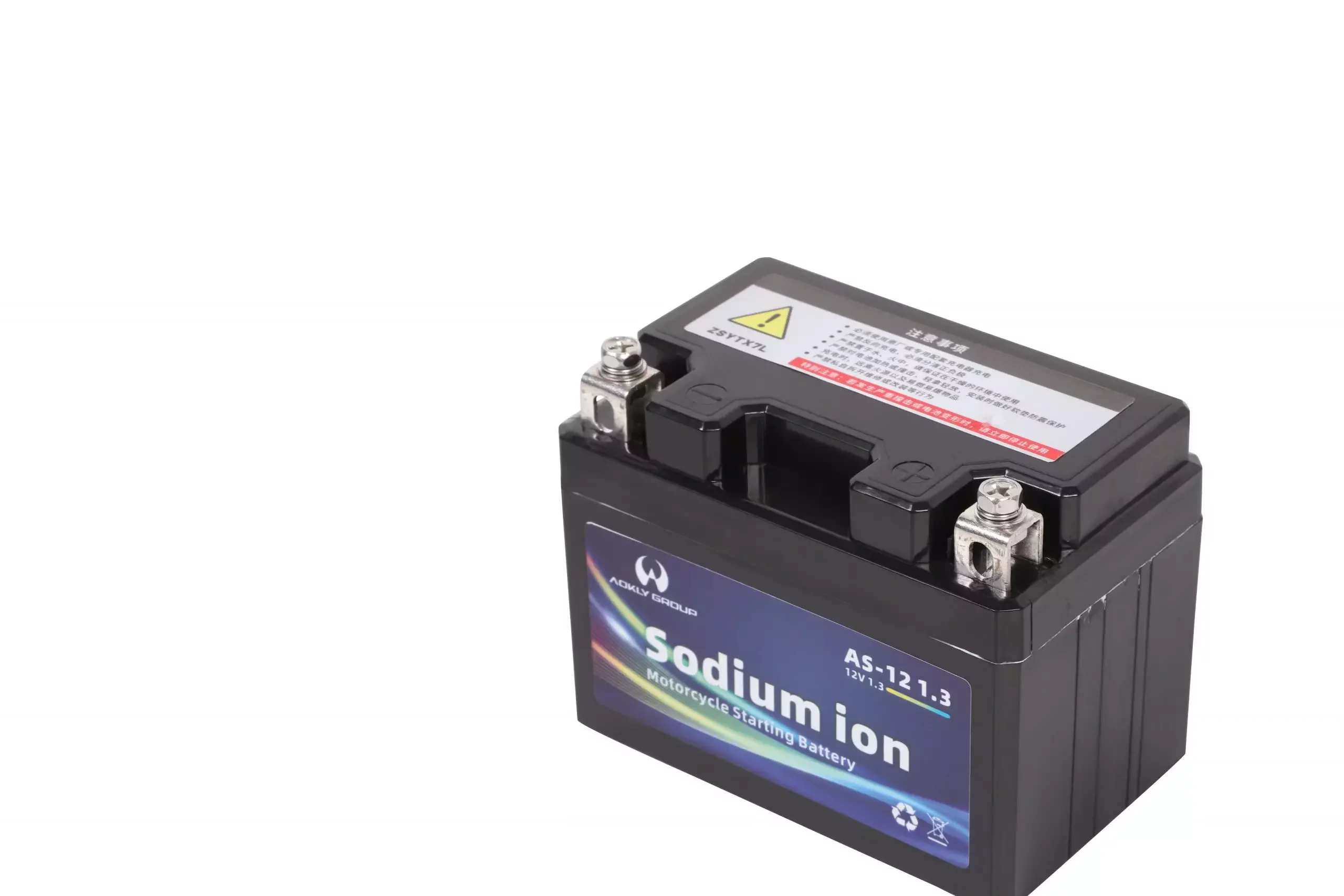
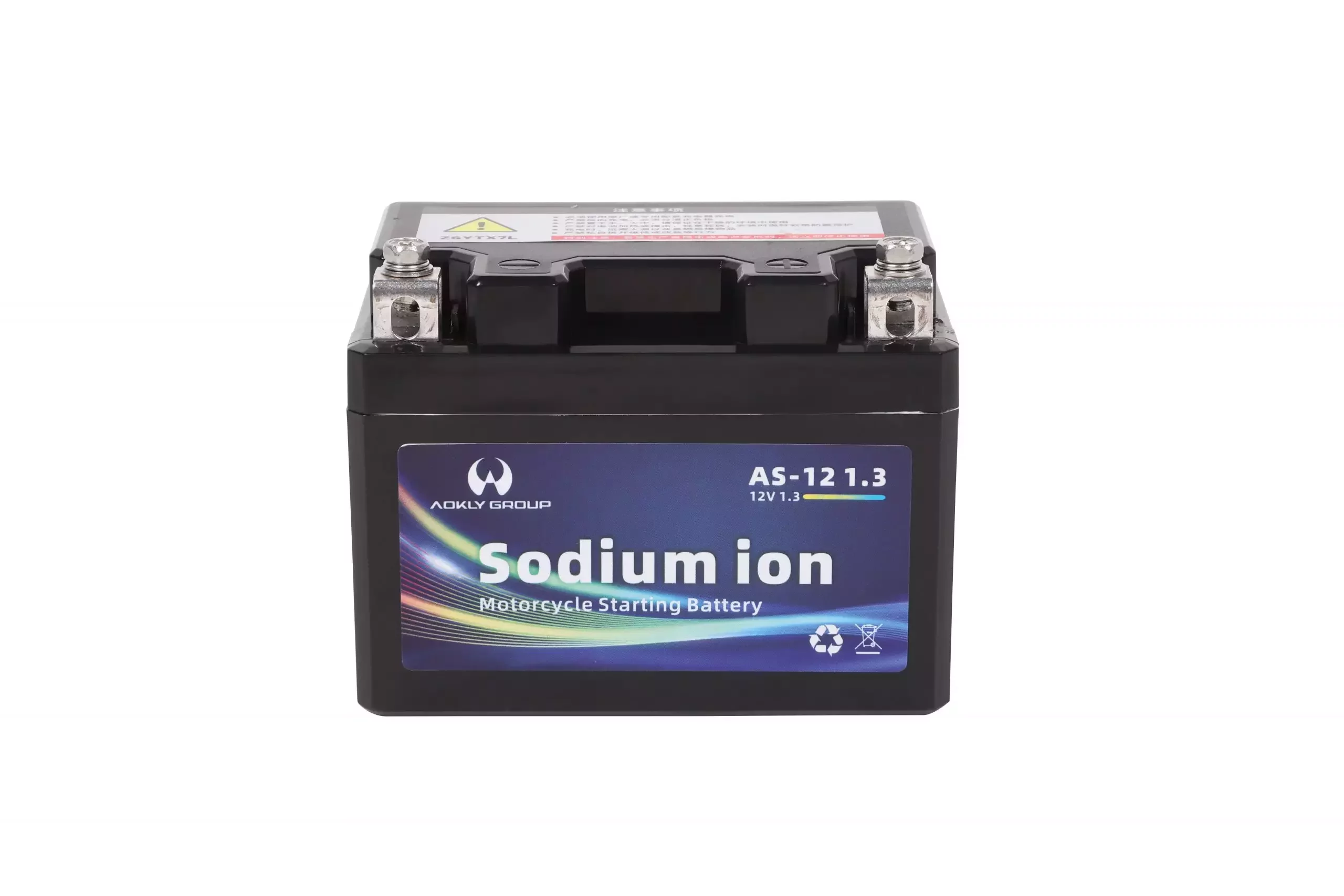
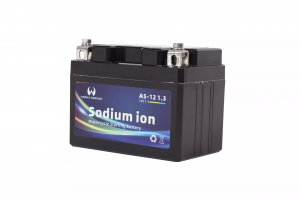
We also advise inspecting cables and terminals for corrosion or looseness. Clean terminals improve current transfer and reduce resistance. When working with our AS-12 1.3 model, we emphasize stable current input to support its fast charging speed and high capacity design. Proper setup protects both the battery and the motorcycle’s onboard electronics.
Follow Correct Charging Procedures
Safe charging depends on sequence and monitoring. We suggest turning off the motorcycle and disconnecting the battery if required by the manufacturer’s instructions. Always connect the positive terminal first and disconnect it last. During the charging process, monitor temperature and voltage regularly. If you notice unusual heat, odor, or swelling, stop charging immediately.
Our AS-12 1.3 is designed with high security features and long service life considerations, but correct usage remains important. Even a well-engineered motorcycle battery benefits from controlled charging cycles and appropriate current limits. Overcharging can reduce durability, while consistent and moderate charging helps preserve internal chemistry. In colder climates, charging indoors can improve efficiency, especially for batteries with excellent low temperature performance.
Long-Term Care and Performance Considerations
Charging is not only about restoring power; it is part of overall battery care. We encourage riders to check electrolyte levels when applicable and to avoid deep discharge whenever possible. Keeping the motorcycle battery partially charged during storage reduces sulfation and supports consistent starting ability.
At Aokly, we design products like the AS-12 1.3 with high capacity and reliable structural protection so that riders can experience steady output across seasons. Its fast charging speed allows convenient maintenance, while its long service life supports repeated charge cycles when handled correctly. However, safety practices remain the foundation of performance. Responsible charging habits protect both the battery and the rider.
Conclusion: Safe Charging Supports Reliable Riding
Safe charging is a practical skill every rider should understand. By preparing the environment, using compatible equipment, and following correct procedures, we reduce risks and extend the working life of a motorcycle battery. Through thoughtful design and careful usage, Aokly products such as the AS-12 1.3 can deliver high security, strong capacity, and dependable operation even in low temperatures. Ultimately, responsible charging habits create a safer and more reliable riding experience.