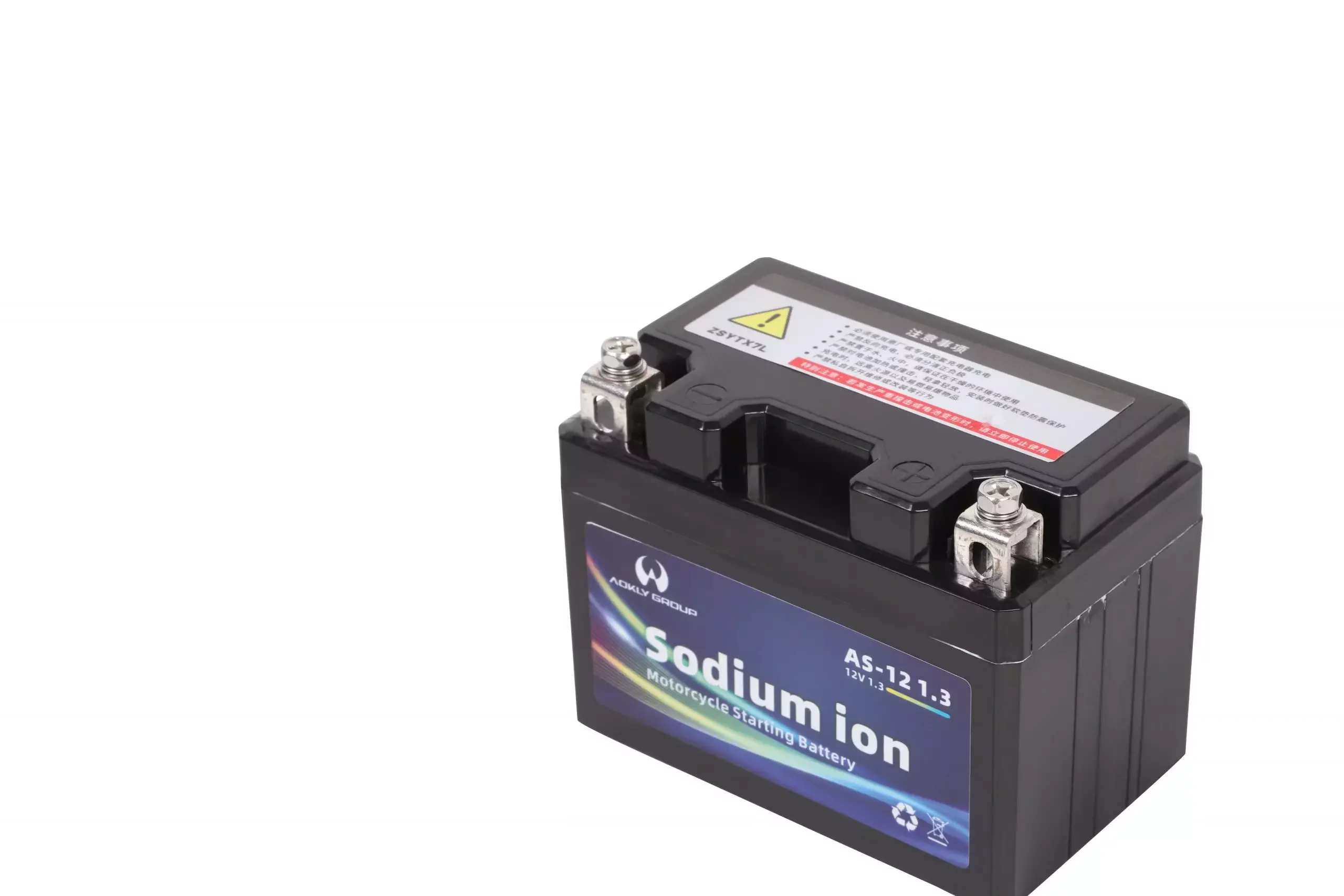
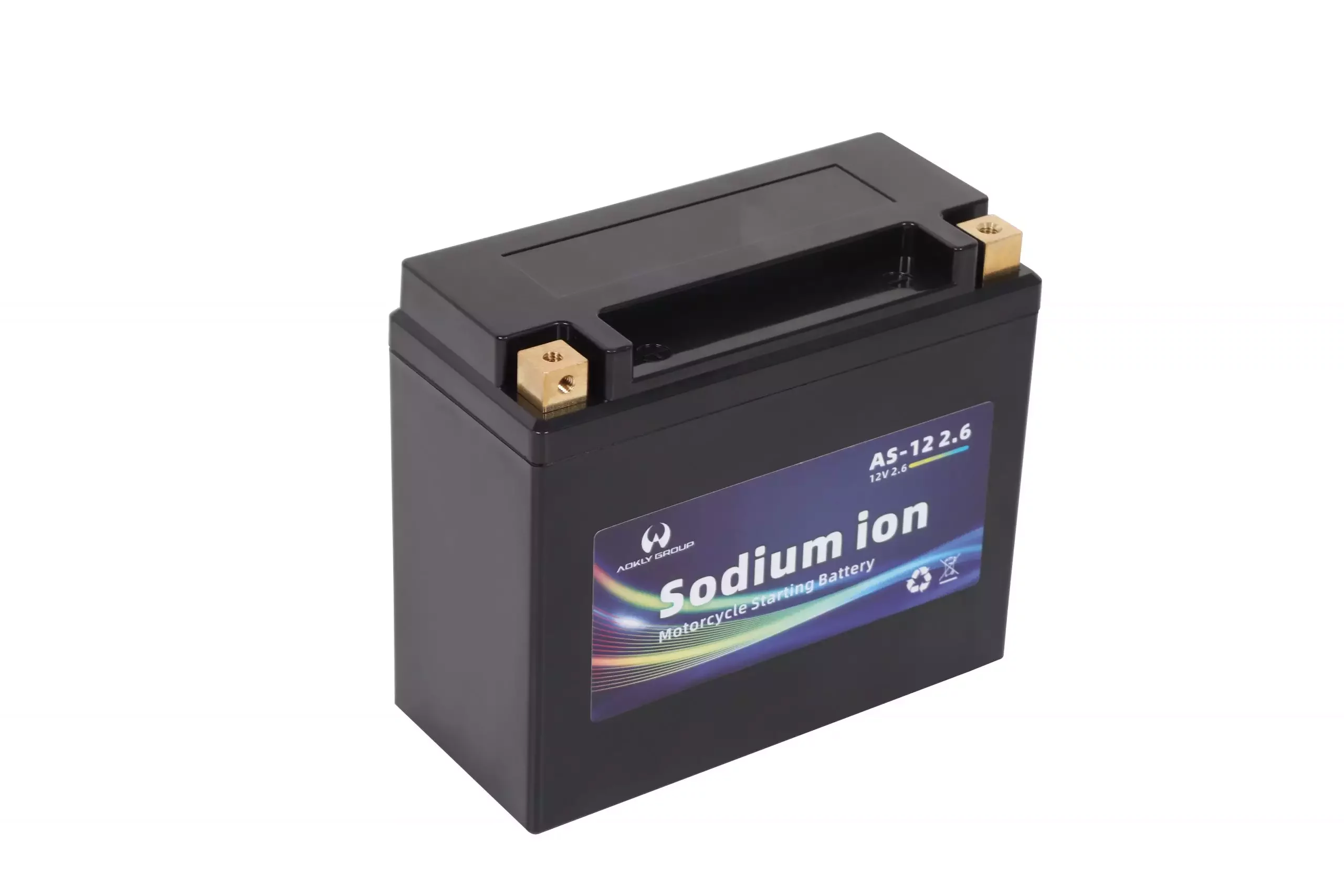
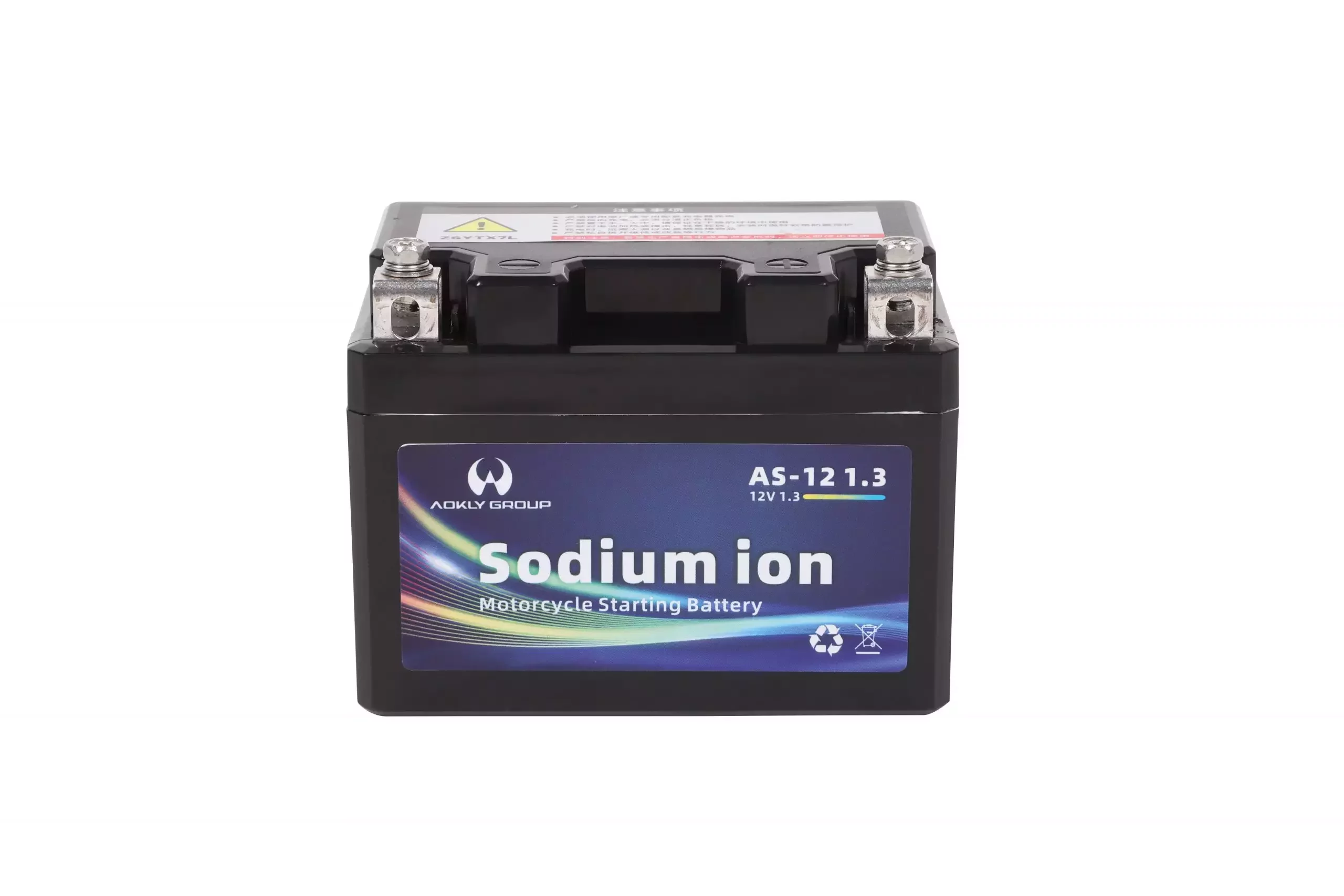
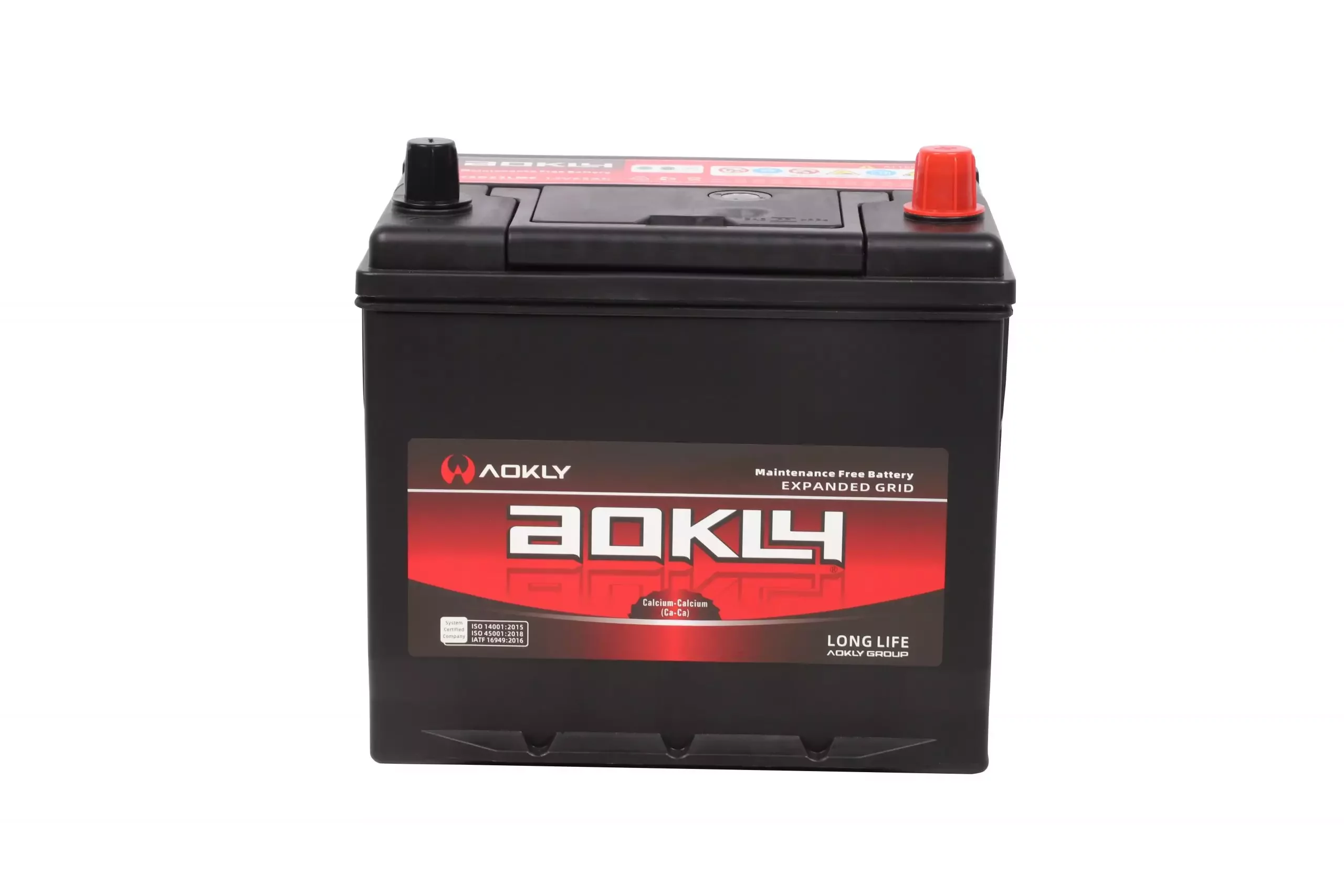
Cold weather has always been a challenge for riders who depend on reliable ignition and stable power delivery. At Aokly, we often receive questions about whether a sodium motorcycle battery can truly perform better than lithium options in freezing environments. The answer lies in chemistry and practical testing. In low temperatures, battery internal resistance rises and electrochemical reactions slow down. Lithium systems may experience noticeable capacity loss or reduced discharge efficiency in sub-zero climates. By contrast, sodium-based systems maintain more stable ion mobility under cold conditions, which helps support consistent starting performance. This is why we believe a sodium motorcycle battery offers meaningful advantages for winter riders and seasonal users.
Understanding Low-Temperature Electrochemical Behavior
When temperatures drop, the electrolyte viscosity increases and charge transfer slows. Lithium chemistry, especially in compact motorcycle formats, can show reduced cranking output during early morning starts. A sodium motorcycle battery works differently. Sodium-ion movement remains comparatively active in cold conditions, which supports steady discharge and improved cold-start response. From a practical standpoint, this translates to more reliable ignition after overnight parking outdoors.
At Aokly, our engineering team evaluates performance not only under standard laboratory conditions but also under real low-temperature scenarios that reflect actual riding environments. The focus is not simply on peak output, but on maintaining usable capacity and voltage stability. This is particularly important for motorcycles equipped with electronic control systems, fuel injection, and lighting components that require dependable current flow. Choosing a sodium motorcycle battery can therefore reduce winter-related starting concerns without requiring additional maintenance routines.
Safety, Charging Efficiency, and Service Life
Cold weather does not only affect discharge; it also impacts charging behavior. Lithium batteries may require specific charging management when exposed to freezing temperatures. A well-designed sodium motorcycle battery demonstrates stable charging characteristics and balanced thermal behavior.
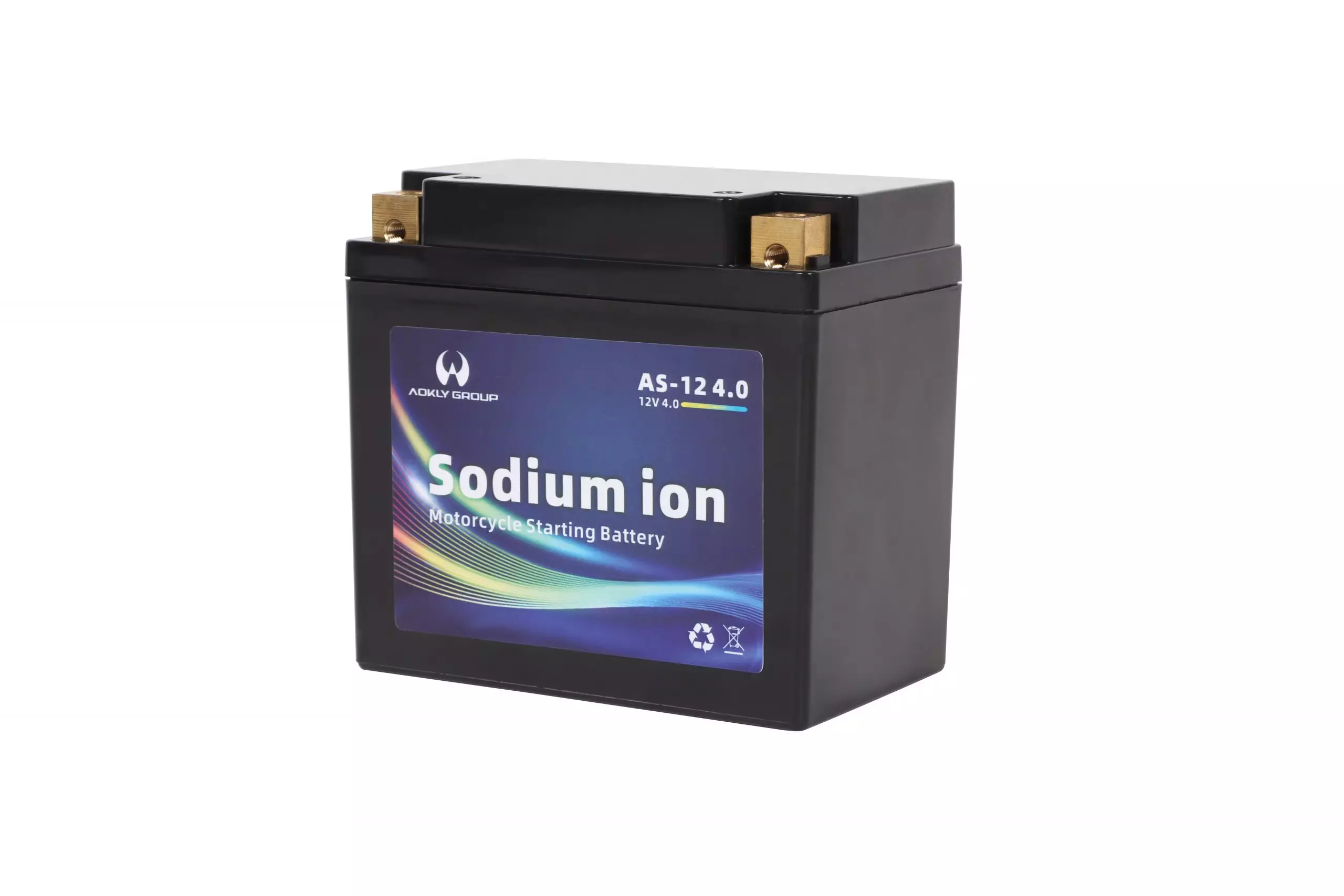
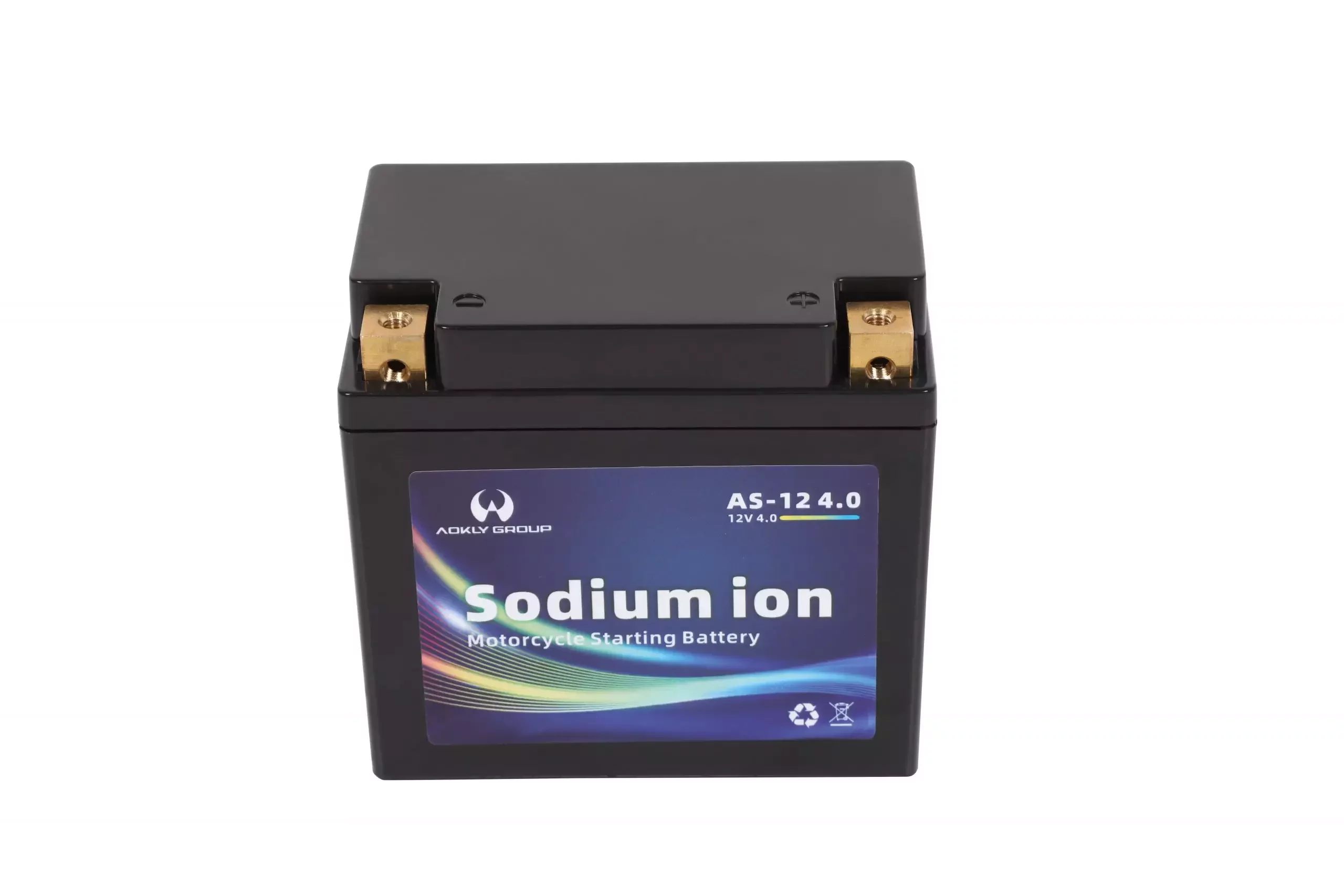
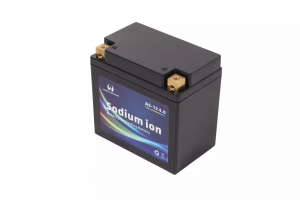
Our AS-12 4.0 model reflects this approach. It is designed with high capacity, high security architecture, long service life expectations, fast charging speed, and excellent low temperature performance. These features are not isolated claims; they are interconnected design outcomes. High capacity ensures sufficient reserve power for repeated cold starts. High security construction supports structural integrity and electrical stability. Long service life reduces replacement frequency over time. Fast charging speed helps restore energy efficiently after short-distance riding. Most importantly, its excellent low temperature performance aligns directly with winter riding needs. Through continuous development at Aokly, we aim to make the sodium motorcycle battery a practical solution rather than a theoretical alternative.
Conclusion
Cold performance is not only about raw power; it is about consistency, safety, and long-term reliability. A sodium motorcycle battery can outperform lithium in cold conditions because of its stable ion activity, balanced charging characteristics, and dependable discharge behavior. Through models such as AS-12 4.0, Aokly integrates high capacity, high security, long service life, fast charging speed, and excellent low temperature performance into a practical solution for winter riders. By focusing on real-world usage and clear technical principles, we aim to provide informed guidance and reliable energy support in low-temperature environments.