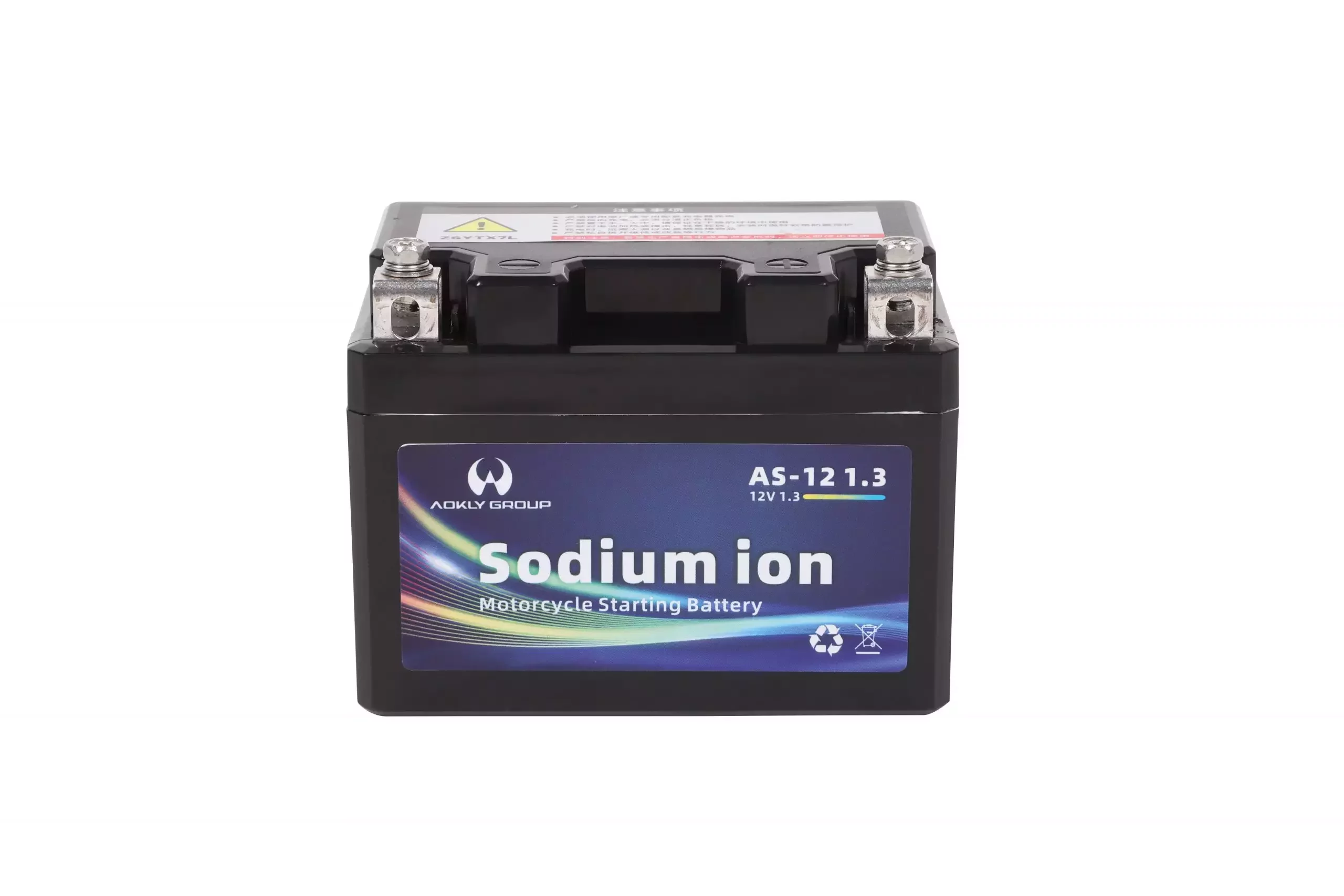
Automotive batteries are essential components in modern vehicles, powering not only the engine but also numerous electrical systems that enhance functionality and comfort. The evolution of automotive battery technology reflects the advancements in automotive engineering and the increasing demands for performance, reliability, and efficiency. This article explores the history and development of automotive batteries, with a particular focus on the emergence of the car lithium ion battery.

The Early Days: Lead-Acid Batteries
The automotive battery’s history began in the late 19th century with the invention of the lead-acid battery by Gaston Planté in 1859. This design comprised lead plates immersed in an electrolyte solution of sulfuric acid, providing a reliable and rechargeable energy source. Lead-acid batteries quickly became the standard for early automobiles due to their low cost and ease of manufacture.
Throughout the early 20th century, these batteries evolved, with advancements in plate design and electrolyte composition leading to improved performance and longevity. The introduction of maintenance free lead-acid batteries further enhanced usability, allowing drivers to operate vehicles without the frequent need for water refills. The 55D23RMF model exemplifies these innovations, offering a strong polypropylene container and advanced lead calcium alloy, which enhances acid and vibration resistance while maintaining high cold cranking capacity.
Transition to More Advanced Technologies
As automotive technology progressed, the limitations of lead-acid batteries became apparent, particularly concerning weight and energy density. In the late 20th century, the industry began exploring alternative battery technologies to meet the demands of emerging vehicles featuring advanced electrical systems and energy efficiency.
Nickel-metal hydride (NiMH) batteries gained some traction in hybrid vehicles due to their higher energy density compared to lead-acid batteries. However, it was the introduction of the car lithium ion battery that truly marked a significant turning point. First commercialized in the early 1990s, lithium-ion technology provided several advantages, including a much higher energy density, lighter weight, and no memory effect, allowing consumers to charge their vehicles at varying states of discharge without significant performance loss.
The Rise of Car Lithium Ion Batteries
The car lithium ion battery has now become the dominant power supply in electric and hybrid vehicles, fundamentally transforming the automotive landscape. Its ability to store vast amounts of energy in a compact form allows for longer driving ranges and improved vehicle performance.
Unlike traditional lead-acid batteries, lithium-ion batteries require optimized charge management to ensure longevity and safety. They generally utilize a constant current charging method or constant voltage charging between 14.2 and 14.6 volts, ensuring efficient performance. The design and chemical composition of lithium-ion batteries continue to evolve, providing benefits such as lower water loss and enhanced durability, requirements that are crucial for modern vehicles.
Embracing the Future of Automotive Batteries
The evolution of automotive batteries showcases the significant advancements in technology designed to meet the changing needs of the automotive industry. As vehicles become more electrified and dependent on advanced electronics, the role of power storage systems, especially car lithium ion batteries, will only grow in importance.
In summary, understanding the history and evolution of automotive batteries helps to appreciate the ongoing technological advancements that shape the industry today. From the early lead-acid batteries to the sophisticated car lithium ion battery systems now in use, the journey reflects innovation driven by demand for efficiency and performance. At Aokly, we are at the forefront of this evolution, providing high-quality battery solutions tailored to modern automotive requirements. By focusing on advanced technologies, they ensure that today’s vehicles can achieve optimal performance and sustainability for the future of transportation.