A dead motorcycle battery is one of the most frustrating issues riders can face, often disrupting plans and leaving them stranded on the road. While a motorcycle battery may seem simple, its failure can stem from a variety of factors—from improper use to underlying mechanical issues. Troubleshooting a dead motorcycle battery requires a systematic approach to identify the root cause and implement effective fixes, ensuring the battery regains functionality or is replaced appropriately. This article guides riders through the key steps of troubleshooting a dead motorcycle battery, exploring common causes and practical fixes, with rigorous, objective content that avoids hyperbole and focuses on real-world usability.
Common Causes of a Dead Motorcycle Battery
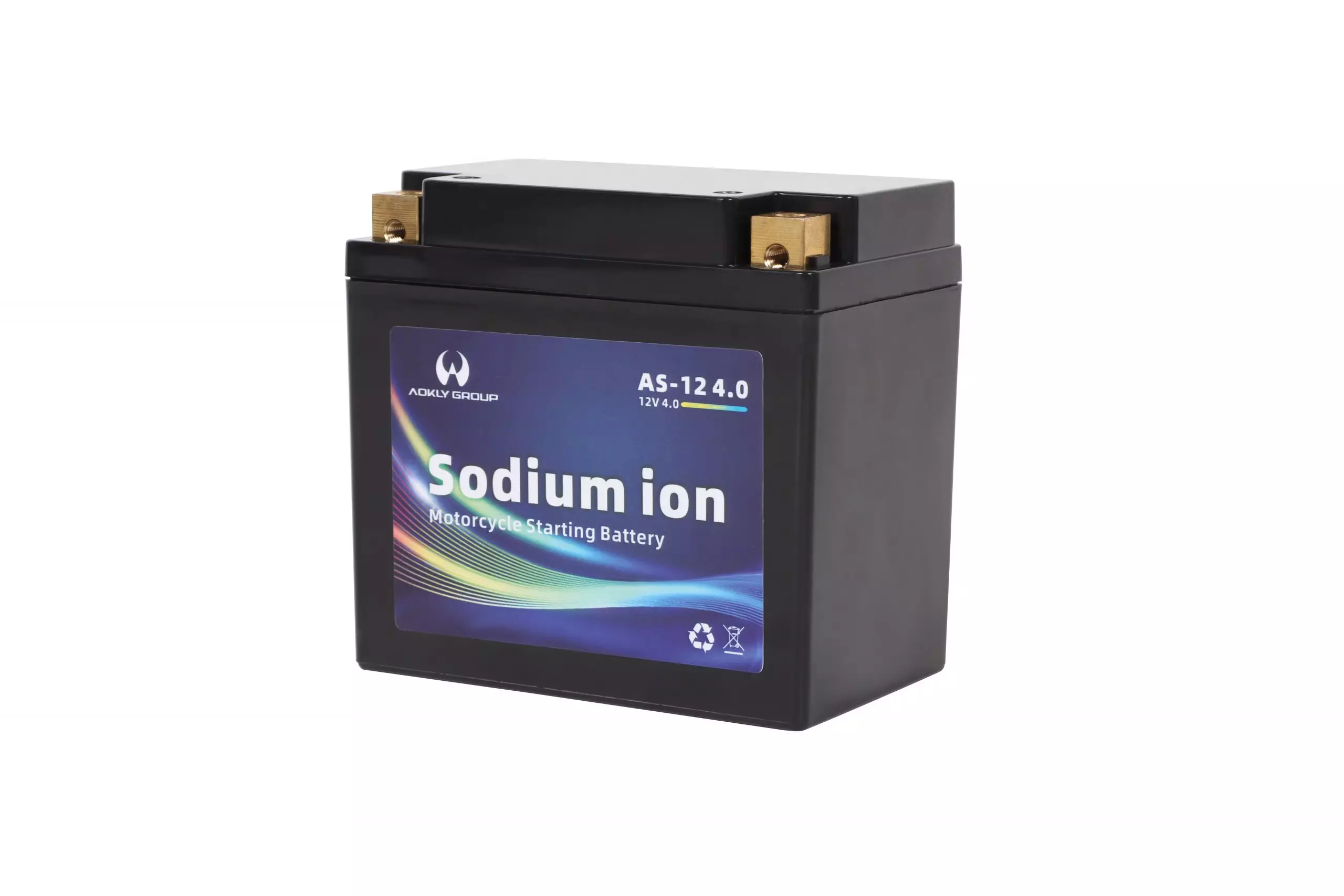
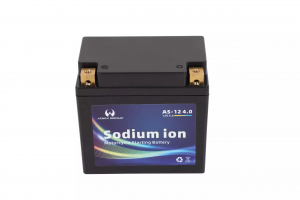
Understanding the root causes of a dead motorcycle battery is the first step in effective troubleshooting. One frequent cause is parasitic drain, where on-board electronics (such as alarms or USB chargers) continue to draw power even when the motorcycle is off, depleting the battery over time. Another common issue is improper charging: either undercharging (from short rides that don’t allow the alternator to fully recharge the battery) or overcharging (from a faulty charging system), both of which damage the battery’s internal structure. Additionally, extreme temperatures—especially cold weather—can reduce a motorcycle battery’s capacity, leading to failure, while age and wear (typically after 3-5 years) naturally degrade battery performance, even for high-quality models like the Aokly AS-12 4.0.
Step-by-Step Troubleshooting for a Dead Battery
Troubleshooting a dead motorcycle battery starts with simple, non-invasive checks before moving to more complex tests. First, inspect the battery terminals: ensure they are clean, tight, and free of corrosion, as loose or corroded connections can prevent the battery from delivering power. Next, use a multimeter to test the battery’s voltage: a healthy motorcycle battery should read between 12.6V and 12.8V when at rest. If the voltage is below 12.4V, the battery is undercharged; below 12.0V, it may be deeply discharged or damaged. For the AS-12 4.0 motorcycle battery, ensure the charging system (alternator) is functioning properly by testing the voltage while the engine is running— it should rise to 13.8V to 14.5V.
Practical Fixes for a Dead Motorcycle Battery
Once the cause is identified, several practical fixes can resolve a dead motorcycle battery. For undercharged batteries, use a compatible charger (preferably constant current ≤0.1C or constant voltage 14.2~14.6V) to recharge it fully—avoid fast charging, which can damage the battery. Clean corroded terminals with a wire brush and baking soda solution to restore proper connections. If parasitic drain is the issue, disconnect non-essential electronics or install a battery tender to maintain charge during long periods of inactivity. For deeply discharged or aging batteries that won’t hold a charge, replacement is the most reliable fix—opting for a high-performance motorcycle battery like the AS-12 4.0, which offers long service life and excellent low-temperature performance, can prevent future issues.
Effective Troubleshooting: Keep Your Motorcycle Battery Reliable
In summary, troubleshooting a dead motorcycle battery involves identifying common causes (parasitic drain, improper charging, extreme temperatures, age) and implementing targeted fixes (recharging, terminal cleaning, component checks, replacement). By following these steps, riders can quickly resolve battery issues and avoid costly or inconvenient breakdowns. As a professional provider of motorcycle power solutions, Aokly integrates durability and reliability into every motorcycle battery, including the AS-12 4.0 model. Aokly’s motorcycle battery features high capacity, fast charging speed and excellent low-temperature performance, reducing the risk of sudden failure. Aokly is committed to helping riders maintain their motorcycle battery effectively, providing high-quality products and practical guidance to ensure a smooth, worry-free riding experience.