As the automotive industry increasingly shifts towards electric and hybrid vehicles, the effective performance of lithium vehicle batteries has become a focal point for ensuring longevity and reliability. However, one of the primary challenges faced by these batteries is capacity fade over time, which can adversely affect vehicle performance. This article aims to explore the strategies for preventing capacity fade in lithium vehicle batteries, highlighting the importance of maintaining optimal operational conditions and battery management practices.

Understanding Capacity Fade
Capacity fade in lithium vehicle batteries occurs when the battery’s ability to hold and deliver charge diminishes over time, which can lead to reduced driving range and performance. This phenomenon arises from several factors, including charge cycles, temperature variations, and improper charging practices. It is essential to understand these underlying causes to mitigate their impact effectively. By focusing on managing these elements, vehicle manufacturers and operators can enhance the longevity of lithium batteries, ensuring that they continue to deliver high performance throughout their life span.
Optimal Charging Practices
One of the most effective methods to prevent capacity fade is implementing optimal charging practices. Overcharging and undercharging can lead to accelerated degradation of lithium batteries. It is advisable to avoid charging the battery to 100% and discharging it to 0%. Keeping the battery within a moderate state of charge (SoC) range—typically between 20% and 80%—can significantly enhance its lifespan. Additionally, the use of quality traction batteries that have built-in battery management systems can prevent overcharging and ensure that batteries are charged efficiently, thus preserving their capacity over time.
Temperature Management
Temperature plays a critical role in the performance and longevity of lithium vehicle batteries. Extreme temperatures—whether hot or cold—can lead to capacity fade. High temperatures may cause thermal runaway, leading the battery to degrade faster, while low temperatures can reduce the battery’s ability to deliver energy. For optimal performance, it is essential to maintain the battery within its specified temperature range. Taking preventive measures such as installing thermal management systems can help regulate the temperature of lithium batteries. Regular monitoring of temperature conditions and implementing necessary insulation can further protect the battery from capacity fade.
Partnering for Enhanced Performance
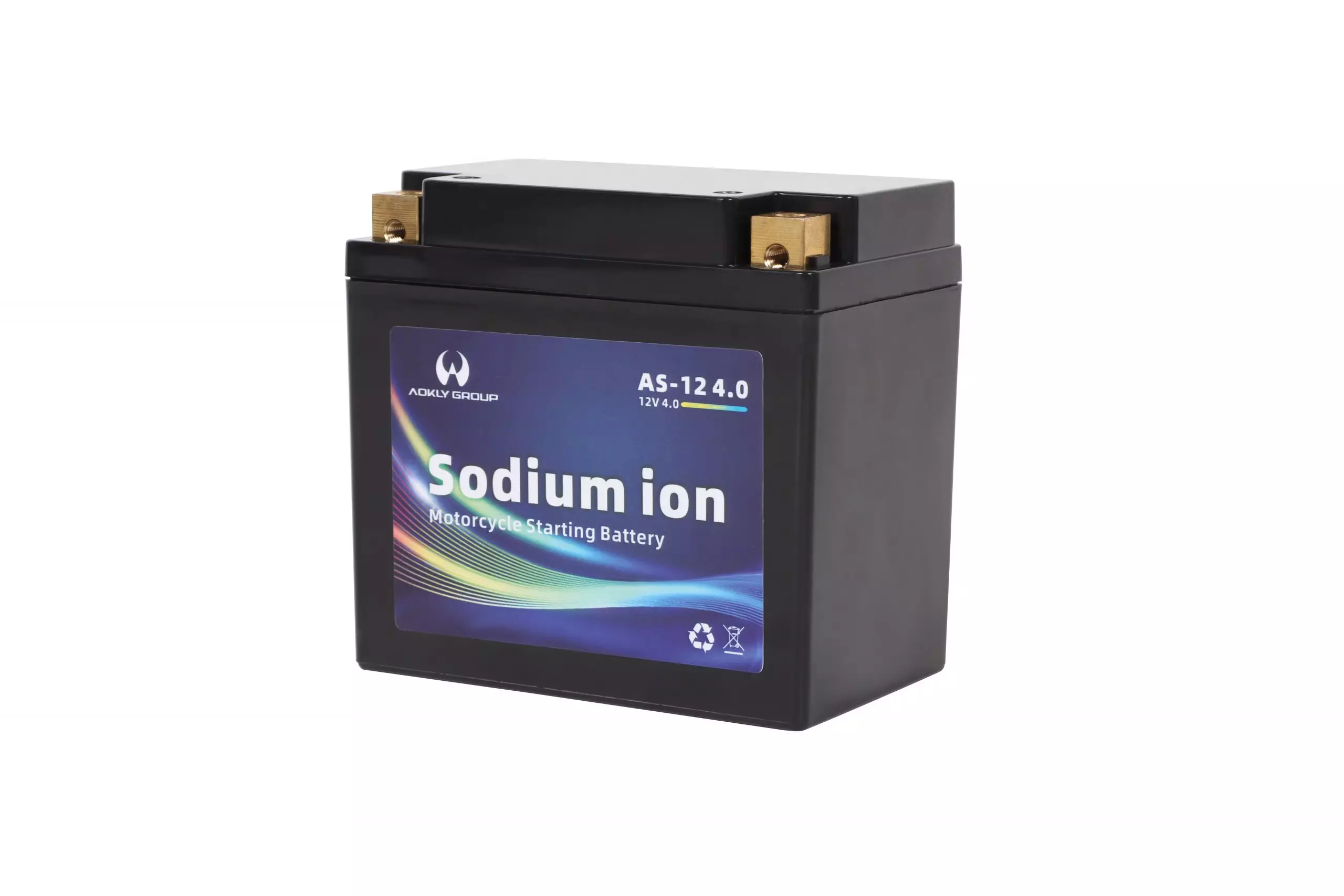
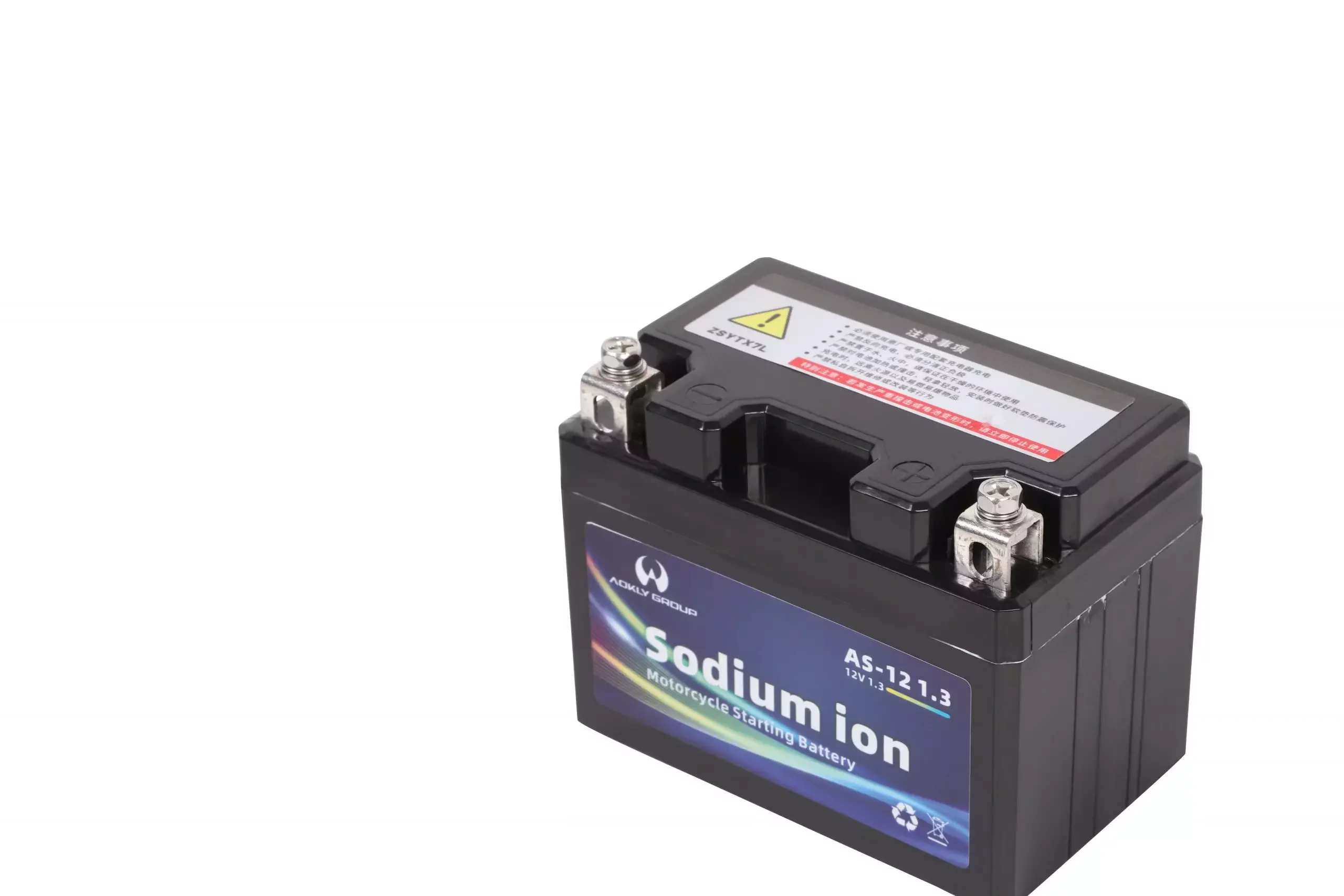
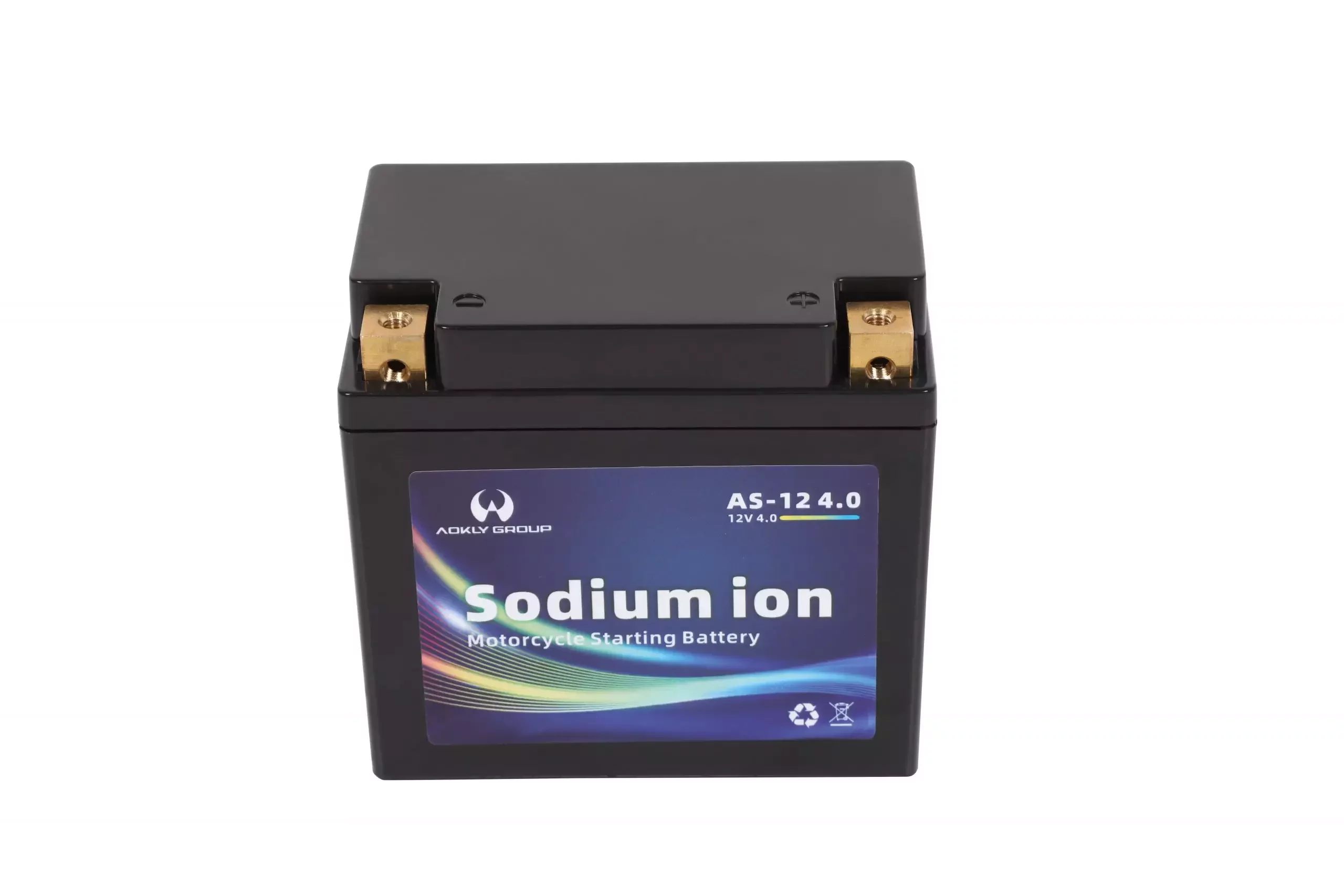
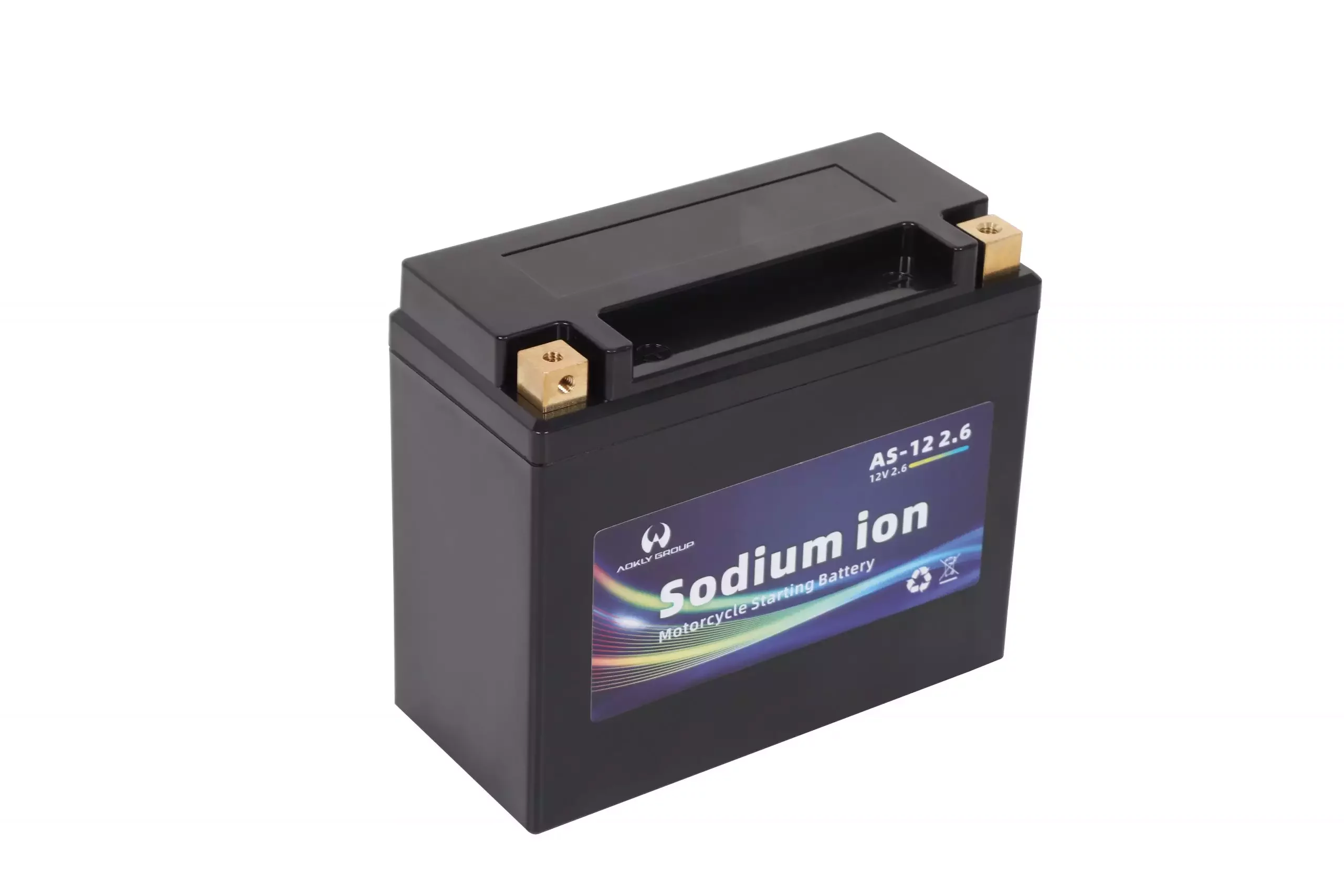
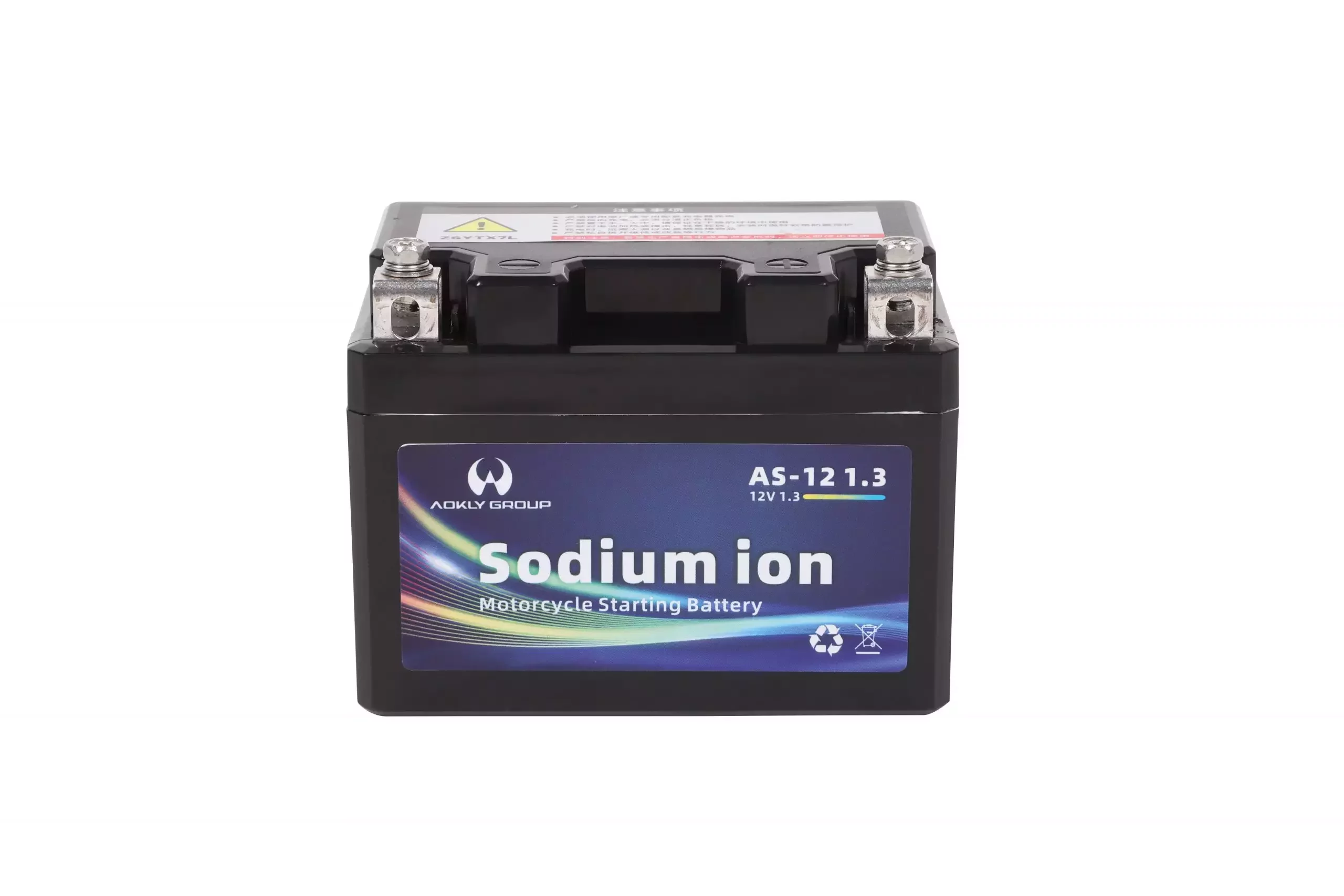
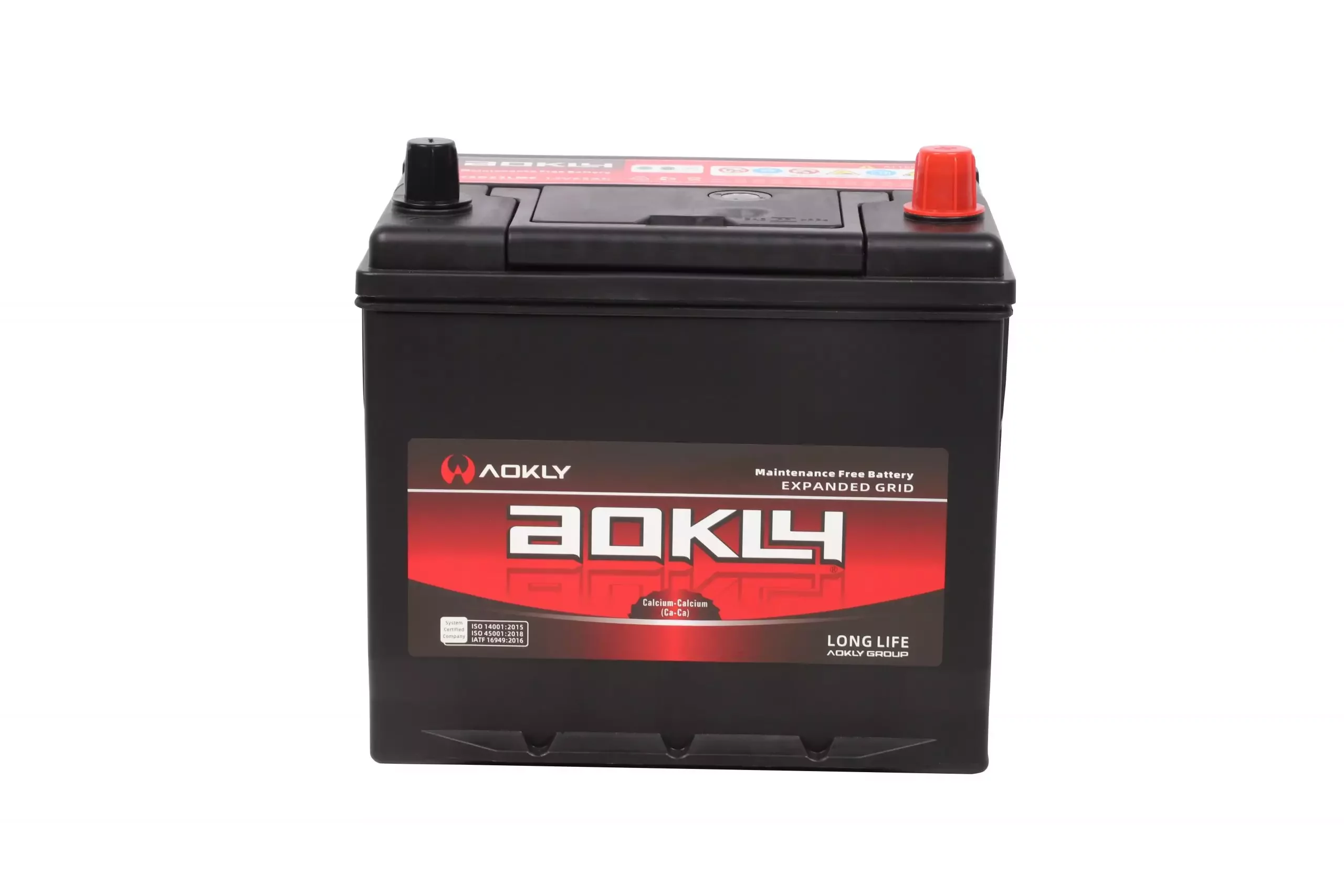
For vehicle manufacturers and users, selecting a reputable supplier for high-quality traction batteries is paramount. At Aokly, we provide advanced lithium vehicle batteries, offering excellent performance characteristics such as high cranking power, longer service life, and maintenance free operation. Choosing a reliable traction battery supplier ensures access to batteries designed to withstand rigorous usage and extreme conditions, thus contributing to greater longevity and reduced capacity fade.
In summary, preventing capacity fade in lithium vehicle batteries involves understanding the causes of degradation and implementing strategic management practices. By optimizing charging habits and regulating temperature, users can enhance battery performance and longevity. As the industry evolves, we at Aokly deliver quality traction batteries that offer both reliability and efficiency, ensuring vehicles equipped with our batteries maintain peak operational performance. Prioritizing these solutions will not only improve battery life but also contribute significantly to a sustainable future in electric and hybrid vehicle deployment.