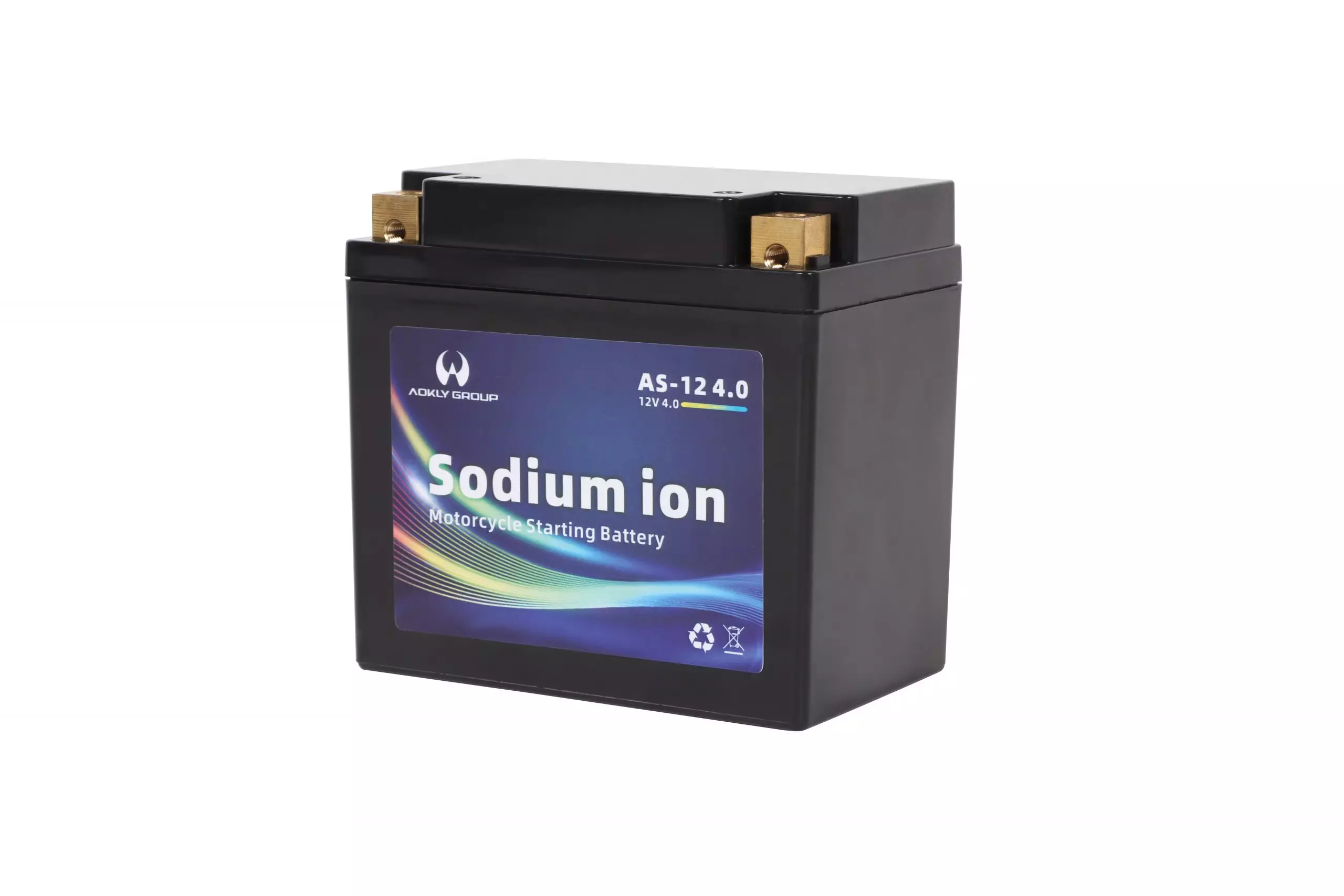
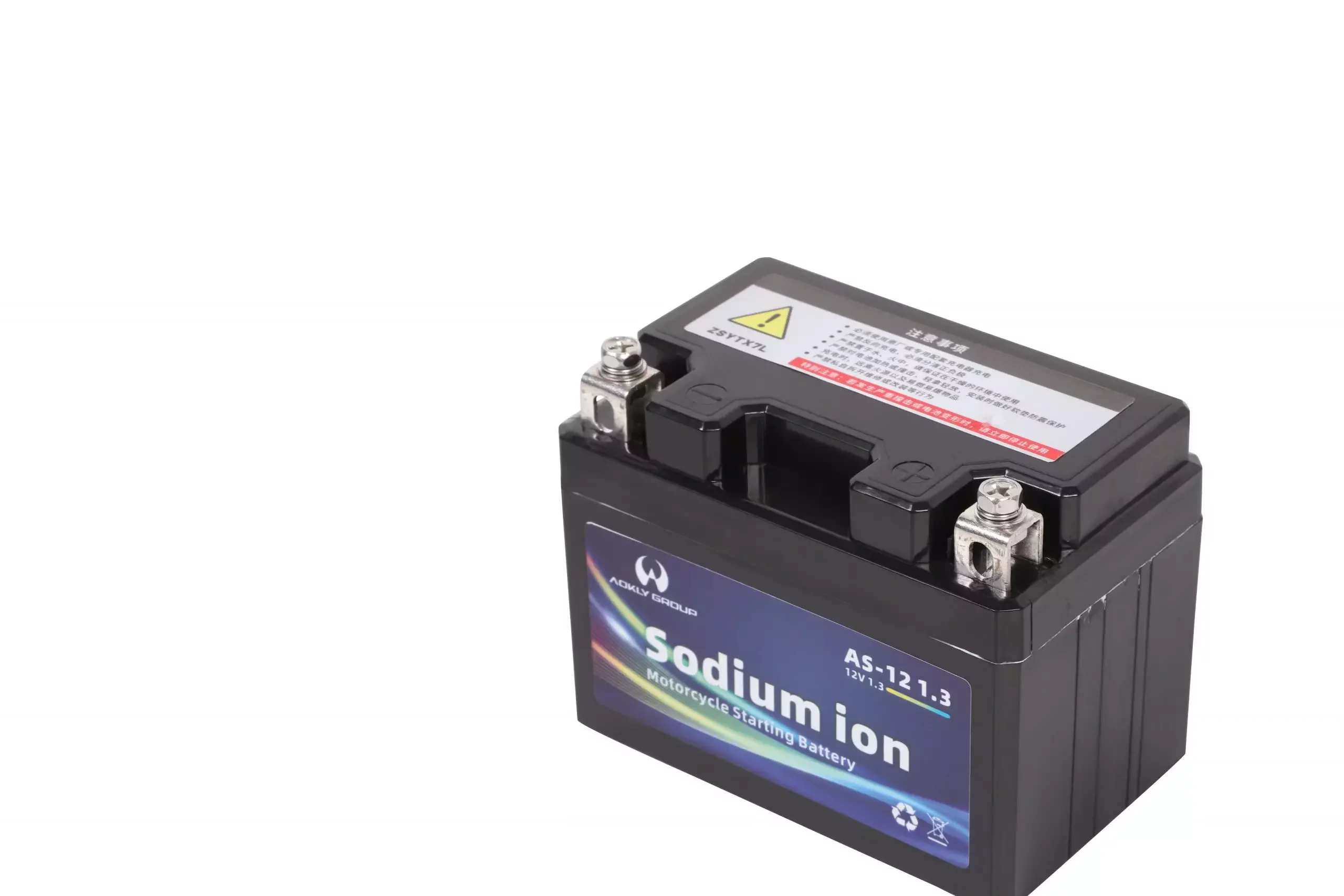
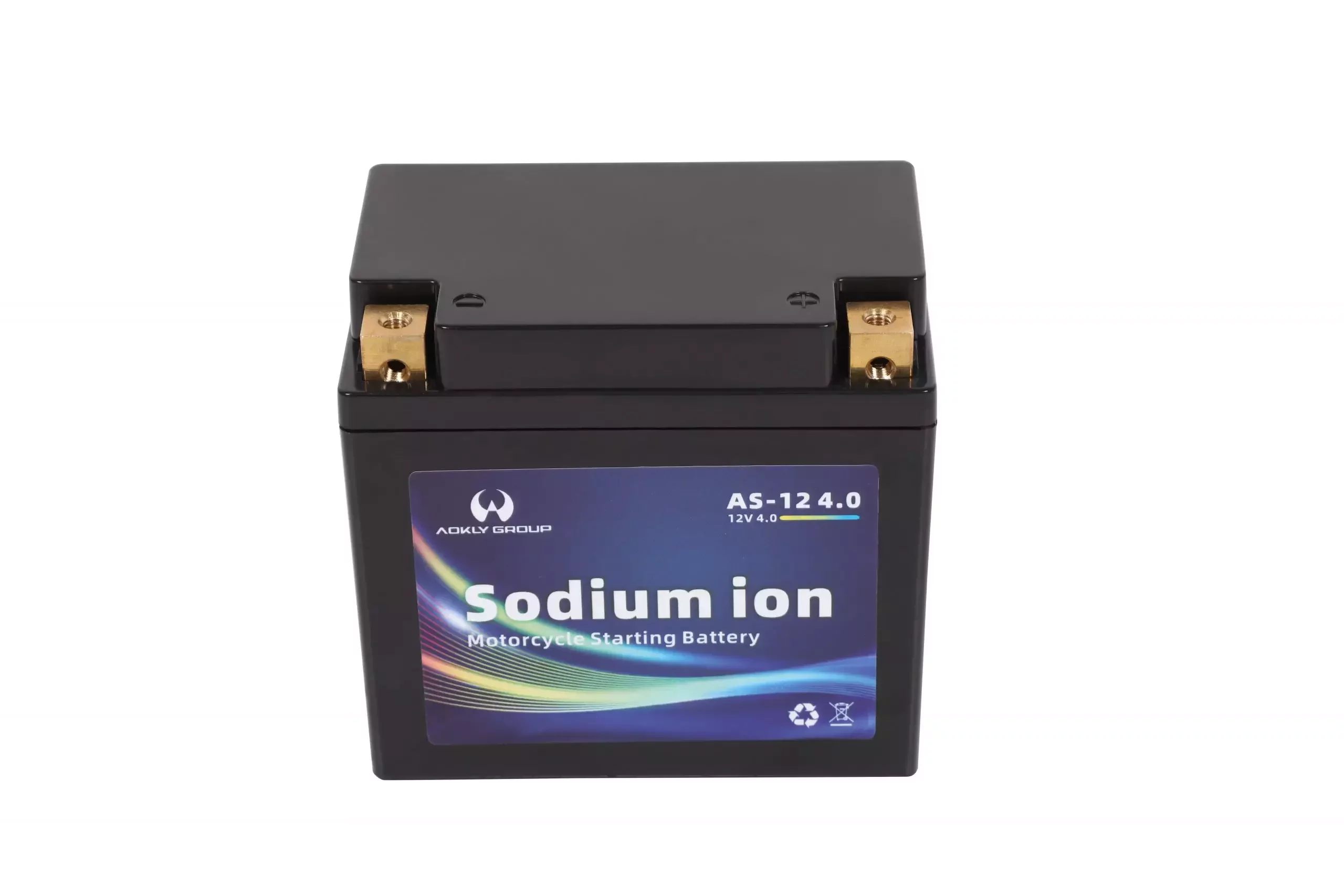
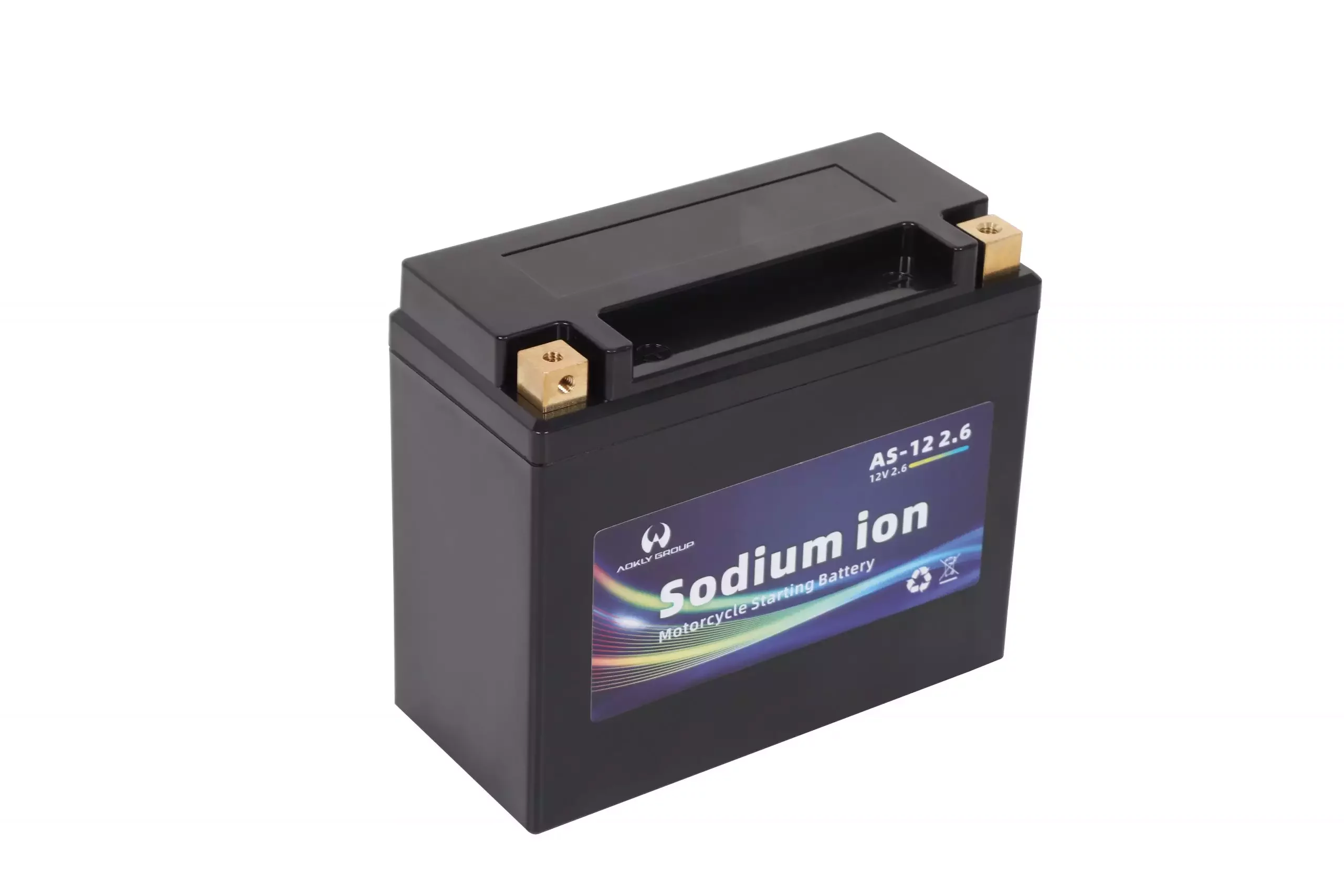
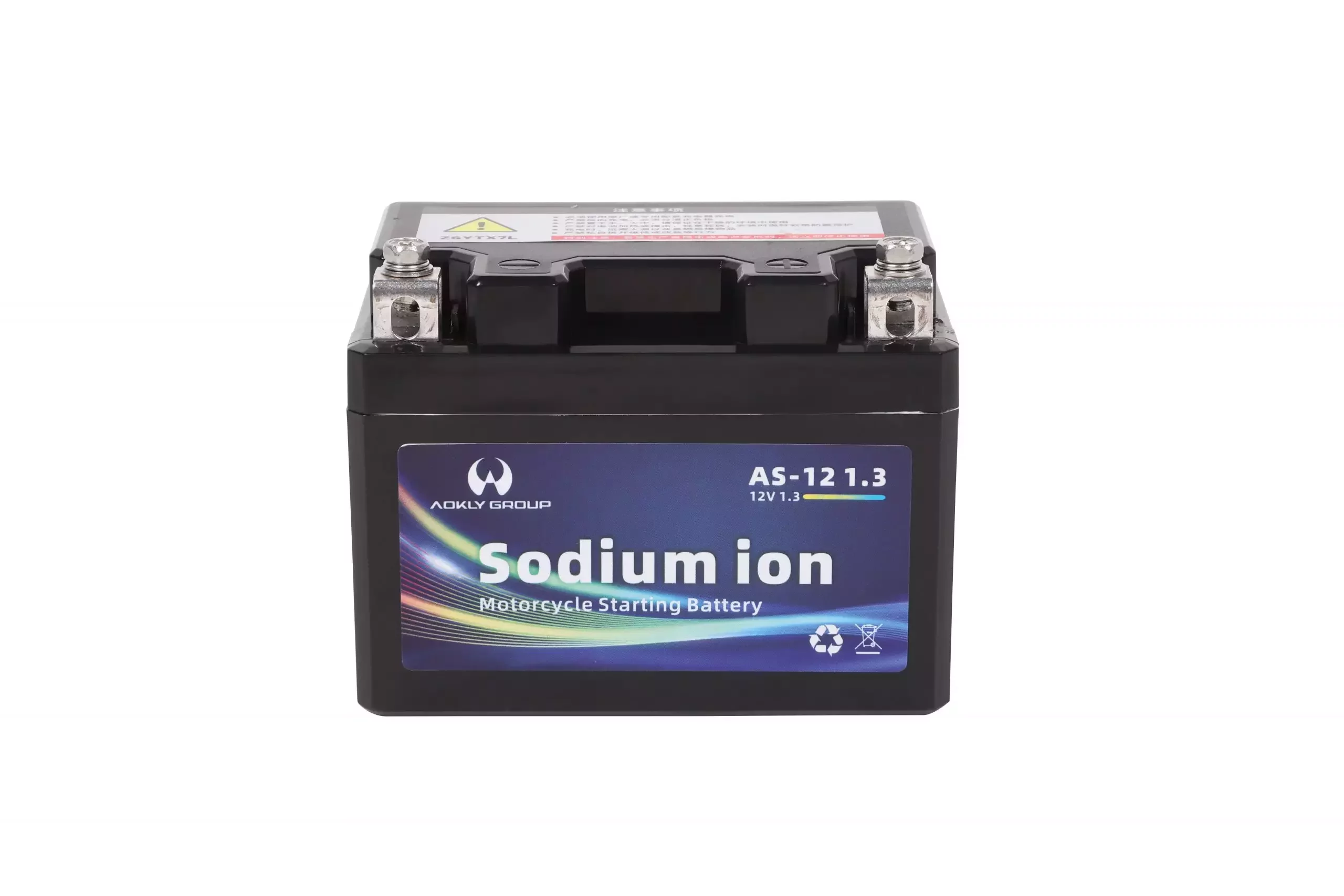
As the automotive industry continues to evolve towards greater sustainability, lithium batteries have emerged as a frontrunner in powering electric vehicles (EVs). Their technological advancements and superior characteristics make them essential for meeting the rigorous demands of modern transportation. This article delves into the reasons why lithium batteries are the future of electric vehicles, exploring their benefits and impact on the automotive landscape, while also highlighting the role of auto start stop batteries in this transition.
Superior Energy Density and Efficiency
One of the primary advantages of lithium batteries is their high energy density, which allows them to store more energy in a smaller, lighter package compared to traditional lead-acid batteries. This characteristic is particularly crucial for electric vehicles, where weight directly affects range and efficiency. For instance, the AGML3 model exemplifies the high-performance characteristics needed in modern vehicles, providing excellent cold cranking amps (CCA) for reliable engine starts in extreme conditions. The efficiency of lithium batteries translates not only to extended driving ranges but also to better overall energy management, making them ideal for use in EVs equipped with advanced systems, including auto start stop capabilities that optimize fuel consumption.
Longer Lifespan and Reduced Maintenance
Lithium batteries also offer a significantly longer service life compared to conventional flooded batteries. The enhanced cycle life of lithium-ion technology means that it can withstand many more charge and discharge cycles without significant degradation. This longevity makes them a cost-effective choice for consumers, as it reduces the need for frequent replacements. Additionally, lithium batteries often feature a maintenance free design, eliminating concerns over water refills and making them more convenient for users. These characteristics are essential for the growing market of electric vehicles, where reliability and low maintenance are paramount.
Robust Safety Features
Safety is a critical factor in the automotive industry, especially as electric vehicles gain popularity. Lithium batteries come equipped with advanced safety features that have significantly improved over the years. Many include built-in battery management systems that monitor temperature, charge levels, and overall performance to prevent overheating and potential hazards. Moreover, robust internal structures enhance vibration resistance, ensuring durability even under rough road or off-road conditions. This aspect of safety is crucial for drivers, providing peace of mind when relying on a lithium battery-powered vehicle, especially ones equipped with modern features like auto start stop systems that require dependable battery performance.
A Path Forward with Lithium Technology
As electric vehicles are set to become a significant component of the global automotive market, the role of lithium batteries cannot be overstated. Their high energy density, longer lifespan, and superior safety features make them ideal for powering the next generation of vehicles. At Aokly, we are committed to advancing battery technologies to meet these needs. By focusing on producing high-quality auto start stop batteries and lithium solutions, Aokly plays a crucial role in supporting the transition to electric mobility.
In summary, lithium batteries represent the future of electric vehicles, characterized by their efficiency, longevity, and robust safety features. As EV technology continues to advance, the integration of lithium-based power systems will undoubtedly reshape the automotive landscape. Embracing these innovations not only enhances vehicle performance but also contributes to a more sustainable future. At Aokly, we are dedicated to providing these next-generation power solutions, ensuring that as the industry evolves, they remain at the forefront of automotive technology.