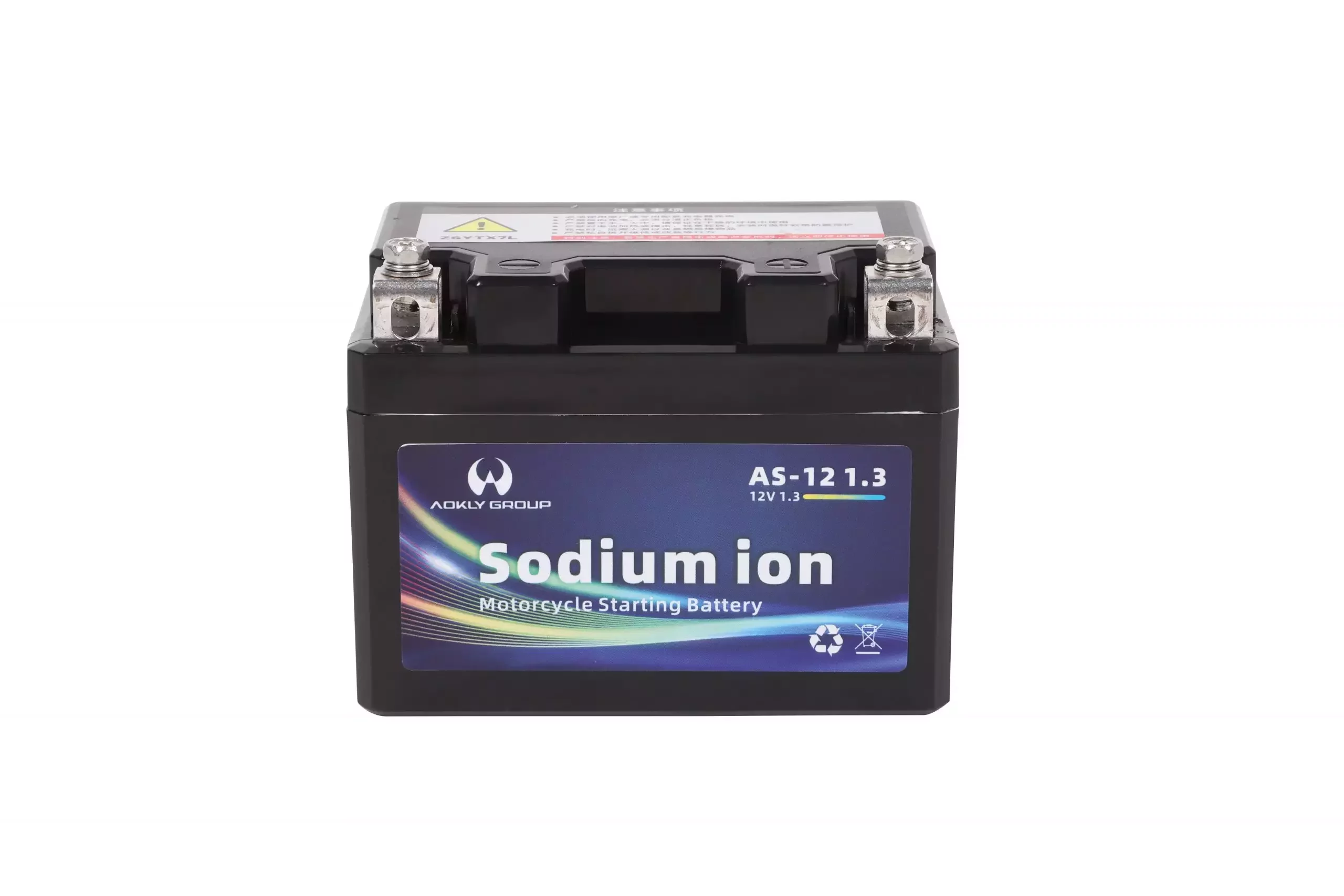
As industries evolve and the demand for reliable energy solutions increases, both traction lead acid battery manufacturers and lithium battery providers play significant roles in the automotive market. While both technologies have their advantages, they also come with distinct characteristics that affect their applications. This article examines key differences between traction lead acid batteries and lithium batteries, focusing on offerings such as those from Aokly.
Performance Characteristics
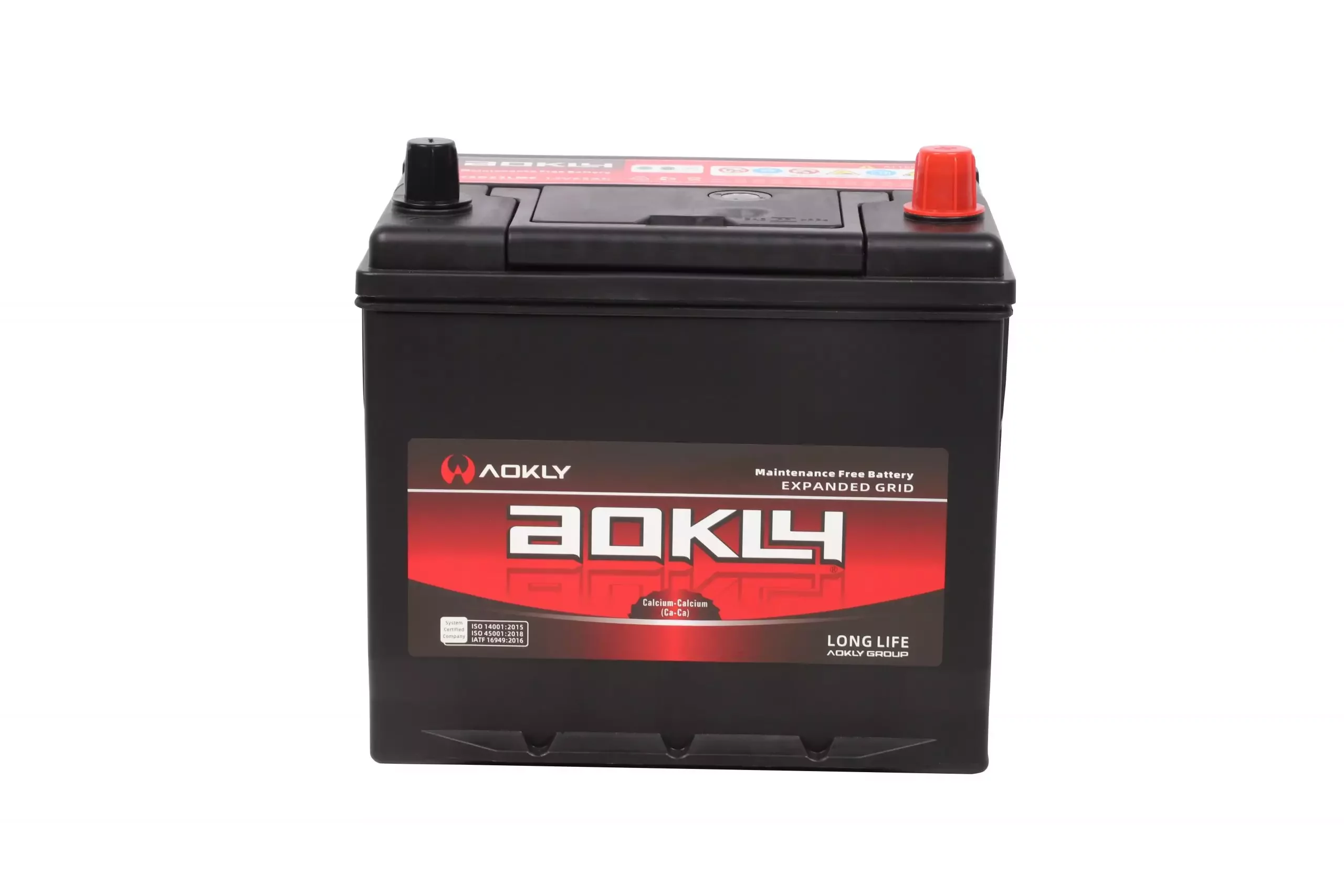
When considering traction batteries for automotive use, performance is a critical factor. Traction lead acid batteries, like Aokly’s 55D23RMF model, offer robust performance tailored for automotive applications. This 12V60Ah battery is ready for immediate use in vehicles, providing reliable power with excellent cold cranking capacity. Aokly’s design focuses on enhanced acid and vibration resistance, making it suitable for harsh conditions commonly faced by automotive batteries.
In contrast, lithium batteries are known for their higher energy density and faster charging times. They can manage high discharge rates and offer longer lifespans compared to lead acid options. However, for many automotive applications, especially in traditional vehicles, the reliability and proven technology of traction lead acid batteries still hold significant value. Their ability to perform well under continuous cycling makes them a dependable choice.
Cost Considerations
Pricing is another crucial element in the battery selection process. Traction lead acid batteries typically have a lower initial cost compared to lithium batteries, which can be a decisive factor for businesses operating on a tight budget. For example, Aokly’s traction lead acid automotive battery eliminates the need for regular maintenance such as water refilling, reducing overall long-term costs associated with ownership.
While lithium batteries can offer longevity and efficiency, their upfront investment tends to be higher. Companies must weigh the long-term savings from lower replacement costs against the initial investment when making purchasing decisions. Thus, traction lead acid battery manufacturers often serve a significant market segment where cost-effectiveness is paramount, particularly in applications like forklifts, tractors, and automotive uses.
Maintenance and Usability
The maintenance requirements of traction lead acid batteries are generally straightforward, making them user-friendly. Aokly’s automotive batteries require minimal upkeep; users simply need to keep the battery clean, ensure secure connections, and fasten the batteries properly. This ease of use makes traction lead acid batteries appealing for many traditional automotive applications where long-term reliability and low maintenance are essential.
On the other hand, lithium batteries may require specialized charging systems and additional monitoring technologies, which can introduce complexity. While they ultimately require less frequent replacement, the initial setup and ongoing maintenance strategies may be more demanding. For users focused on straightforward usability, traction lead acid batteries remain a practical choice.
Balancing Value and Performance in Battery Selection
In summary, both traction lead acid battery manufacturers and lithium providers contribute uniquely to the automotive battery landscape. Traction lead acid batteries, like those from Aokly, offer proven reliability, lower initial costs, and ease of maintenance, making them ideal for many industrial and automotive applications.
Making the Right Choice for Your Needs
In conclusion, understanding the distinctions between traction lead acid batteries and lithium options is vital for making informed decisions. For many traditional automotive applications, the performance, reliability, and cost-effectiveness of traction lead acid batteries solidify their place in the industry. Aokly’s commitment to manufacturing high-quality traction lead acid batteries ensures that users can confidently choose solutions that meet their energy needs while balancing performance and cost.