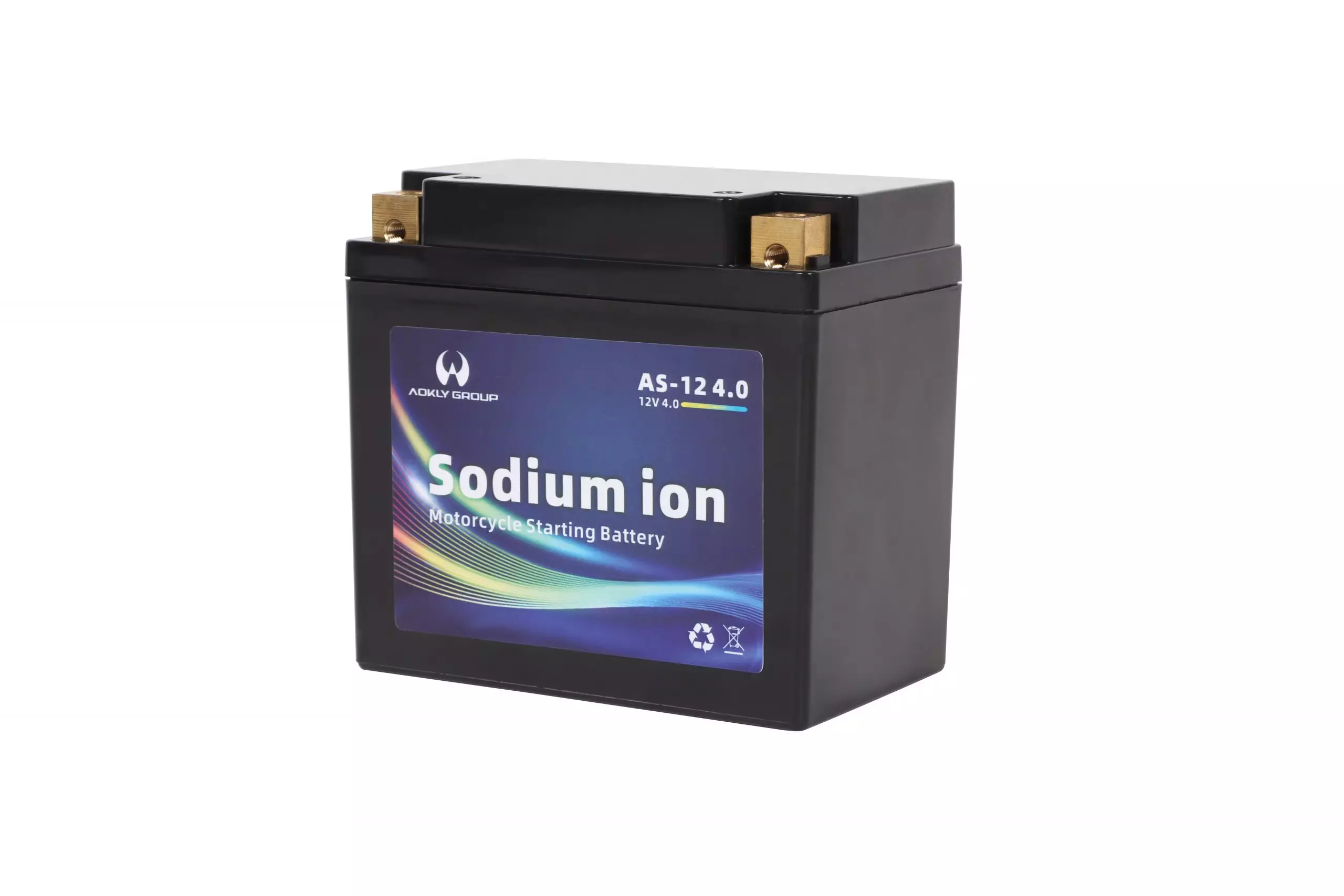
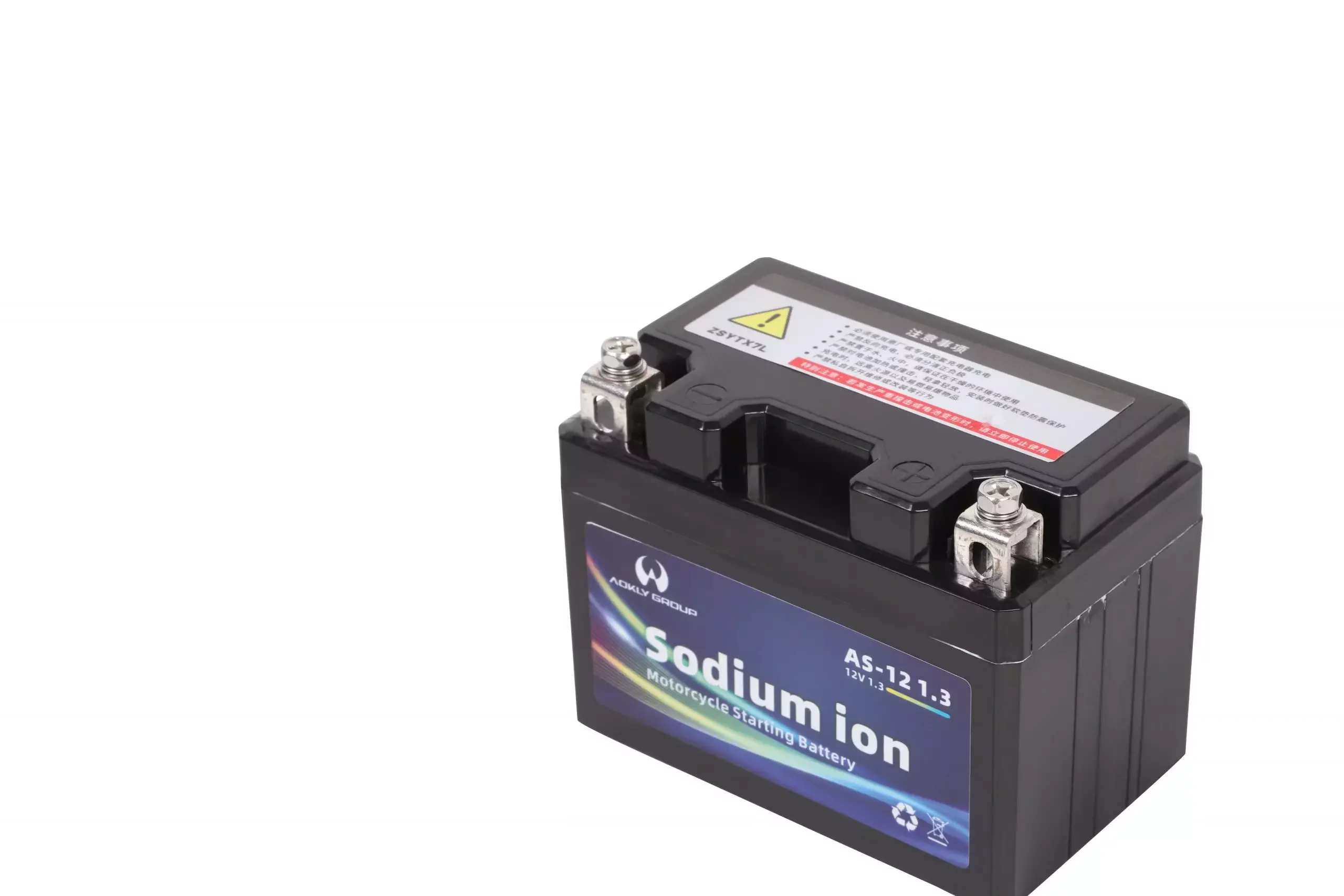
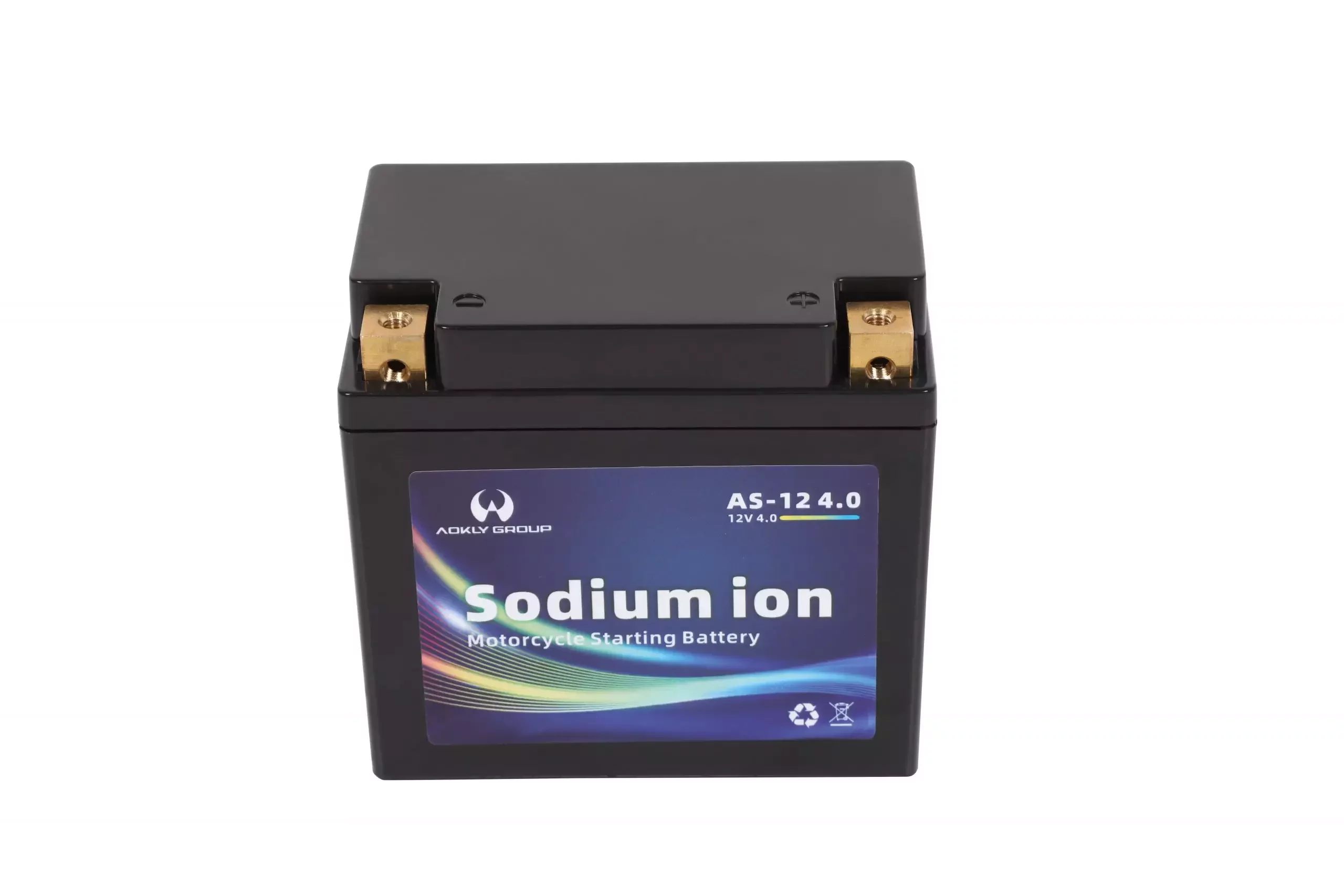
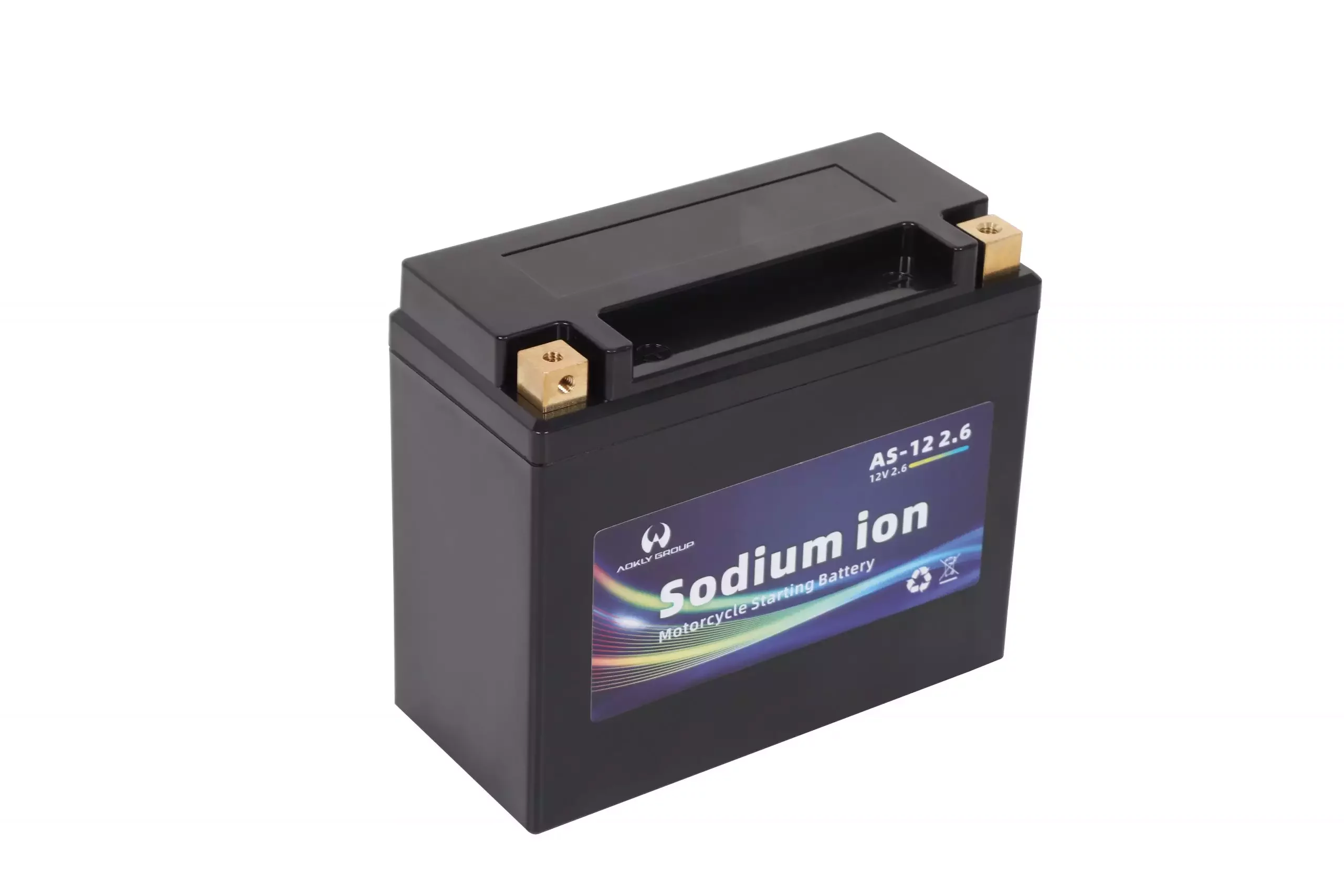
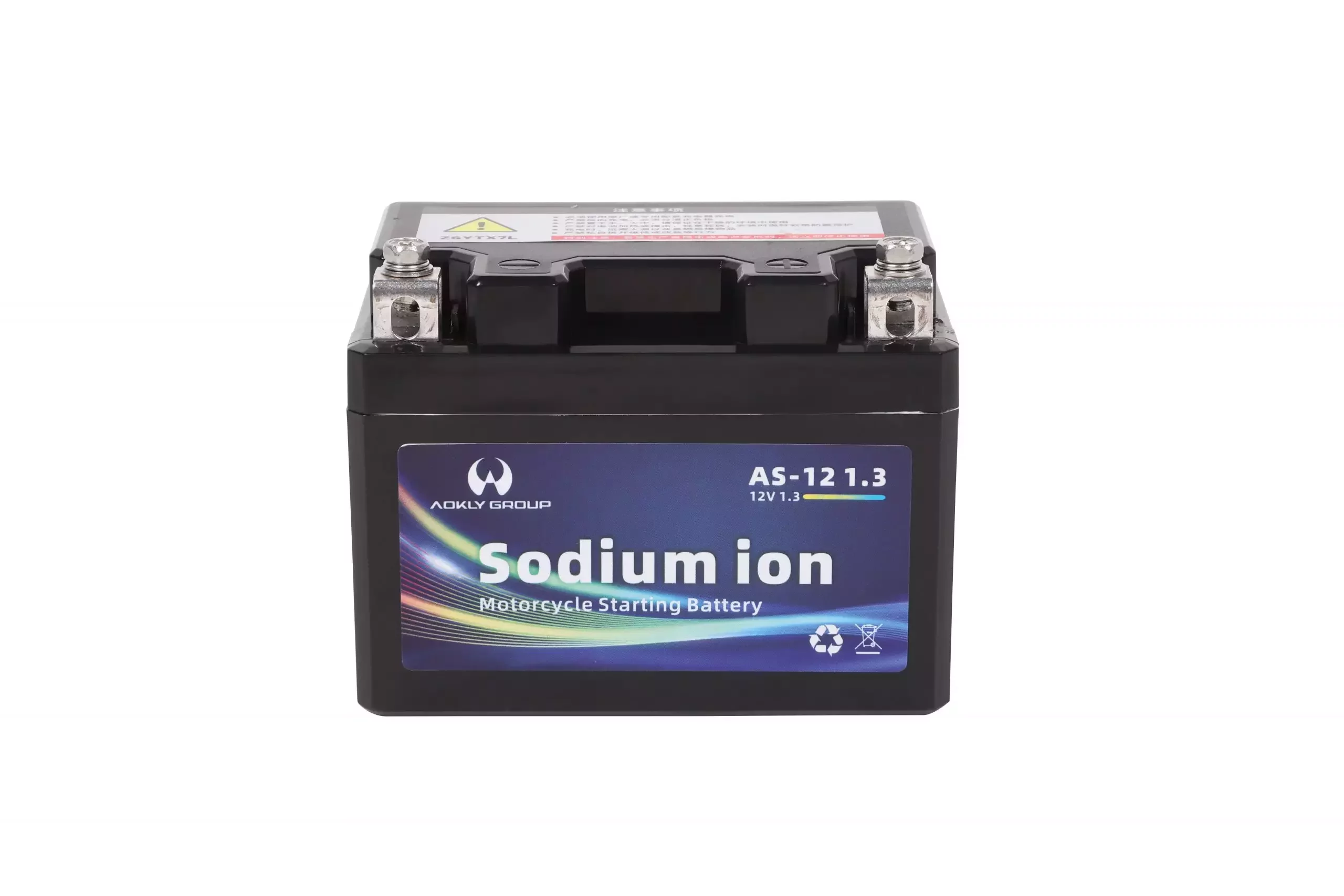
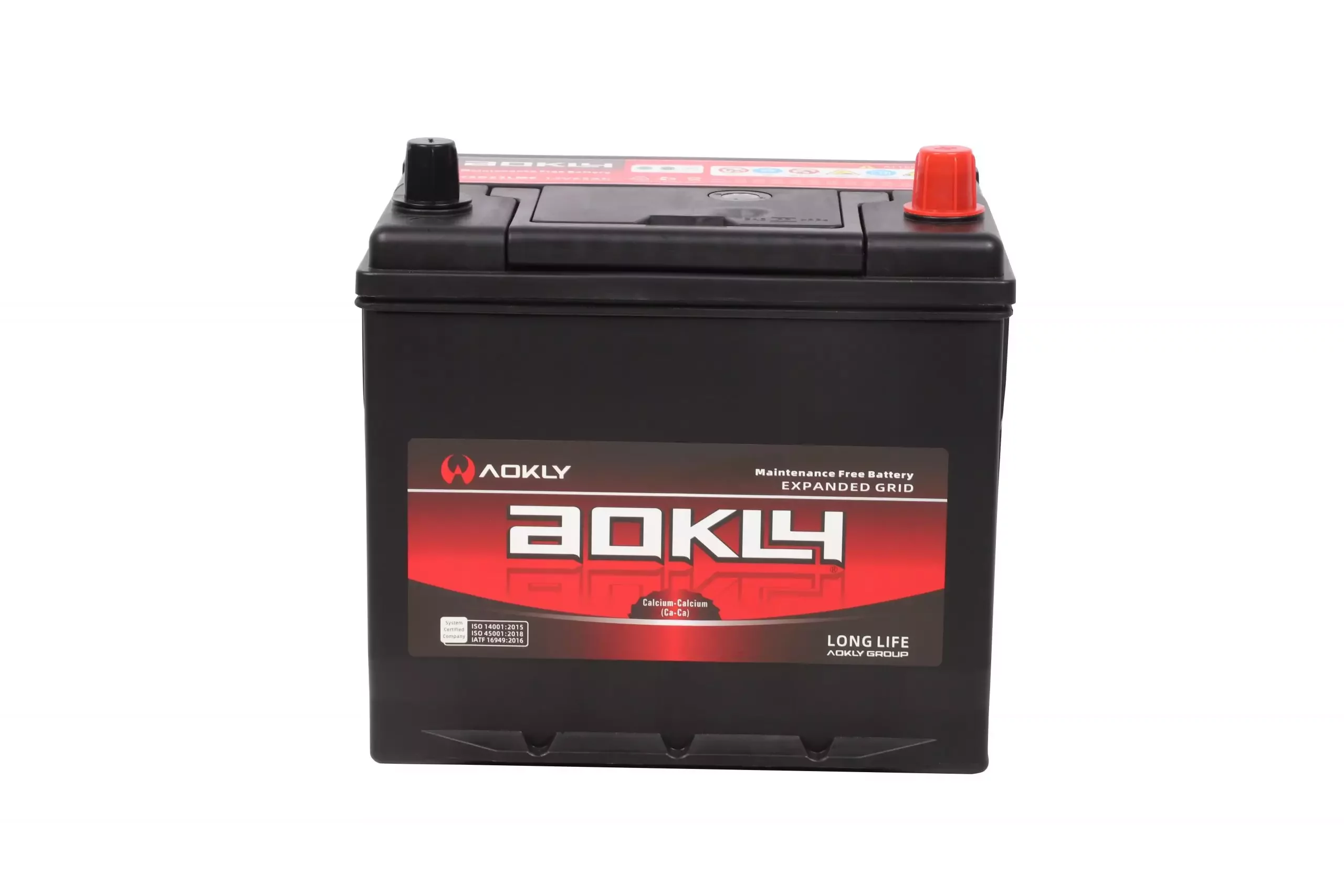
As the world increasingly focuses on sustainable energy solutions, sodium battery companies are emerging as key players in driving the green revolution. With their environmentally friendly production processes and potential for lower costs, sodium batteries offer a promising alternative to conventional lithium-ion technologies. This article explores the reasons behind the growing prominence of sodium battery companies, highlighting their advantages over traditional battery solutions, including insights from Aokly.
Cost-Effectiveness and Resource Abundance
One of the primary reasons sodium battery companies are at the forefront of the green revolution is the availability of raw materials. Sodium is abundant and widely distributed, making it a cost-effective option compared to lithium, which is often subject to volatile pricing due to concentrated sources. This accessibility allows sodium battery companies to produce batteries at a lower initial cost, a crucial factor when scaling for large applications.
Moreover, the lower cost of sodium batteries can significantly enhance the economic viability of renewable energy projects, especially in regions where budget constraints are a concern. As countries and businesses seek affordable energy storage solutions to complement solar and wind power, sodium battery companies become attractive partners in achieving sustainability goals.
Environmental Benefits
Sodium battery companies are also leading the charge in promoting environmentally friendly energy solutions. The production of sodium-ion batteries requires less energy and fewer environmentally damaging processes compared to lithium batteries. Sodium batteries use materials that have a lower environmental impact, reducing the ecological footprint associated with battery production.
The effort to create a sustainable battery ecosystem aligns with wider global initiatives aimed at reducing carbon emissions. With increasing scrutiny on the environmental costs of battery production, sodium battery companies are well-positioned to provide solutions that address these concerns. Aokly, for example, recognizes this responsibility and designs its products to contribute positively to the environment while maintaining high performance.
Technological Advancements and Longevity
Sodium battery companies are investing in technological advancements to enhance the performance and longevity of our products. Innovations in battery chemistry and design are helping to bridge the performance gap between sodium and lithium batteries. For instance, Aokly’s ALFP-0912 model features top-grade A quality cells, high energy density, and a smart Battery Management System (BMS) that optimizes performance.
These advancements lead to a longer lifespan, with some sodium batteries designed for over ten years of use. The improved communication interfaces like RS485 and CAN compatibility further position sodium batteries as versatile solutions compatible with various energy systems, including solar inverters. This adaptability is crucial as the world shifts towards integrated energy solutions that maximize the benefits of renewable sources.
Leading the Charge for Sustainable Energy
In summary, sodium battery companies are emerging as leaders in the green revolution due to their cost-effectiveness, environmental benefits, and ongoing technological advancements. The abundance of sodium resources allows for more economical battery production, making it a compelling choice for large-scale energy storage applications.
As society continues to prioritize sustainable practices, sodium battery companies, such as Aokly, are well-positioned to fulfill this demand while delivering reliable performance. By producing batteries that offer longevity and compatibility with modern energy systems, these companies contribute significantly to the ongoing transformation of the energy landscape.
Paving the Way for a Sustainable Future
In conclusion, as the world moves towards a greener future, sodium battery companies play a vital role in reshaping the energy paradigm. Our focus on sustainability, cost efficiency, and technological innovation ensures that we remain key contributors to the green revolution, paving the way for a more sustainable energy future.