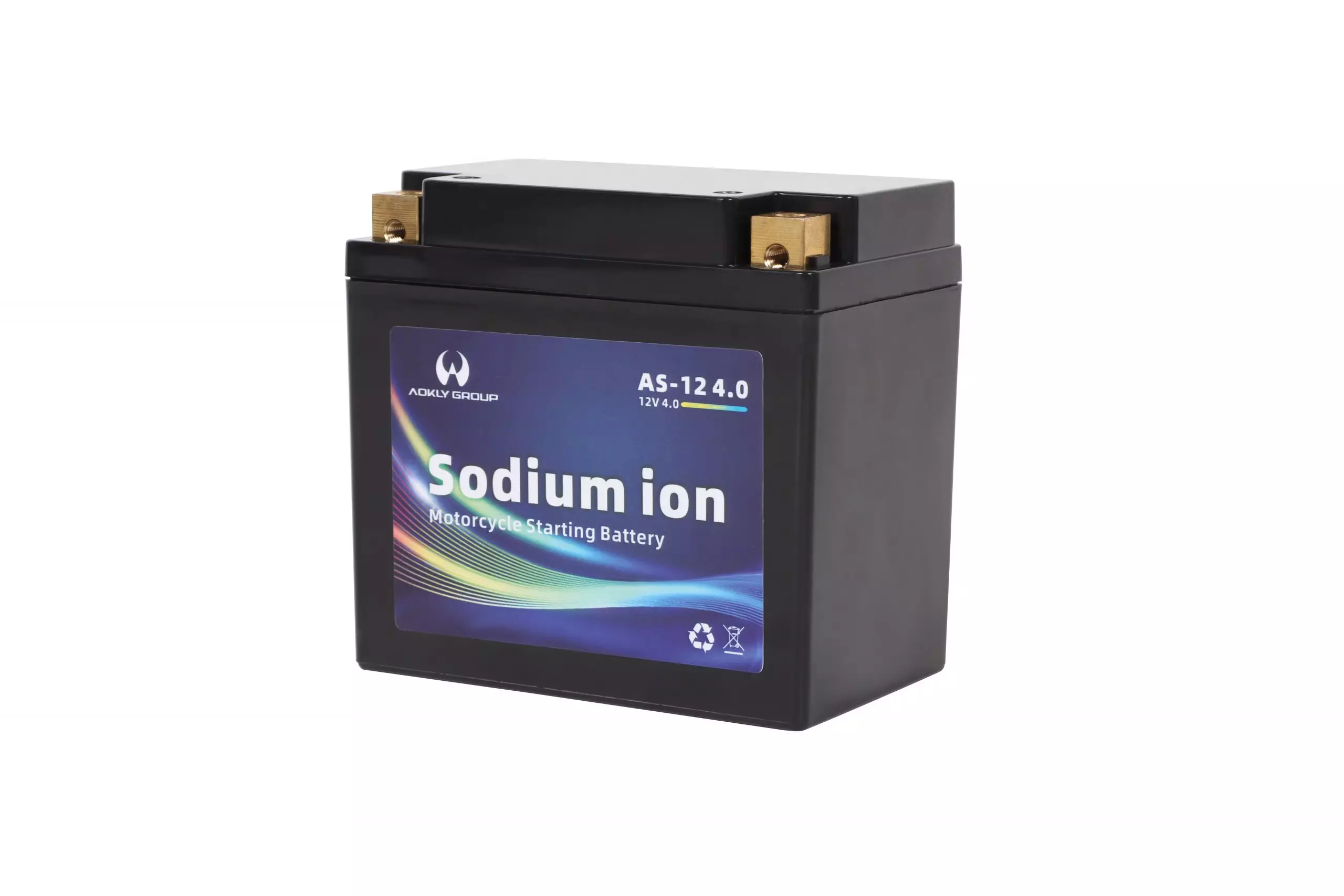
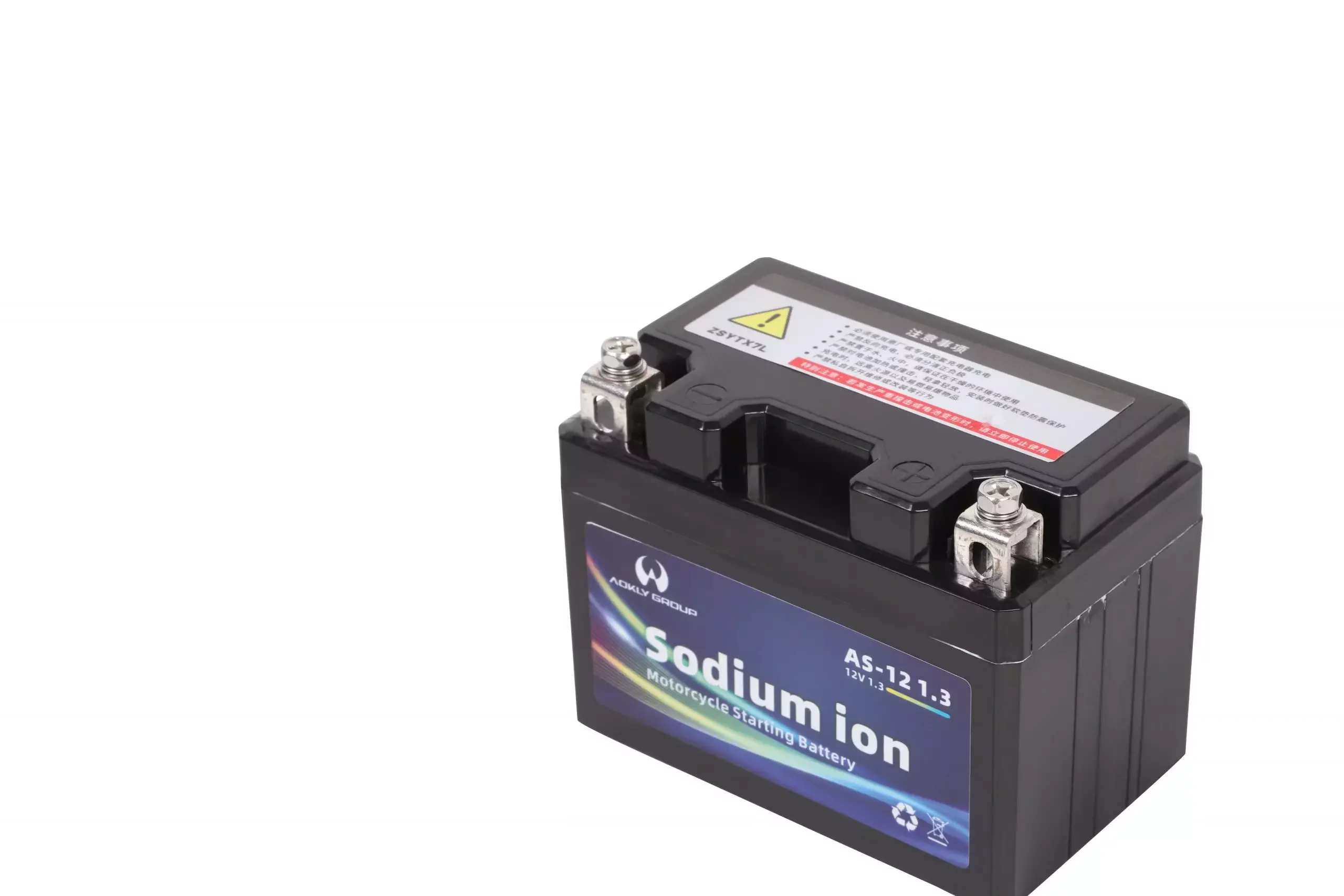
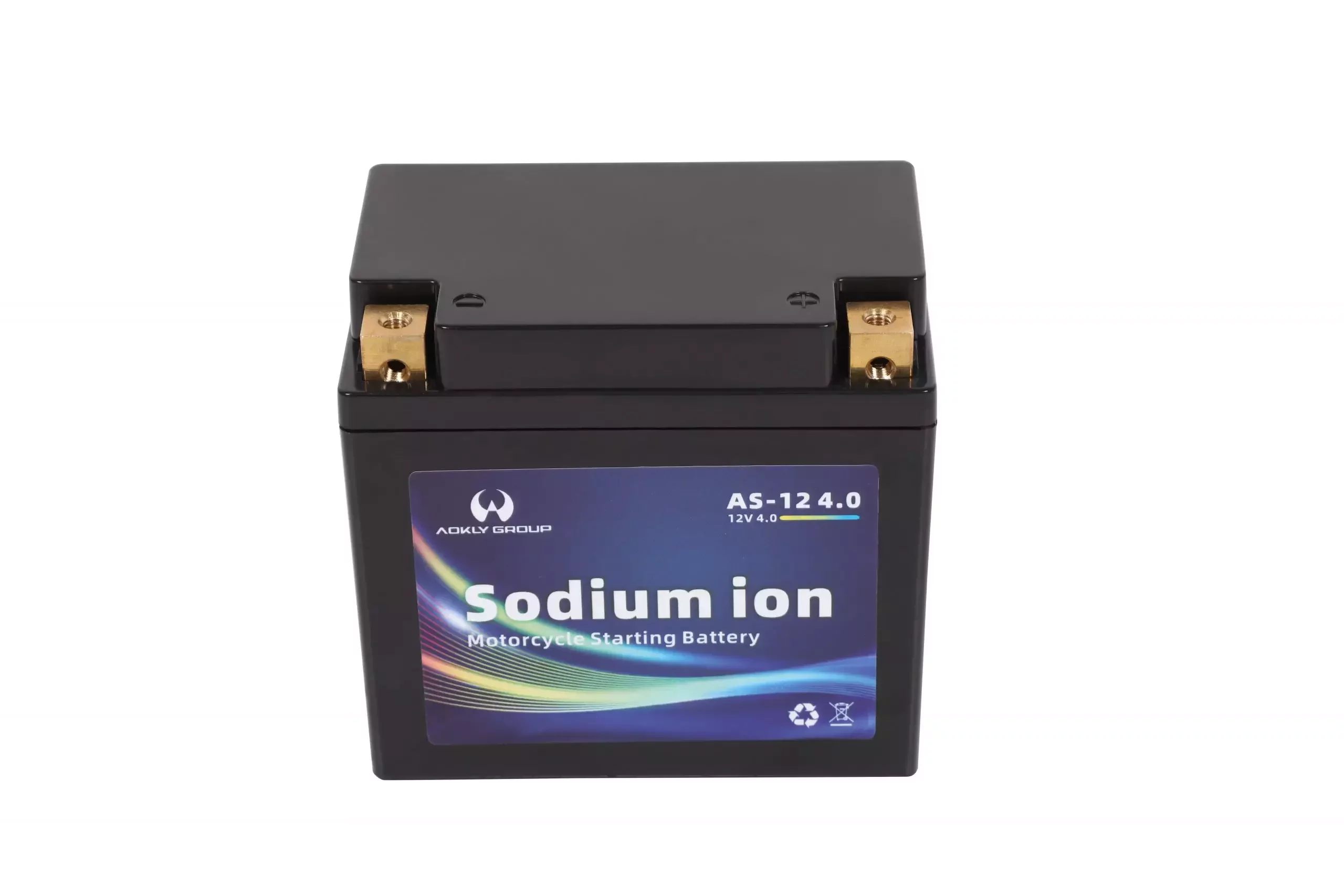
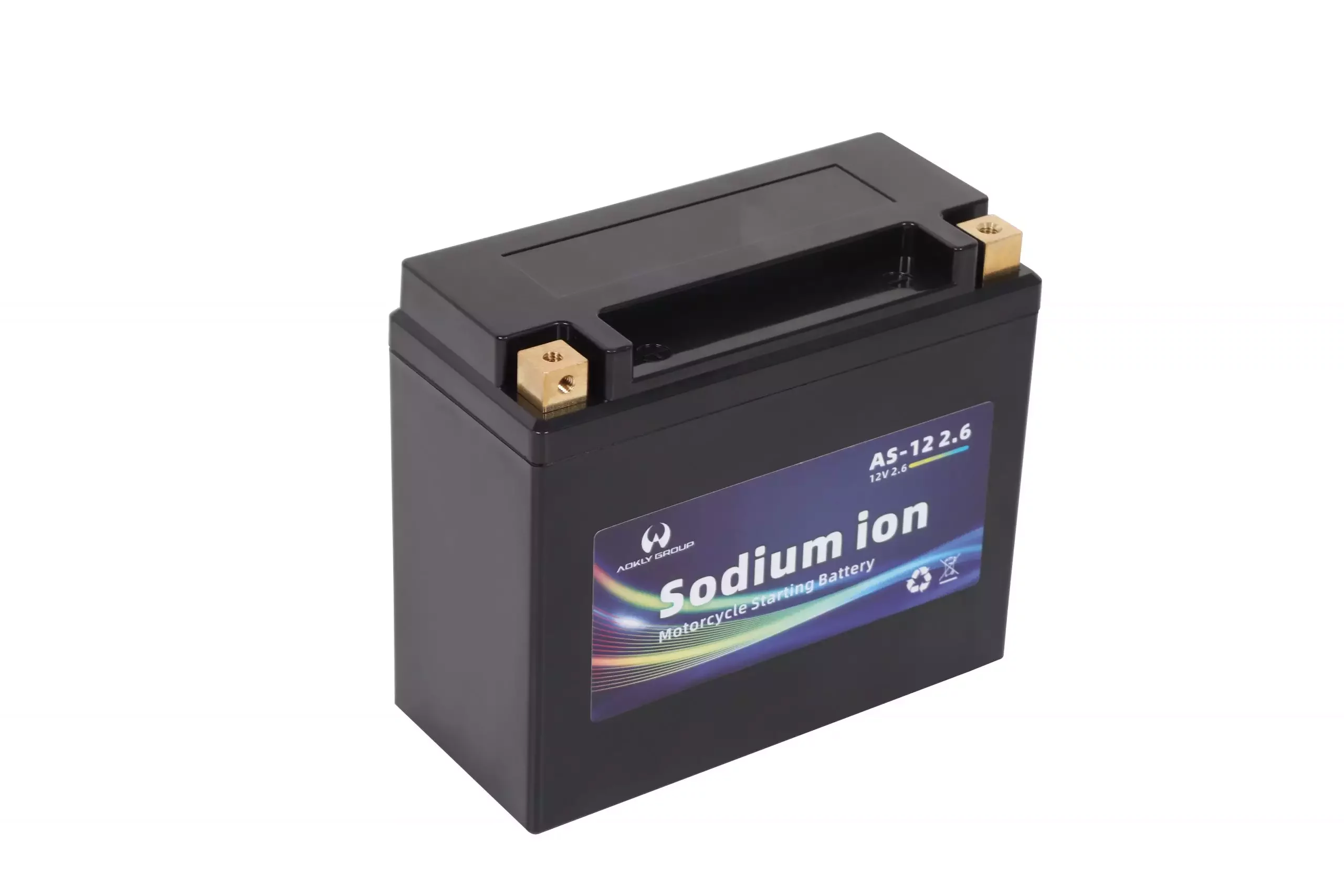
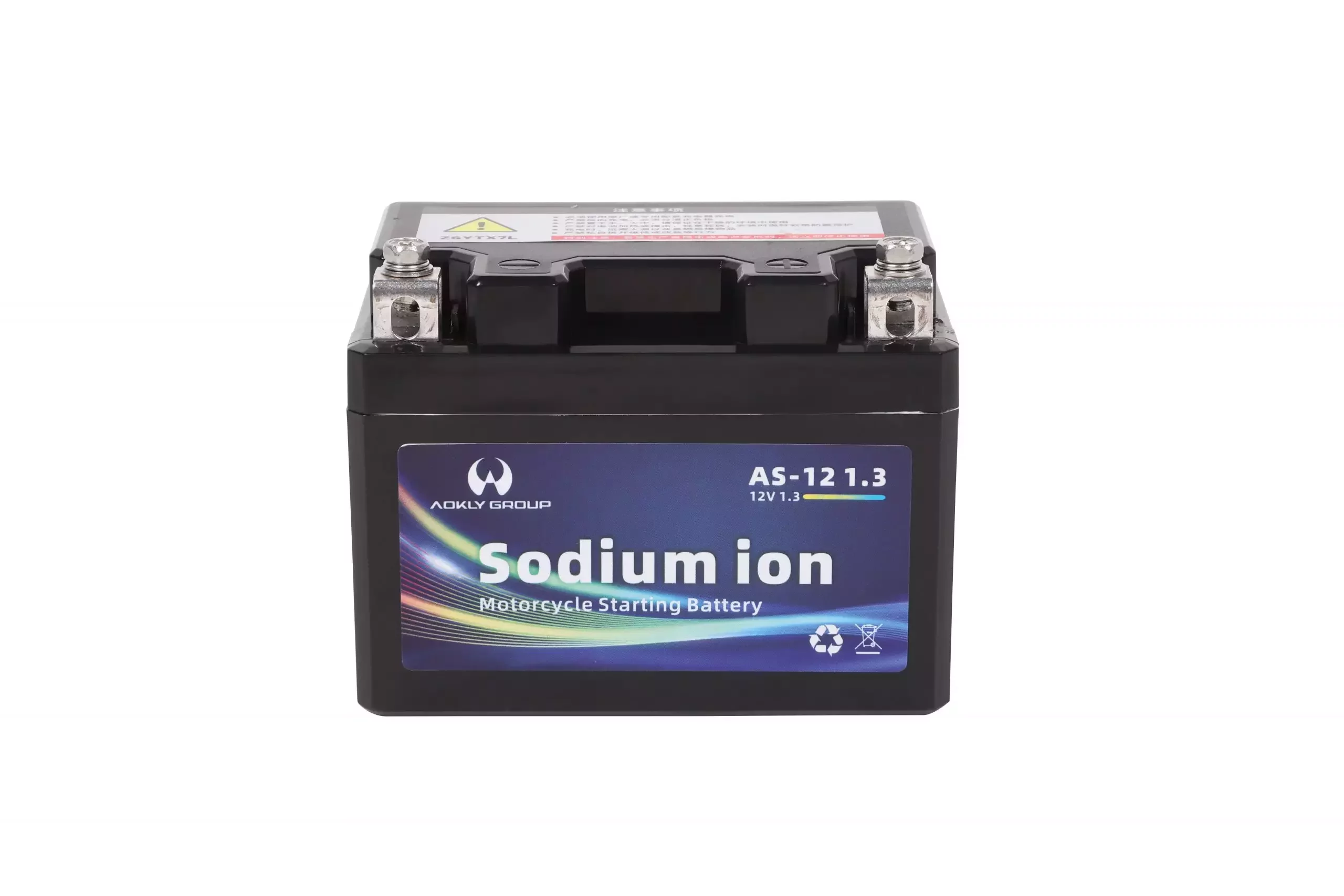
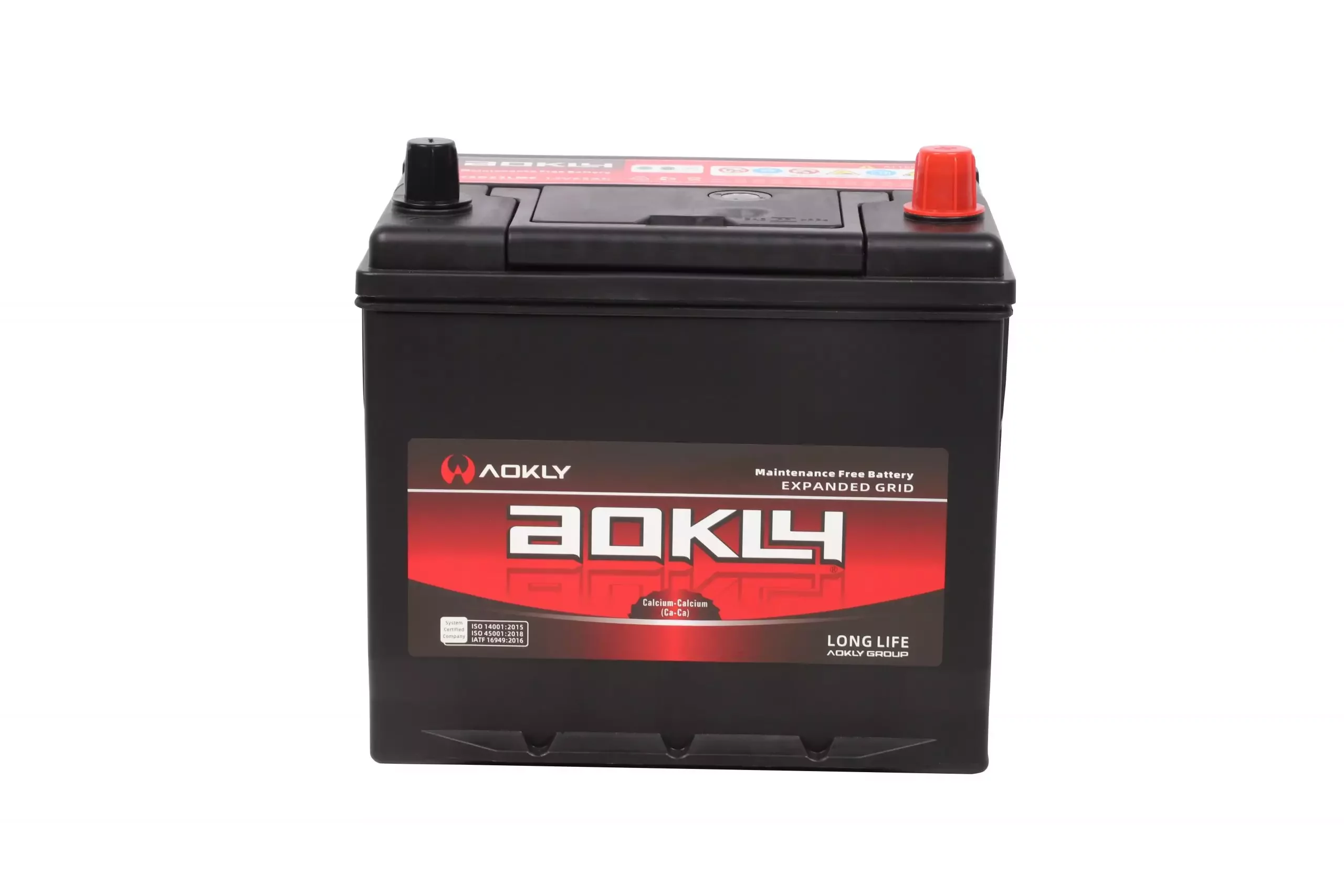
The transition to renewable energy and the increasing demand for energy storage solutions highlight the importance of battery technology. Lithium batteries and sodium batteries are two prominent options in the energy storage landscape. This article will compare these two technologies, emphasizing factors such as performance, cost, and safety, and will include insights into Aokly’s innovative solutions.
Performance Metrics
When evaluating energy storage options, performance is a crucial consideration. Lithium batteries, particularly those developed by Aokly, offer impressive capabilities. For example, Aokly’s 48V150AH All-Weather Lithium Battery operates efficiently in extreme temperatures, ensuring reliable performance even in harsh environments. It features a self-heating charging function that activates at temperatures as low as -20°C, with discharge rates maintaining up to 80%.
In comparison, sodium batteries show promise due to their abundance and lower cost. However, they typically lag in energy density, which is the amount of energy stored per unit volume or weight. Lithium batteries generally have a higher energy density, making them more suitable for applications requiring compact storage solutions. The longevity of lithium batteries, with a design life of over ten years, outpaces the current offerings in sodium technology.
Cost Considerations
Cost is a significant factor when selecting a battery technology, particularly for large-scale applications. Lithium batteries tend to have a higher initial manufacturing and purchasing cost compared to sodium batteries. However, as the market for lithium-ion technology continues to grow, the prices of lithium batteries have been gradually decreasing due to advances in production efficiency.
On the other hand, sodium batteries, made from abundant and inexpensive materials, promise lower upfront costs. Their potential for cost savings is attractive, especially for large-scale energy storage applications. Nevertheless, it is essential to consider the total cost of ownership. Lithium batteries generally last longer and require less maintenance. For Aokly’s lithium battery, users experience maintenance-free operation, yielding savings over time that can offset the initial investment.
Safety Features
Safety is paramount in energy storage solutions. Lithium batteries have made significant advances in safety features, with multiple built-in protection functions that enhance thermal and chemical stability. Aokly’s lithium batteries are designed to minimize risks associated with overheating or chemical leaks, making them a reliable choice for critical applications.
Conversely, sodium batteries, while generally considered stable, still face challenges related to thermal management and safety protocols. The development of sodium battery technology has not yet reached the advanced safety levels of lithium batteries. As energy storage applications become more integral to infrastructure and residential settings, the safety features of lithium batteries offer a distinct advantage.
Making the Right Choice for Energy Storage
When choosing between lithium batteries and sodium batteries for energy storage, several factors must be weighed, including performance, cost, and safety. Aokly’s lithium batteries exemplify the advantages of lithium-ion technology, offering superior performance, long life, and enhanced safety features.
While sodium batteries present an attractive and cost-effective alternative, they currently do not match the overall efficiency and reliability of lithium batteries. As technology evolves, ongoing research may improve sodium solutions, but for now, lithium batteries remain the preferred choice for most applications.
Choosing Lithium for Reliable Energy Storage
In conclusion, considering the critical factors of performance, cost, and safety, lithium batteries are generally the superior choice for energy storage needs. Aokly‘s commitment to high-quality lithium battery technology ensures that users benefit from advanced performance and reliability. As energy storage demands continue to grow, selecting the right battery technology will be vital for maximizing efficiency and safety in various applications.