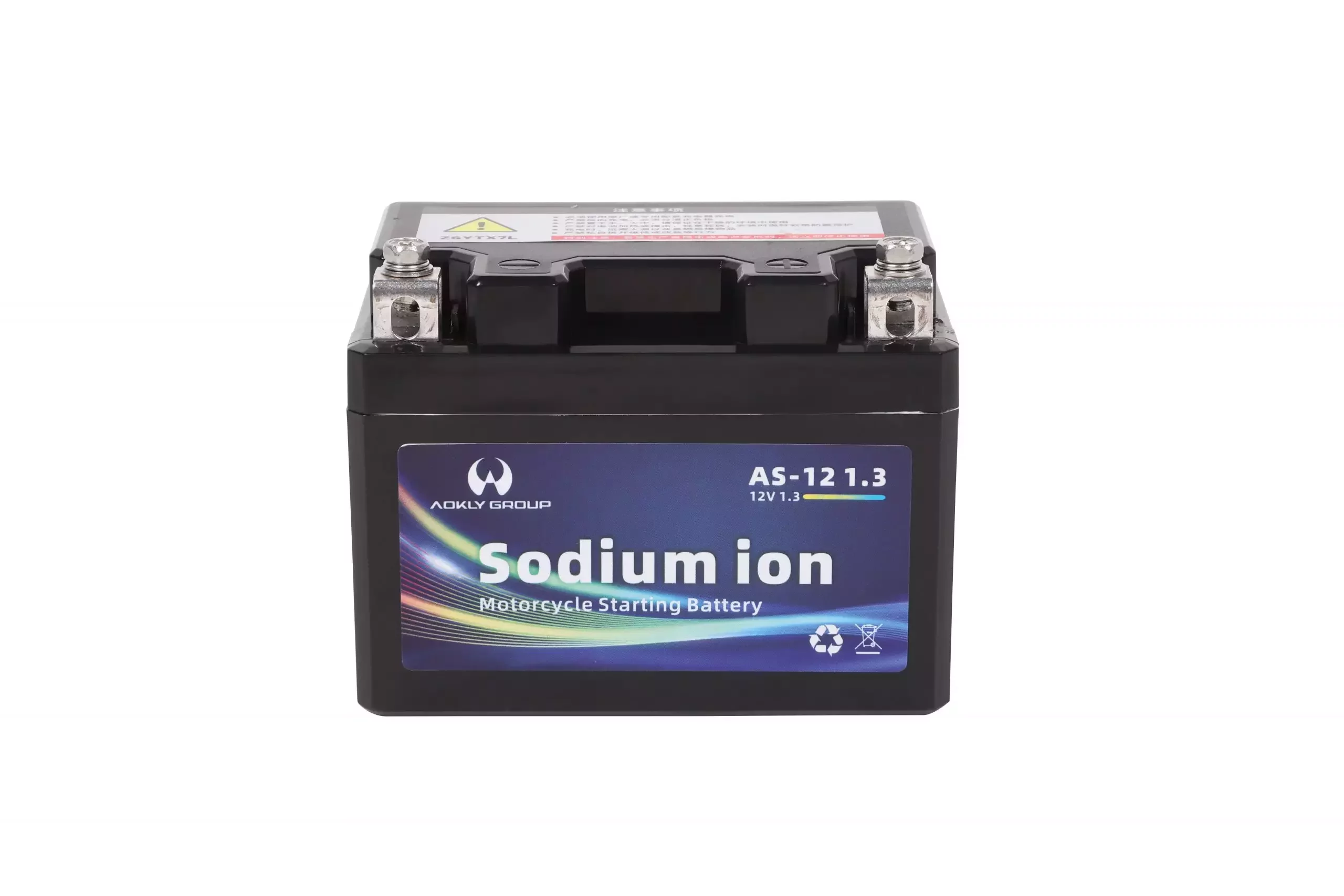
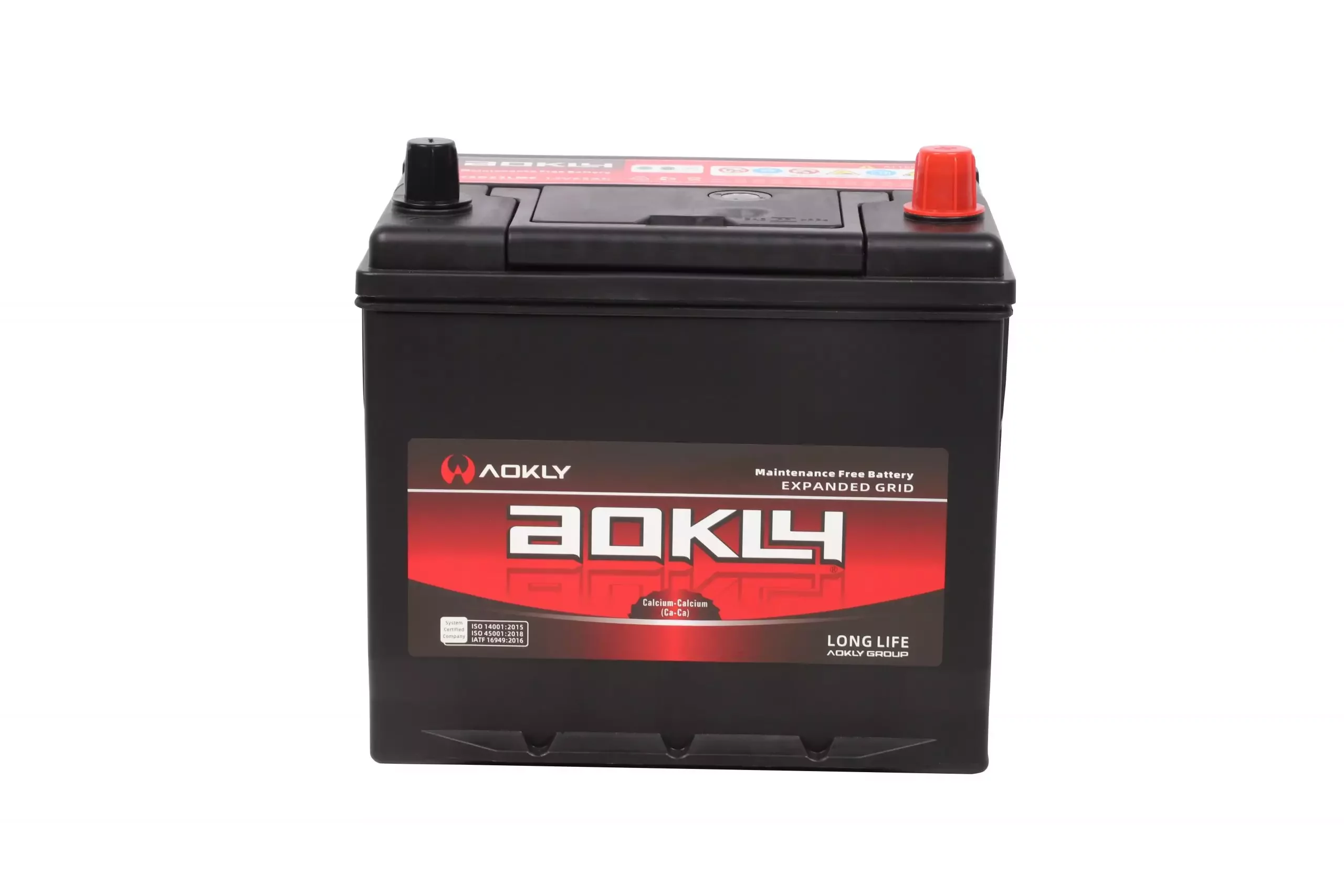
When planning UPS battery replacement, understanding different battery technologies is essential for system reliability and long-term maintenance. At Aokly, we focus on providing practical guidance so users can make informed decisions based on real operating conditions. A well-matched replacement battery supports stable backup time, predictable lifecycle performance, and safe operation across temperature variations. Because UPS systems protect critical equipment in data centers, hospitals, and communication networks, choosing the right technology for UPS battery replacement is not only about capacity, but also about structure, discharge characteristics, and sealing reliability.
Flooded vs AGM vs Lithium in UPS Systems
In traditional UPS battery replacement projects, flooded lead-acid batteries were widely used due to their cost structure and established manufacturing processes. However, they require regular maintenance and ventilation, which limits flexibility in indoor UPS environments. Valve-regulated lead-acid (VRLA) batteries, especially AGM types, address these limitations by offering sealed construction and lower maintenance requirements. AGM separators reduce internal resistance and support higher discharge rates, which is valuable during short-term power outages.
Lithium batteries are increasingly discussed in UPS battery replacement planning because of their lighter weight and higher energy density. Still, system compatibility, upfront investment, and battery management integration must be carefully evaluated. In many industrial and commercial scenarios, AGM-based VRLA batteries remain a practical and stable solution, balancing cost, safety, and operational predictability. Technology comparison should always consider actual load profiles, runtime requirements, and installation environment.
Technical Factors That Influence Replacement Performance
When evaluating UPS battery replacement options, several technical parameters deserve attention: nominal voltage, capacity range, self-discharge rate, internal resistance, and sealing structure. Our 6-FM-12 series reflects these practical considerations. It offers a nominal capacity from 4Ah to 20Ah and supports 6V or 12V configurations, making it suitable for various UPS designs. The long design life of 5 years at 25℃ provides predictable lifecycle planning under standard operating conditions.
The structure features a compact design and shorter internal connectors between cells, which help reduce internal resistance and support good high rate discharge performance. With self-discharge ≤3% per month and sealing reaction efficiency ≥99%, stable standby behavior can be maintained during storage or intermittent use. The improved AGM separator increases assembling pressure and contributes to cycle life, while high strength ABS casing (UL94-HB, optional UL94-V0) enhances safety performance. Double terminal sealing technology, combining mechanical structure and epoxy glue, further supports reliability in different operating temperature ranges from -20℃ to 60℃. These characteristics are directly relevant to real-world UPS battery replacement decisions.
Practical Considerations for System Compatibility
Another key aspect of UPS battery replacement is compatibility with existing UPS hardware. Plate design, terminal types, and internal resistance must align with charger settings and discharge profiles. Pasted flat plates provide consistent electrochemical reaction surfaces, while multiple terminal options allow easier integration into different cabinet structures. Before selecting a battery technology, it is important to verify charging voltage, float settings, and expected discharge duration to avoid mismatch.
For facilities managers, maintenance teams, and system integrators, comparing technologies means balancing lifecycle cost, installation environment, and operational stability. While lithium solutions may suit certain high-density installations, AGM-based designs remain widely used in many infrastructure projects due to their mature technology and straightforward deployment.
Conclusion
Comparing technologies for UPS battery replacement requires a balanced evaluation of maintenance needs, structural design, discharge performance, and system compatibility. At Aokly, we approach UPS battery replacement from a practical engineering perspective, combining stable AGM technology with thoughtful structural design to meet real operating demands. By understanding how flooded, AGM, and lithium technologies differ, users can select a replacement solution that aligns with runtime expectations, safety standards, and long-term operational planning.