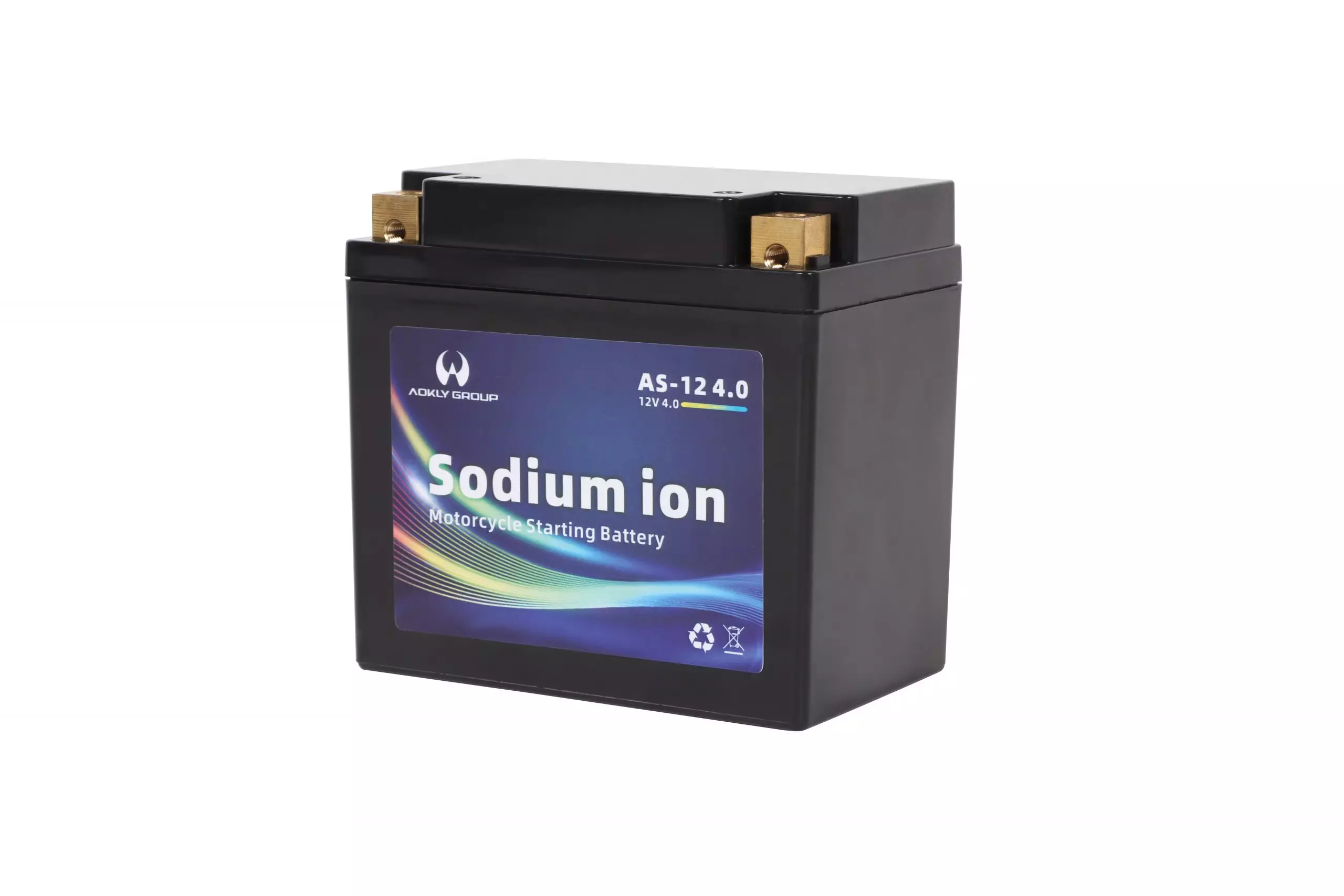
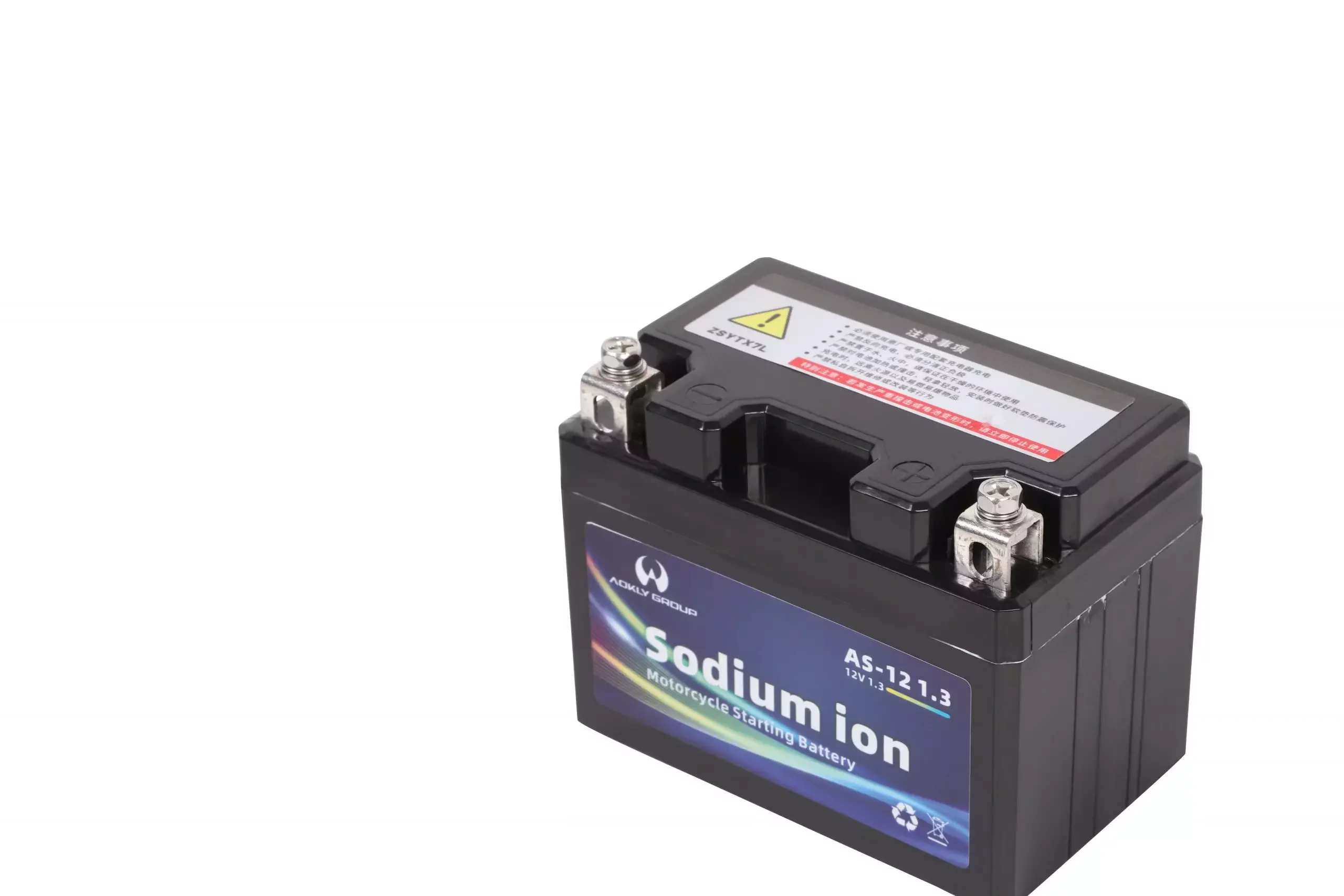
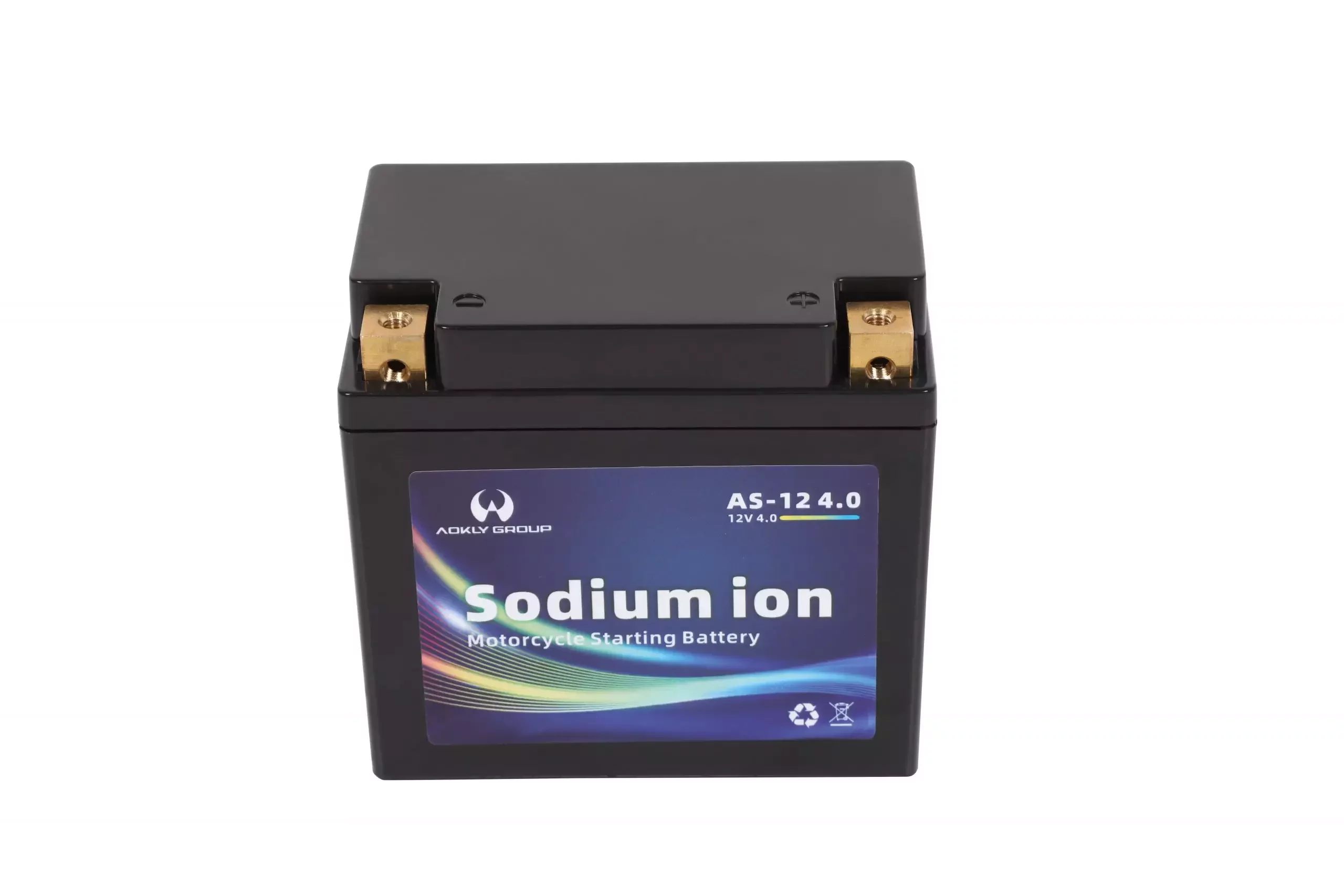
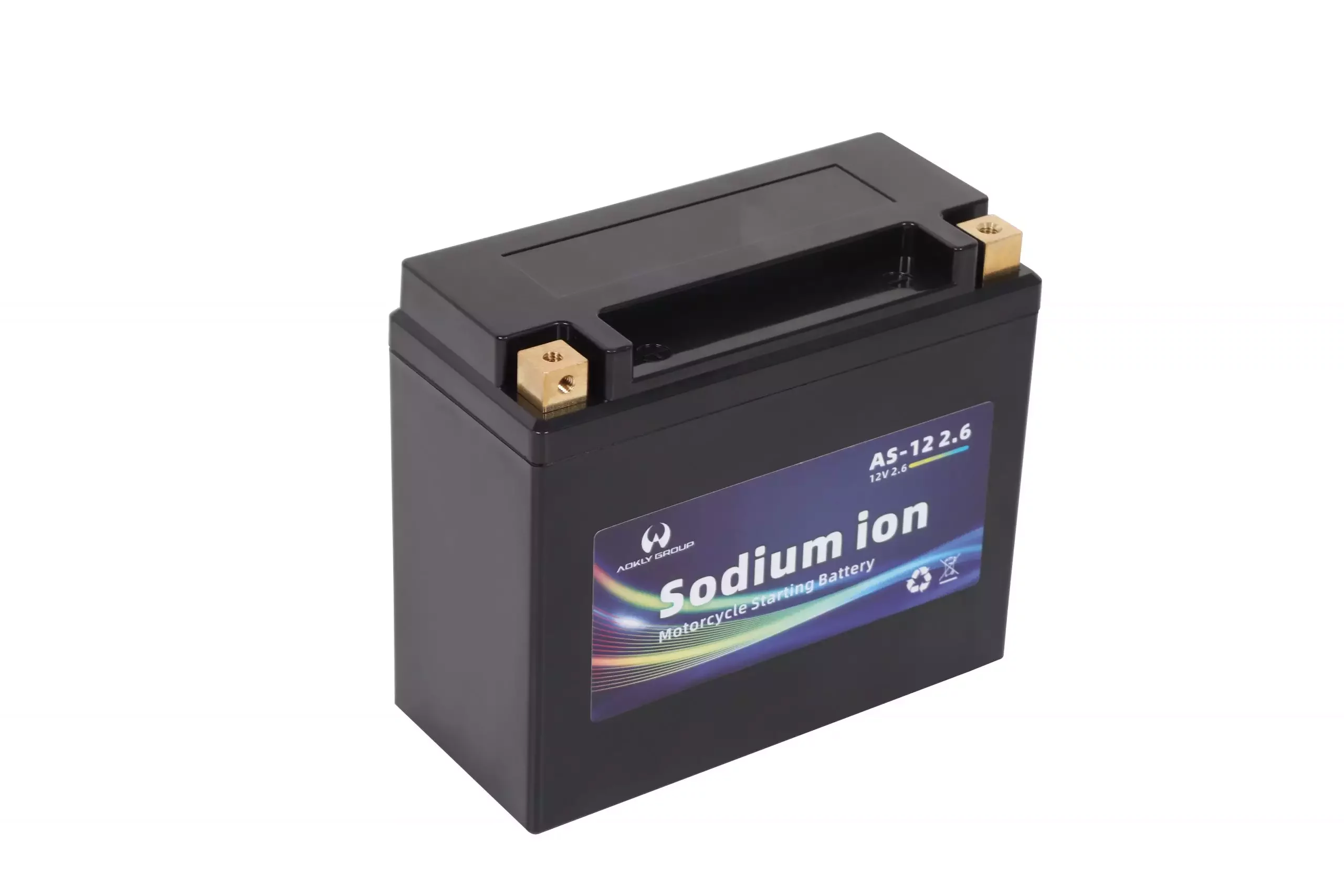
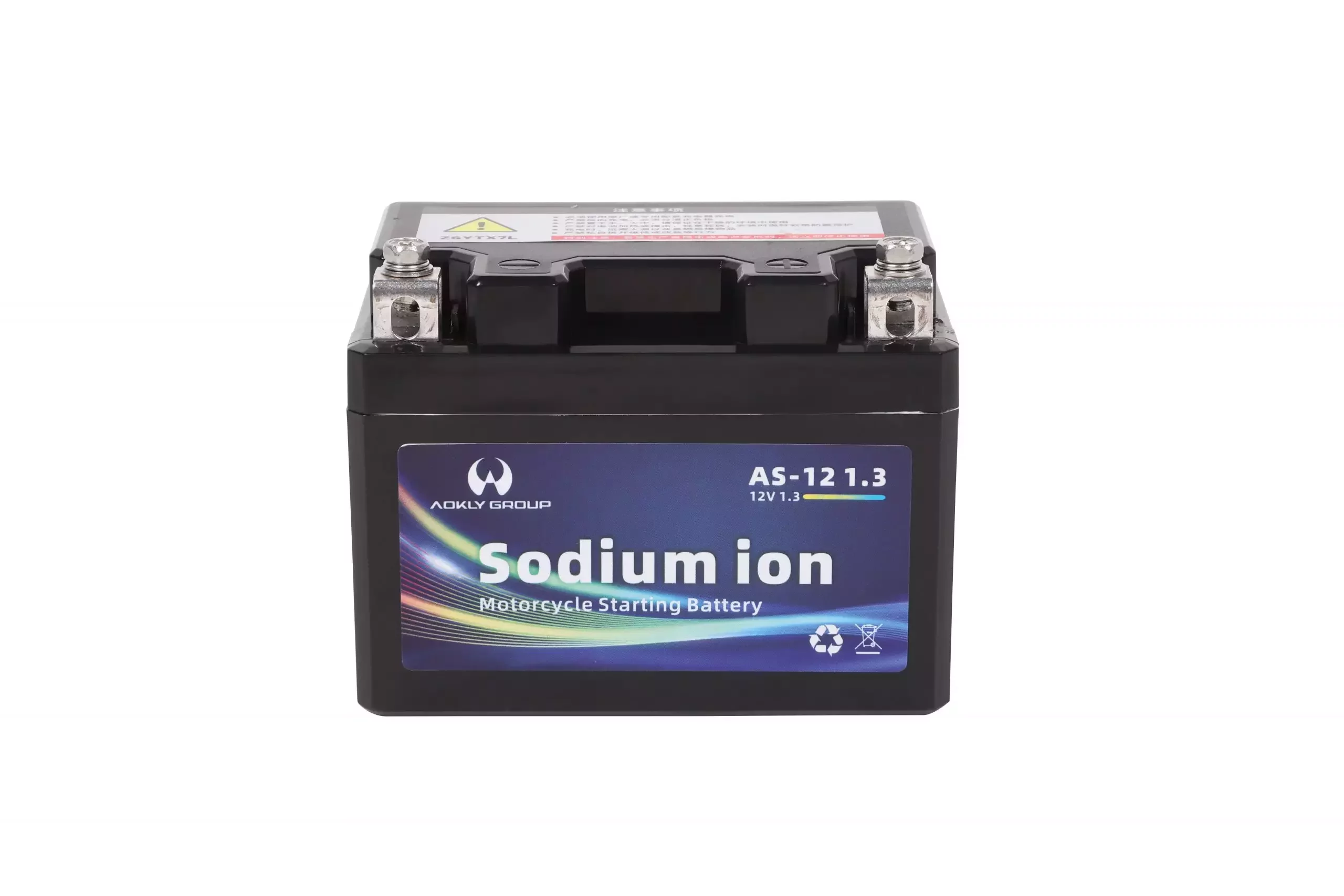
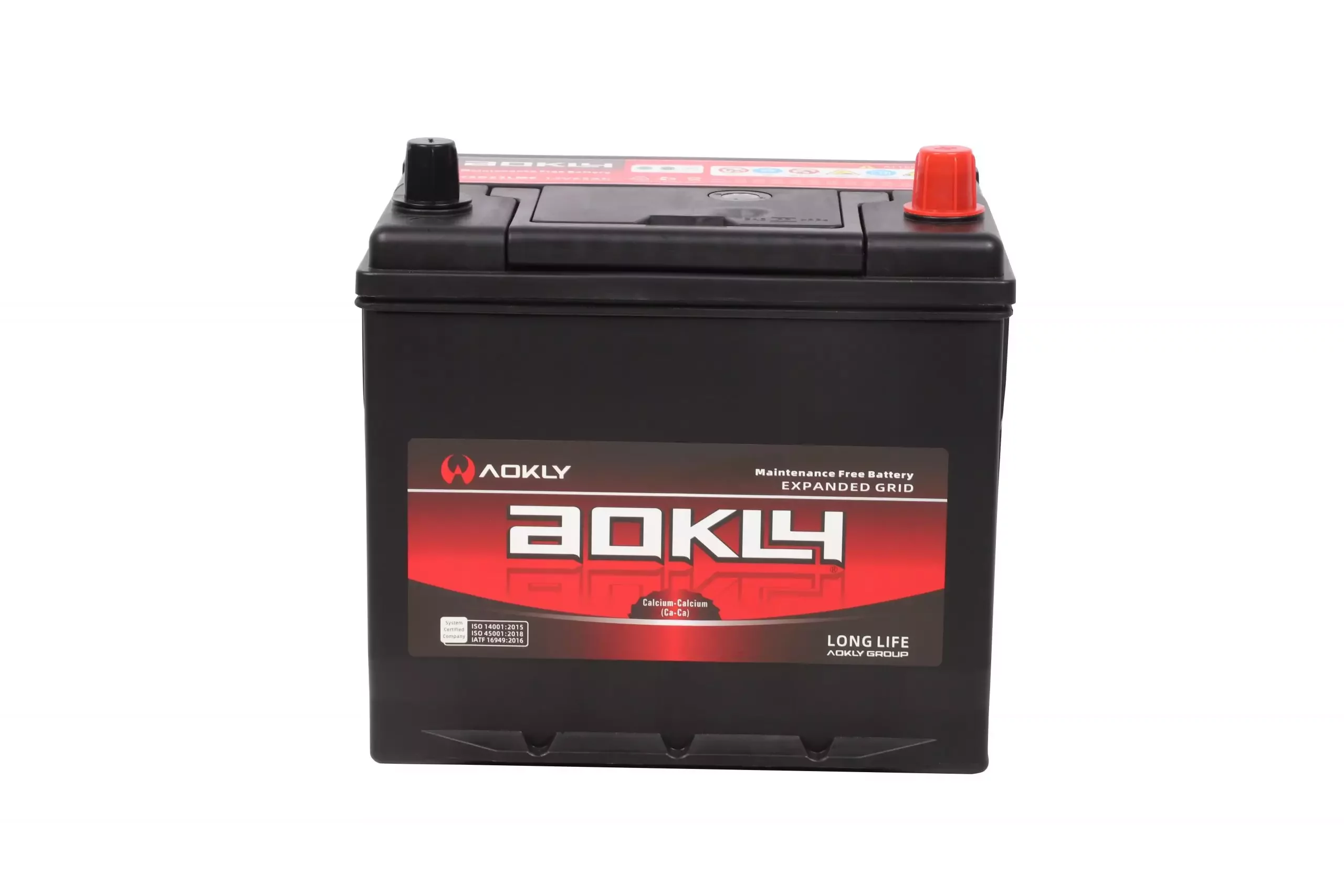
Reliable power continuity is not optional in healthcare facilities. When grid instability, storms, or unexpected outages occur, medical equipment must keep running without interruption. As Aokly, we understand how critical a dependable UPS battery is in hospital emergency power systems. From operating rooms to intensive care units, backup power supports ventilators, monitoring systems, imaging equipment, and data storage. A properly configured system is not only about electricity; it is about patient safety, treatment continuity, and regulatory compliance. In this context, selecting and maintaining the right battery solution becomes a key technical decision for hospital facility managers.
Why UPS Battery Reliability Matters in Medical Environments
A hospital emergency power system typically integrates generators with a battery-based UPS to bridge the gap between outage and generator startup. The UPS battery plays the immediate response role, delivering stable voltage within milliseconds. In medical settings, even short interruptions can affect sensitive diagnostic equipment or digital records. For this reason, we design solutions that emphasize stable discharge behavior, controlled self-discharge, and consistent sealing performance.
In healthcare applications, temperature fluctuation and long standby periods are common. A battery used in such environments must maintain structural stability and predictable service life. Our engineering approach focuses on compact internal structures with shorter connectors between cells, reducing internal resistance and supporting efficient high-rate discharge. This technical foundation helps hospitals maintain smoother transitions during sudden power events without unnecessary system stress.
Technical Considerations for Hospital UPS Systems
When hospitals evaluate a UPS battery, they usually consider voltage compatibility, expected backup duration, installation space, and environmental conditions. Our 6-FM-5 series is developed to match these practical requirements. It offers a nominal capacity range of 4Ah to 20Ah and nominal voltage options of 6V and 12V, supporting flexible system configurations. With a design life of five years at 25°C and a self-discharge rate of ≤3% per month, the product aligns with long-term standby expectations in medical facilities.
To improve operational consistency, we adopt an enhanced AGM separator that lowers internal resistance while increasing assembly pressure, which contributes to longer cycle life. The pasted flat plate structure supports stable performance, and high sealing reaction efficiency of ≥99% helps reduce gas emissions during operation. The casing uses high-strength ABS material (UL94-HB, with UL94-V0 optional), and a double terminal sealing method combining mechanical structure and epoxy glue enhances safety. For hospitals with varied installation needs, two or more terminal types are available, while the operating temperature range from -20℃ to 60℃ accommodates different equipment rooms and regional climates. Through these structural and material choices, Aokly aims to ensure that each UPS battery functions steadily within hospital emergency systems.
Maintenance and System Integration Practices
Beyond product selection, effective management of a UPS battery system in hospitals requires routine inspection, temperature control, and periodic load testing. Ventilation, clean installation environments, and correct charging parameters contribute to predictable service life. Our company supports integration planning by focusing on compatibility with common medical UPS configurations, ensuring that the battery bank operates within recommended voltage and current limits. By combining careful system design with structured maintenance schedules, healthcare facilities can reduce unexpected downtime risks and maintain compliance with safety standards.
Conclusion
Hospital emergency power systems depend on fast, stable, and consistent backup support. A properly specified UPS battery ensures immediate energy supply before generators stabilize, protecting critical medical operations. Through structural optimization, controlled self-discharge, and reliable sealing technology, Aokly provides solutions such as the 6-FM-5 series to support healthcare power continuity. By integrating suitable battery design with disciplined maintenance practices, hospitals can strengthen the resilience of their emergency infrastructure while safeguarding patient care.