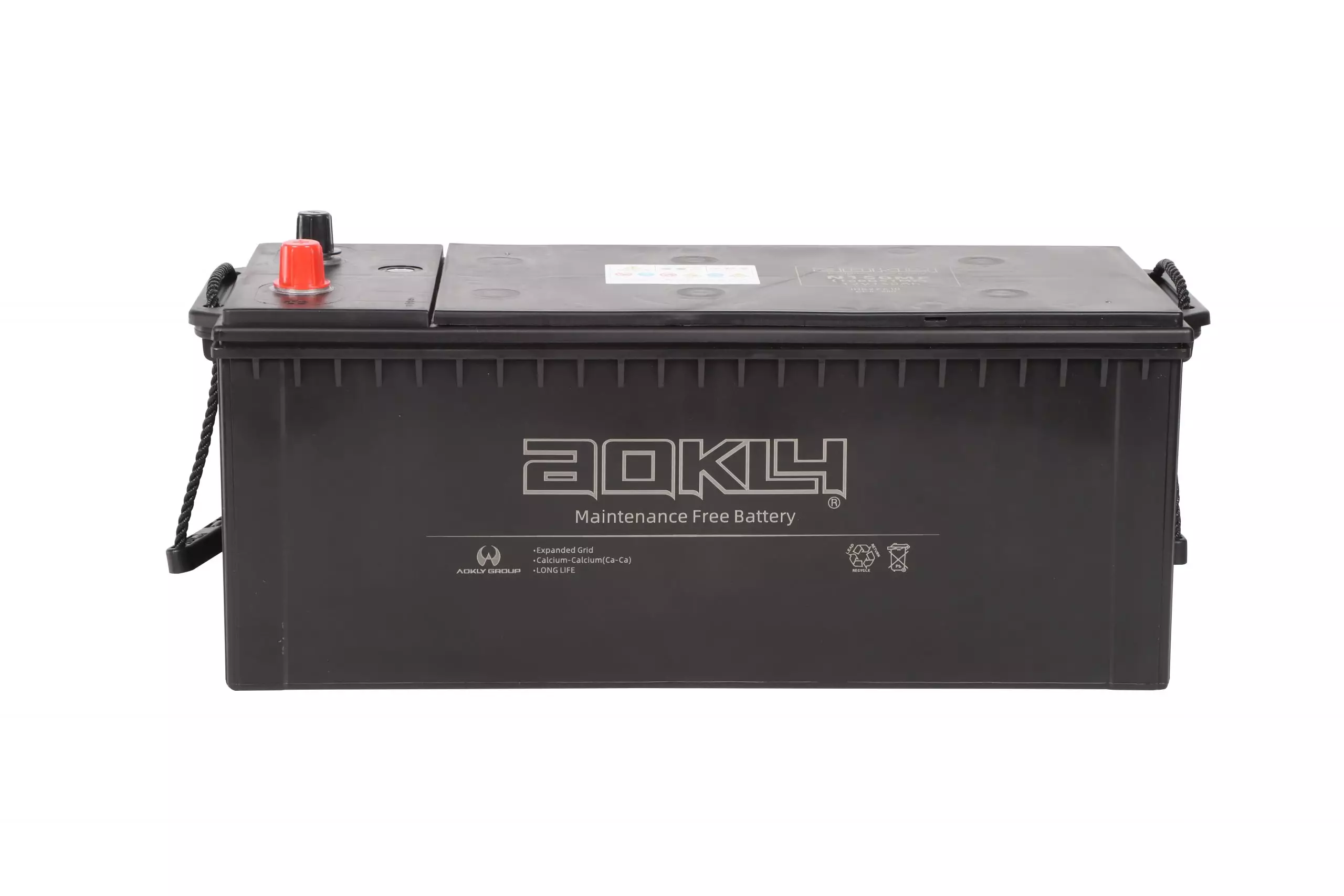
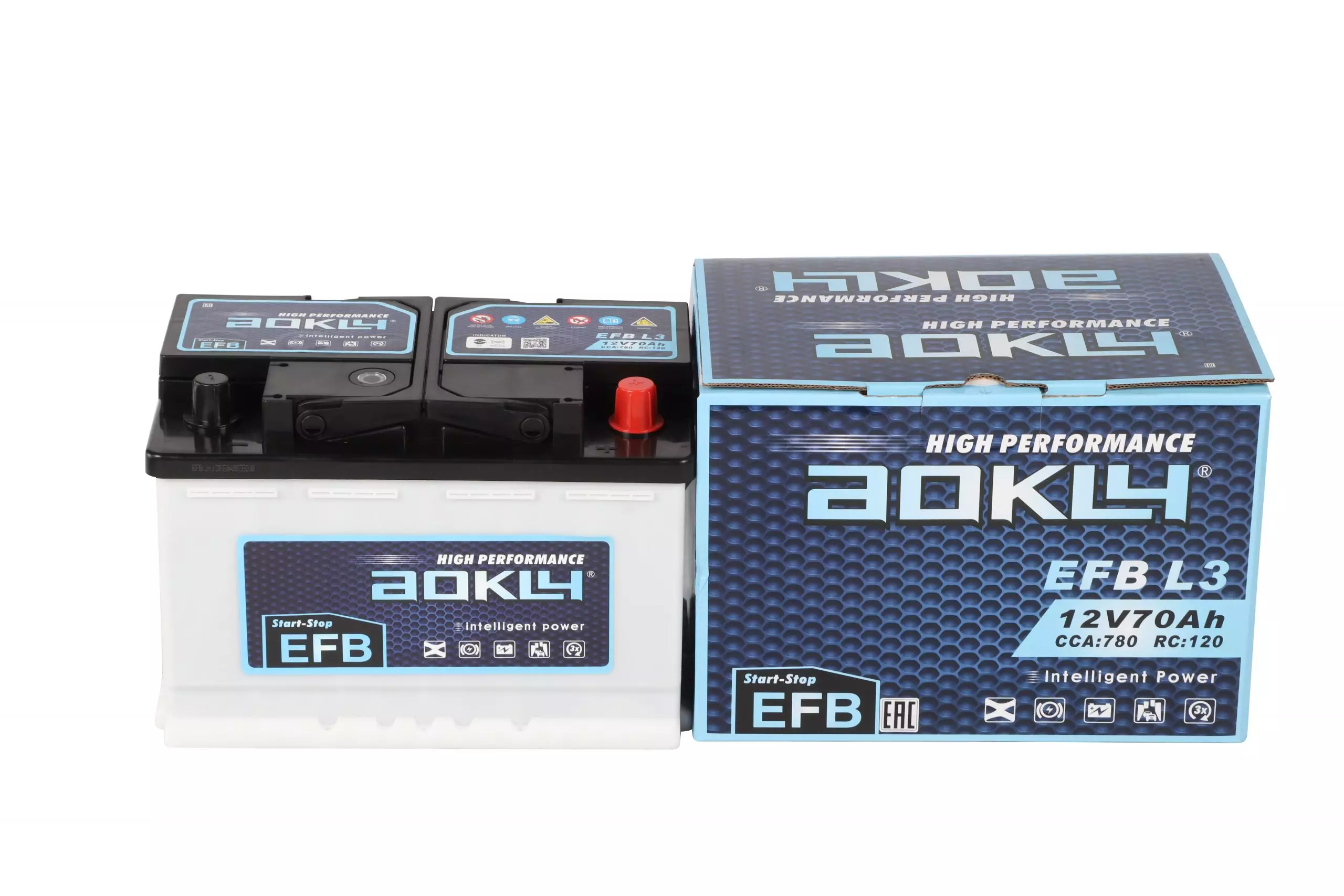
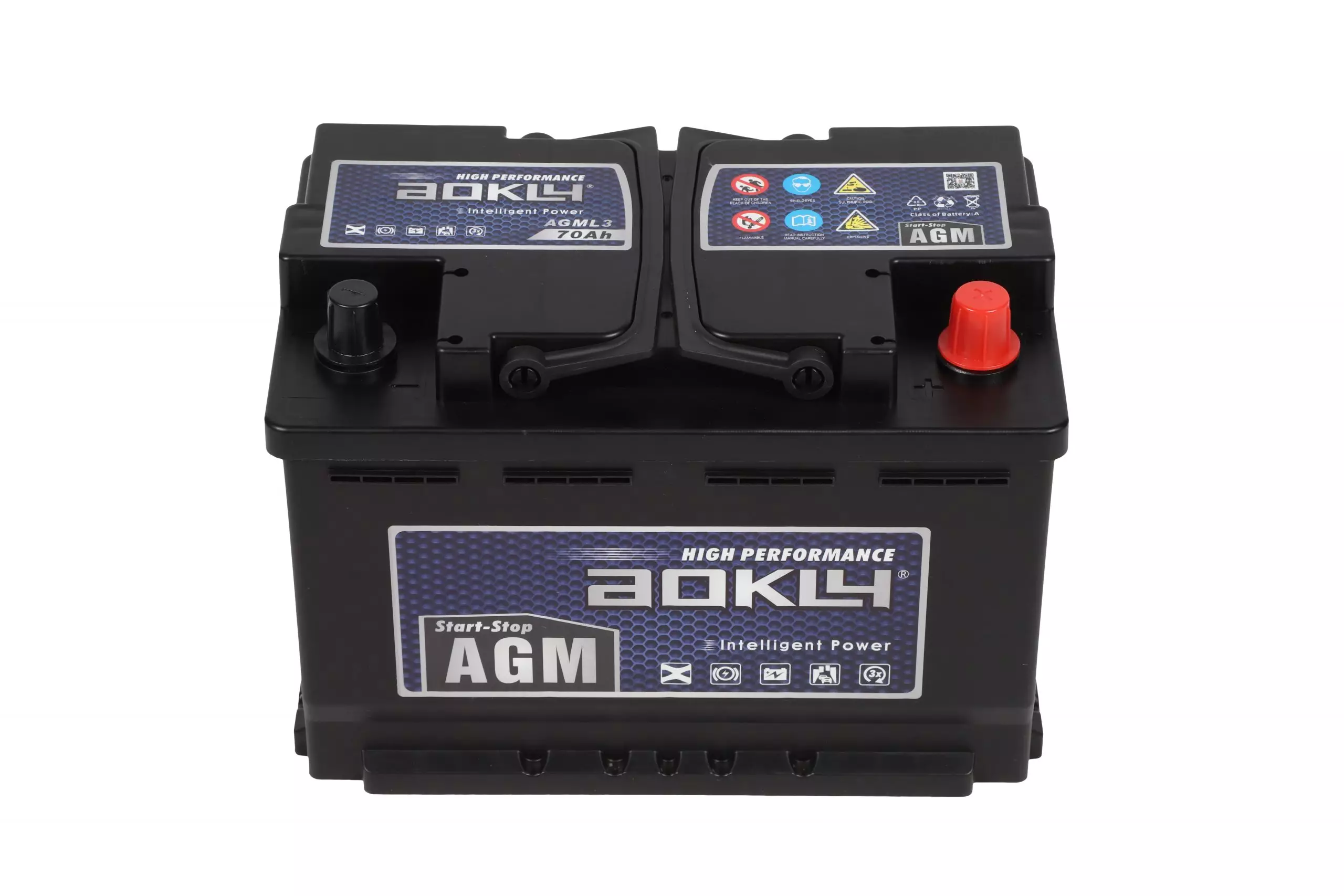
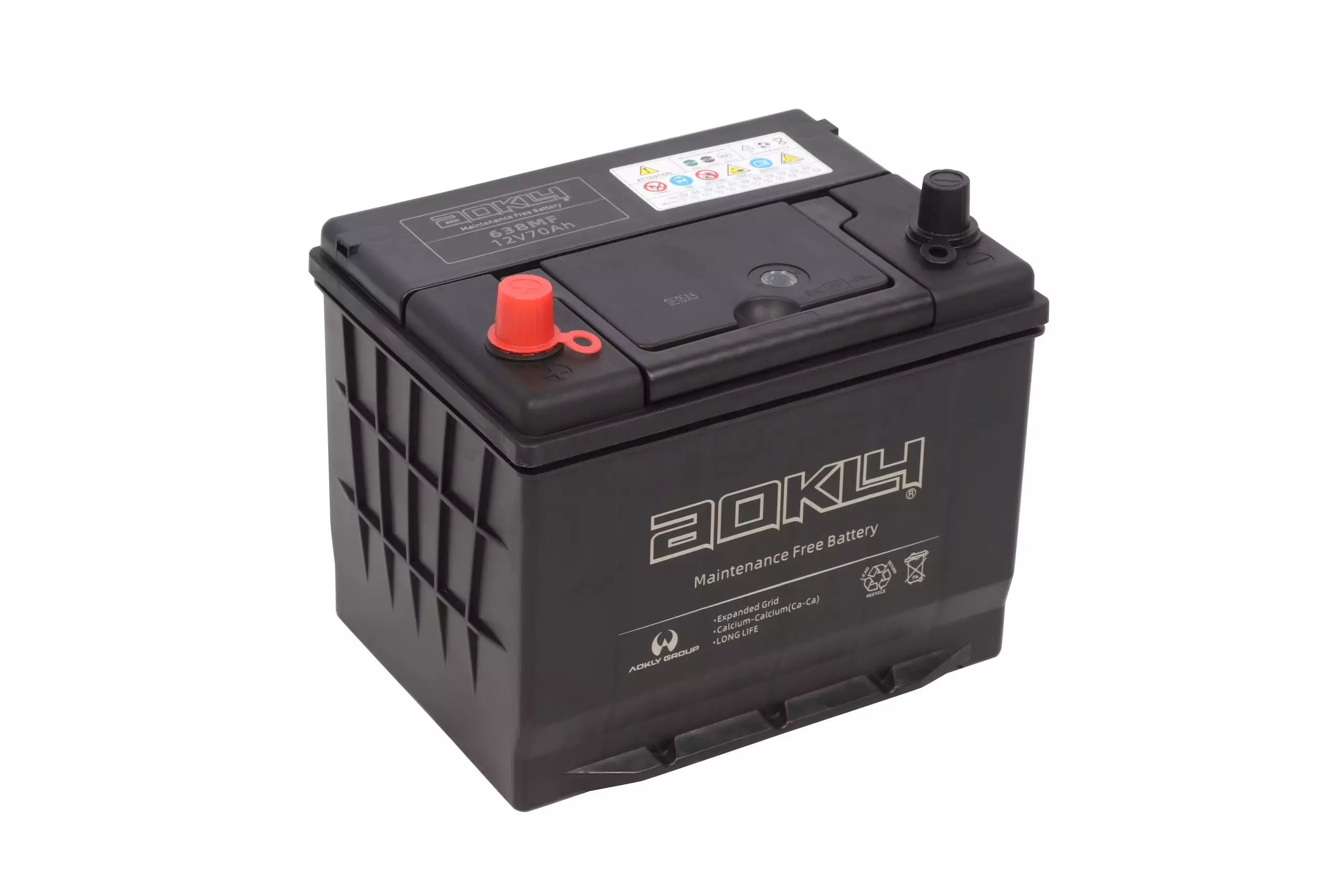
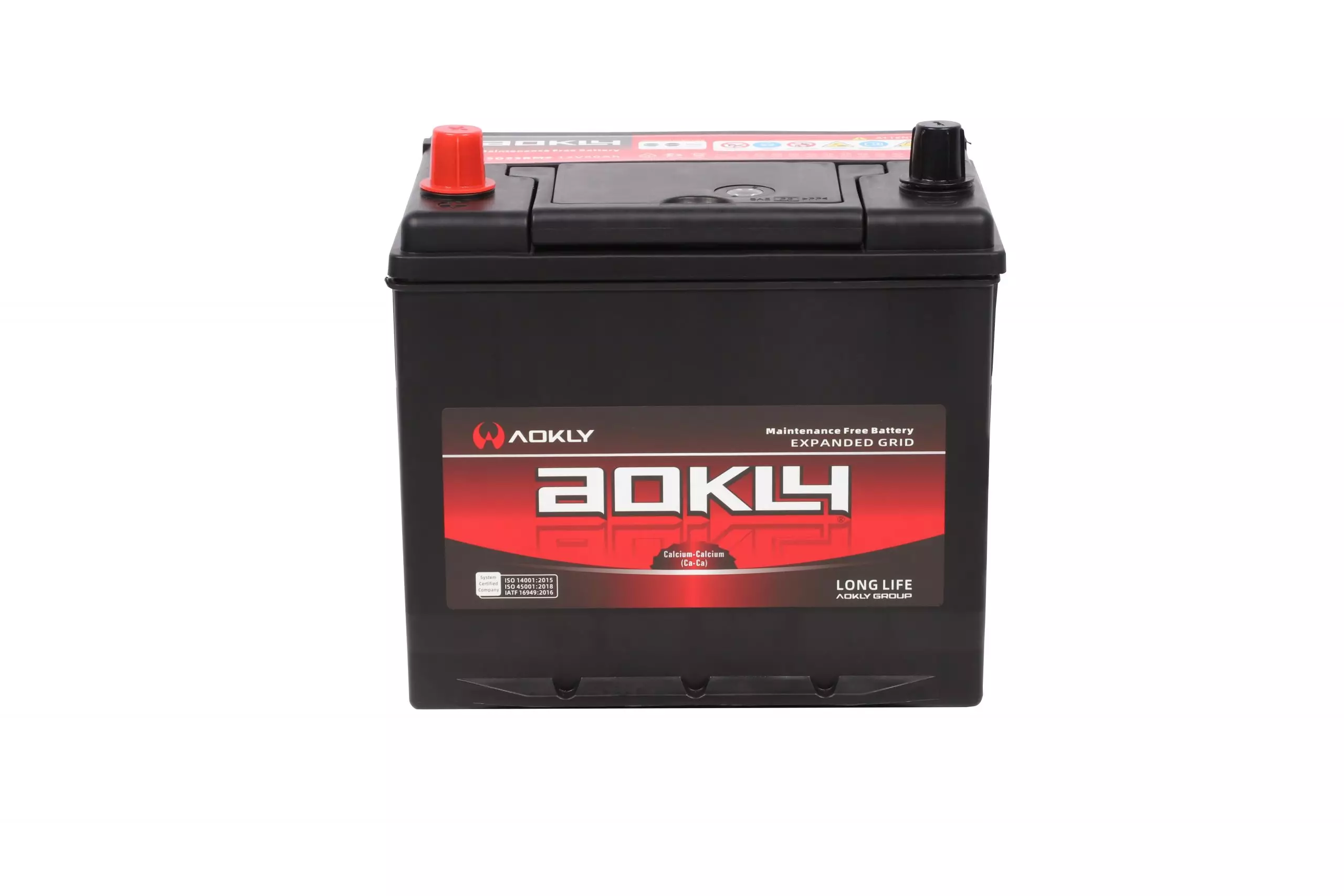
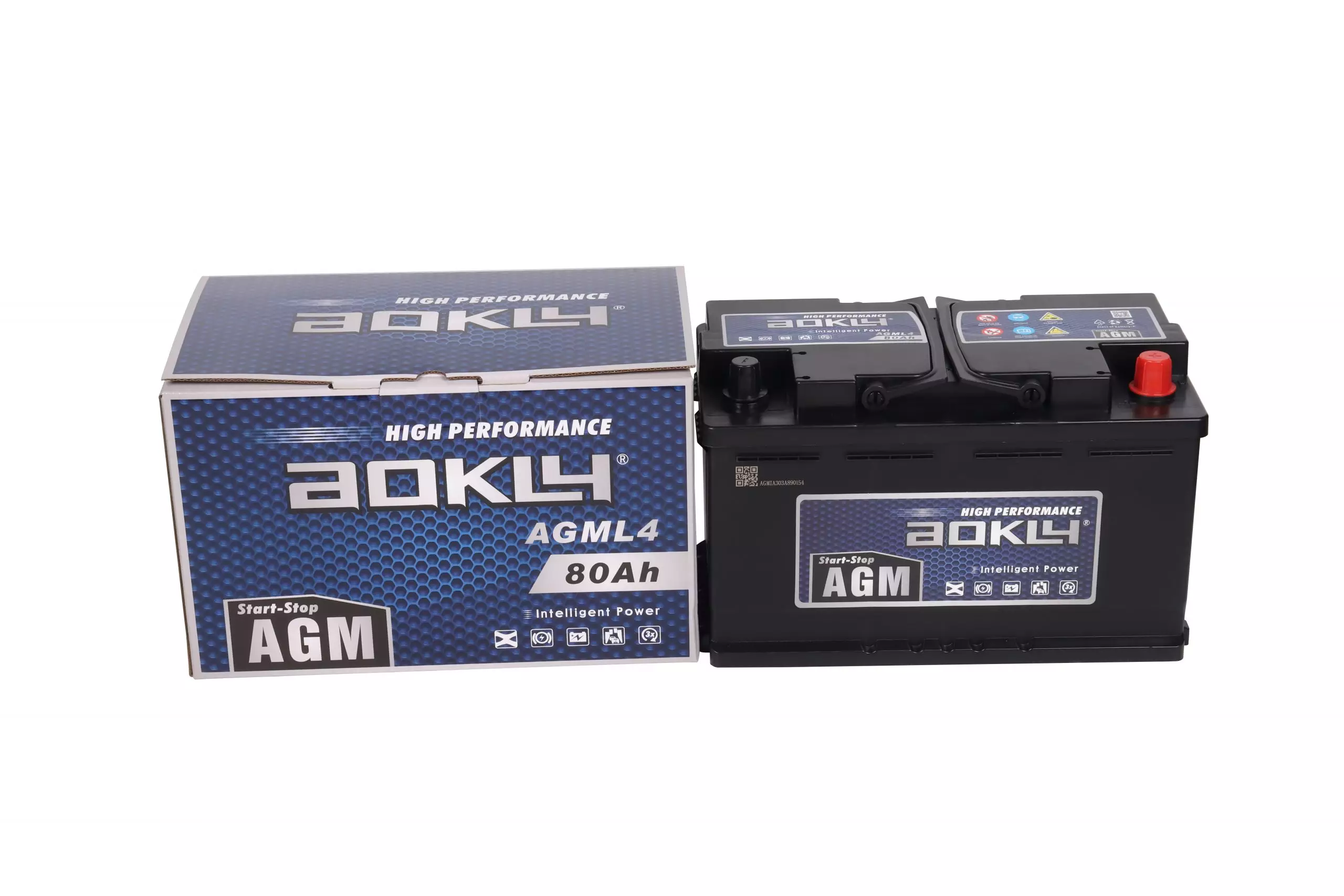
Professional rechargeable batteries are widely used in transportation, energy storage, and industrial systems, but users often ask whether they truly justify their investment. At Aokly, we have worked with different battery chemistries and application scenarios for many years, and we understand that performance must always be evaluated from a practical perspective. When discussing reliability, lifecycle value, and charging efficiency, the conversation naturally connects to solutions such as Aokly Battery, which are designed for real operating conditions rather than laboratory assumptions. In this review, we share an honest look at the advantages and limitations of professional rechargeable batteries, especially in demanding transportation environments.

Practical Advantages in Transportation and Industrial Use
One clear advantage of professional rechargeable batteries is energy efficiency over repeated cycles. Compared with disposable options, lithium and sodium-based systems can provide stable output with controlled degradation when properly managed. In our Transportation Solutions, we apply lithium battery technology for vehicles, marine vessels, and railway systems, where fast charging and consistent discharge curves are essential for operational planning. A well-designed Aokly Battery can support efficient operation while reducing frequent maintenance interruptions.
Another important benefit lies in adaptability. Professional rechargeable batteries can be configured to match voltage, capacity, and safety requirements across different platforms. In marine or rail applications, stable energy supply contributes to smoother system integration. At the same time, we continue improving battery structure and management systems at Aokly to ensure that energy delivery remains predictable under variable load conditions. This approach helps transportation operators evaluate performance not only by capacity, but also by long-term reliability.
Realistic Limitations and Considerations
Despite their strengths, professional rechargeable batteries are not without trade-offs. Initial investment costs are usually higher than conventional alternatives, particularly for lithium-based systems with advanced battery management technology. For some users, infrastructure upgrades may also be required to support high-rate charging. When evaluating an Aokly Battery, it is important to consider total lifecycle cost rather than focusing solely on upfront expense.
Temperature sensitivity is another factor. Extreme environmental conditions can influence charge efficiency and long-term stability. For transportation fleets operating across diverse climates, careful system design becomes necessary. At Aokly, we address this challenge by aligning material selection and structural engineering with application requirements. However, no rechargeable solution eliminates all environmental constraints, and understanding these limits helps customers make informed decisions rather than relying on simplified expectations.
Conclusion: Balanced Performance for Long-Term Value
Professional rechargeable batteries offer measurable advantages in energy efficiency, rechargeability, and operational continuity, particularly in transportation systems. At the same time, factors such as cost structure, charging infrastructure, and environmental conditions must be evaluated carefully. Through our Transportation Solutions, Aokly integrates lithium and sodium battery technologies to support vehicles, marine vessels, and railway systems with stable energy and reduced maintenance demands. By assessing both the benefits and limitations of an Aokly battery, users can determine whether professional rechargeable batteries align with their operational goals and long-term planning strategies.