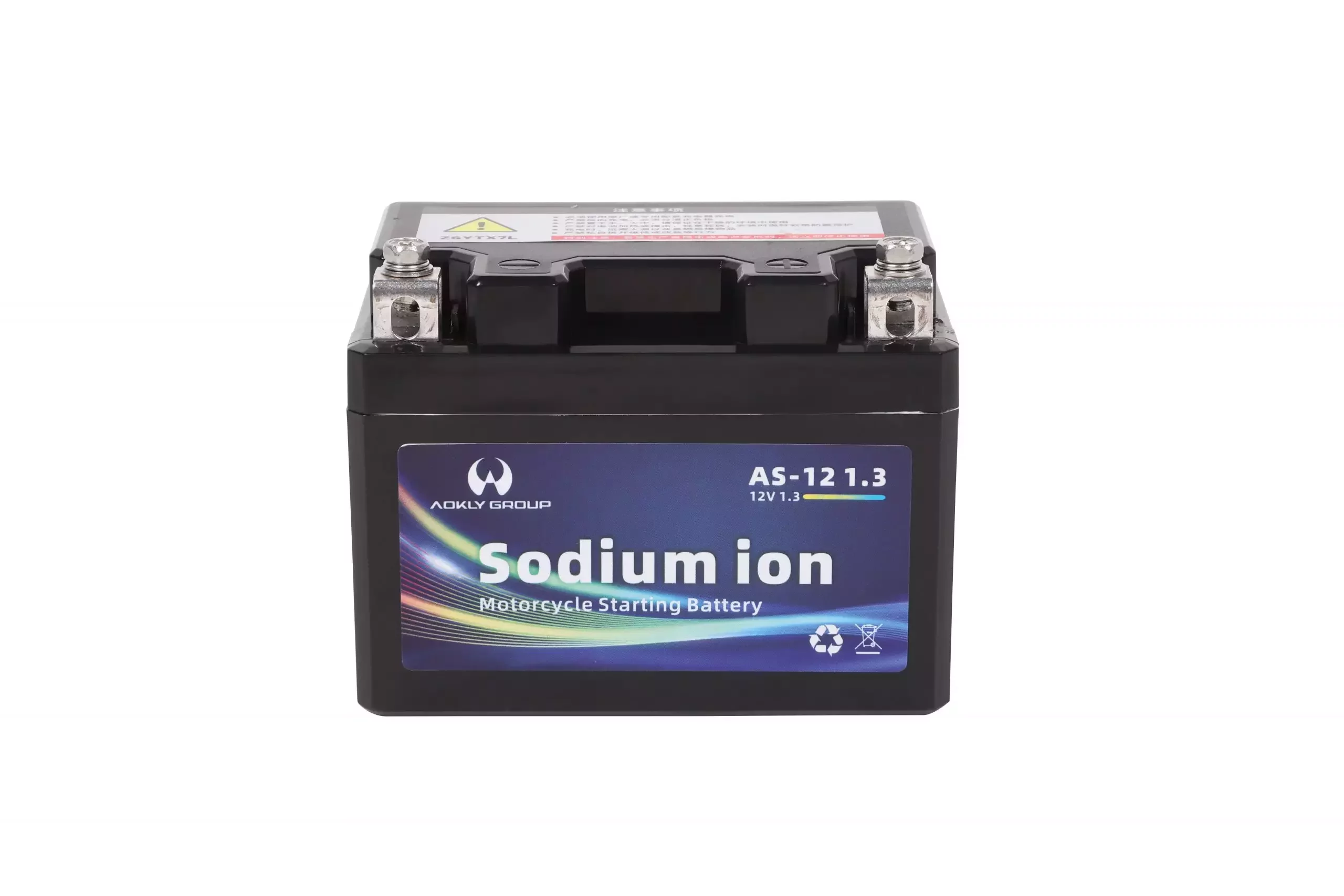
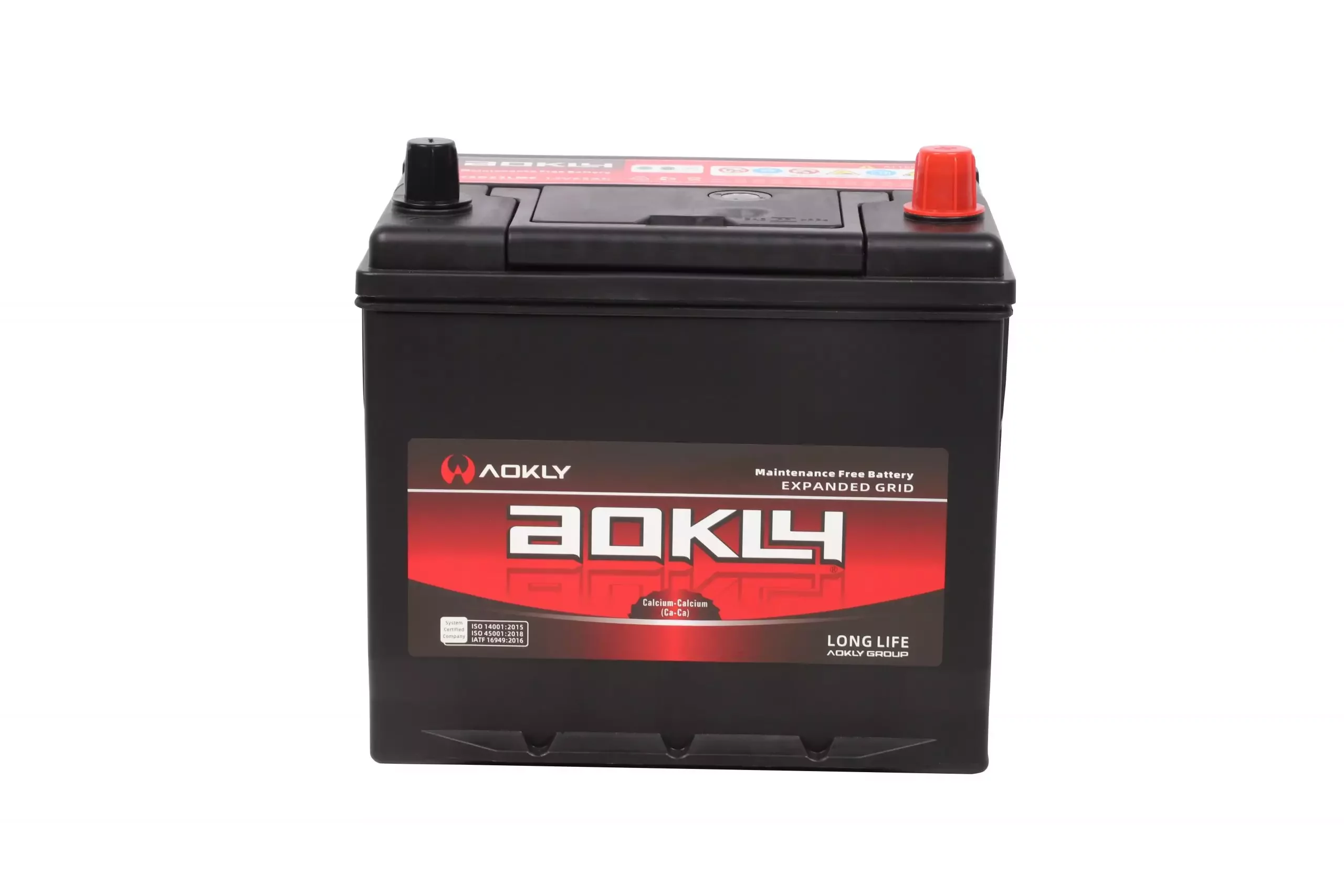
In many northern regions, energy storage systems face a common challenge: extreme cold. At Aokly, we have seen how temperature fluctuations directly affect charging efficiency, discharge stability, and overall battery lifespan. As a professional sodium battery manufacturer, we focus on improving chemical stability and system design so that energy storage remains reliable even when winter conditions are harsh. Understanding why sodium-based solutions perform differently in cold climates helps users make more informed decisions for off-grid systems, industrial backup power, and renewable energy storage.
Cold Climate Performance and Thermal Stability
Low temperatures slow down electrochemical reactions, which often reduces capacity and discharge rates in traditional battery chemistries. As a sodium battery manufacturer, we work with materials that offer stronger thermal and chemical stability under sub-zero conditions. Compared with conventional lead-acid systems, sodium batteries maintain more consistent internal resistance levels, helping reduce performance loss in freezing environments.
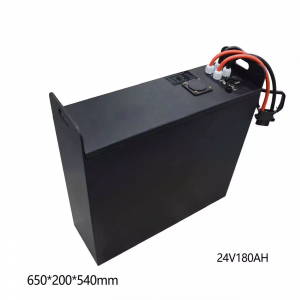
Our 24V180AH ALL-WEATHER BATTERY is designed to work safely and efficiently in certain high and low temperature environments. When temperatures drop to -20°C, its self-heating charging function supports stable energy intake, and the discharge rate can still reach up to 80%. This characteristic is especially important for cold-climate users who depend on uninterrupted power supply for remote facilities or outdoor installations. Through careful system integration, we aim to ensure that cold weather does not become a limiting factor for energy reliability.
Maintenance, Safety, and Environmental Considerations
Cold climates often make regular battery maintenance more difficult. As a sodium battery manufacturer, we prioritize maintenance-free designs to reduce operational burden. Our system requires no daily maintenance work or related costs, which supports long-term deployment in remote or low-access locations.
Safety is another key factor in low-temperature applications. Our ULTRASAFE structure incorporates multiple built-in protection functions and enhanced chemical stability, improving reliability under varying thermal conditions. With a design life of 10 years and a lifespan more than three times longer than typical lead-acid batteries, the 24V180AH solution is structured for long-term service. In addition, lower internal resistance contributes to higher efficiency and less energy consumption. Reduced carbon footprint, no hazardous fumes, and no acid spill risks further align sodium technology with environmentally responsible operation. At Aokly, we integrate these features carefully so that performance improvements remain practical rather than theoretical.
Conclusion: Why Sodium Battery Technology Fits Cold Regions
Cold climates demand energy systems that can tolerate low temperatures without severe capacity loss, excessive maintenance, or safety concerns. By operating as a responsible sodium battery manufacturer, we focus on stable chemistry, thermal adaptability, and efficient system design. Our 24V180AH ALL-WEATHER BATTERY reflects these principles through self-heating charging at -20°C, maintenance-free operation, long service life, and reduced environmental impact.
At Aokly, we believe sodium battery technology provides a balanced approach for cold-region energy storage, combining durability, efficiency, and safety. For users seeking dependable performance in freezing environments, understanding the advantages of sodium-based systems helps clarify why this chemistry is increasingly considered for cold-climate applications.