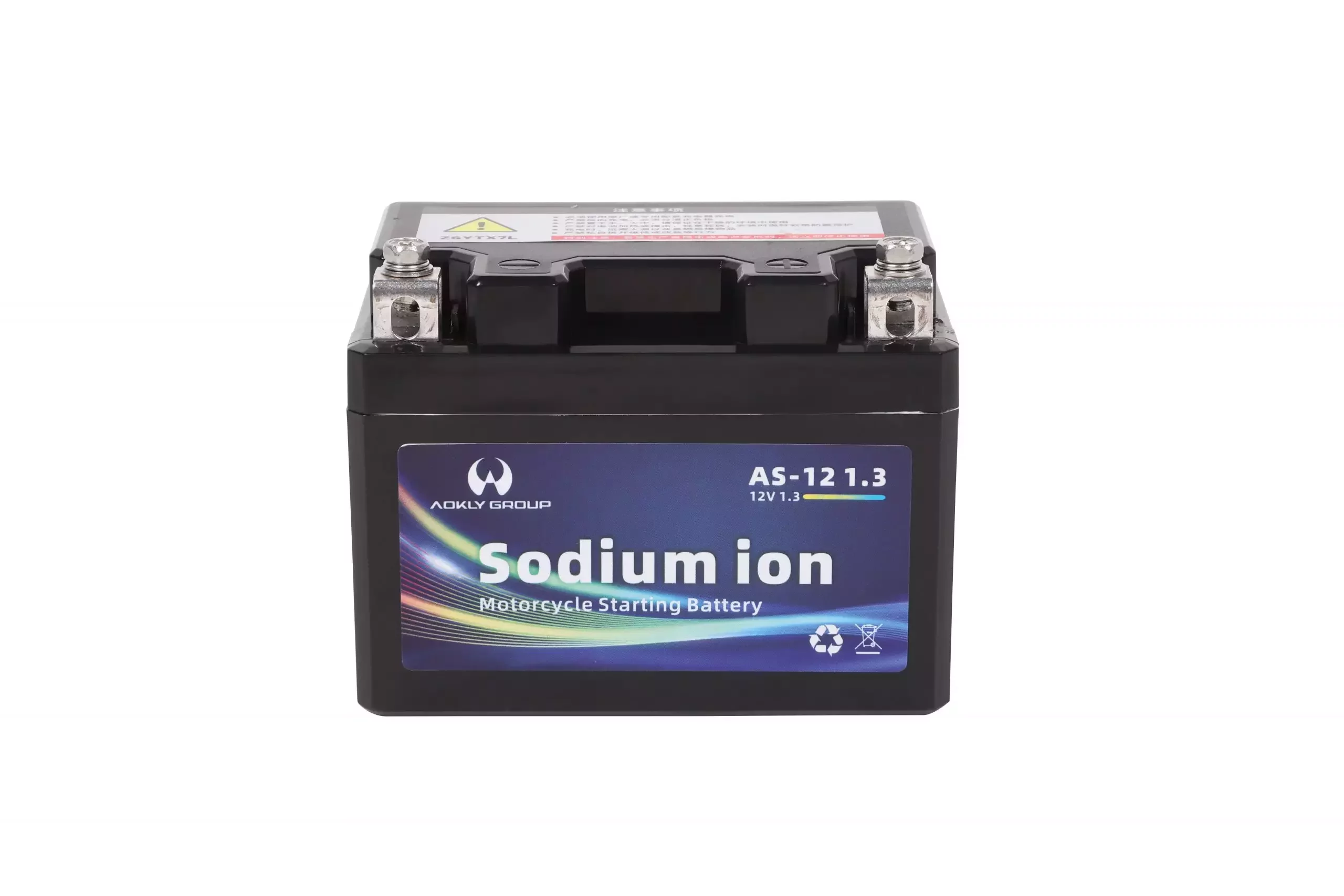
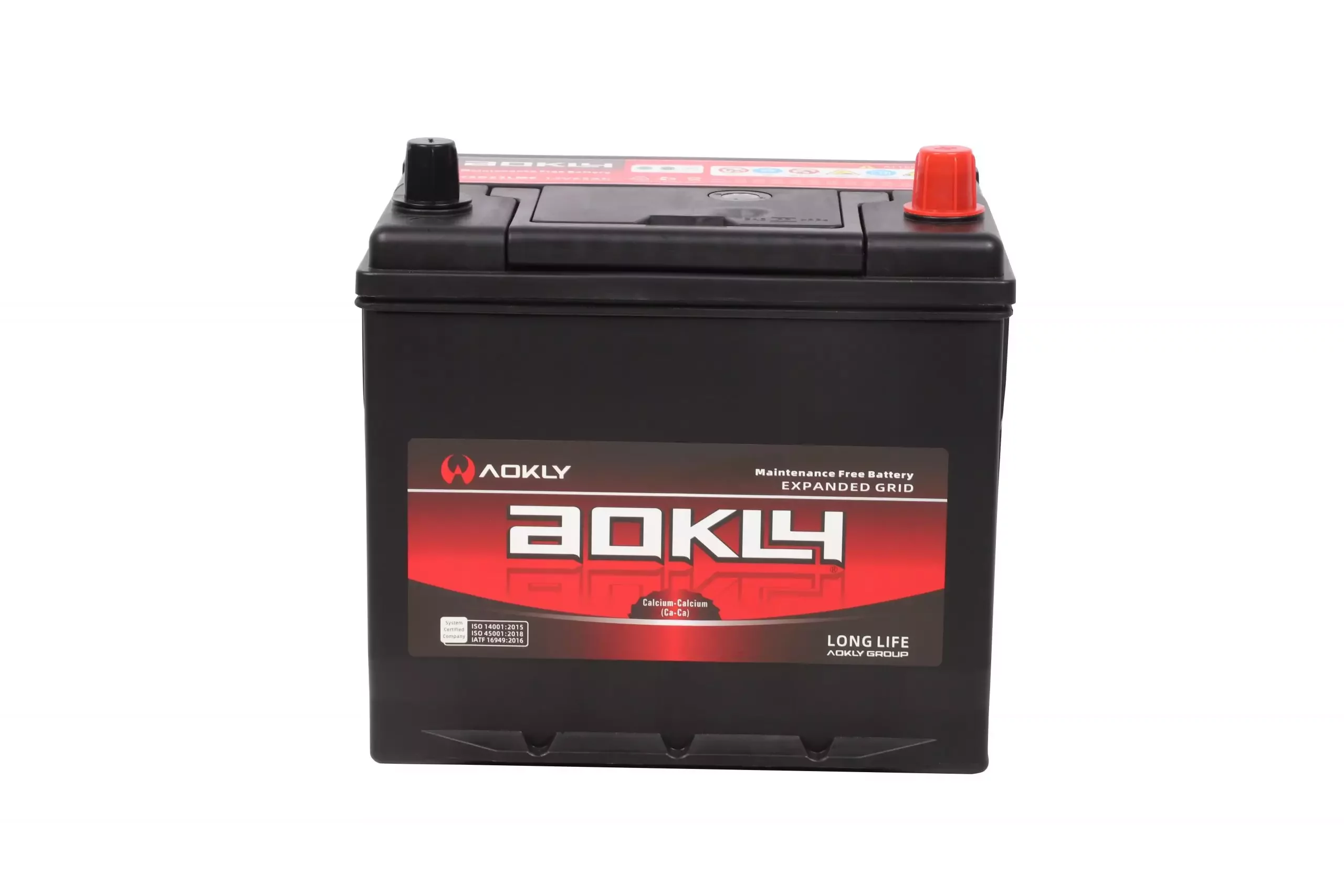
When evaluating energy storage solutions, many users begin with a sealed lead acid battery because it has long been used in backup power and mobility systems. At Aokly, we often discuss how this familiar technology compares with lithium-based alternatives in real working conditions. Rather than focusing only on chemistry, we believe a practical comparison chart should examine safety, lifecycle, temperature adaptability, maintenance needs, and environmental impact. Through this lens, users can better understand where each solution fits and why application context matters more than labels.
Performance and Lifecycle Comparison
A comparison chart between a sealed lead acid battery and lithium solutions typically highlights cycle life, discharge depth, and efficiency. Traditional sealed designs are valued for stable voltage output and straightforward integration into UPS and telecom systems. However, lithium systems generally provide longer design life and higher usable capacity per cycle.
In our product portfolio at Aokly, the 48V150AH battery is designed with a 10-year service life and offers more than three times the lifetime commonly associated with conventional lead-acid systems. With low internal resistance and high efficiency, it supports reduced energy loss during operation. While a sealed lead acid battery can serve reliably in standby scenarios, lithium alternatives often deliver improved long-term energy utilization where deep cycling is frequent.
Safety, Maintenance, and Environmental Considerations
Safety and maintenance are central points in any battery comparison chart. A sealed lead acid battery is known for its sealed structure, which helps prevent electrolyte leakage and reduces routine servicing compared with flooded types. At the same time, modern lithium batteries are designed with enhanced thermal and chemical stability, supported by multiple built-in protection functions.
Our 48V150AH solution integrates ultrasafe structural design and does not require daily maintenance work, helping users lower operating costs over time. In addition, lithium technology can reduce carbon footprint through higher efficiency and the absence of hazardous fumes or acid spills. At Aokly, we approach sustainability by evaluating how battery chemistry affects not only performance but also environmental responsibility throughout the product lifecycle.
Temperature Adaptability and Application Scenarios
Temperature performance often distinguishes a sealed lead acid battery from lithium-based systems. Lead-acid chemistry may experience capacity reduction in extreme cold, while some lithium solutions incorporate self-heating mechanisms to address this limitation.
Our 48V150AH ALL-WEATHER BATTERY is engineered to work safely and efficiently in certain high and low temperature environments. When temperatures reach -20°C, charging can activate a self-heating function, and discharge rates can remain up to 80%. Such adaptability supports applications in outdoor energy storage, telecom infrastructure, and mobility systems exposed to variable climates. Within the broader energy landscape, Aokly continues to align battery selection with real operating environments rather than theoretical specifications.
Conclusion: Choosing the Right Technology Based on Use Case
A structured comparison chart between a sealed lead acid battery and alternative chemistries reveals that no single technology suits every scenario. Lead-acid systems remain practical for stable standby applications, while lithium solutions may offer advantages in lifespan, efficiency, and temperature flexibility.
At Aokly, we encourage users to evaluate lifecycle cost, environmental impact, safety features, and operating conditions together. By understanding how these factors interact, decision-makers can select energy storage solutions that match their operational goals while supporting long-term reliability and sustainability.