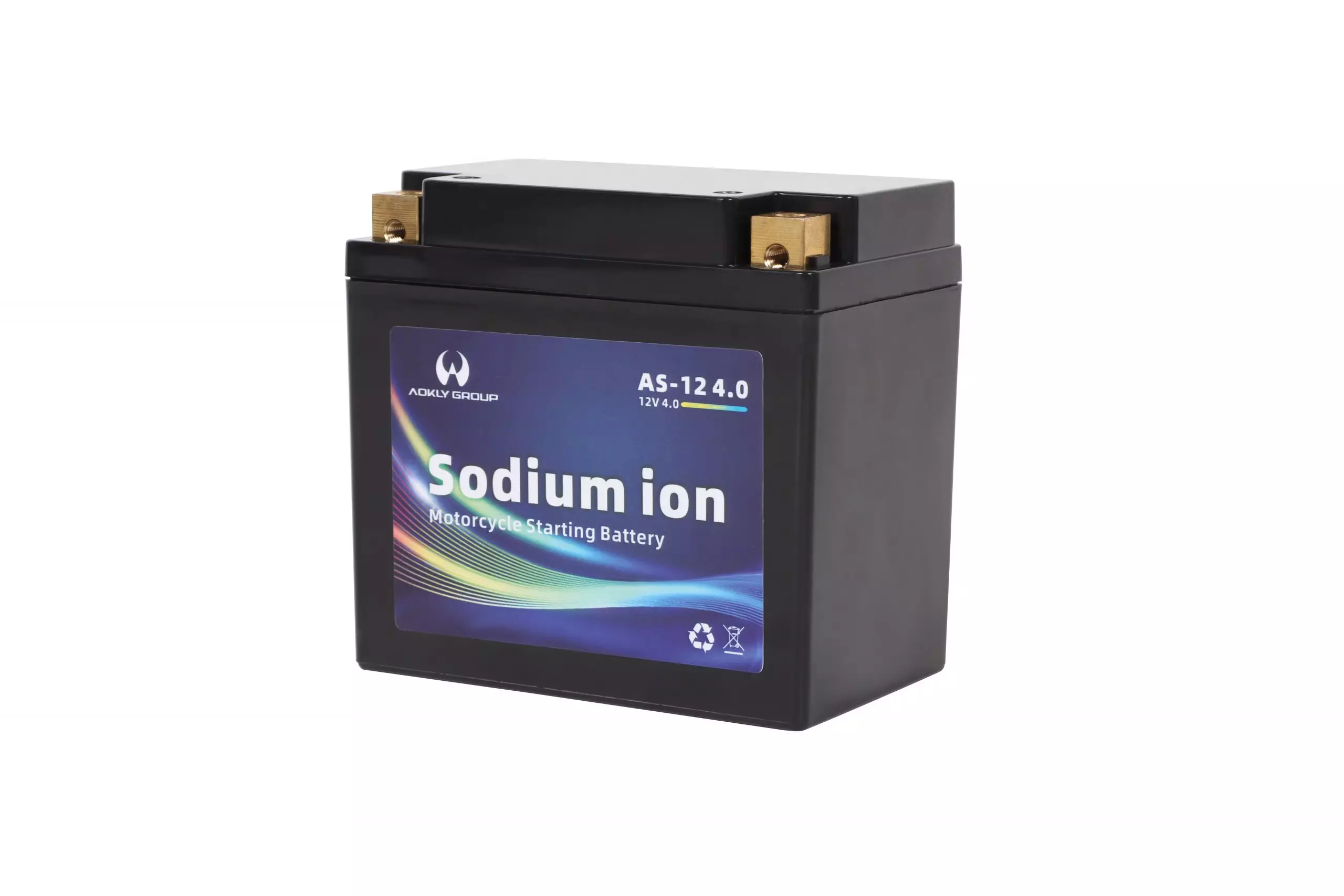
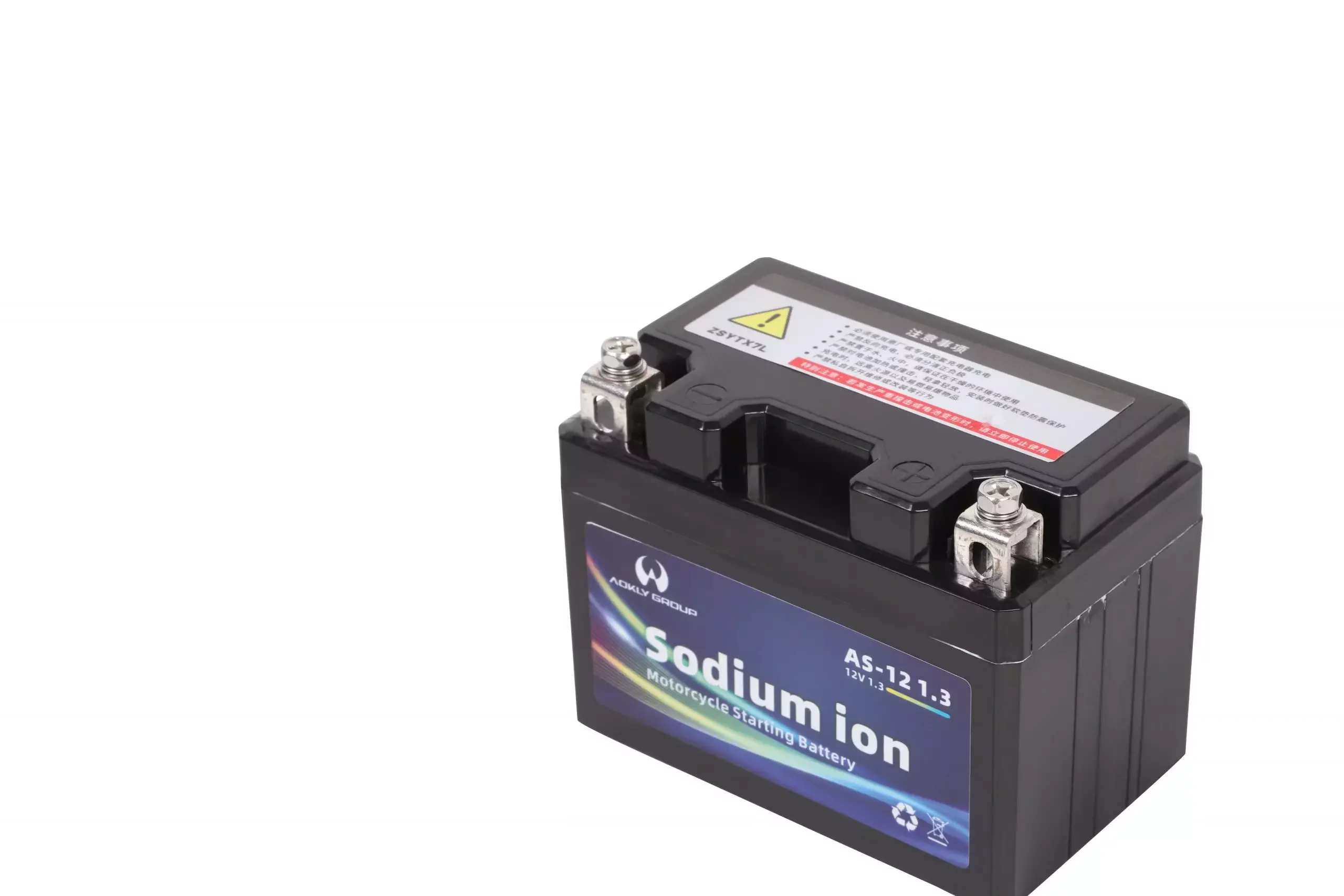
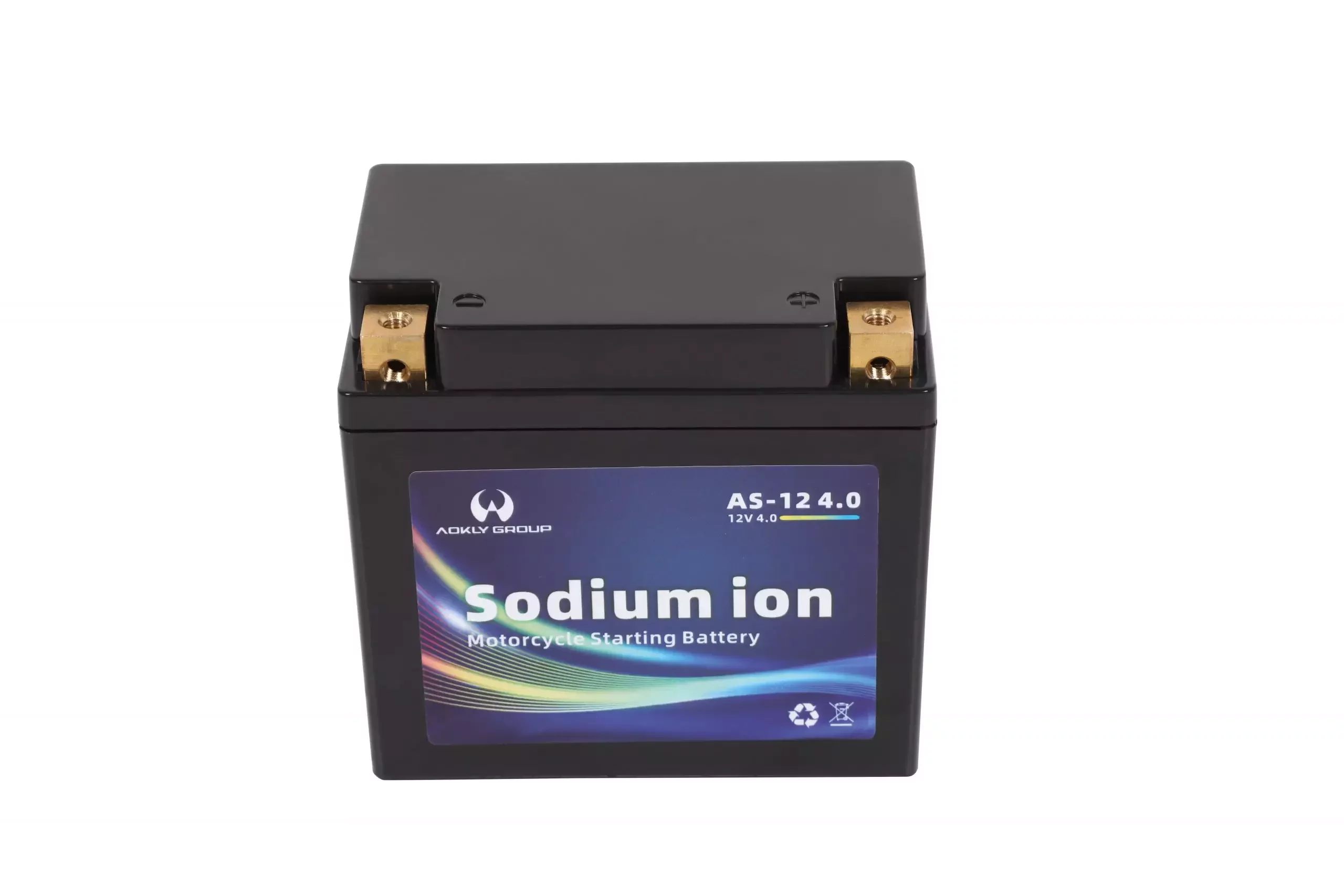
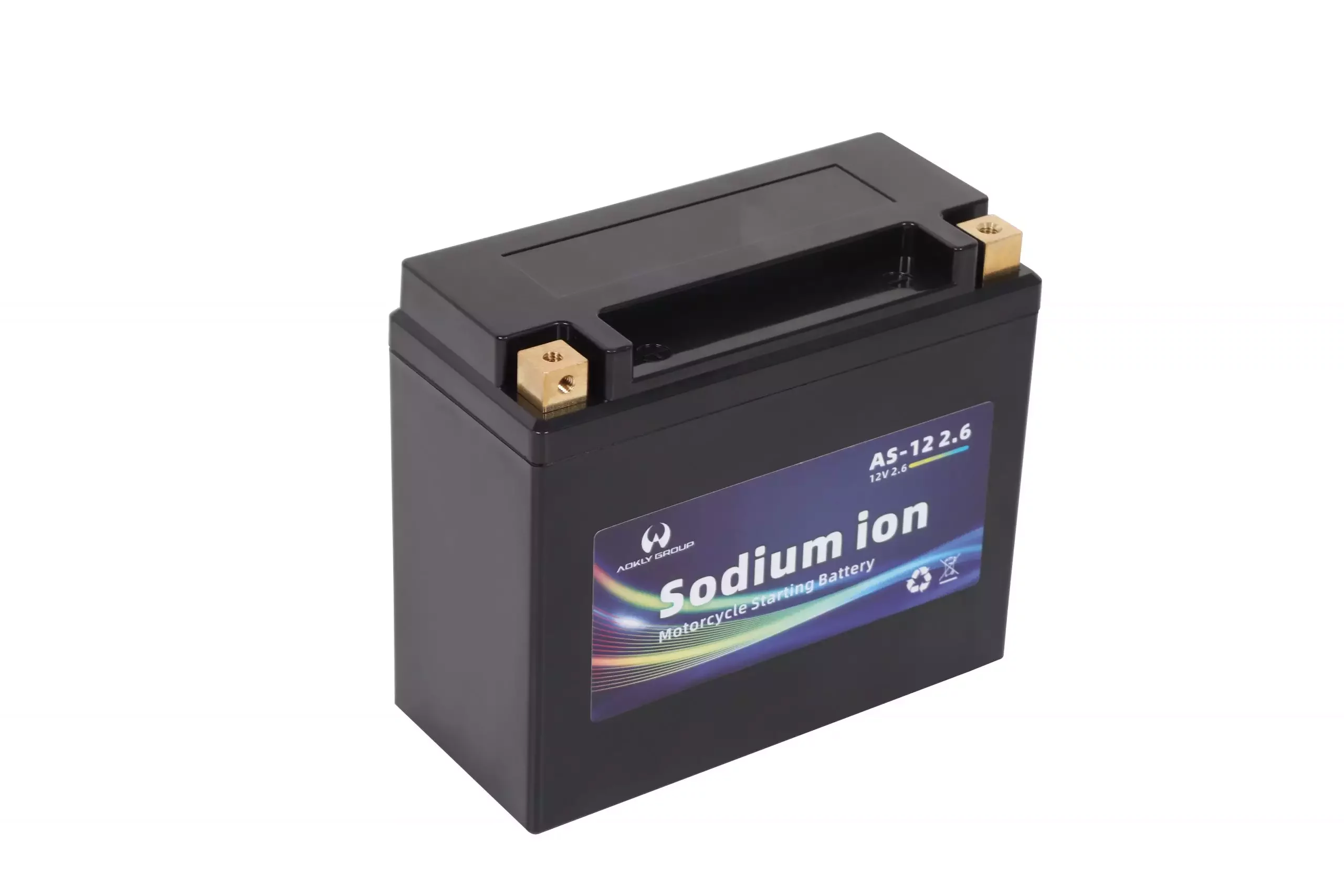
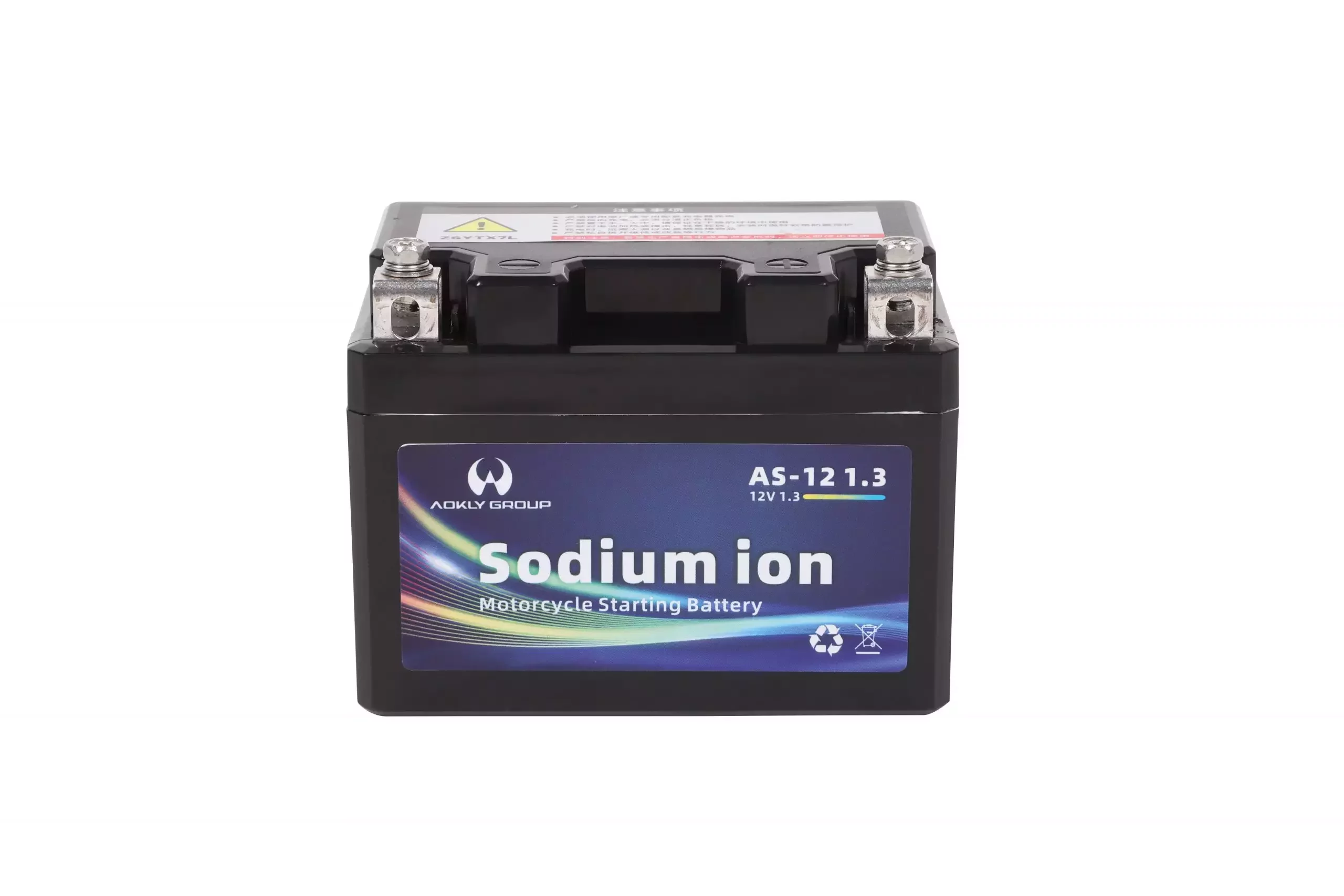
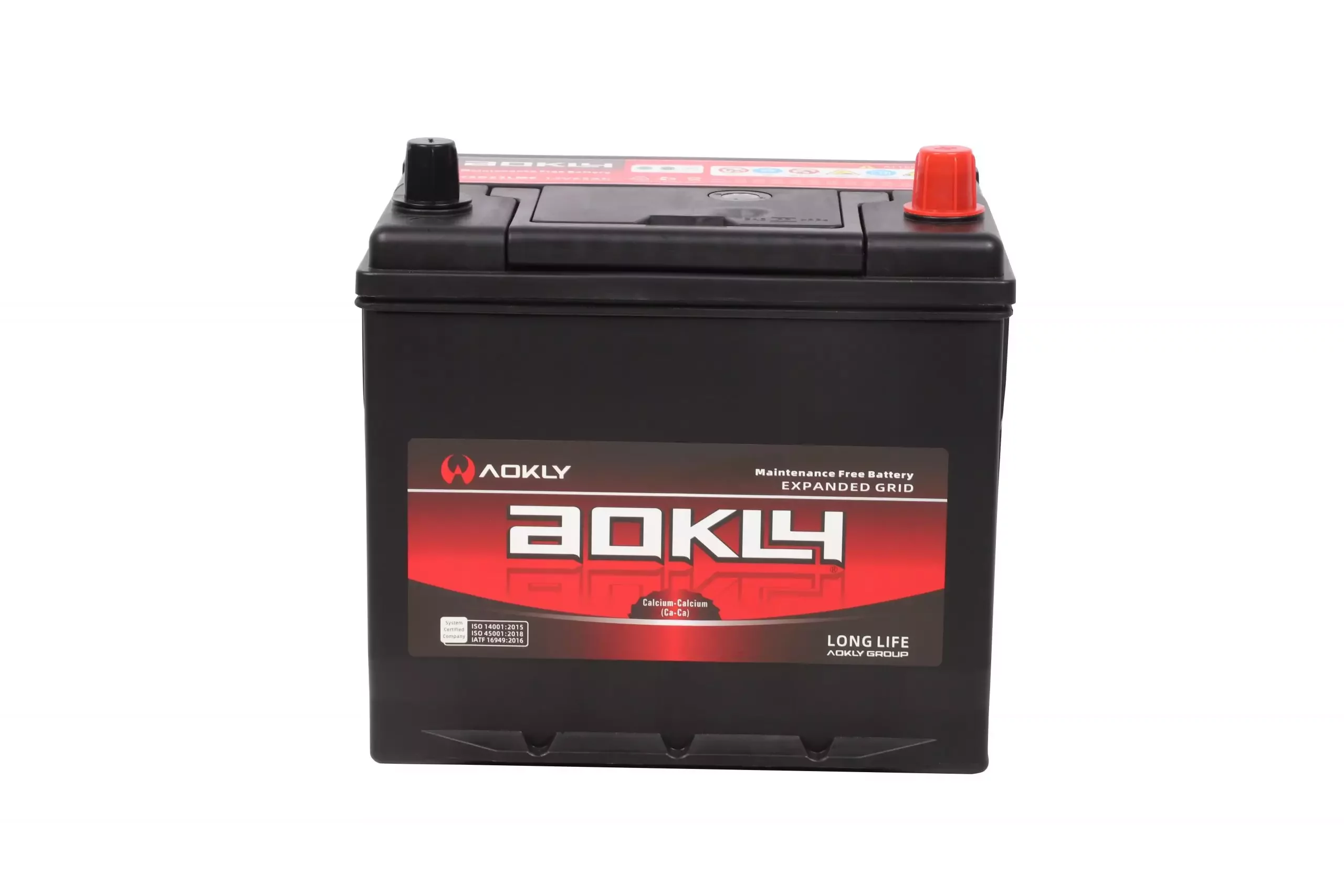
As energy demands evolve, the choice between lithium batteries and traditional lead-acid batteries becomes increasingly critical for both individuals and industries. While lead-acid batteries have been a reliable power source for decades, the emergence of technologies like the Aokly lithium battery has reshaped the landscape of energy storage solutions. This article compares the technical aspects of lithium and lead-acid batteries, highlighting their performance, lifespan, and environmental impact to help users make informed decisions for their power needs.
Performance and Efficiency
When comparing performance, lithium batteries, such as those produced by Aokly, offer significant advantages over traditional lead-acid batteries. One of the primary distinctions is energy density. Aokly lithium batteries can provide a higher energy density, enabling them to store more energy in a smaller form factor. This makes them ideal for applications where space is limited, such as in electric vehicles and portable electronics.
In terms of discharge rates, Aokly lithium batteries maintain consistent power output, even under high-demand situations. For example, their 48V150AH all-weather battery can discharge effectively even at low temperatures, with a discharge rate of up to 80% at -20°C. In contrast, lead-acid batteries often experience voltage drops under heavy load, impacting performance. Additionally, lithium batteries have lower internal resistance, which contributes to higher efficiency and reduced energy consumption during operation.
Lifespan and Maintenance
Another critical factor is the lifespan and maintenance requirements of the two battery types. Aokly lithium batteries are designed with a lifespan that exceeds three times that of traditional lead-acid batteries. With a design life of around 10 years, they significantly reduce the frequency of replacements. This long lifespan not only lowers costs over time but also reduces waste, making them a smarter investment for both consumers and businesses.
In terms of maintenance, Aokly lithium batteries are virtually maintenance free, eliminating the daily upkeep and costs associated with lead-acid alternatives. Lead-acid batteries require regular checks and maintenance, including monitoring electrolyte levels and cleaning terminals, which can become burdensome and time-consuming for users. The hassle-free nature of Aokly lithium batteries adds to their appeal, particularly for applications where reliability and minimal downtime are essential.
Environmental Impact
The environmental impact of battery technologies is an increasingly important consideration. Aokly lithium batteries have several advantages in this regard. They produce fewer CO2 emissions compared to traditional lead-acid batteries, contributing to a reduced carbon footprint. Furthermore, lithium batteries do not emit hazardous fumes or suffer from acid spills, which are common issues with lead-acid batteries that can pose risks to health and the environment.
Aokly’s commitment to sustainability is evident in their battery designs, which focus on energy efficiency and eco-friendliness. By opting for lithium over lead-acid, individuals and businesses can make more environmentally conscious choices that align with global initiatives to combat climate change.
Making an Informed Choice for Energy Storage
In summary, the technical comparison between Aokly lithium batteries and traditional lead-acid batteries reveals significant advantages for lithium technology. With superior performance, extended lifespan, maintenance free operation, and a reduced environmental impact, Aokly lithium batteries stand out as a contemporary power solution.
As industries and consumers look to meet increasingly stringent energy demands, choosing a reliable and efficient power source is essential. Aokly’s commitment to quality and sustainability positions them as a leader in the battery market, offering solutions that not only meet current needs but also pave the way for a greener future. Transitioning to an Aokly lithium battery represents a forward-thinking choice that enhances operational efficiency and environmental responsibility.