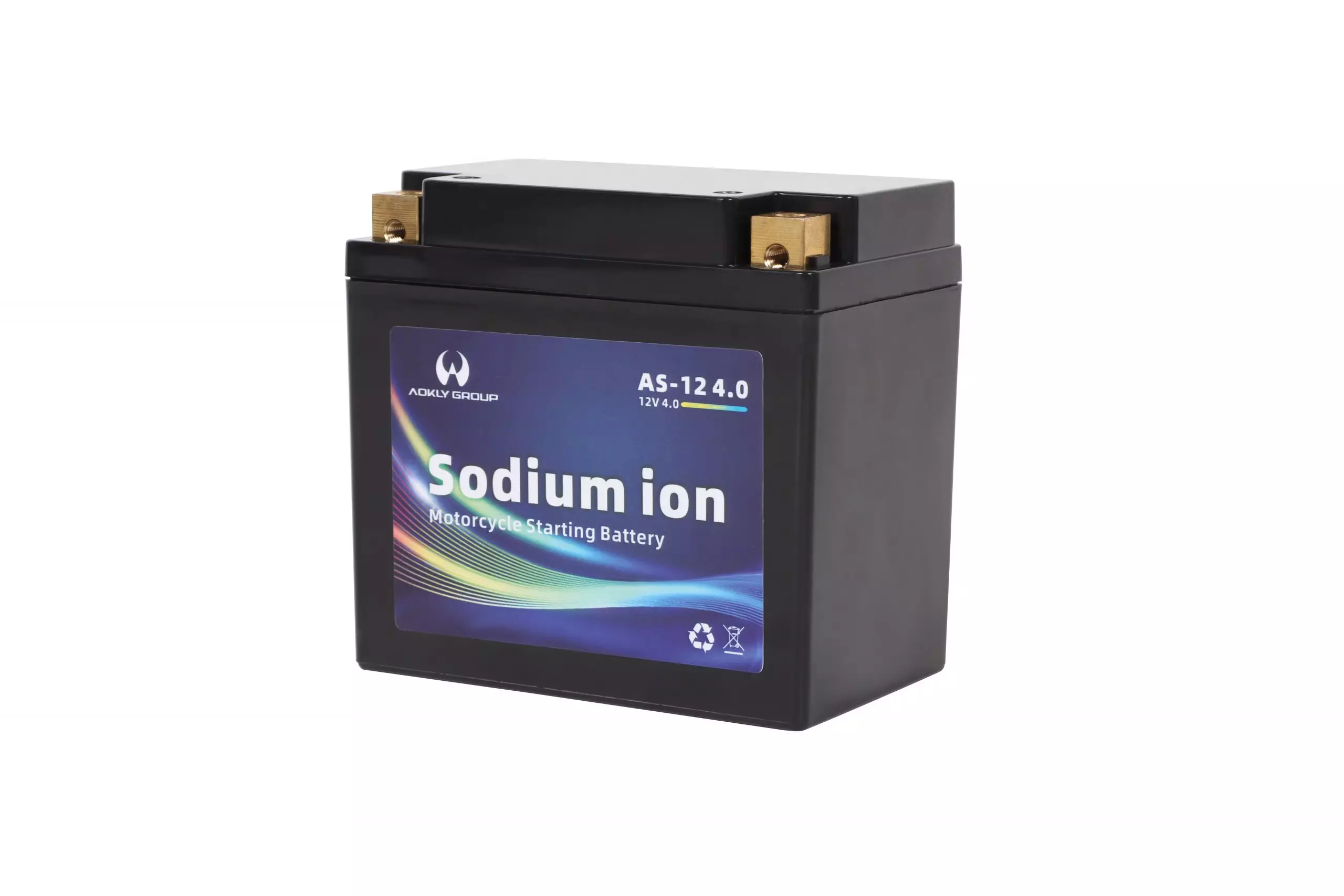
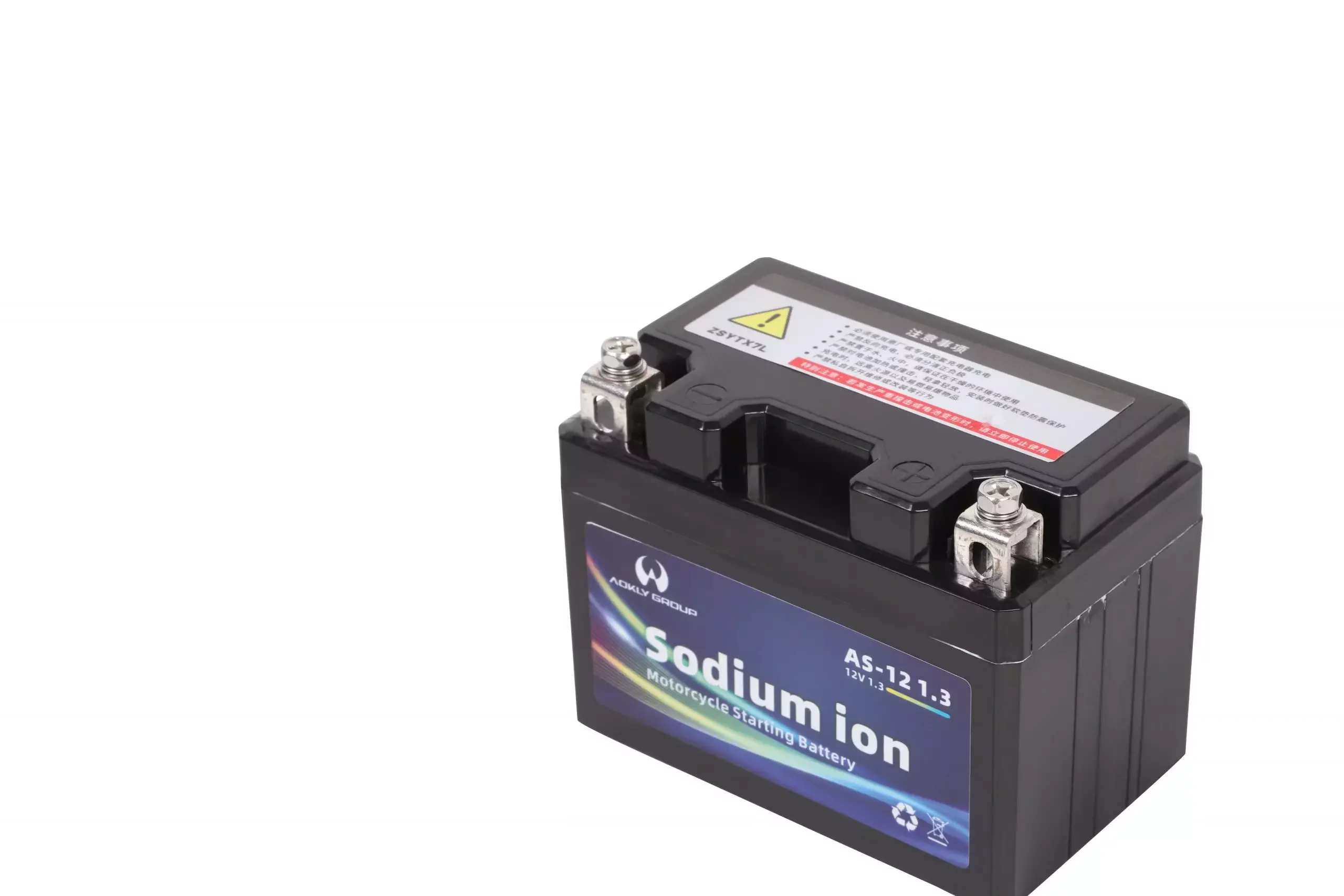
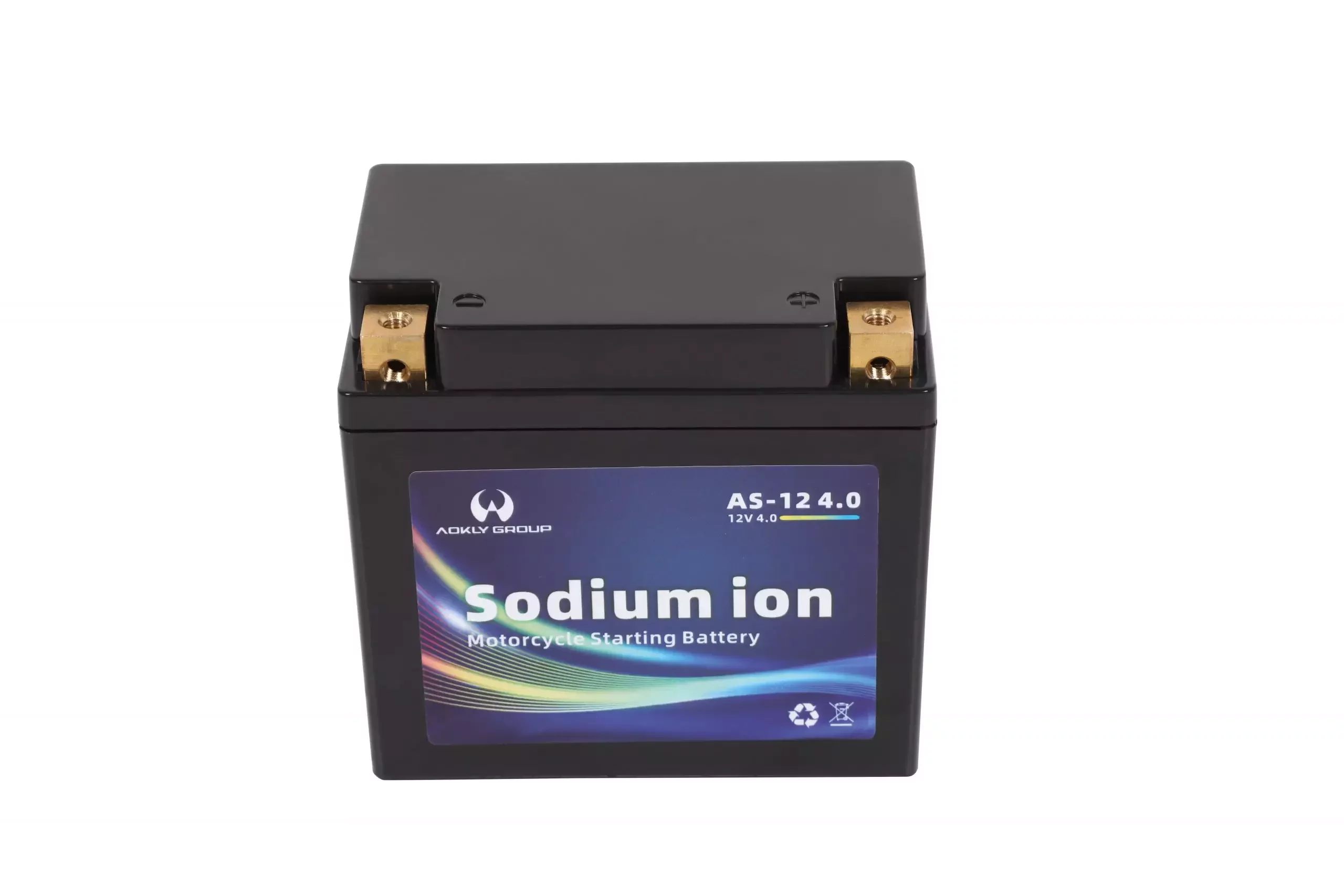
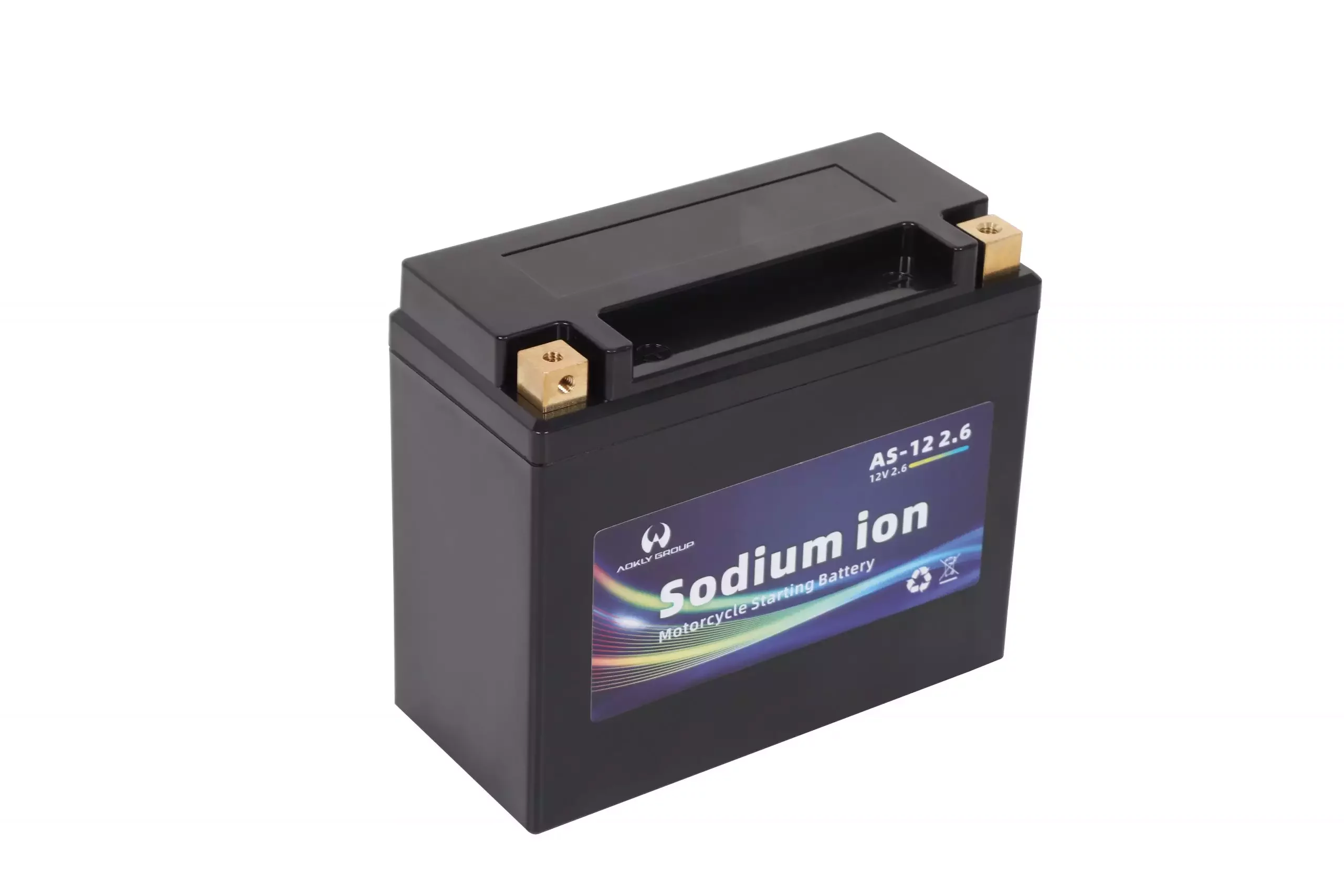
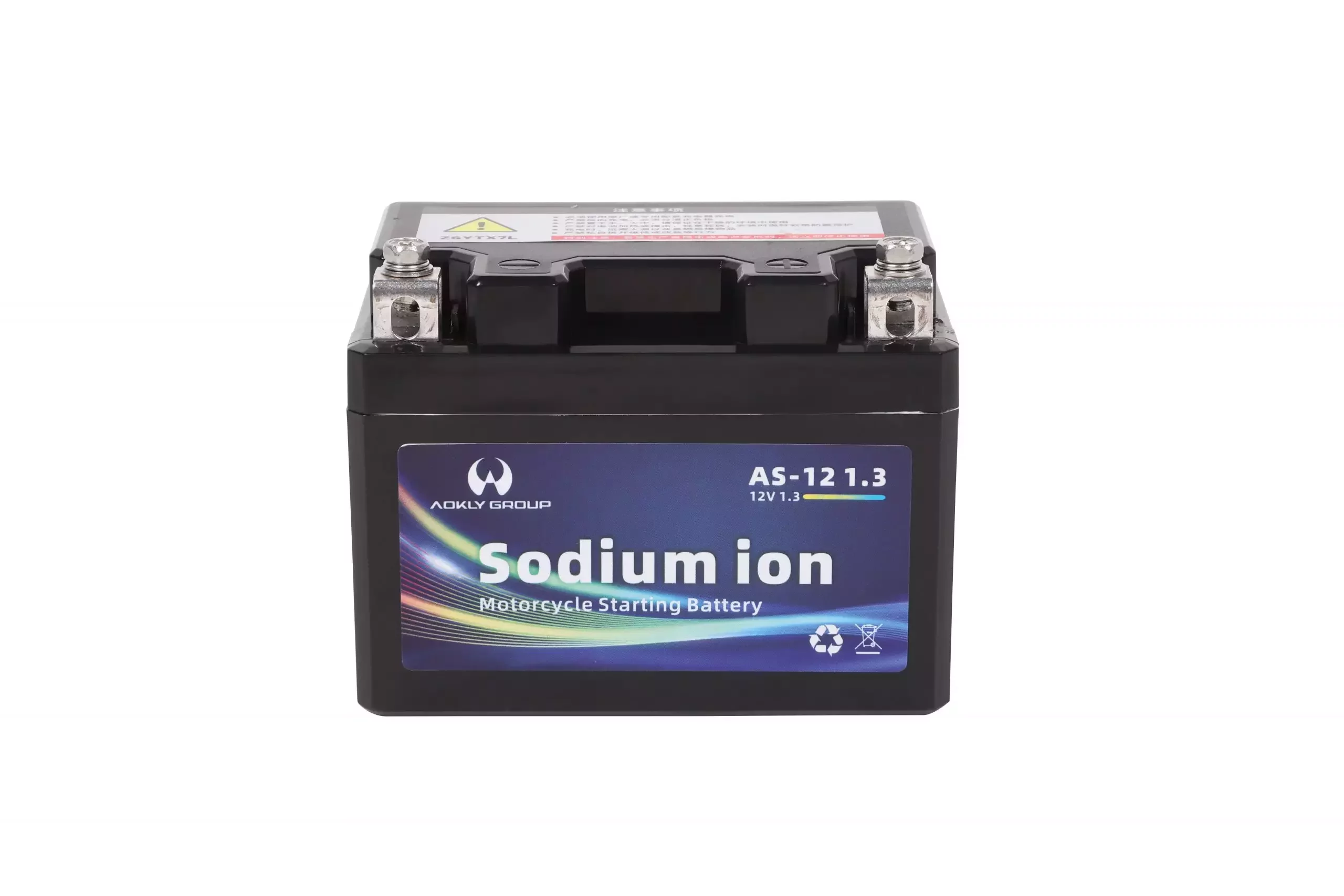
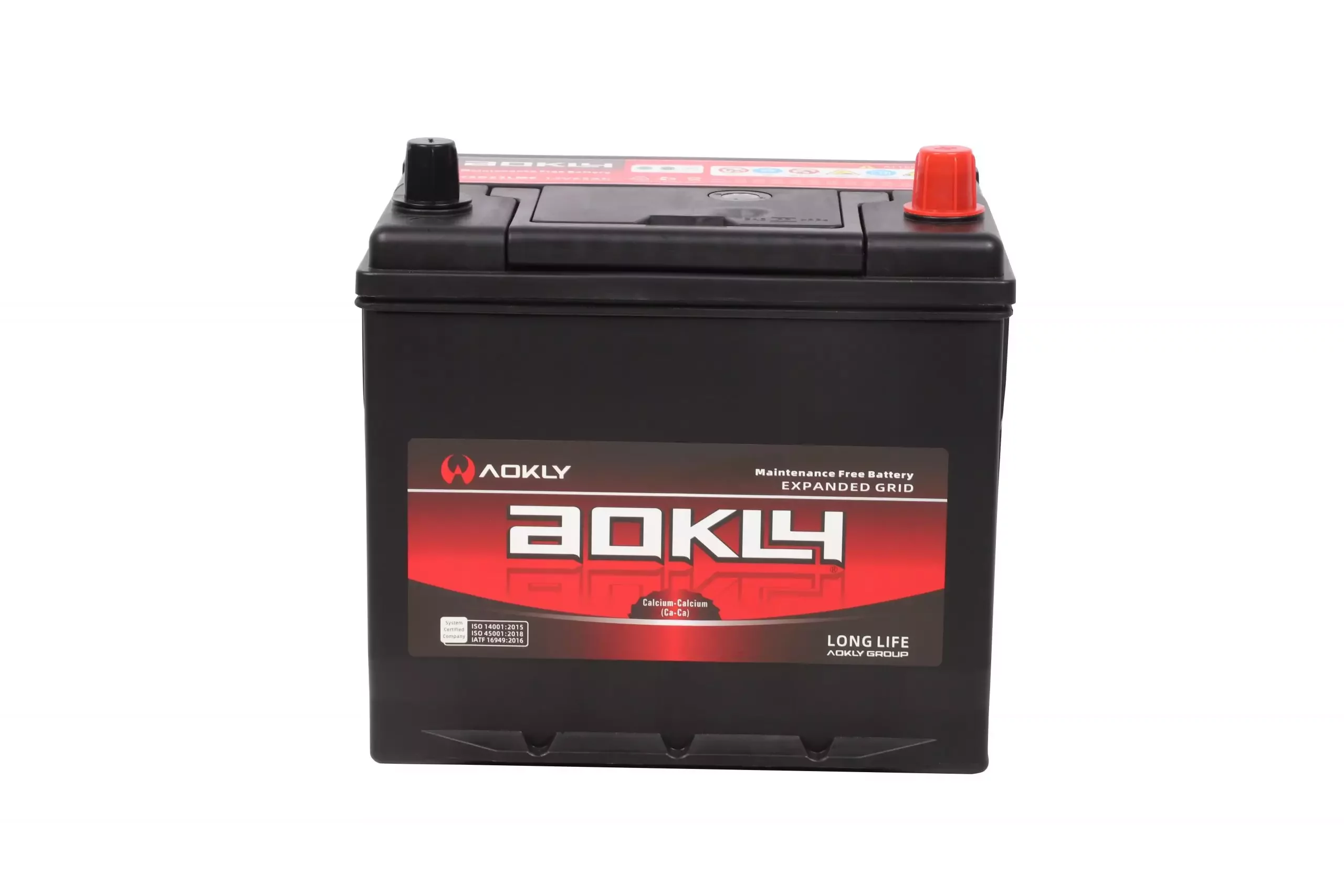
In the evolving landscape of energy storage, lead acid batteries have long been a go-to solution for various applications, from automotive to industrial uses. However, newer technologies have emerged, presenting viable alternatives to traditional lead acid systems. Aokly, known for its advanced lead acid battery solutions, presents an opportunity to explore how these batteries compare technically to competitors like lithium-ion and nickel-metal hydride. This evaluation will cover performance, lifespan, and environmental impact, providing insight into the strengths and weaknesses of lead acid batteries.
Performance Analysis
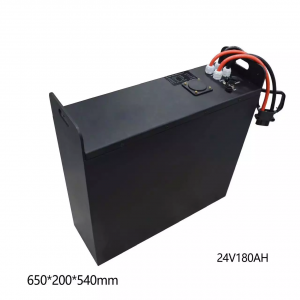
Performance is a critical criterion when evaluating battery technologies. Aokly lead acid batteries, such as the 24V180AH all-weather battery, are engineered to perform effectively across a range of temperatures. They incorporate a self-heating function that enables them to operate efficiently at temperatures as low as -20°C, maintaining a discharge rate of up to 80%.
In contrast, lithium-ion batteries, while known for their high discharge rates and energy density, can struggle in extreme temperatures unless equipped with advanced thermal management systems. Moreover, lead acid batteries have lower internal resistance compared to some of their competitors, which results in less energy loss during charging and discharging. This efficiency can be particularly beneficial in applications requiring steady power levels over longer durations, reinforcing the practical advantages of Aokly’s lead acid technology.
Lifespan and Maintenance Considerations
The lifespan of a battery significantly impacts its long-term viability. Aokly lead acid batteries are designed with an impressive cycle life, offering over three times the lifespan of traditional lead acid options, with a design life of up to 10 years. This longevity reduces the frequency of replacements, ultimately lowering costs for end-users.
On the maintenance front, Aokly lead acid batteries are virtually maintenance free, negating the need for regular checks that are typically required for traditional lead acid technologies. In contrast, some competing technologies, such as nickel-metal hydride batteries, can also require maintenance but may not offer the same ease of use and reliability as Aokly lead acid batteries. The maintenance free aspect of Aokly batteries not only simplifies the user experience but also enhances operational efficiency in critical applications.
Environmental Footprint
Environmental considerations are increasingly influencing battery technology choices. Aokly lead acid batteries have been designed to minimize their ecological impact. They produce less CO2 emissions than many competing options and do not release hazardous fumes or result in acid spills, common concerns with traditional lead acid batteries.
While lithium-ion batteries are often lauded for their efficiency, they raise questions about resource extraction and recycling challenges. Aokly adopts eco-friendly practices in manufacturing and disposal, contributing to a greener energy solution. The reduced carbon footprint associated with Aokly lead acid batteries makes them an appealing choice for organizations committed to sustainability.
Embracing Reliability and Efficiency
In summary, the technical evaluation of Aokly lead acid batteries against competitors highlights several distinct advantages. With robust performance in extreme conditions, a long lifespan, and minimal maintenance requirements, Aokly’s lead acid solutions stand out in today’s competitive battery landscape.
As industries continue to adopt energy storage solutions that align with operational efficiency and environmental stewardship, Aokly leads the way by offering high-quality, reliable, and sustainable options. The commitment to excellence reflected in Aokly lead acid batteries not only meets current energy demands but also anticipates future challenges in the evolving power sector. By prioritizing reliability and efficiency, Aokly establishes itself as a formidable choice for organizations seeking dependable energy solutions in a dynamic environment.