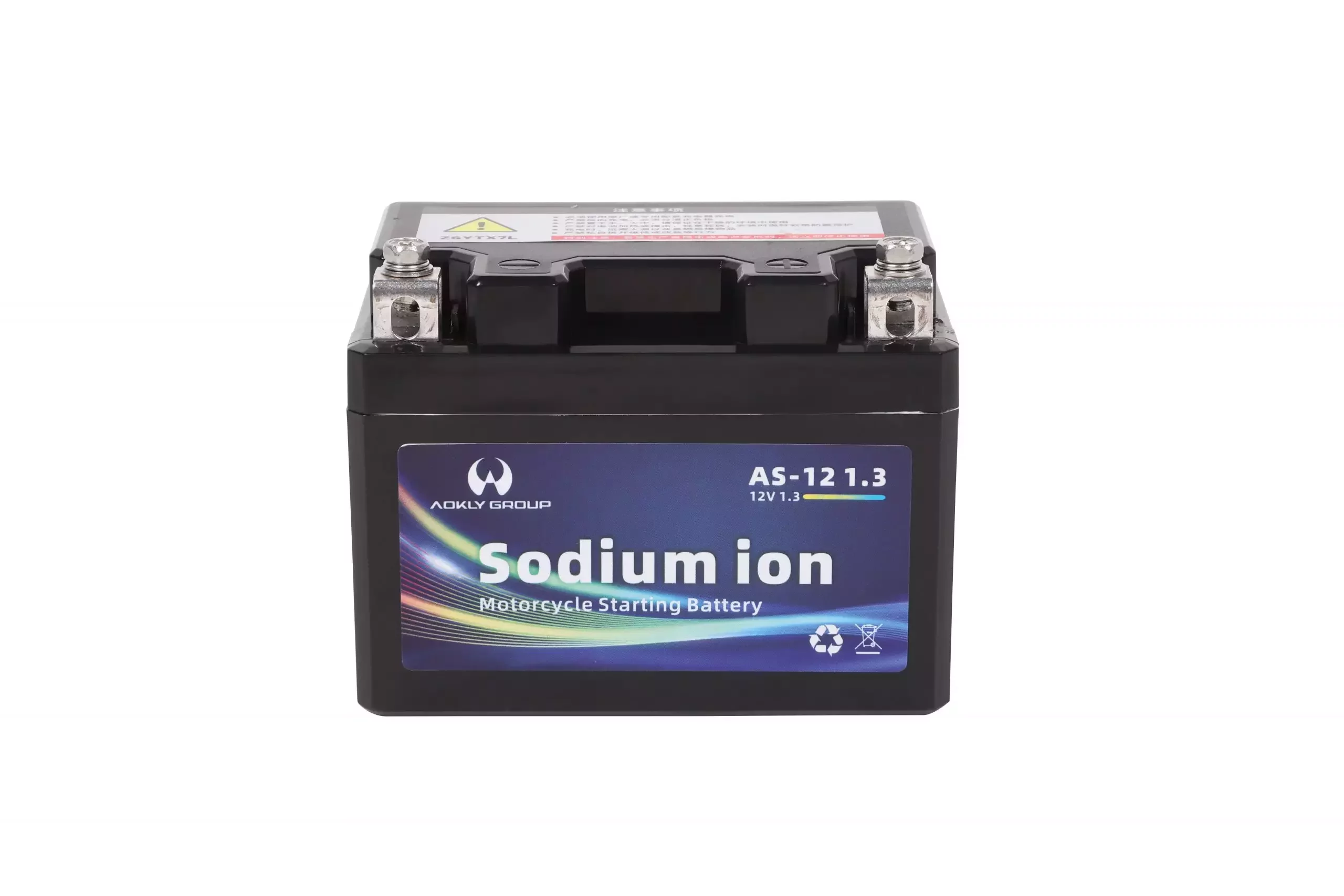
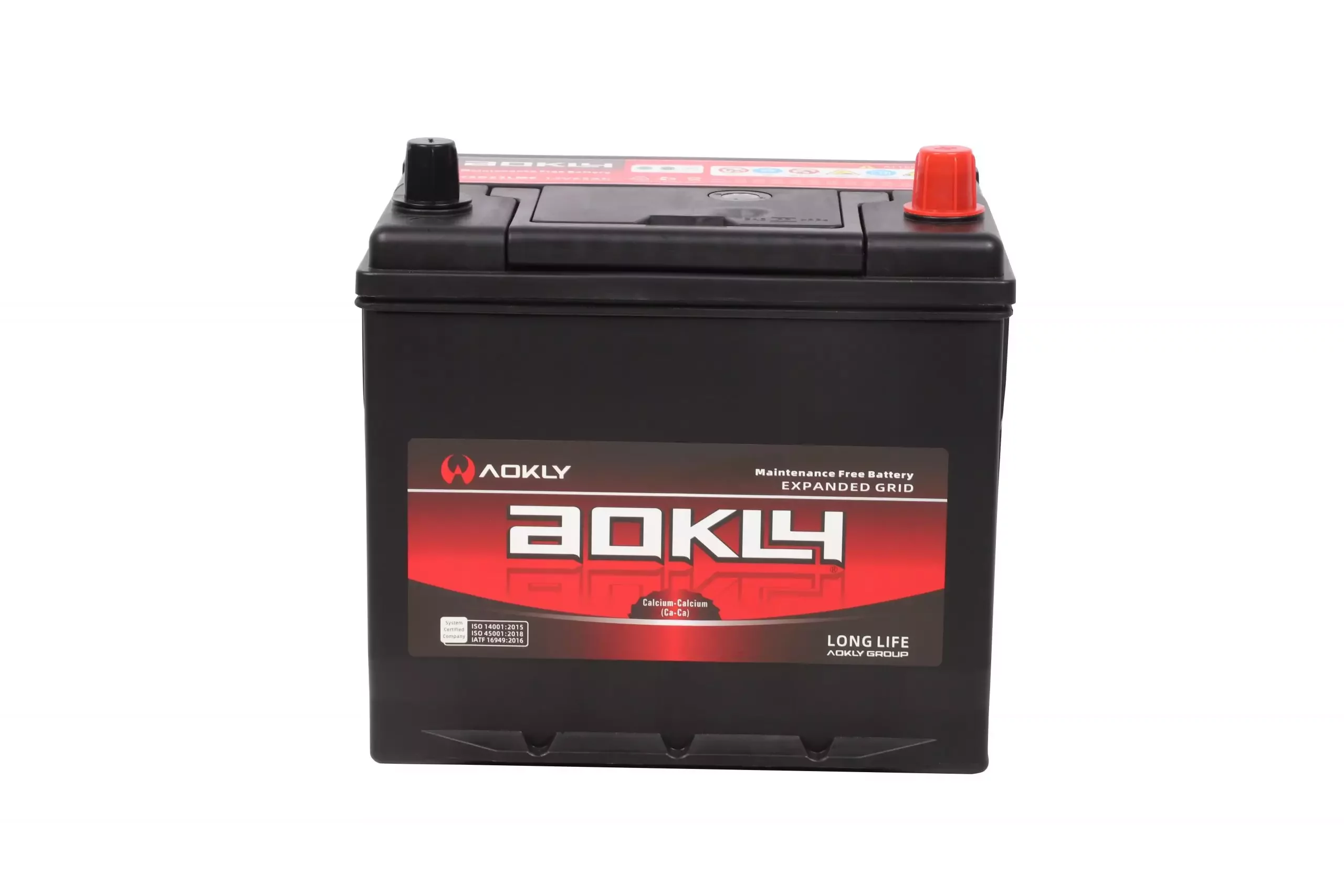
The lithium battery has become the backbone of modern energy transitions, powering both electric vehicles (EVs) and stationary storage systems (e.g., solar home storage, grid backup). While sharing the core lithium-ion technology, these two applications demand distinct design optimizations to meet unique operational requirements. Understanding their differences is critical for selecting the right lithium battery solution—whether for on-the-go mobility or stationary energy reliability. Below is a rigorous comparison of key attributes, grounded in technical specifications and practical use case needs.
Design Priorities: Power Density vs. Energy Density
EV lithium batteries prioritize power density (kW/kg) to deliver instant torque for acceleration and handle high discharge rates (up to 3-5C) during driving. They typically use nickel-cobalt-aluminum (NCA) or nickel-cobalt-manganese (NCM) chemistries, balancing power and energy density (150-250 Wh/kg). In contrast, stationary storage lithium batteries focus on energy density and cycle life, operating at lower discharge rates (0.1-0.5C) for prolonged energy delivery. Most adopt lithium iron phosphate (LiFePO4) chemistry, offering superior stability, longer cycle lives (3,000-10,000 cycles), and lower cost—critical for 10+ year stationary deployments. Size and weight also differ: EV batteries are engineered as modular packs to fit vehicle chassis, while stationary batteries emphasize compact, space-saving designs for home or industrial installations.
Operational Requirements: Temperature, Maintenance, and Safety
EV lithium batteries face extreme temperature fluctuations (from -20°C to 60°C) due to weather and driving conditions, requiring advanced thermal management systems (liquid cooling/heating) to maintain performance. Stationary storage lithium batteries operate in more controlled environments but still need all-weather resilience—especially for off-grid systems. Many stationary models, like all-weather lithium batteries, include self-heating functions to charge at -20°C and retain 80% discharge capacity in low temperatures. Maintenance needs also diverge: EV batteries require periodic thermal system checks, while stationary lithium batteries are designed for maintenance free operation, eliminating daily upkeep costs. Safety priorities align on thermal and chemical stability, but stationary systems often integrate multiple built-in protection functions (overcharge, short-circuit, temperature) to ensure long-term reliability in unattended settings.
Environmental Impact and Efficiency
Both EV and stationary lithium batteries contribute to decarbonization, but their environmental footprints vary by chemistry. Stationary LiFePO4 batteries have lower CO2 emissions during production (20-30% less than NCM) and avoid cobalt, reducing ethical supply chain risks. They also offer higher energy efficiency (90-95% round-trip) compared to EV batteries (85-90%), as stationary applications avoid the energy losses from EV powertrain components. Additionally, stationary lithium batteries reduce carbon footprints by enabling greater integration of renewable energy (e.g., storing solar power for nighttime use) and eliminating hazardous fumes or acid spills—unlike traditional lead-acid alternatives. EV batteries, while emissions-intensive to produce, offset their footprint over time by replacing gasoline-powered vehicles, with a break-even point of 30,000-50,000 km of driving.
Aokly: Tailored Lithium Battery Solutions for Stationary Excellence
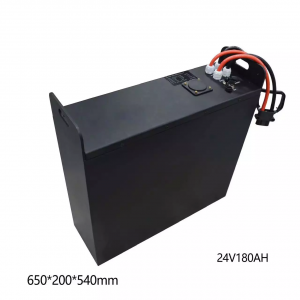
While EV and stationary lithium batteries serve distinct purposes, both demand reliability, safety, and efficiency—values at the core of Aokly’s product design. Aokly’s 24V180AH all-weather lithium battery embodies the strengths of stationary storage solutions: maintenance free operation, ultrasafe LiFePO4 chemistry, and 10-year design life (over 3 times longer than lead-acid batteries). With low internal resistance for high efficiency and a self-heating function for -20°C operation, Aokly’s lithium battery meets the rigorous needs of stationary applications while reducing CO2 emissions. For users seeking a trusted stationary energy partner, Aokly delivers lithium battery solutions that balance performance, durability, and sustainability—proving that the right lithium battery, engineered for its intended use, is the foundation of a reliable energy system.