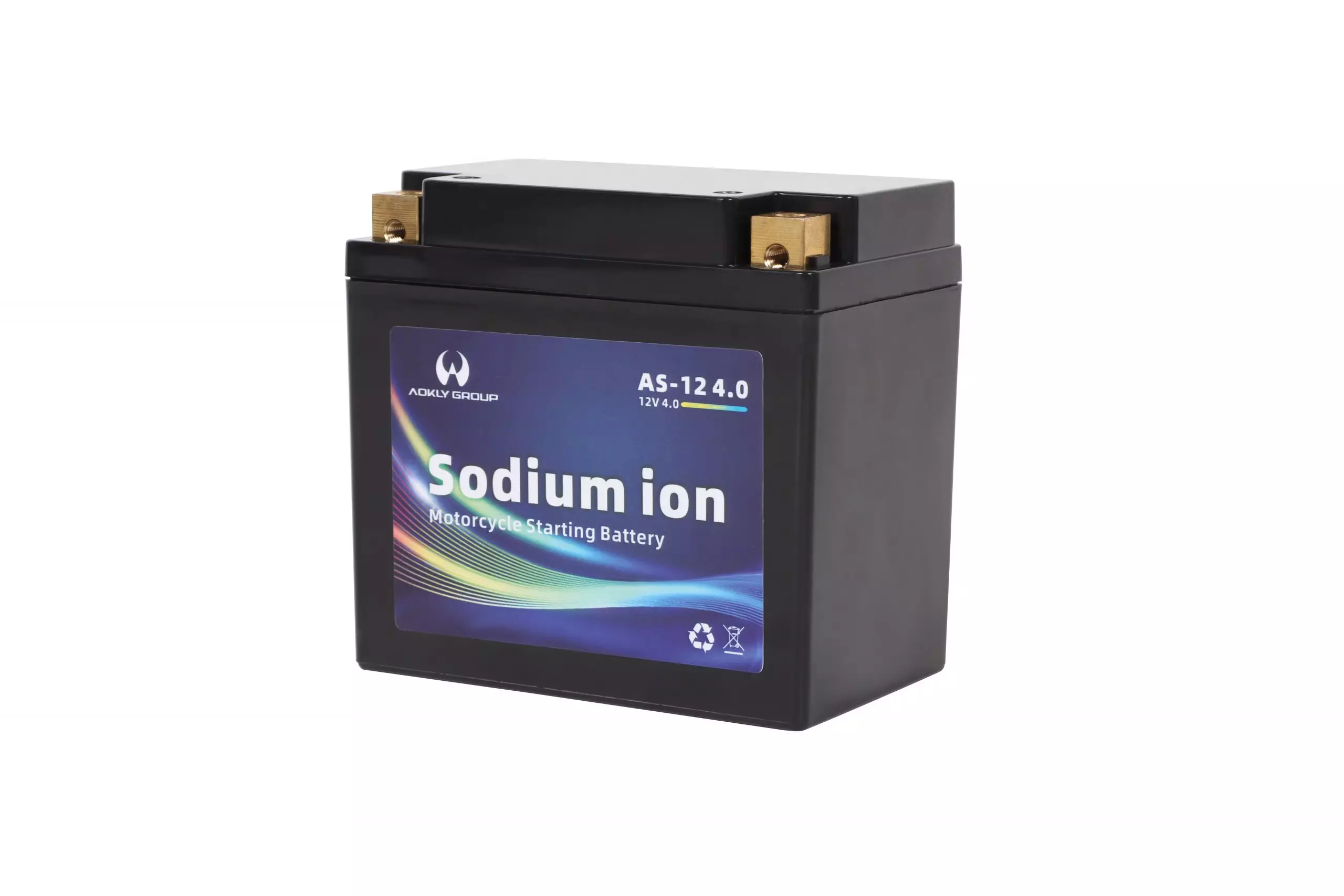
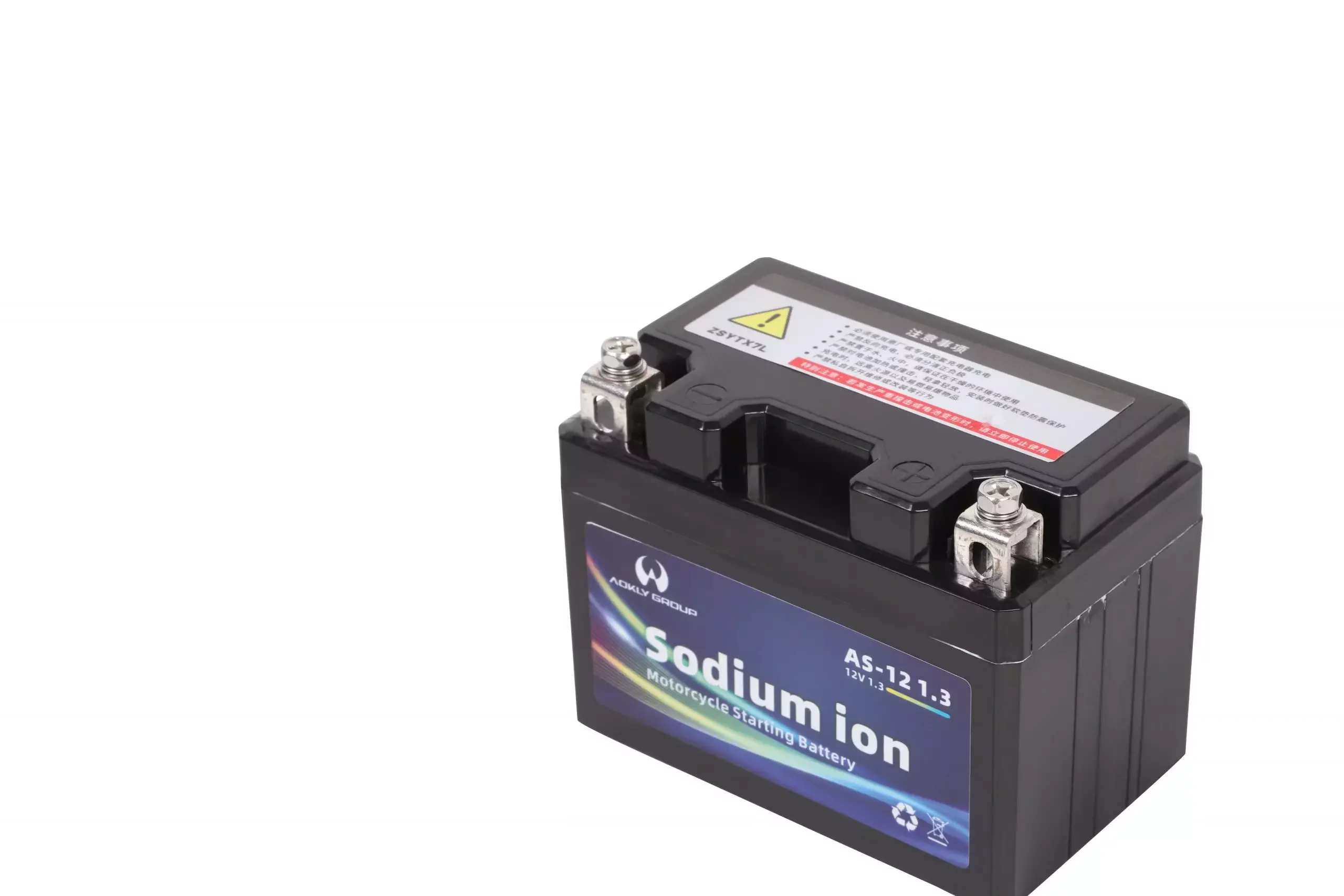
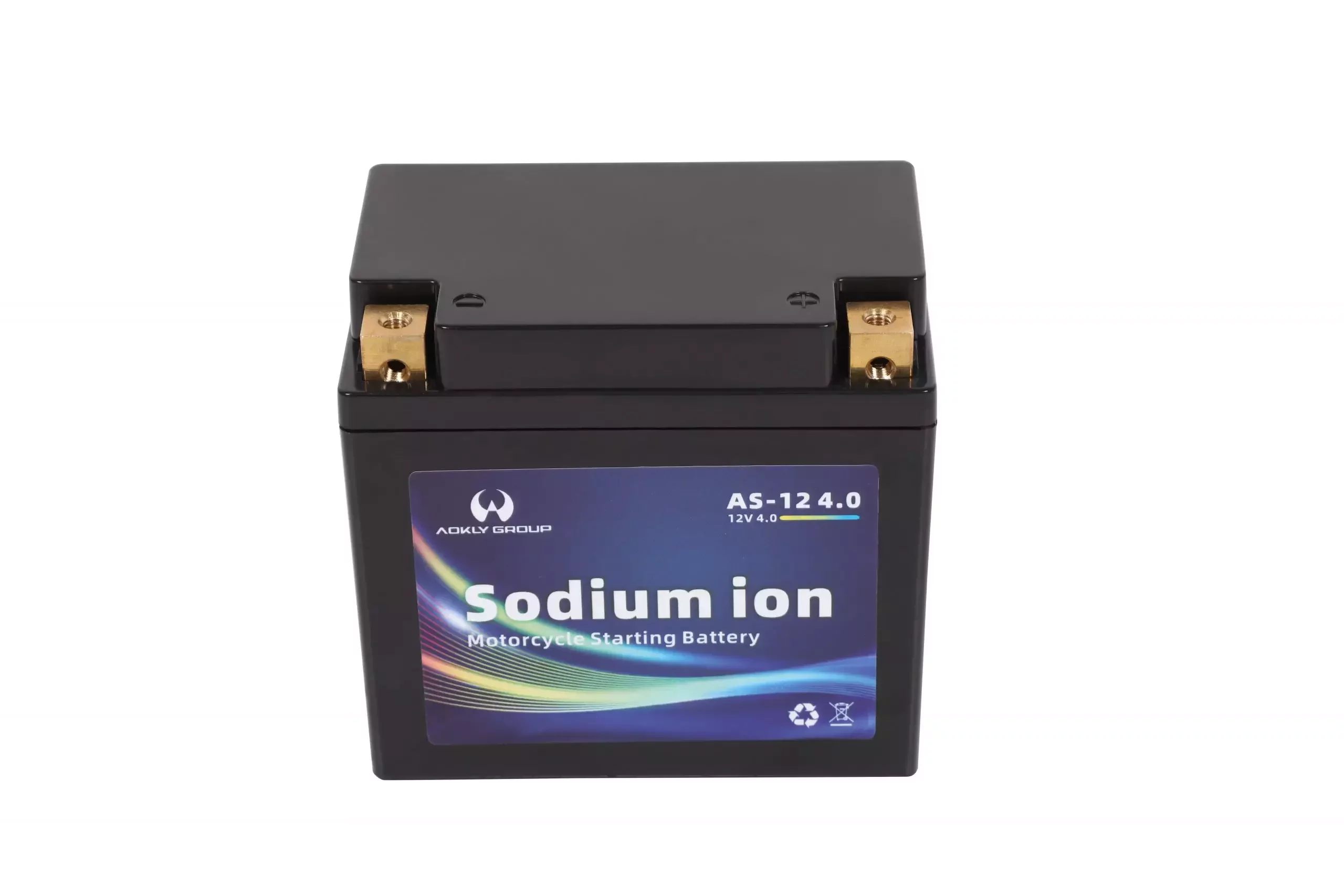
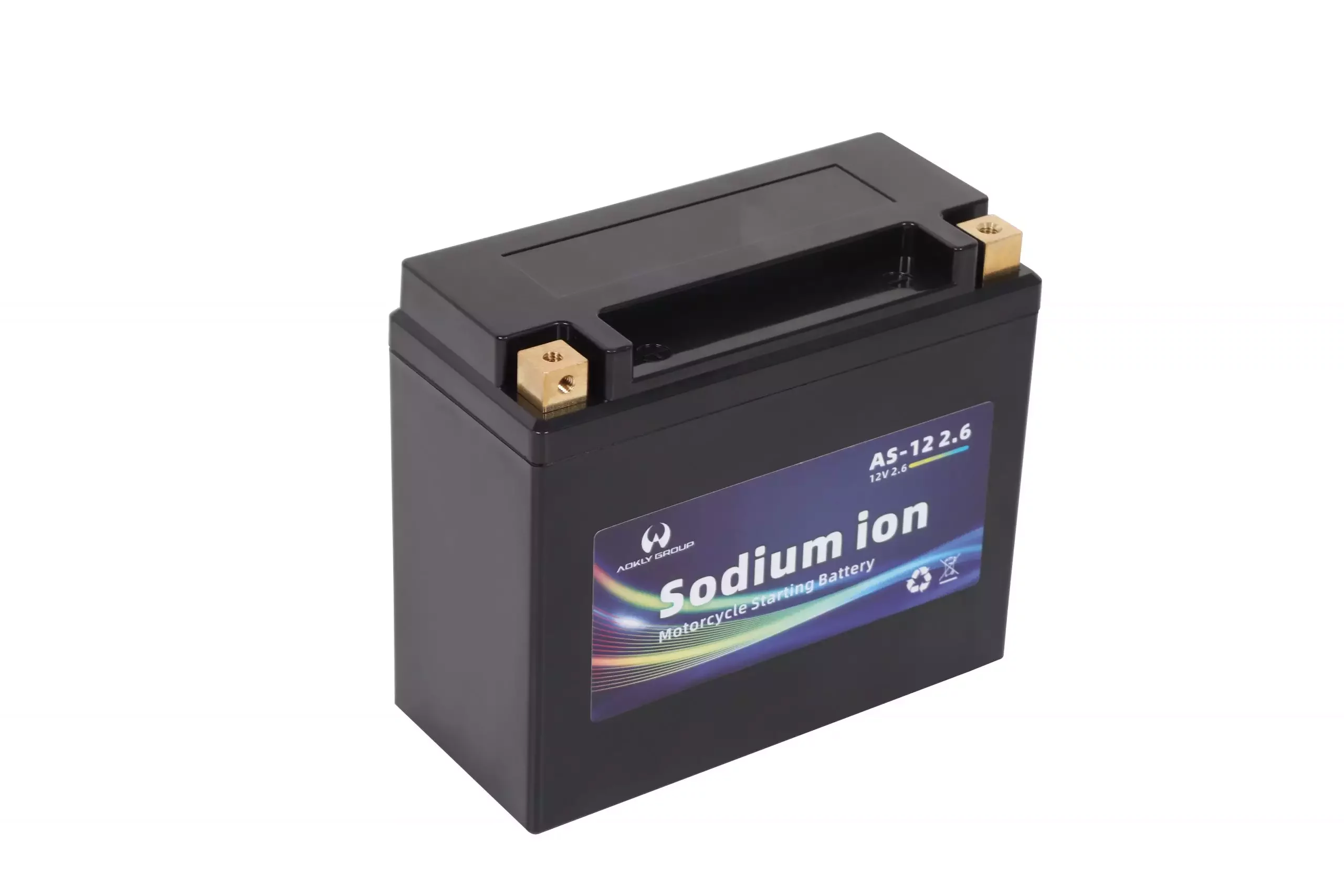
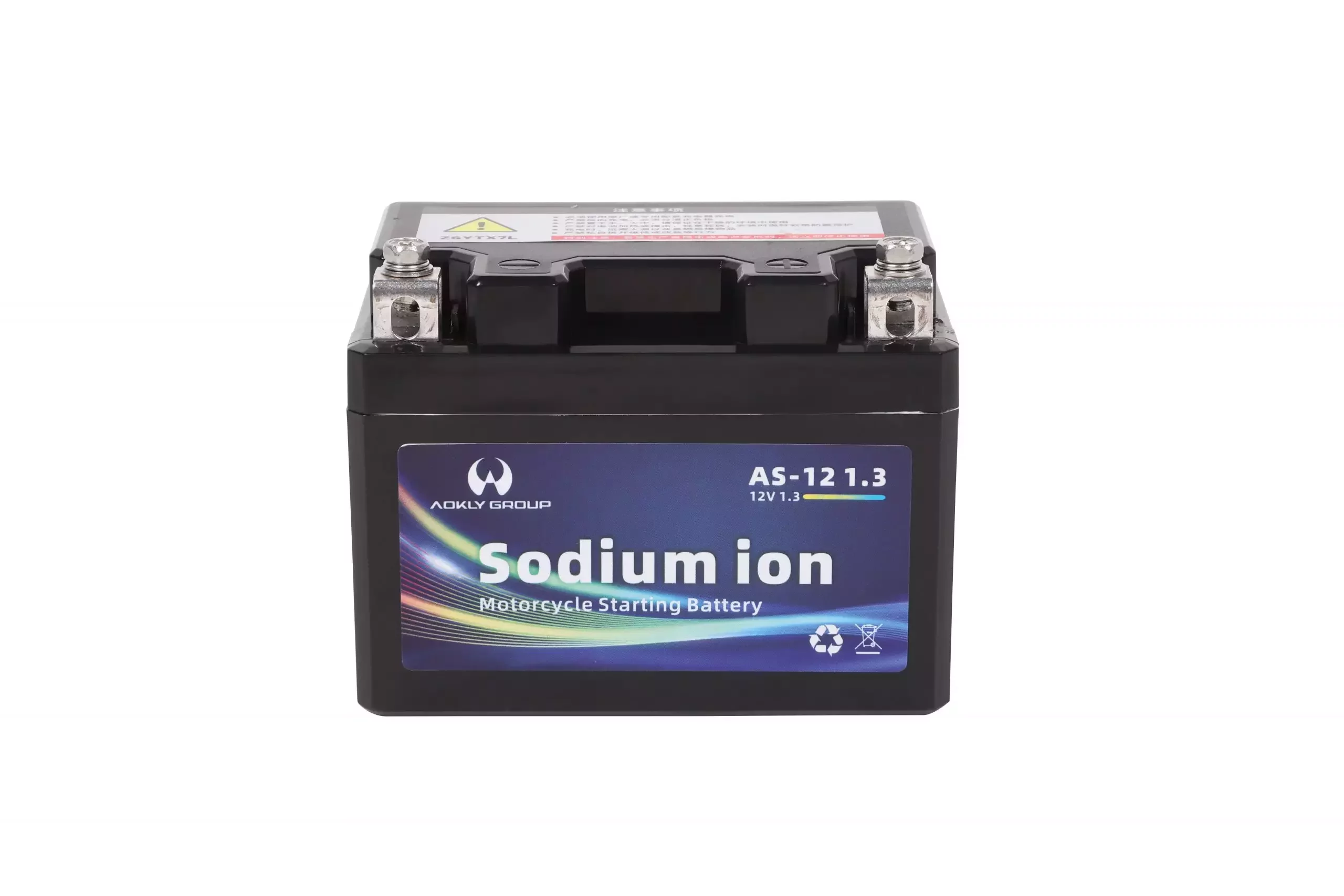
As the global push for energy transition intensifies, sodium battery companies are emerging as key players in the low-carbon energy ecosystem. Driven by abundant raw materials, cost advantages, and technological breakthroughs, the sodium battery industry is poised for explosive growth in 2026, reshaping the landscape of energy storage and mobility. Unlike lithium-ion technology, sodium batteries leverage sodium’s 1000x higher crustal abundance than lithium, offering a sustainable alternative for price-sensitive and extreme-environment applications. Below is a rigorous analysis of the global market outlook for sodium battery companies, grounded in verified industry data and emerging trends.
Market Expansion Driven by Cost and Resource Advantages
2026 will mark a pivotal year for sodium battery companies as cost parity with lithium-ion batteries becomes a reality. Industry forecasts indicate that sodium battery cell prices will drop below lithium iron phosphate (LFP) cells in 2026, with 60kWh packs reducing electric vehicle (EV) costs by \(2,500-\)3,300 . This cost advantage stems from sodium’s low extraction cost (1/20 of lithium) and simplified material requirements—sodium battery companies can replace expensive copper foils with aluminum and use low-cost manganese/iron-based cathodes . Resource security further fuels growth: global sodium reserves are 400x that of lithium, reducing supply chain risks for sodium battery companies. Production scale-up is accelerating too—leading sodium battery companies are targeting 50GWh+ capacity by 2026, with 80% compatibility with existing lithium-ion production lines cutting capital expenditure .
Diversified Application Penetration Across Key Sectors
Sodium battery companies will focus on three high-growth application areas in 2026. The largest segment, energy storage, will account for 62% of demand, with sodium batteries deployed in grid-scale projects (e.g., 200MW/400MWh lithium-sodium hybrid storage plants) and off-grid systems. Their 3000-10,000 cycle life and -40°C to 50°C operating range make them ideal for harsh environments, where sodium battery companies are replacing lead-acid batteries in telecom base stations and remote areas. The second-fastest growing segment is light mobility—sodium battery companies are supplying 48V/60V packs to two-wheel EV manufacturers, with market share expected to exceed 40% in low-speed electric vehicles. Finally, mid-to-low-end passenger and commercial vehicles will adopt sodium batteries, with models like Chery iCAR 03 and other domestic EV lines already launching sodium-lithium hybrid solutions offering 500km+ range.
Competitive Landscape and Technological Priorities
The 2026 market will see intense competition among sodium battery companies, centered on technological differentiation. Leading players are advancing two cathode material routes: layered oxides (for mobility, 140-160mAh/g capacity) and polyanionic compounds (for storage, 10,000+ cycles). Anode material innovation—specifically hard carbon with 85%+ first-cycle efficiency—remains a key R&D focus for sodium battery companies. Safety and reliability are also critical: top sodium battery companies are achieving thermal runaway temperatures of 200°C (40% lower self-heating than lithium-ion) and passing extreme condition tests (needling, short-circuit). Policy support will amplify competitiveness: new regulations in major markets classify sodium batteries as “green power storage,” offering $70/kWh subsidies that lower end-user costs for sodium battery companies’ customers.
Aokly: Aligning with Sodium Battery Advantages for Stationary Excellence
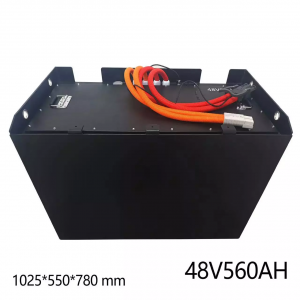
While sodium battery companies capture growth in cost-sensitive segments, Aokly’s 48V560AH all-weather battery embodies the same core values driving the sodium battery revolution: reliability, efficiency, and sustainability. Aokly’s product mirrors sodium battery advantages with its -20°C self-heating function (80% discharge retention), 10-year design life (3x longer than lead-acid), and maintenance free operation—features that resonate with stationary storage needs. Like leading sodium battery companies, Aokly prioritizes ultrasafe performance (multiple built-in protections, thermal stability) and low carbon footprint (no hazardous emissions, low internal resistance). For users seeking trusted energy solutions, Aokly delivers a proven alternative that aligns with the market’s shift toward sustainable chemistry—proving that whether through sodium or lithium technology, Aokly’s commitment to durability and efficiency makes it a reliable partner in the global energy transition.