

Material handling equipment forms the backbone of modern warehouse and distribution center operations. Forklifts, pallet jacks, and order pickers depend on reliable energy sources to maintain productivity throughout shifts. When logistics managers evaluate suppliers for these essential components, multiple considerations influence final decisions that affect daily operations. We at Aokly understand that choosing the right partner requires examining technical specifications alongside service capabilities and long-term support offerings.
Evaluating Operational Requirements and Battery Specifications
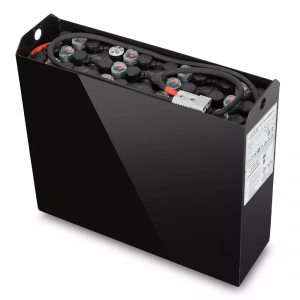
Every logistics facility operates with unique patterns that influence energy storage needs. Multi-shift operations demand batteries capable of sustaining extended discharge periods without performance degradation. The lithium vehicle battery option has gained attention in recent years for its fast charging capabilities and maintenance-free operation compared to traditional flooded alternatives. We note that ampere-hour ratings must align with equipment power requirements and duty cycles to prevent premature discharge during critical tasks. Physical dimensions and terminal configurations must match existing equipment compartments without modification requirements. Voltage compatibility with charger infrastructure affects whether existing charging equipment remains usable or requires replacement. Facilities handling temperature-sensitive goods may operate in cold environments where battery chemistry influences available capacity. Weight distribution characteristics affect vehicle stability, particularly in narrow-aisle applications where precise maneuvering occurs. Connector types must coordinate between batteries, vehicles, and charging stations to ensure seamless daily exchanges. Some operations benefit from battery swapping systems that minimize downtime during shift changes.
Assessing Supplier Technical Expertise and Support Infrastructure
The relationship with an energy storage provider extends beyond initial purchase transactions into ongoing operational partnership. Qualified suppliers demonstrate deep understanding of how lithium vehicle battery technology differs from conventional options in charging requirements and safety considerations. We recognize that technical support availability during operating hours proves essential when unexpected issues disrupt material flow. Training programs for maintenance staff ensure proper handling and care procedures extend service life. Inventory levels of replacement components affect how quickly damaged units return to service. Supplier familiarity with relevant safety standards and regulatory requirements protects facilities from compliance violations. Documentation quality influences how easily technicians troubleshoot system anomalies when they occur. Some suppliers offer monitoring capabilities that track battery health parameters remotely, alerting managers to developing issues before failures occur. Response time commitments for service calls should align with operational criticality and production schedules. References from similar logistics operations provide insight into real-world supplier performance.
Comparing Total Cost and Lifecycle Value Propositions
Initial purchase price represents only one component of the financial equation when evaluating lithium vehicle battery options versus established technologies. Energy efficiency during charging cycles affects utility expenses accumulated over years of operation. Watering requirements for flooded batteries consume labor hours that lithium alternatives eliminate entirely. Floor space allocation for charging areas influences facility utilization efficiency. Battery change-out procedures impact labor productivity during shift transitions. Charger efficiency ratings determine electrical losses during the energy storage process. Warranty terms define protection periods and coverage scope for various failure modes. Recycling programs at end-of-life demonstrate environmental responsibility while potentially recovering material value. Payment structures including leasing arrangements may suit facilities preferring predictable monthly expenses. We believe comprehensive cost analysis examines all these factors rather than focusing narrowly on procurement pricing alone.
Selecting energy storage partners for logistics applications requires balanced evaluation of technical, operational, and financial considerations. We at Aokly encourage procurement professionals to examine how supplier capabilities align with facility-specific requirements before making commitments. The right partnership delivers reliable equipment performance that supports productivity targets while controlling long-term operating expenses. Thoughtful supplier selection establishes foundations for efficient material handling operations well into the future.
