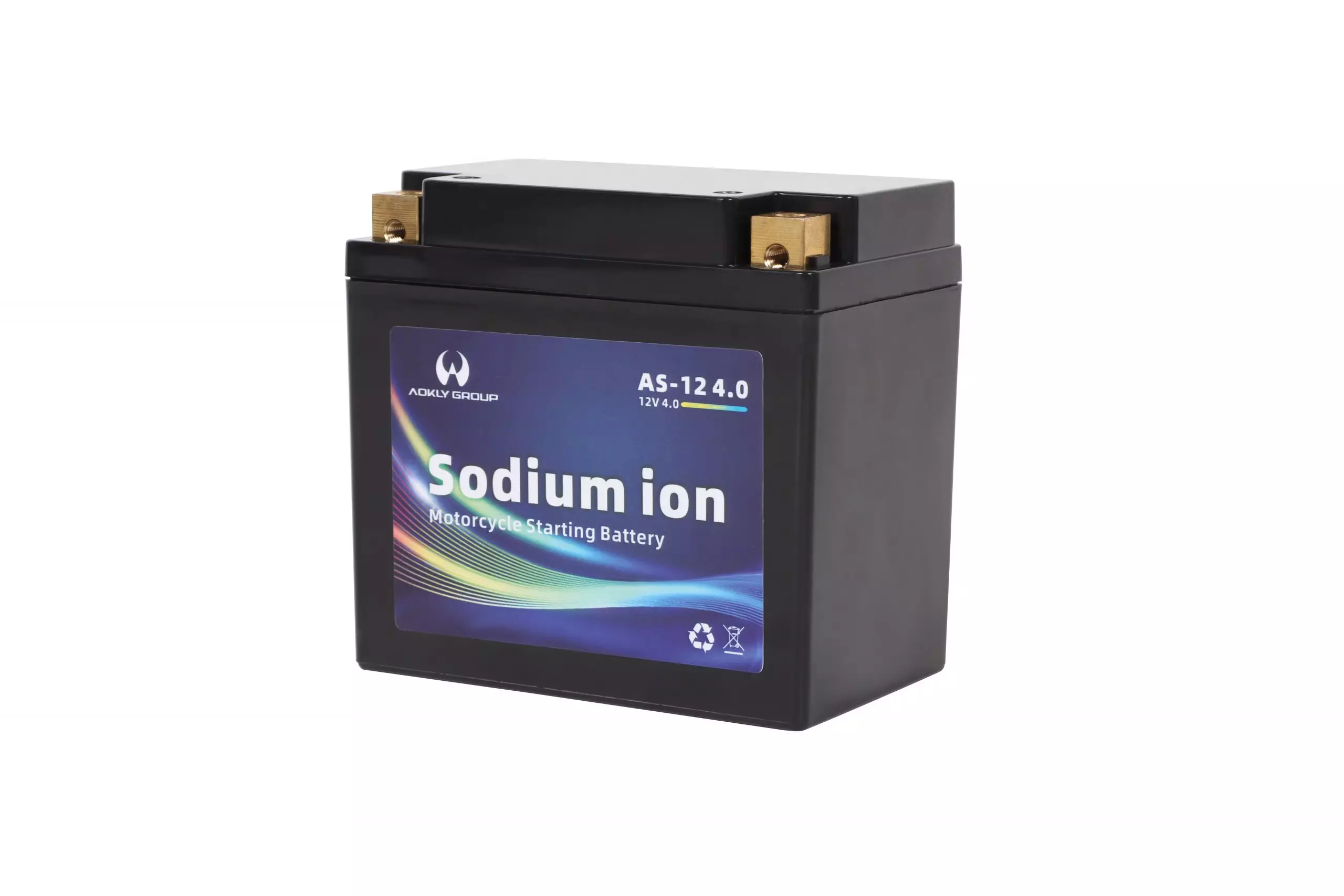
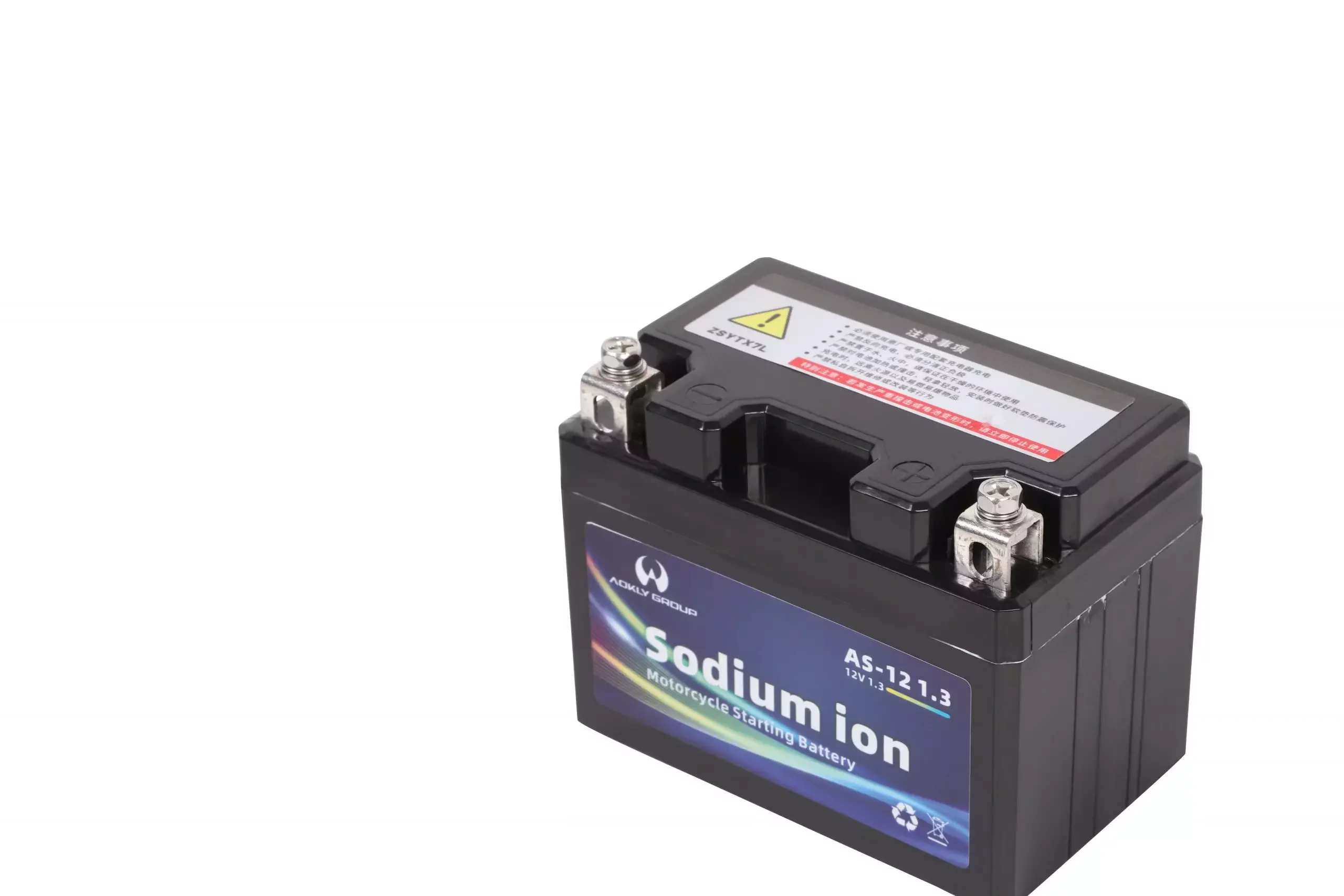
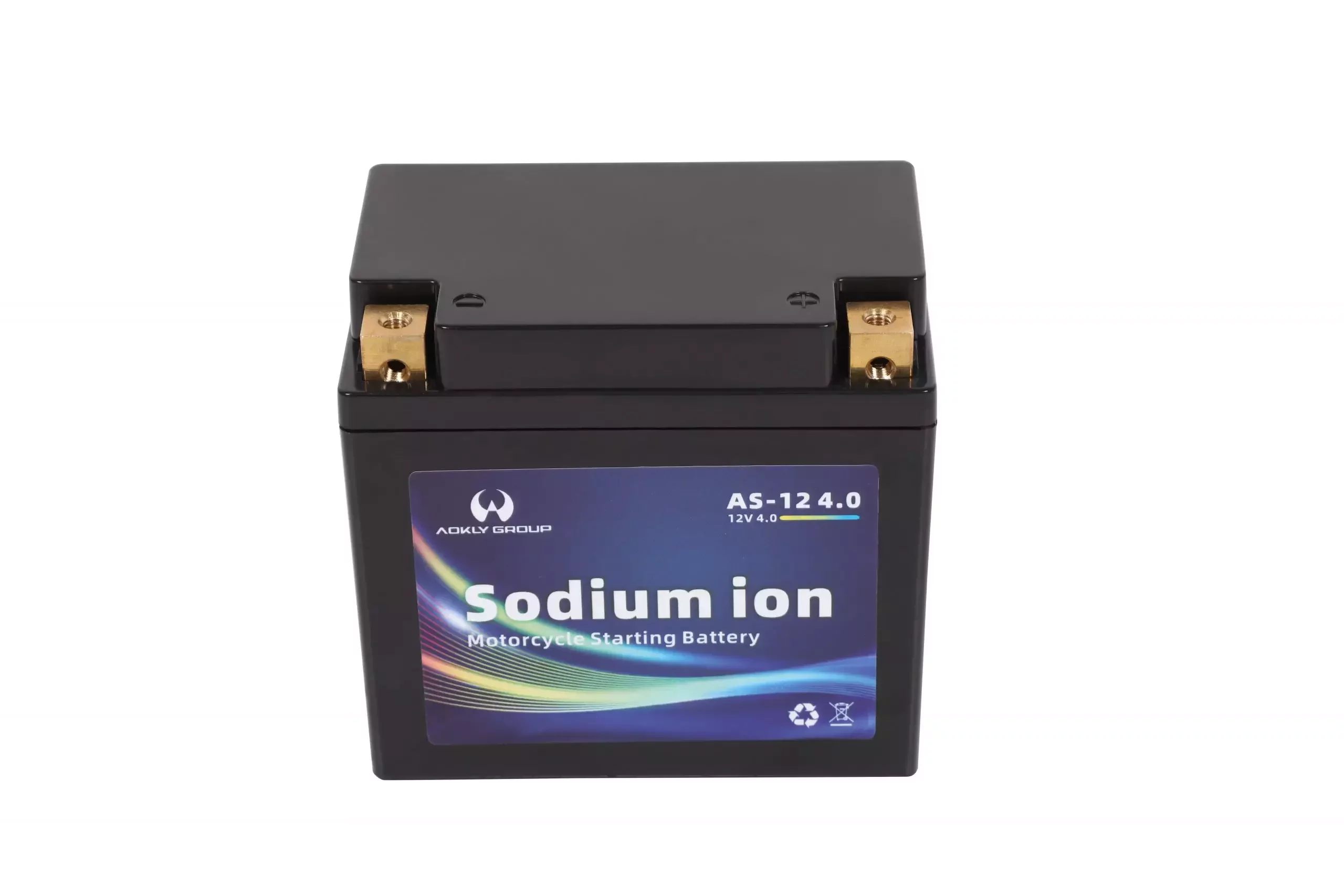
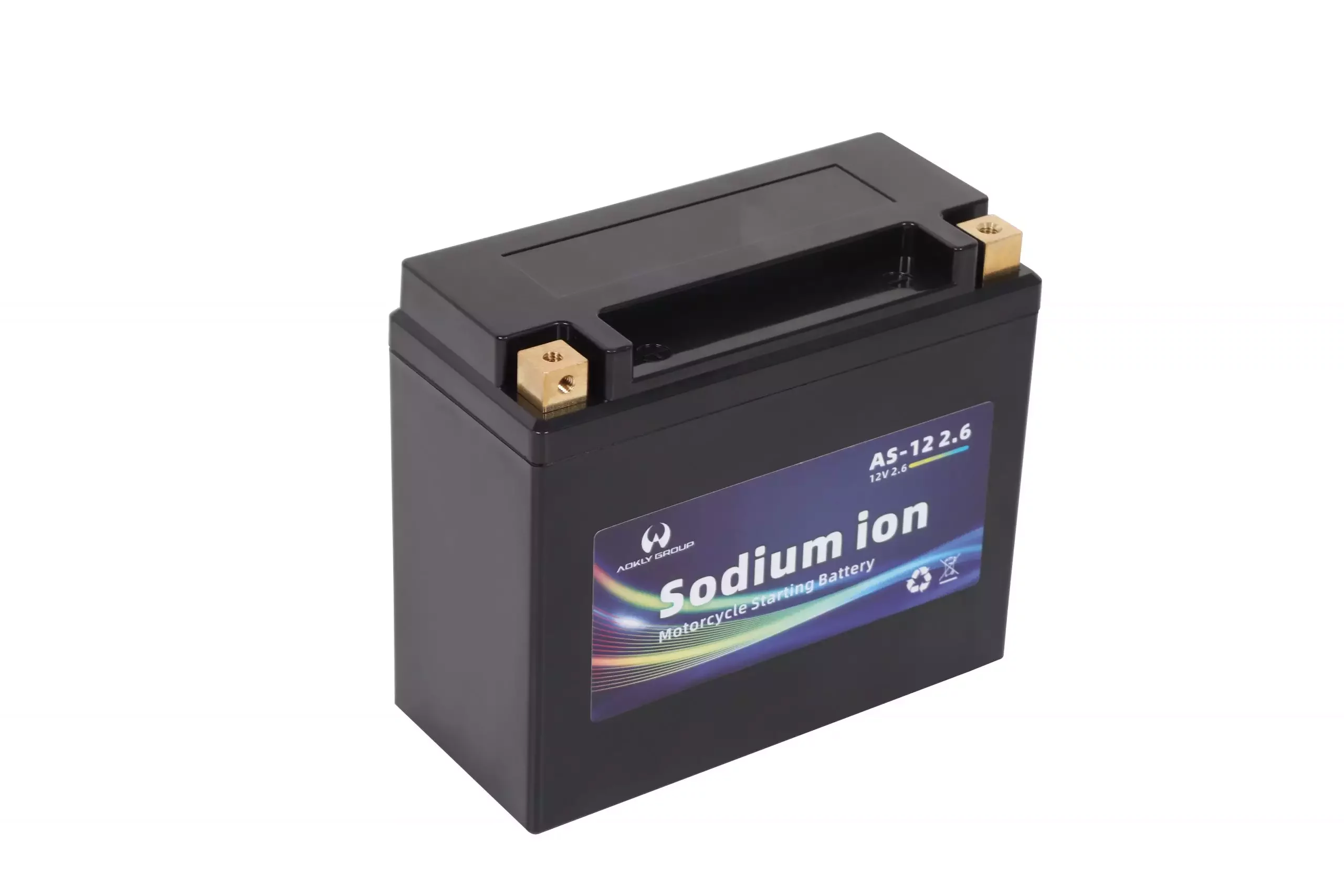
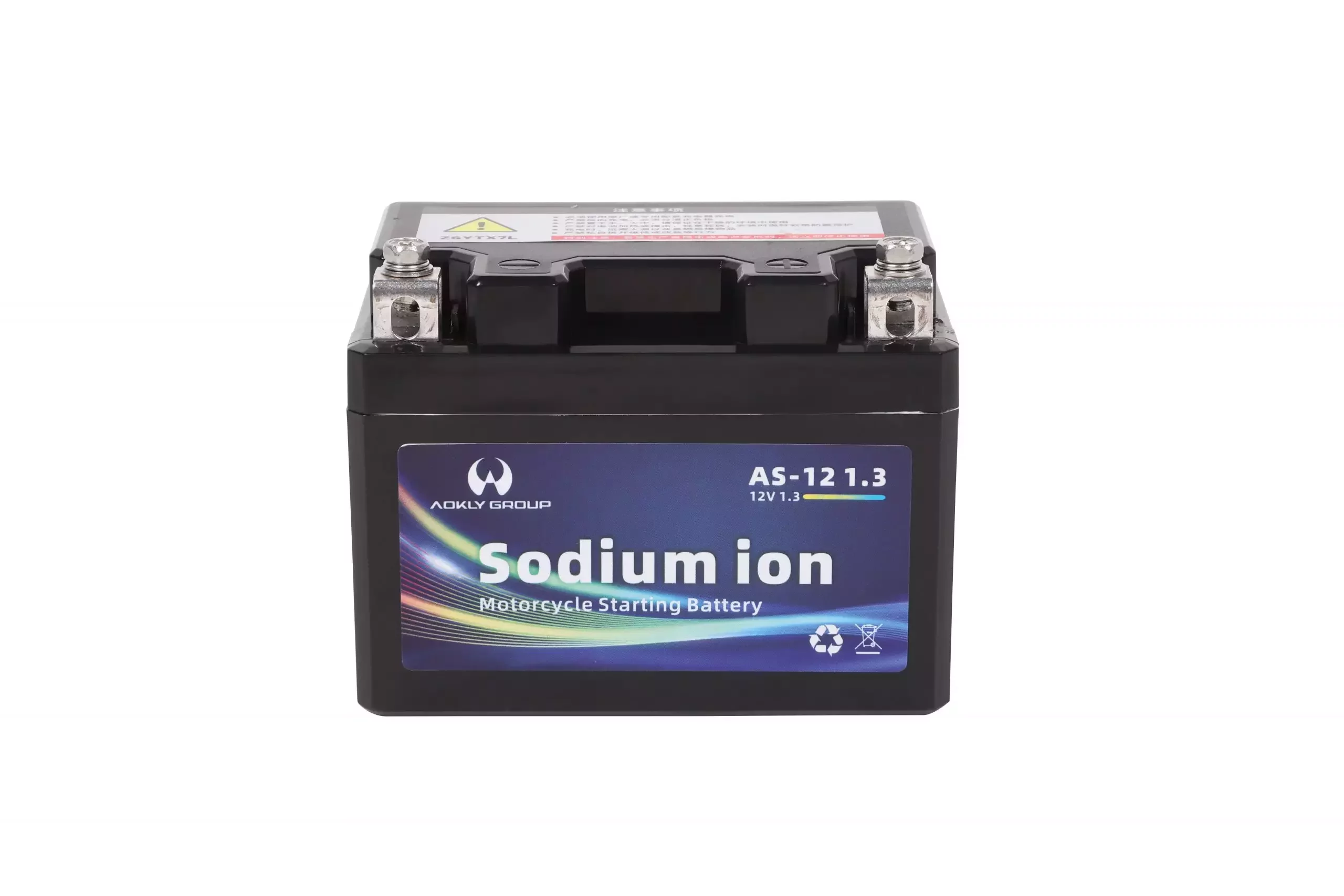
Living off the grid in a remote cabin presents unique challenges, particularly when it comes to securing a consistent and reliable power supply. Traditional energy sources are often unavailable, forcing residents to rely on stored power from solar panels, wind turbines, or generators. For years, the standard solution involved deep-cycle lead-acid batteries. However, advancements in energy storage have introduced a superior alternative. We at Aokly have observed a significant shift toward modern chemistries for these applications. Specifically, the adoption of 12 volt lithium batteries has transformed how cabin owners manage their daily electricity needs, offering efficiency and longevity that older technologies simply cannot match.
Superior Energy Density and Weight Savings
One of the most immediate benefits noticed when switching to lithium is the significant reduction in weight and space. Traditional lead-acid batteries are notoriously heavy and cumbersome, often requiring reinforced flooring and multiple people to install. In contrast, 12 volt lithium batteries pack significantly more usable energy into a smaller, lighter package. This is particularly advantageous for remote cabins, where access may be difficult and structural reinforcements are costly. The reduced weight also makes transportation easier, whether you are hauling the batteries by boat, ATV, or truck over rough terrain. For cabin owners, this means more stored power without sacrificing precious interior space or dealing with back-breaking installation processes.
Maintenance-Free Operation
Remote cabins are often visited intermittently, meaning the power system must function reliably without constant supervision. This is where the maintenance-free nature of lithium becomes a critical advantage. Lead-acid batteries require regular checks of water levels, cleaning of corrosive terminal buildup, and equalization charges to prevent sulfation. Neglecting these tasks inevitably leads to premature failure. However, 12 volt lithium batteries are essentially plug-and-play. They require no watering, no terminal cleaning, and no equalization. They are designed to sit undisturbed for weeks while maintaining their charge with minimal self-discharge. This peace of mind is invaluable for those who cannot be on-site every weekend to babysit their power system.
Maximizing Solar Harvest with Deep Discharge
The primary goal of any off-grid solar setup is to capture and store as much energy as the sun provides. Lead-acid batteries suffer from a major limitation here: they cannot be deeply discharged without sustaining damage. To preserve their lifespan, users are typically advised not to discharge below fifty percent, effectively halving the system’s usable capacity. This is not the case with modern lithium chemistry. These batteries can be safely discharged up to ninety or even one hundred percent of their rated capacity without harming the cells. This means that a cabin owner can run appliances later into the night without worrying about battery damage. For those using renewable sources, this deep discharge capability ensures that every watt generated by the solar panels is stored and utilized, making the entire system far more efficient.
Consistent Voltage and Longer Cycle Life
Another practical consideration for cabin appliances is voltage stability. As lead-acid batteries discharge, their voltage drops steadily, which can cause inverters to shut down or appliances to perform poorly. Lithium batteries maintain a flat voltage curve, delivering consistent power right up until they are nearly empty. This ensures that lights remain bright and motors run smoothly. Furthermore, the lifespan of a lithium battery measured in charge cycles far exceeds that of lead-acid. While a lead-acid bank might last three to five years in a seasonal cabin, a comparable lithium bank can last over a decade. This longevity offsets the higher initial investment, reducing the long-term cost of ownership.
To conclude, powering a remote cabin requires a solution that is lightweight, durable, and efficient. By integrating 12 volt lithium batteries into your renewable energy system, you gain the freedom to enjoy your retreat without constantly worrying about power failures or maintenance schedules. At Aokly, we believe that reliable energy storage is the foundation of true off-grid independence.