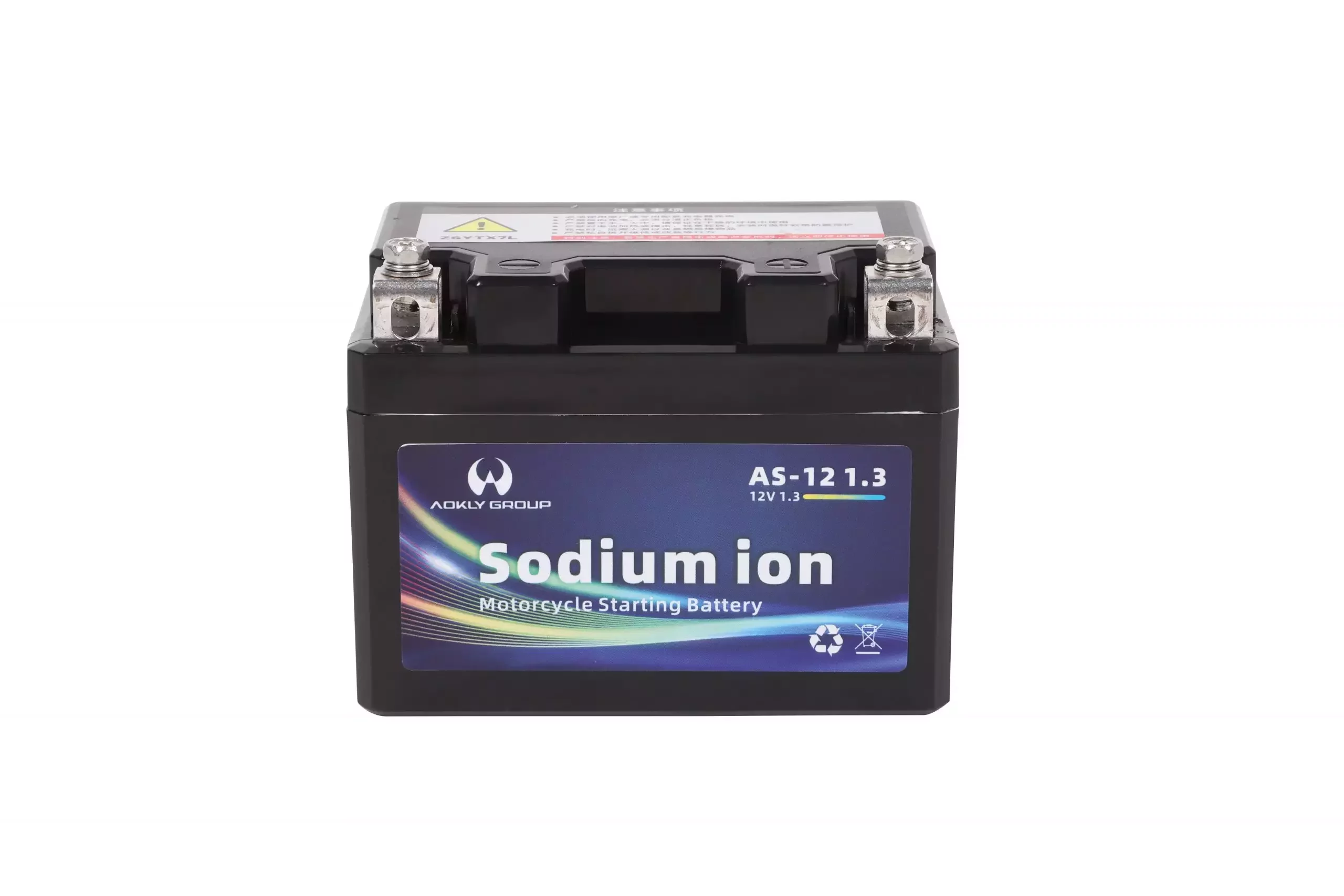
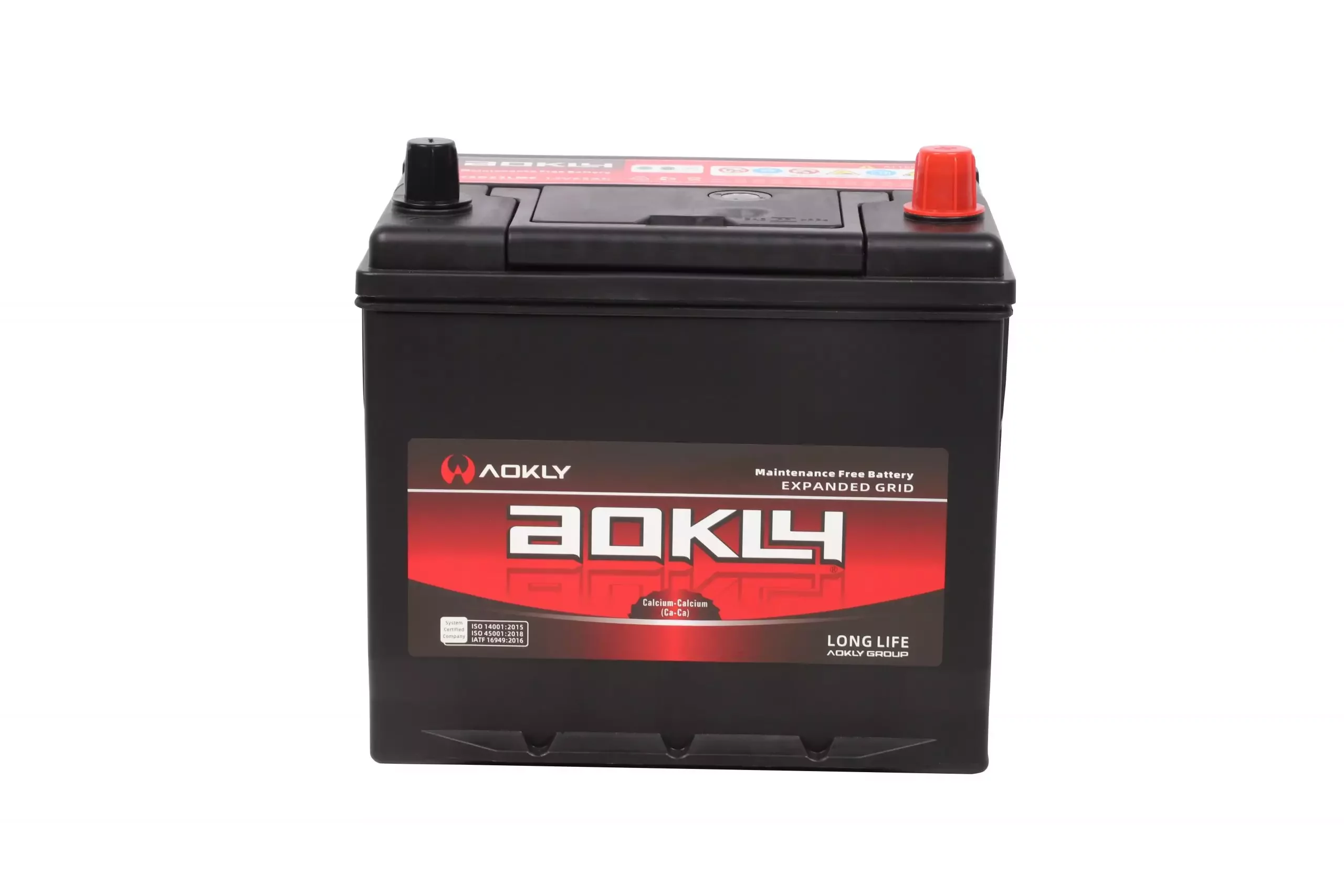
Setting up a lithium battery system can seem daunting, especially for beginners. However, with the right knowledge and planning, it can be a straightforward process that provides significant benefits, including efficiency and reliability. This guide aims to simplify the setup process, specifically focusing on traction batteries and showcasing Aokly’s offerings.
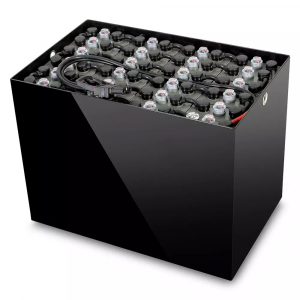
Understanding Lithium Traction Batteries
Before diving into the setup process, it’s crucial to understand what traction batteries are. Traction batteries are specialized lithium batteries designed for high discharge rates and longevity, making them ideal for applications such as electric vehicles and industrial equipment. Aokly’s 4PZS480 model exemplifies this with a long design life of over 1500 cycles at 80% depth of discharge (DOD), ensuring reliable performance in demanding situations.
When planning a battery system, knowing the requirements of your specific application is pivotal. Determine the power needs, discharge rates, and environmental conditions to select the appropriate traction battery that will maximize efficiency and performance.
Planning Your System Layout
Once you understand your battery needs, the next step is to plan your system layout. This involves deciding where to install the battery and how to connect it to your power system. Start by identifying a suitable location that is dry, well-ventilated, and temperature-regulated. Aokly’s traction batteries are designed to perform well even in low temperatures, but maintaining an optimal environment will enhance longevity.
Next, plan the electrical connections carefully. Aokly’s 4PZS480 features a reliable sealing structure that helps prevent short circuits, but proper wiring is still crucial for safety. Use quality components and ensure that the gauge of the wires is appropriate for the current your system will handle. Consider whether an automatic watering system or gas mixing system could benefit your setup. While these features are optional, they can simplify maintenance and enhance battery performance in the long run.
Installing and Testing the System
With your layout planned, it’s time to install the battery. Begin by carefully connecting the traction battery according to your layout plan. Ensure all connections are tight and secure to prevent any voltage drops or short circuits. After installation, it’s essential to test the system thoroughly. Start by checking the voltage and ensuring that all connections function correctly. Next, monitor the system under load to verify that it performs as expected. Aokly’s traction batteries are known for their excellent cycle performance and recovery ability after deep discharge, so observing how the system behaves during initial usage will provide valuable insights.
Don’t forget to consult the user manual for specific instructions related to your Aokly model. This step ensures that you follow proper safety protocols and maintenance tips, prolonging the lifespan of your traction battery.
Maximizing Lithium Battery System Efficiency
In summary, setting up a lithium battery system, particularly a traction battery like Aokly’s 4PZS480, involves understanding your power needs, planning your layout, and executing the installation carefully. By paying attention to these factors, beginners can establish a robust battery system that maximizes efficiency and reliability.
Stepping into the World of Lithium Battery Technology
In conclusion, embarking on the journey of lithium battery systems opens up numerous possibilities for enhancing your energy storage solutions. With Aokly‘s advanced traction batteries and adherence to careful setup practices, users can enjoy the full benefits of lithium technology while ensuring optimal performance and longevity. By following this guide, beginners can confidently set up their lithium battery systems, making a meaningful step toward sustainable energy solutions.