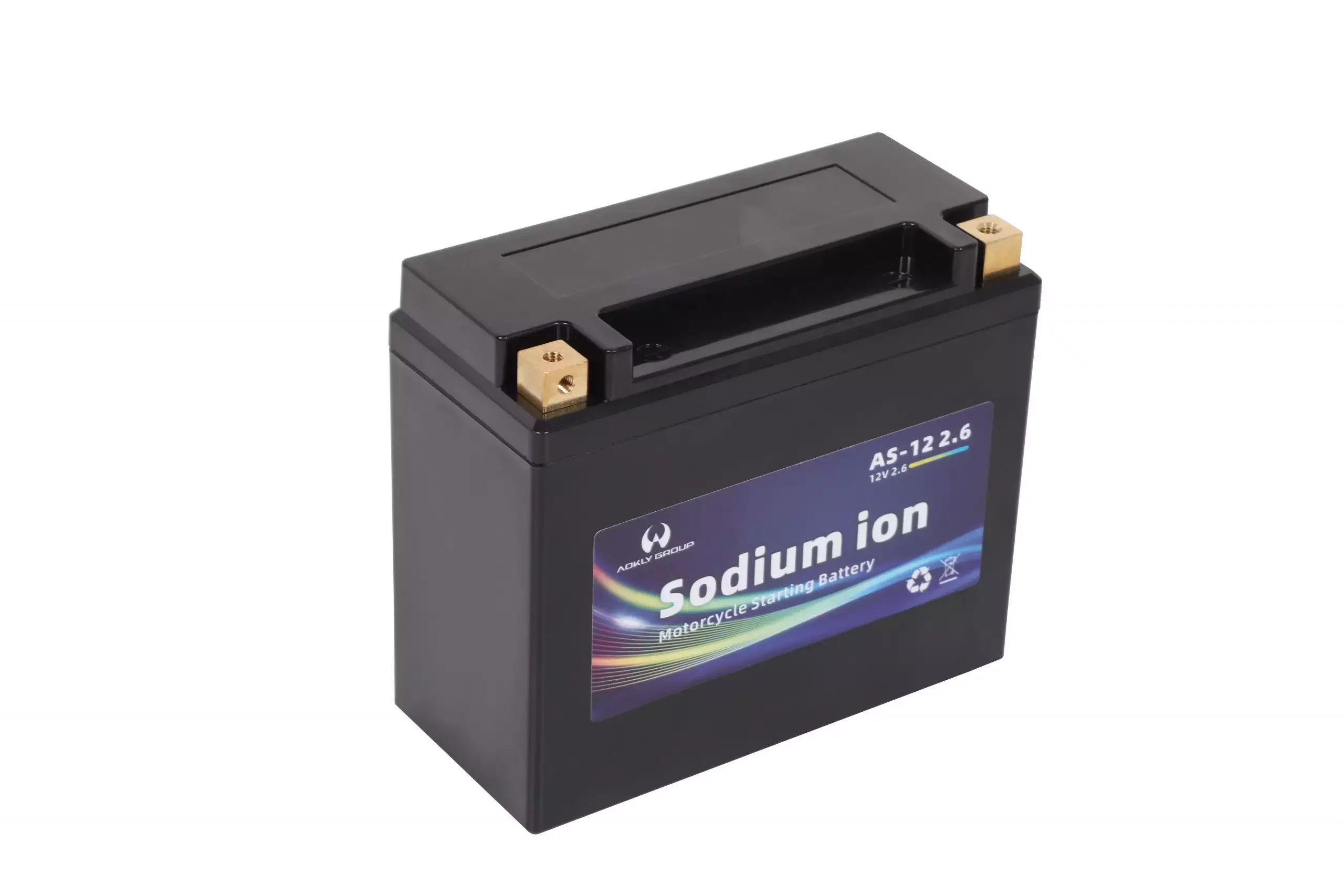
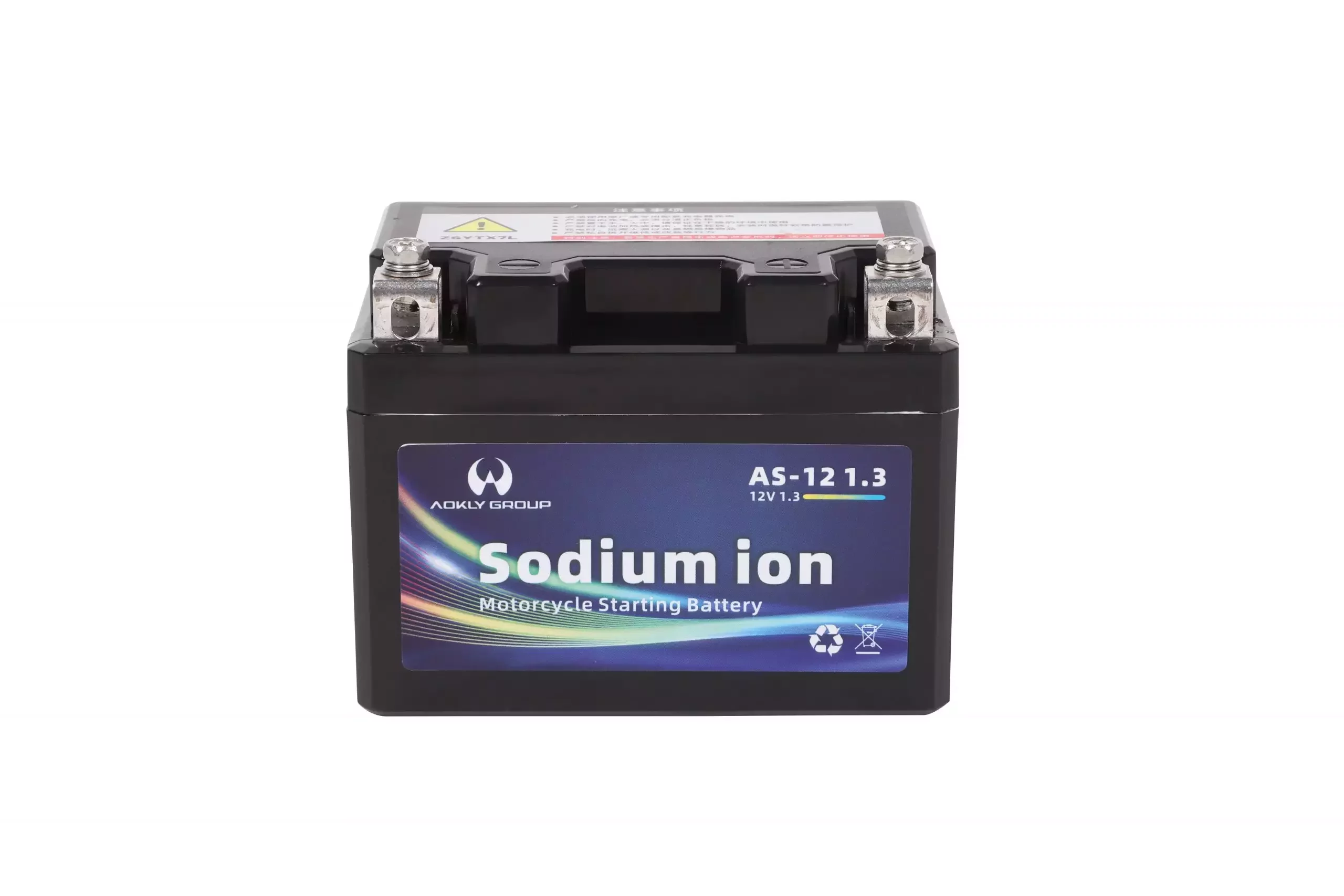
Hybrid vehicles place different demands on electrical systems than conventional petrol and diesel cars. Hybrid electric vehicles (HEVs) and mild hybrid electric vehicles (MHEVs) both use electrical energy to improve efficiency, but their battery configurations and engine-starting methods can differ. Choosing the right AGM stop start battery therefore requires buyers to understand the battery’s function, the vehicle’s electrical architecture, and the manufacturer’s replacement requirements.
At Aokly, we provide automotive battery solutions for different vehicle applications. For automotive parts distributors, repair technicians, and battery importers, understanding these differences helps prevent incorrect replacements and improve battery selection.
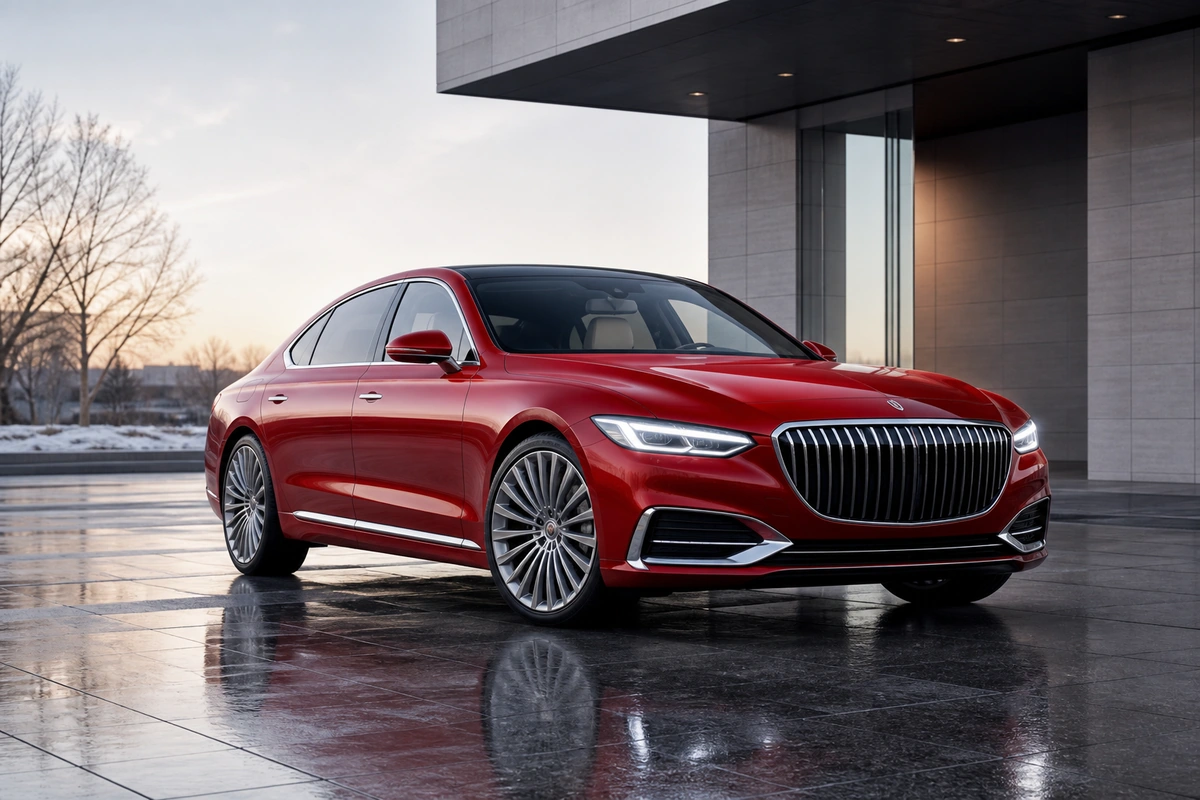
How Do HEV and MHEV Battery Systems Differ?
An HEV combines an internal combustion engine with an electric motor and a high-voltage traction battery. Depending on its design, the vehicle can use electric power to assist acceleration or drive under electric power in certain conditions. The engine may restart through the hybrid powertrain rather than a conventional 12V starter motor.
An MHEV typically uses an electric motor-generator to assist the engine, recover energy during deceleration, and support automatic start-stop operation. Many MHEVs have a 12V electrical system alongside a separate 48V battery system, although configurations vary by manufacturer.
These differences matter when selecting an AGM battery for auto start stop applications. In some vehicles, the AGM battery supplies engine-cranking power. In others, it primarily powers low-voltage electronics, control units, lighting, and accessories while a separate electrical system manages engine restarting.
Buyers should identify the battery’s actual role before recommending a hybrid car battery replacement. The presence of hybrid technology alone does not determine which battery type or specification is required.
Why Is AGM Technology Used in Hybrid Vehicles?
AGM stands for Absorbent Glass Mat. This lead-acid battery design holds electrolyte within absorbent glass-fibre separators between the plates. Compared with conventional flooded starter batteries, AGM batteries are designed to withstand demanding charge-discharge cycles and accept charging current efficiently under suitable conditions.
These characteristics are useful in vehicles with automatic start-stop systems, where the engine may shut down repeatedly in traffic. Electrical equipment can continue operating during engine-off periods, so the battery must support these loads and recover energy when charging becomes available.
In compatible MHEVs, regenerative braking and energy-management strategies can create additional demands on the low-voltage auxiliary battery. AGM technology can support these operating conditions, provided the vehicle’s charging system is compatible.
Aokly’s AGM start-stop range is designed for demanding starting applications, with features including strong starting capability, charge acceptance, and extended cycle life. Buyers should consult our published specifications rather than assume every model suits every hybrid vehicle.
What Specifications Should Buyers Check?
Selecting a suitable AGM stop start battery involves more than checking capacity. Automotive technicians and distributors should compare the following details with the vehicle manufacturer’s requirements.
- Voltage and capacity: Confirm the required system voltage and rated capacity in ampere-hours (Ah).
- Cold-cranking amps (CCA): Where the battery performs engine cranking, verify that its starting-current rating meets the manufacturer’s specifications.
- Dimensions and terminals: Check the housing size, terminal positions, and mounting arrangement.
- Battery technology: Confirm whether the vehicle requires AGM, enhanced flooded battery (EFB), or another technology. Do not replace AGM with a conventional flooded battery unless the manufacturer permits it.
- Battery-management requirements: Determine whether replacement requires battery registration, adaptation, or a specific charging procedure.
These figures apply to that specific model, not to all HEV or MHEV vehicles. Always verify the intended application before recommending it.
How Should Buyers Handle Installation and Maintenance?
Hybrid vehicles require additional care because their low-voltage and high-voltage systems may interact. Technicians should follow the vehicle manufacturer’s service instructions and use appropriate diagnostic equipment.
First, inspect the battery and charging system. Repeated discharge can result from battery ageing, parasitic electrical loads, faulty connections, or charging-system problems. Replacing the battery without identifying the cause may lead to another failure.
Second, use a charger suitable for AGM batteries and follow the specified charging procedure. Avoid charging methods that exceed permitted voltage or temperature limits. Some hybrids use a DC-DC converter to charge the 12V battery rather than a conventional alternator, so charging behaviour varies by vehicle.
Third, check whether battery registration or adaptation is required. Follow the manufacturer’s procedure so the battery-management system can monitor battery condition and manage charging appropriately.
Finally, never work on high-voltage hybrid components without the necessary training and safety equipment. Use a qualified technician whenever the manufacturer’s procedures require specialist knowledge.
How Can Distributors Recommend the Right Battery?
Battery importers and automotive battery distributors should collect the vehicle’s make, model, year, hybrid variant, original battery technology, and battery identification details before recommending a replacement.
When fitment information is incomplete, confirm the requirements using reliable vehicle documentation or an appropriate application catalogue. Physical dimensions alone are insufficient because batteries that fit the same space may differ in electrical performance and compatibility.
At Aokly, we provide product specifications and application guidance to help customers identify suitable AGM models for their markets and vehicle requirements.
Conclusion
An AGM battery for auto start stop applications can provide the cycling capability, charge acceptance, and starting performance required by compatible hybrid vehicles. However, HEVs and MHEVs differ in how they use their 12V batteries, so correct selection depends on the vehicle’s electrical architecture and manufacturer specifications.
At Aokly, we recommend checking battery technology, capacity, starting requirements, dimensions, and registration procedures before purchasing. Understanding these factors helps workshops, distributors, and importers select compatible batteries and reduce unnecessary replacements.