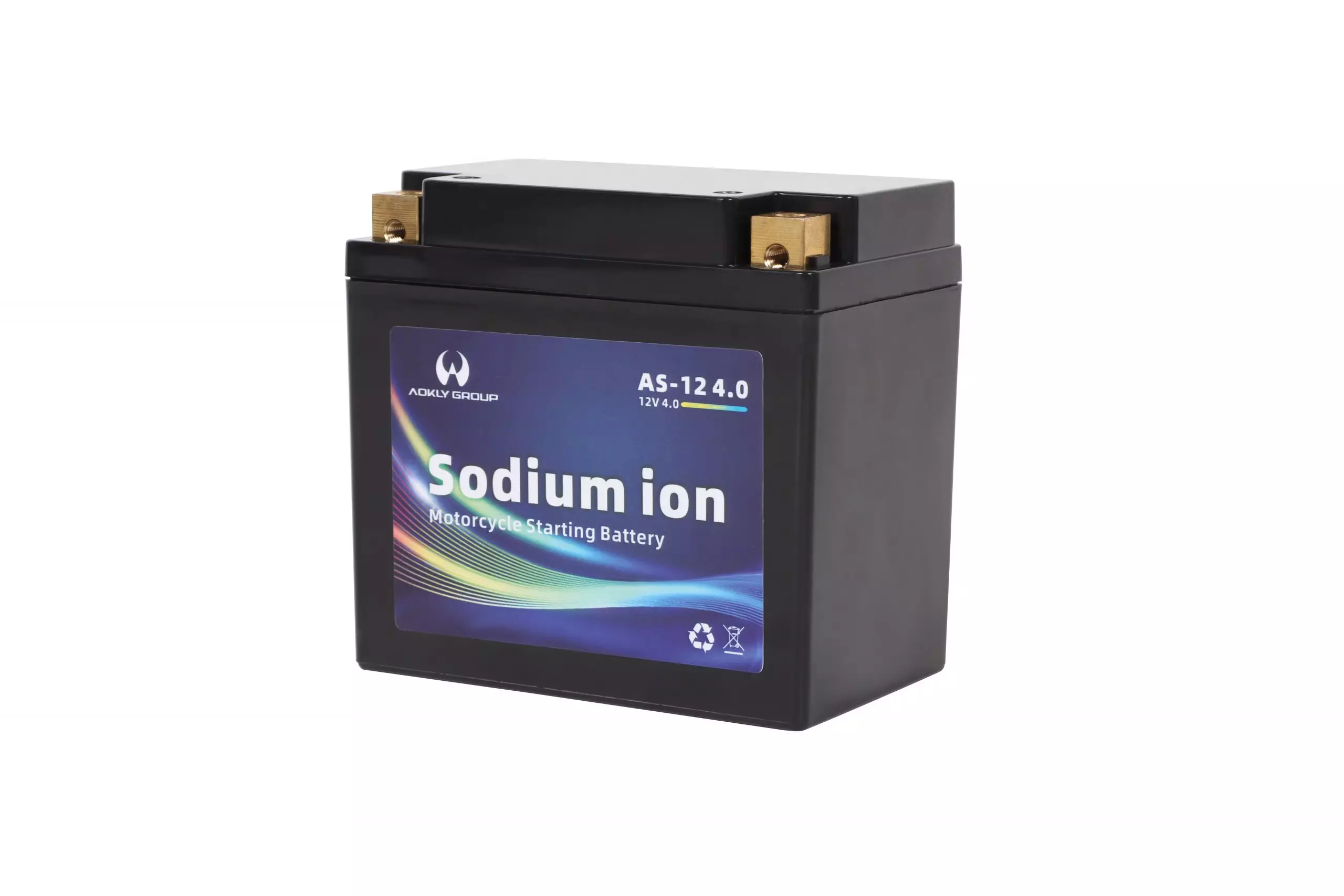
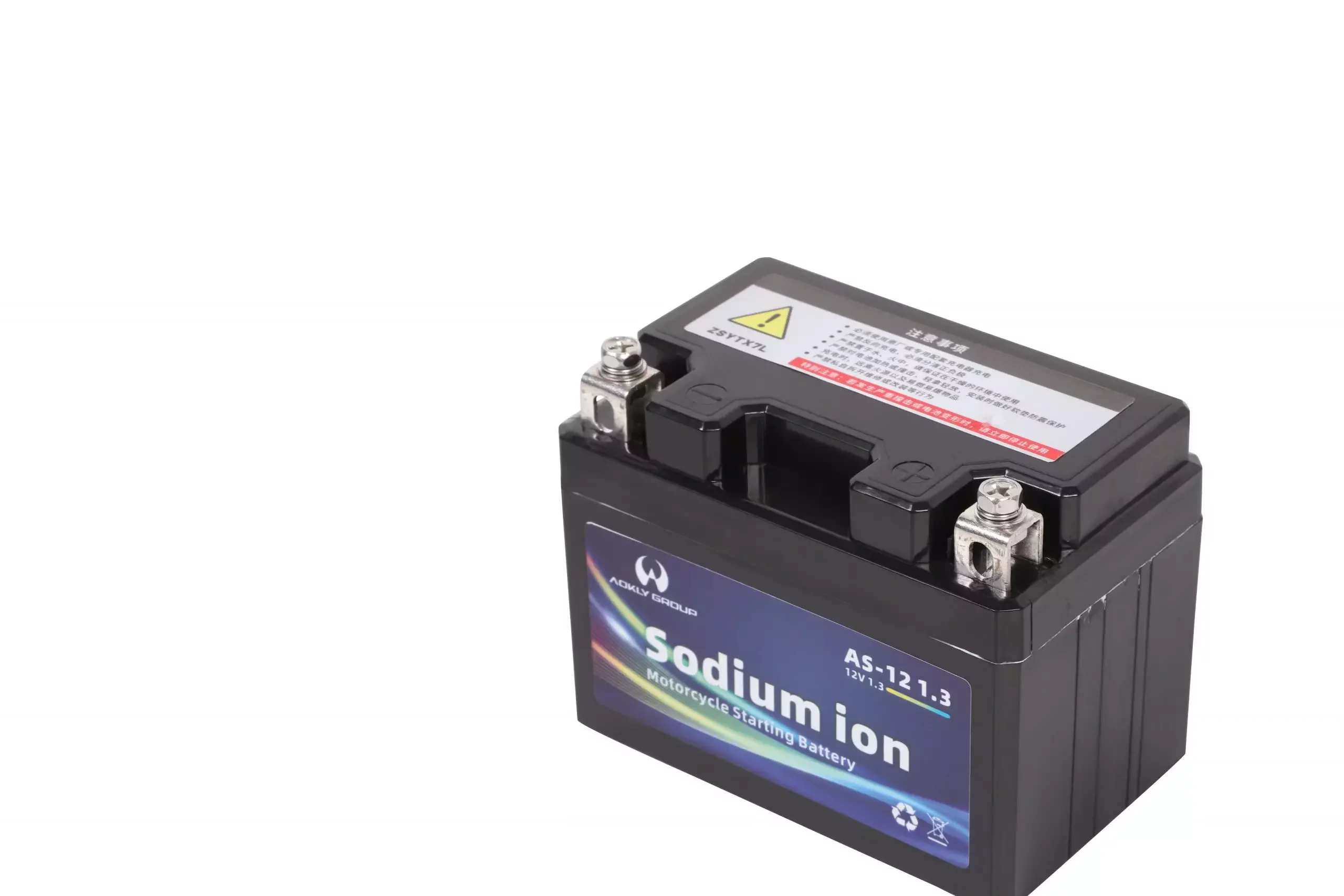
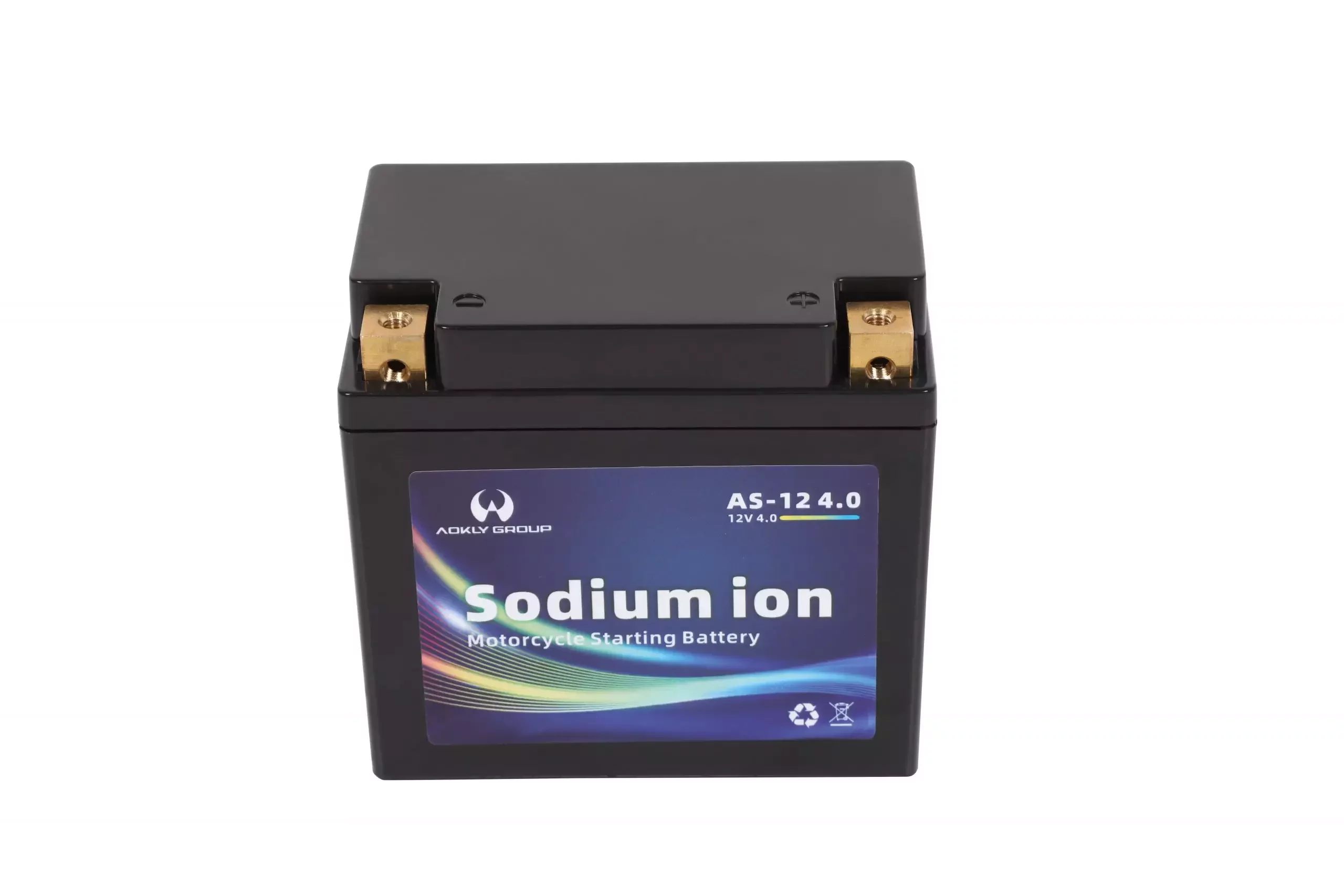
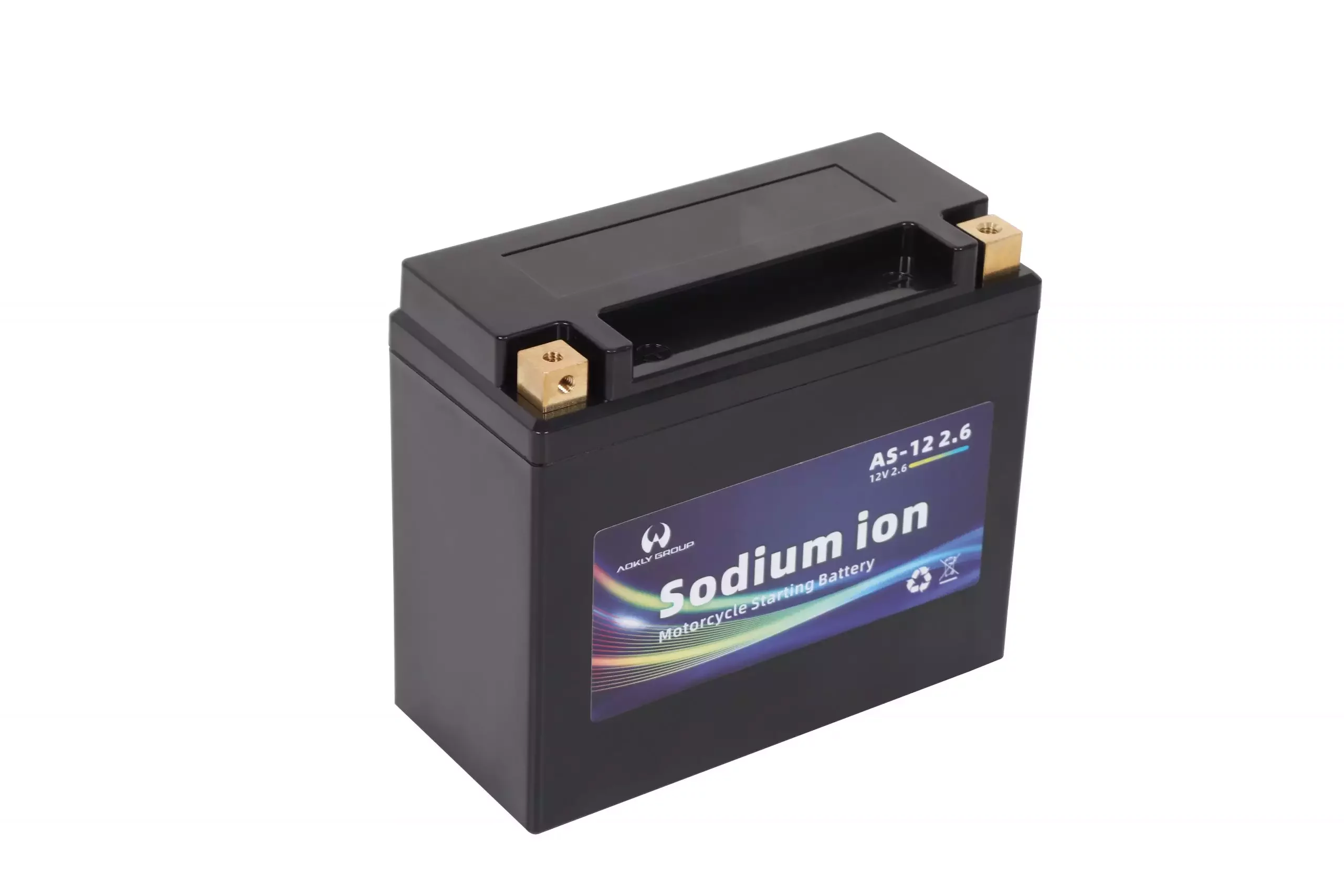
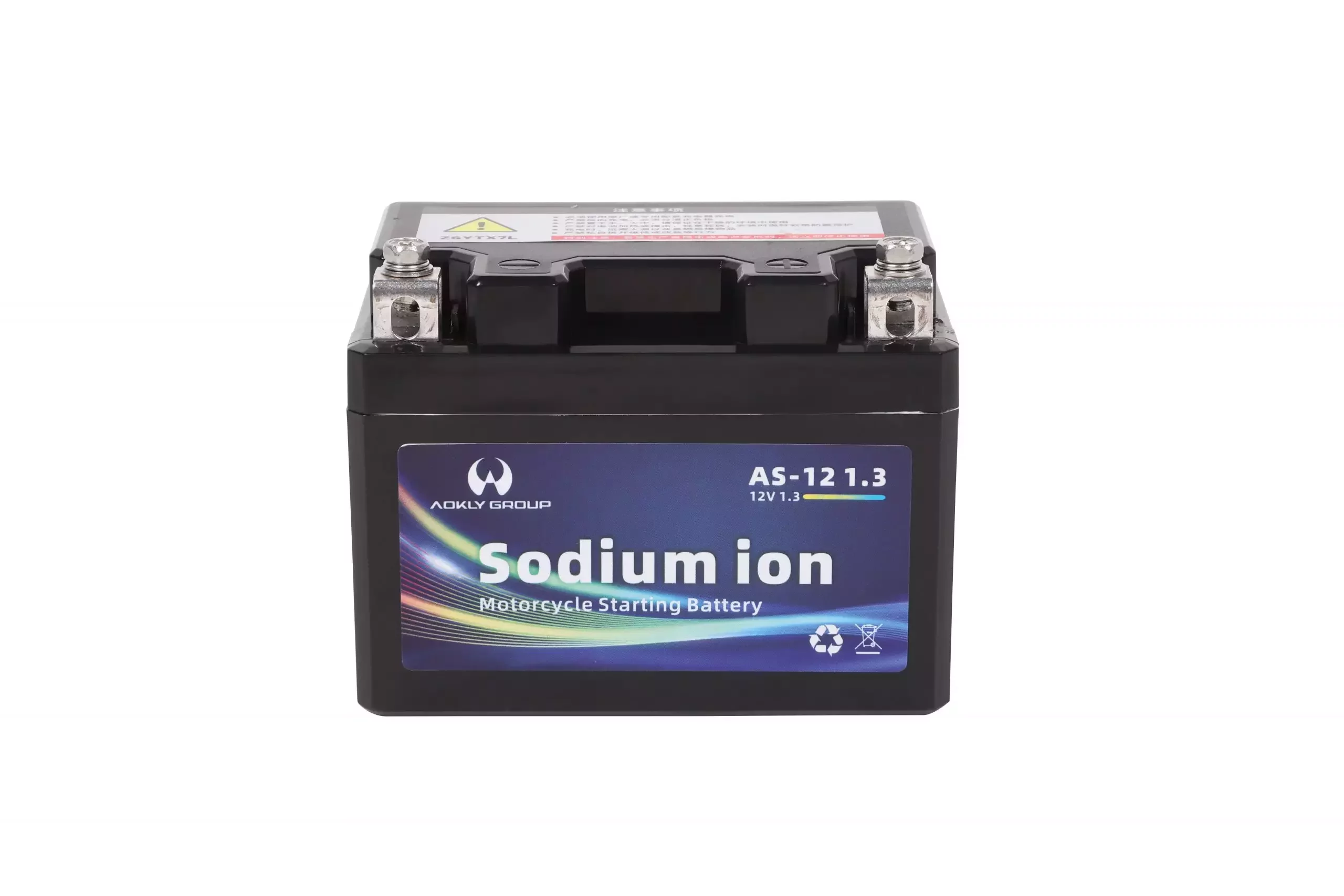
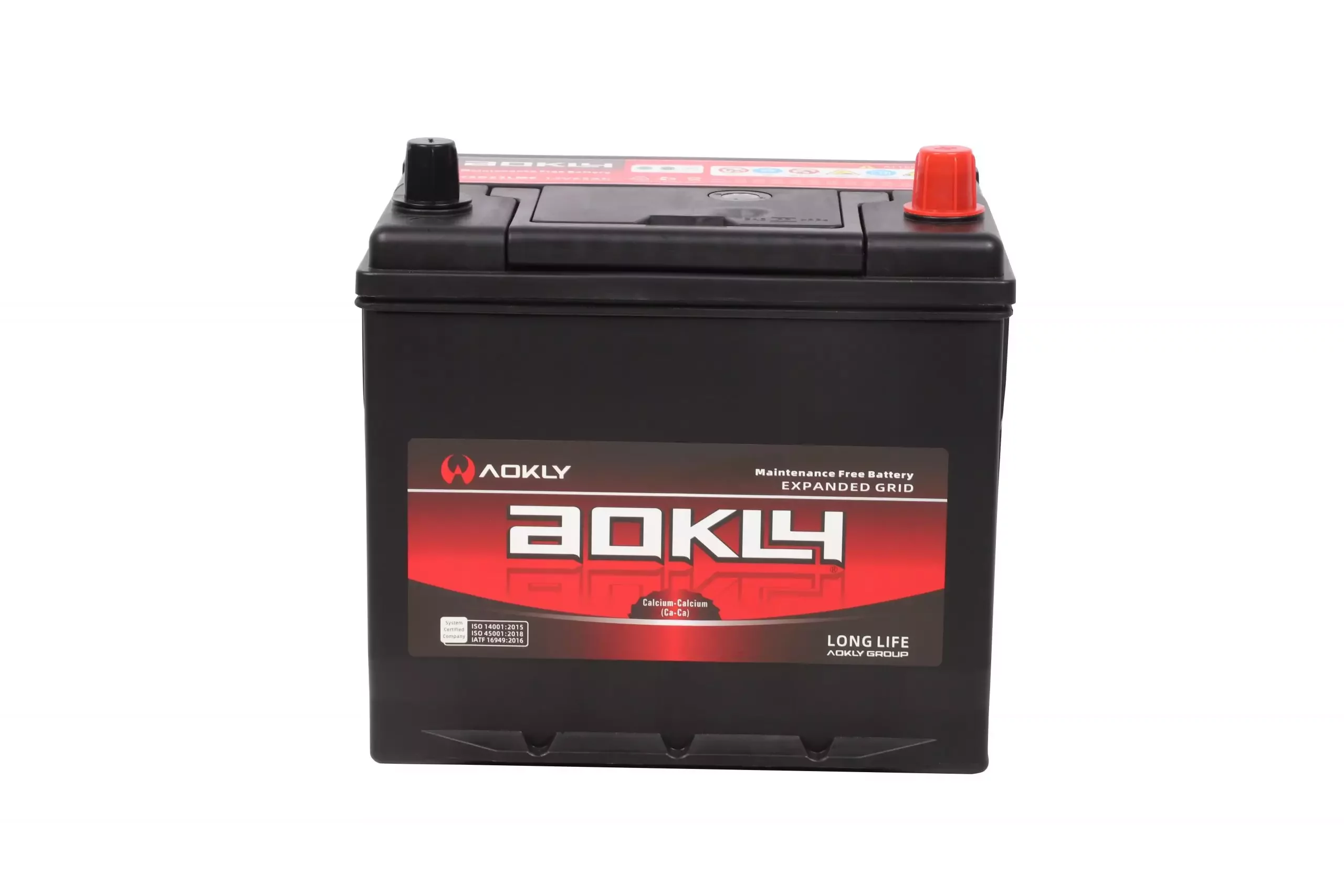
When it comes to energy storage solutions, the choice between a 12V lithium traction battery and a gel battery can significantly impact performance, longevity, and overall system efficiency. This article examines the pros and cons of these two popular battery types, providing insights that can help users make informed decisions for their specific applications. Aokly, known for its high-quality products, will be referenced throughout the discussion.
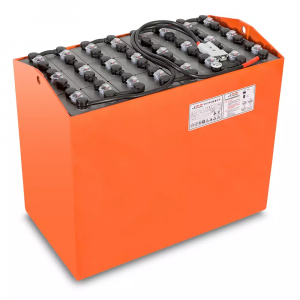
Advantages of 12V Lithium Traction Batteries
12V lithium traction batteries, like Aokly’s models, notably the 6PZB600, offer several substantial advantages. One of the primary benefits is longevity; lithium batteries typically enjoy a long design life, with Aokly’s offering more than 1500 cycles at 80% depth of discharge (DOD). This translates to fewer replacements and reduced long-term costs.
Another significant advantage is performance. Lithium traction batteries excel in providing high discharge rates and recovery capabilities. They are capable of delivering power quickly, making them ideal for applications that demand immediate energy, such as electric vehicles or high-drain devices. Additionally, Aokly’s lithium batteries have excellent low-temperature performance, ensuring reliability in various environmental conditions.
Lithium batteries also tend to require minimal maintenance compared to gel batteries. With features such as a reliable sealing structure and optional automatic watering systems, Aokly’s designs contribute to a hassle-free user experience. This aspect is particularly appealing for users who prefer low-maintenance solutions.
Disadvantages of 12V Lithium Traction Batteries
Despite their many benefits, 12V lithium traction batteries do have some drawbacks. The most notable is their higher initial cost. Although prices are decreasing, lithium batteries typically command a premium due to the advanced technology involved in our production.
Another issue is the sensitivity to overcharging and discharging. While high-quality lithium batteries, such as those from Aokly, generally include built-in protection mechanisms against short circuits and other issues, improper management can lead to degradation. Users must ensure that they are using compatible chargers and following recommended guidelines to maximize battery lifespan.
Advantages and Disadvantages of Gel Batteries
On the other hand, gel batteries offer certain advantages that may make them suitable for specific applications. They are generally less expensive than lithium batteries, making them a more accessible option upfront. Additionally, gel batteries are known for their safety, as they are less likely to leak and can handle a wider range of environmental conditions without risk of damage.
However, gel batteries have their limitations. They typically have a shorter lifespan—often around 500 cycles at 50% DOD—compared to lithium traction batteries. Their lower discharge rates can also affect performance, especially in applications requiring quick bursts of energy. Moreover, gel batteries require regular maintenance, including checking electrolyte levels, which can be inconvenient for users seeking a reliable, low-maintenance option.
Choosing the Right Battery for Your Needs
In summary, both 12V lithium traction batteries and gel batteries have distinct advantages and disadvantages. Lithium traction batteries, such as Aokly’s 6PZB600, offer long life, excellent performance, and low maintenance at a higher initial cost. Meanwhile, gel batteries provide a more affordable option with reliable safety features, albeit with shorter lifespans and regular maintenance requirements.
Making An Informed Decision for Energy Storage Solutions
In conclusion, selecting between a 12V lithium traction battery and a gel battery ultimately depends on the specific needs of the application. For those prioritizing performance, longevity, and minimal maintenance, lithium traction batteries from Aokly present a compelling choice. However, users focused on lower upfront costs and safety may find gel batteries more appropriate for their projects. Understanding these pros and cons is crucial in making an informed decision that aligns with your energy storage needs.