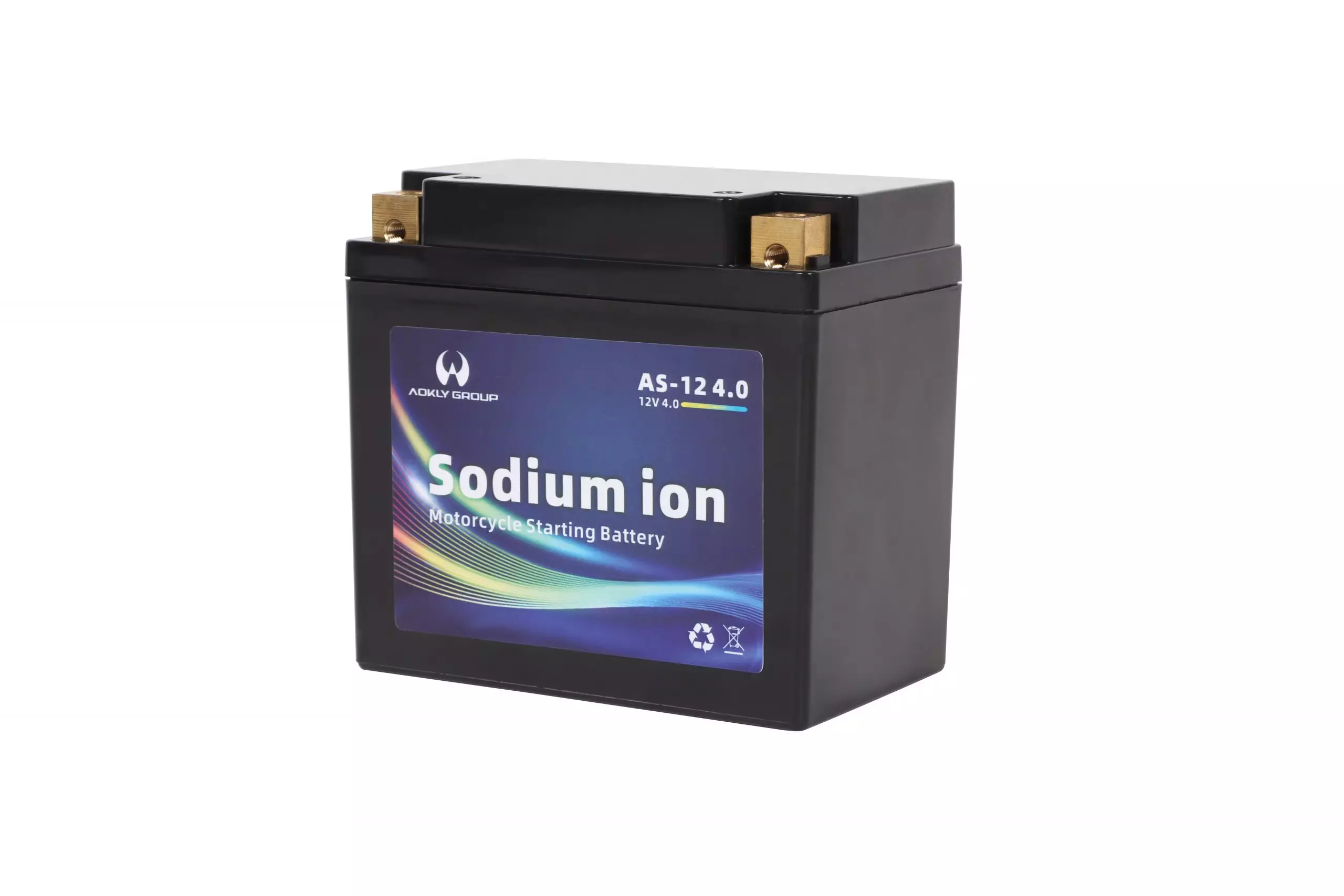
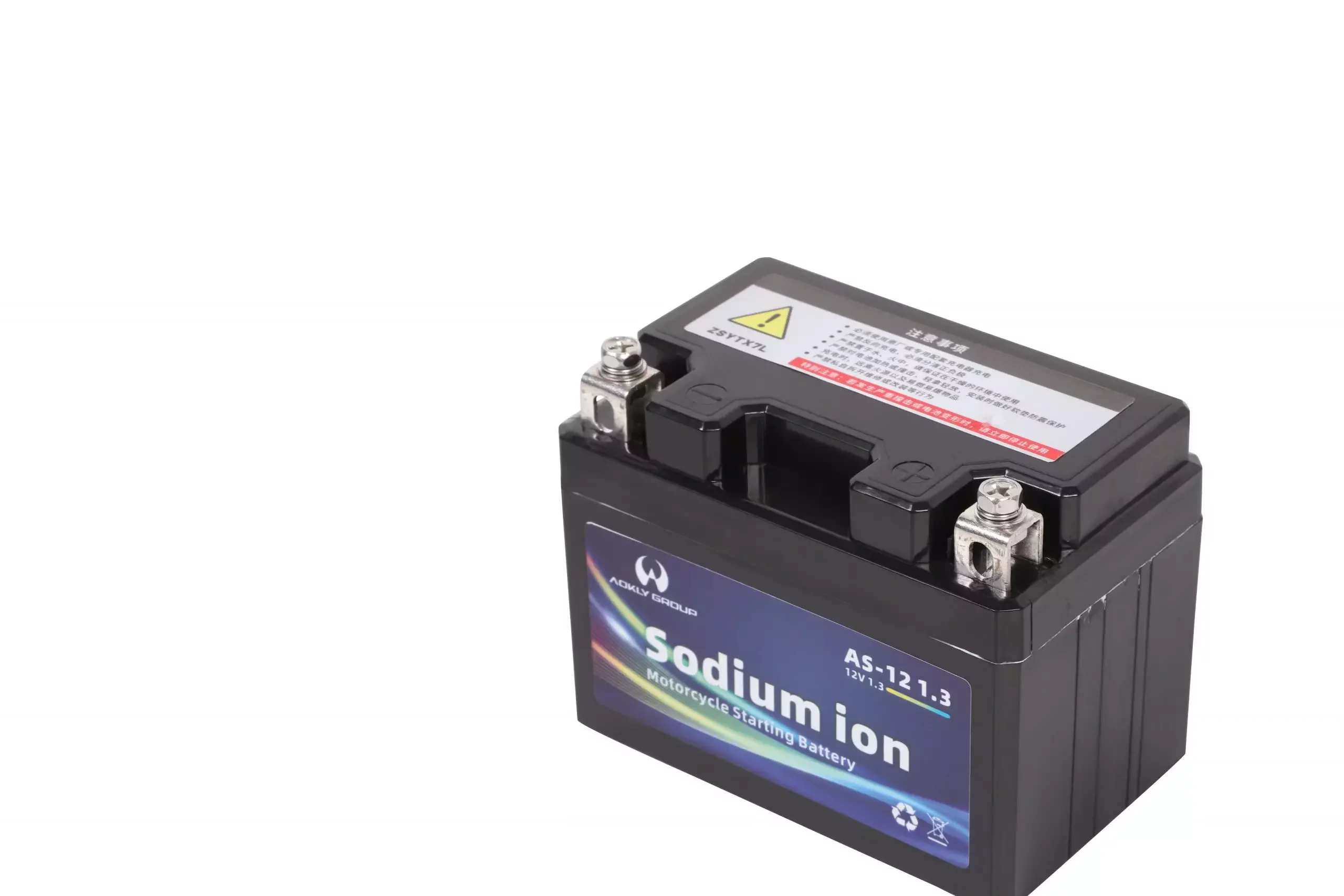
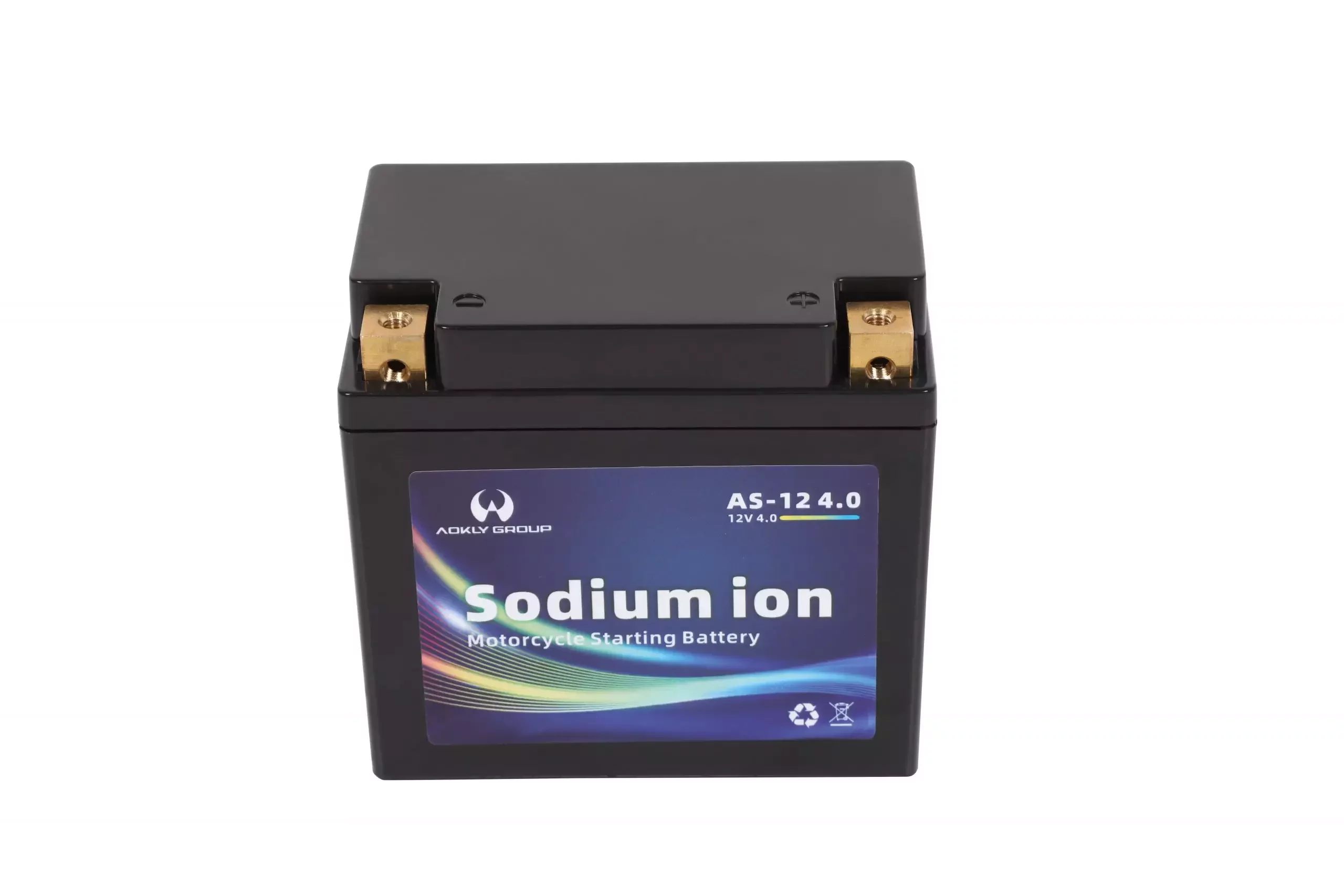
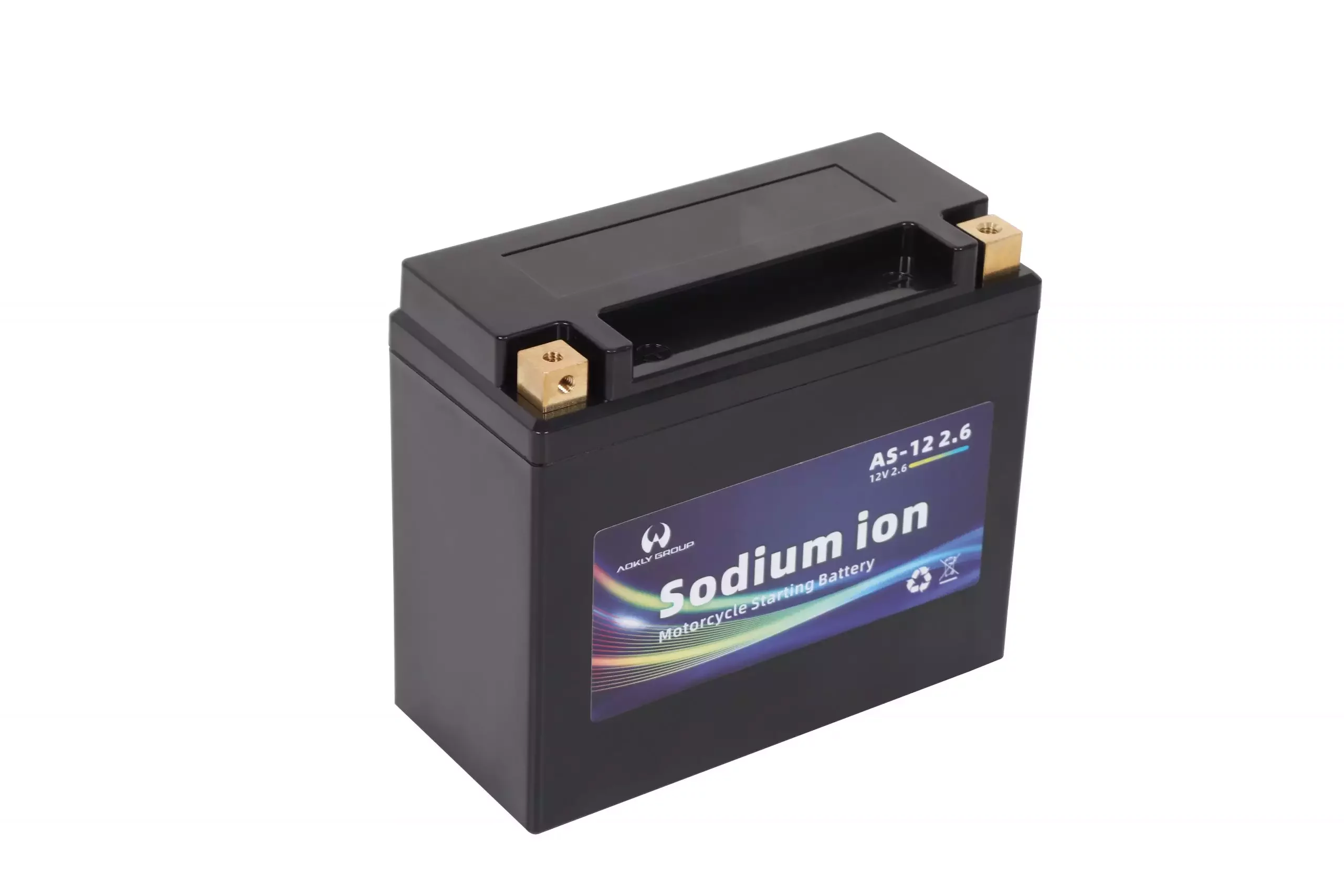
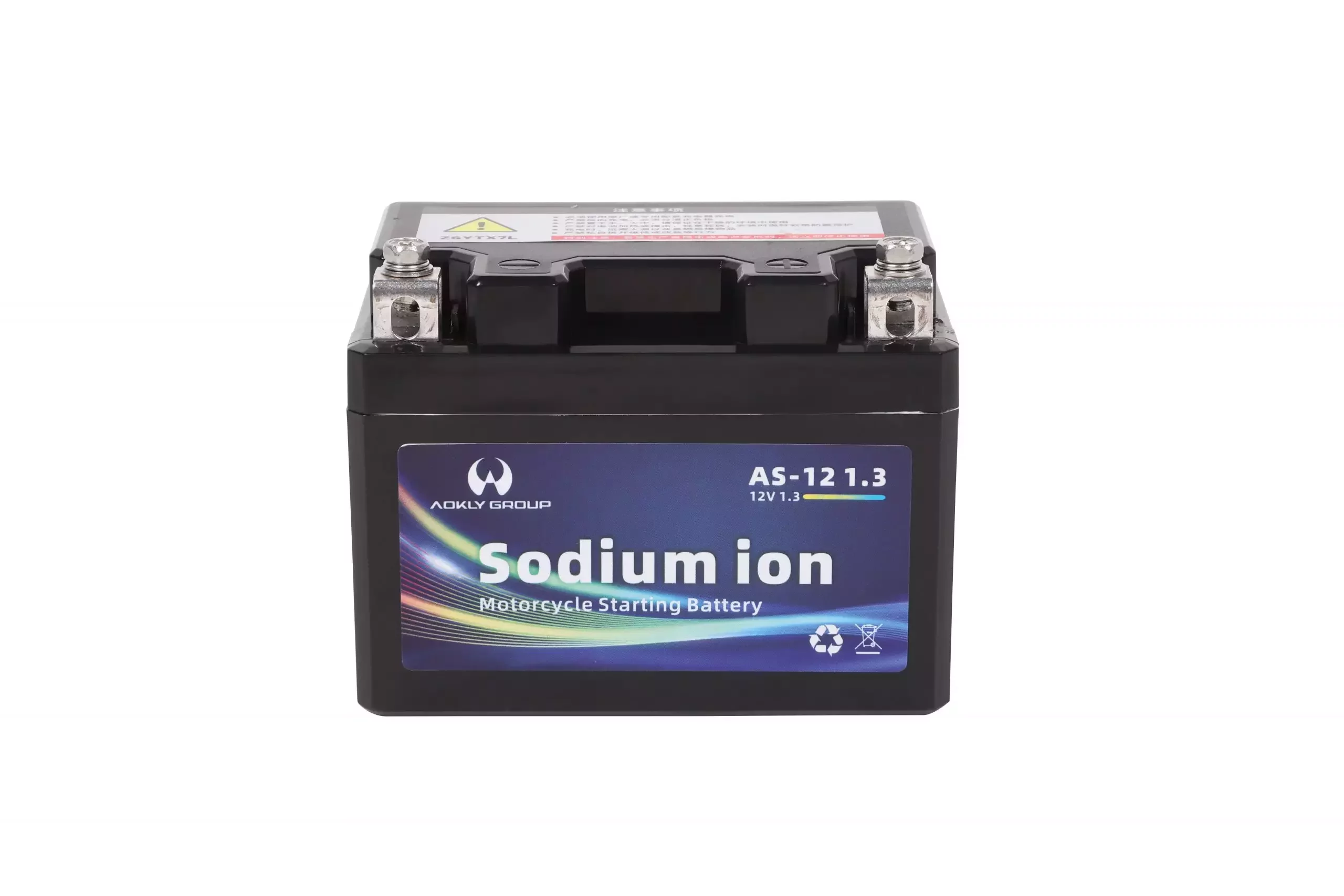
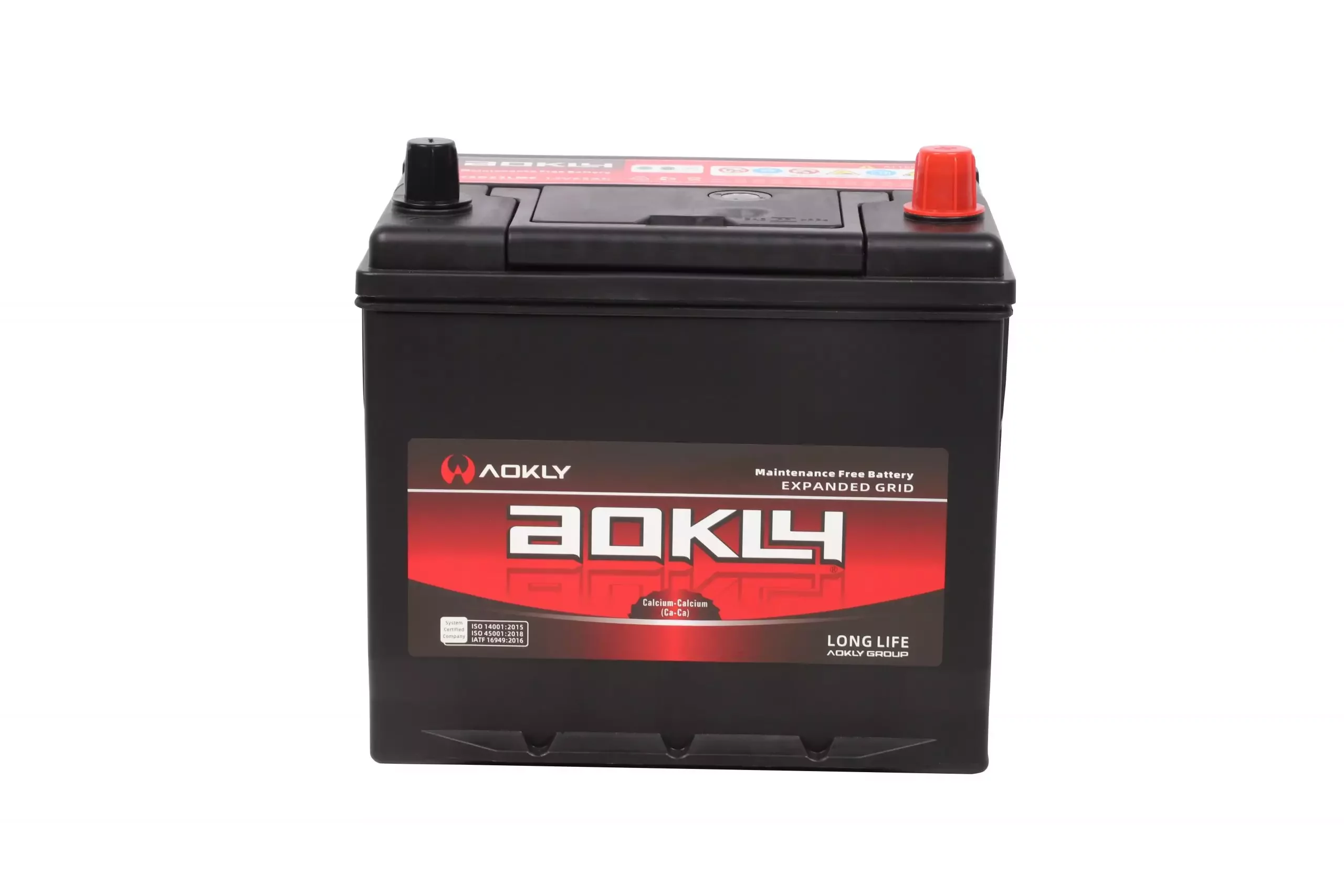
When it comes to powering vehicles and industrial equipment, understanding the distinction between different types of batteries is essential. At Aokly, we often receive inquiries regarding the differences between lead acid traction batteries and starting batteries. Both are crucial energy sources, but their designs and applications vary significantly. Starting batteries are built to deliver a short, high-current burst to initiate engines, while lead acid traction battery systems are engineered for extended, steady energy output, providing consistent performance for electric vehicles and industrial machines. Choosing the appropriate type is important to ensure operational efficiency and the longevity of equipment.
Design and Performance Considerations
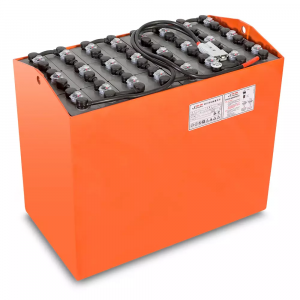
The differences in design between starting batteries and traction batteries are fundamental. Starting batteries prioritize high cranking power, which requires thin plates and a design optimized for rapid current delivery during engine startup. In contrast, our lead acid traction battery is designed to support prolonged energy discharge. The 6PZB600 model, for instance, features a long design life with more than 1,500 cycles at 80% depth of discharge (DOD). It offers excellent cycle performance and recovery ability after deep discharge, which ensures reliable performance for equipment such as forklifts, golf carts, or automated guided vehicles. Understanding these design distinctions helps users match battery performance with operational needs, avoiding premature wear or insufficient power supply.
Environmental and Operational Advantages
Operational conditions are another key factor in selecting between starting and traction batteries. While starting batteries are optimized for short bursts of energy and must function under varying temperature conditions, lead acid traction battery systems must maintain reliable output during continuous operation. Our 6PZB600 demonstrates excellent low-temperature performance, allowing it to operate effectively in colder environments. Its reliable sealing structure reduces the risk of leakage, while a special design prevents short circuits. Optional features, including an automatic watering system and gas mixing system, enhance safety, simplify maintenance, and extend overall battery life. These features ensure that traction batteries are well-suited for consistent and demanding industrial applications.
Conclusion: Choosing the Right Battery
In conclusion, the primary difference between starting batteries and lead acid traction battery lies in their intended use, structural design, and operational endurance. Starting batteries provide short bursts of power for engine initiation, whereas traction batteries, like our 6PZB600, deliver long-lasting and reliable energy for electric vehicles and industrial equipment. At Aokly, we focus on creating solutions that combine durability, safe operation, and adaptability to various working environments. By understanding the distinctions between these battery types, our clients can make informed decisions that optimize performance, reduce downtime, and enhance equipment longevity. Choosing the right battery ensures operational reliability and maximizes energy efficiency in both industrial and transportation applications.