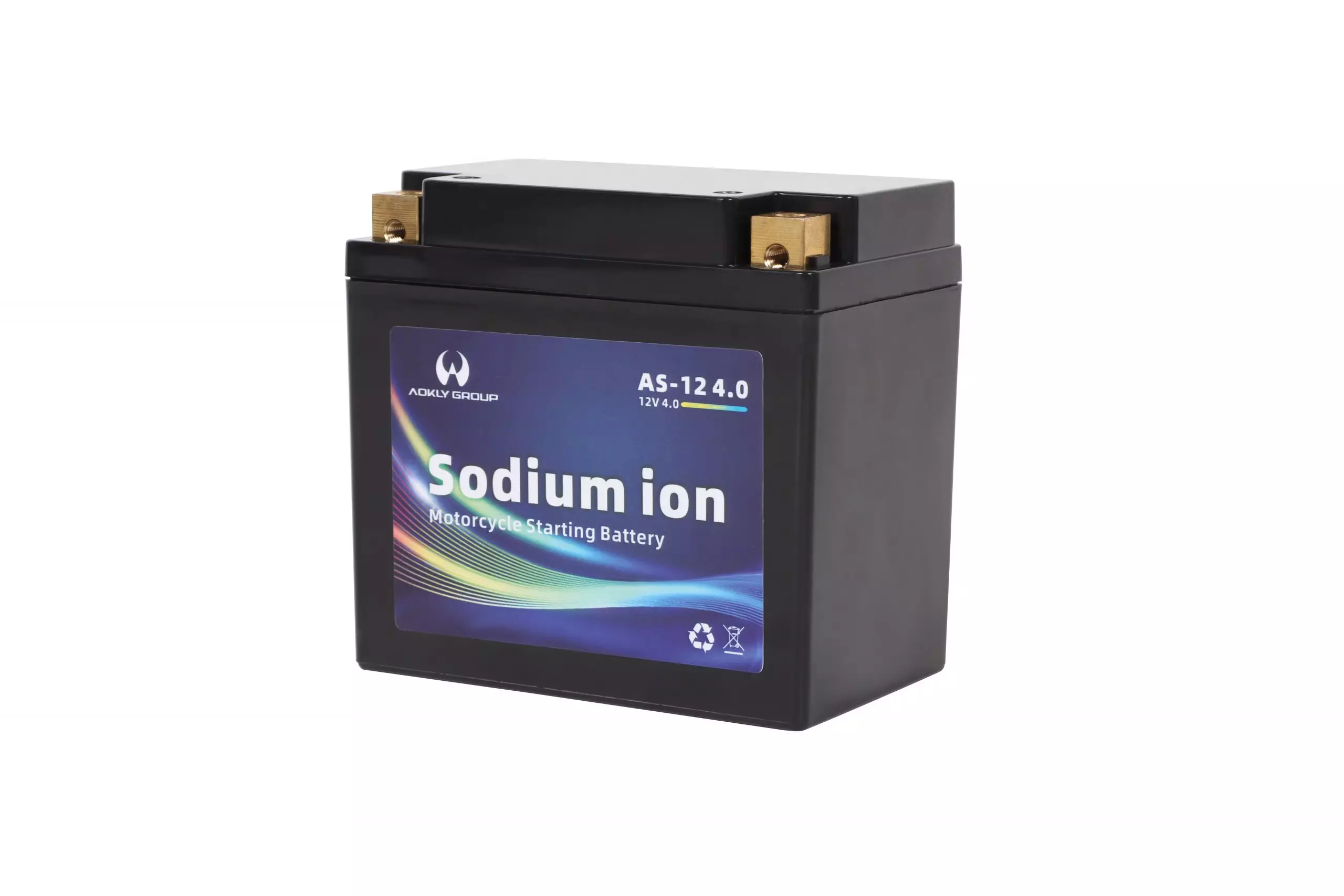
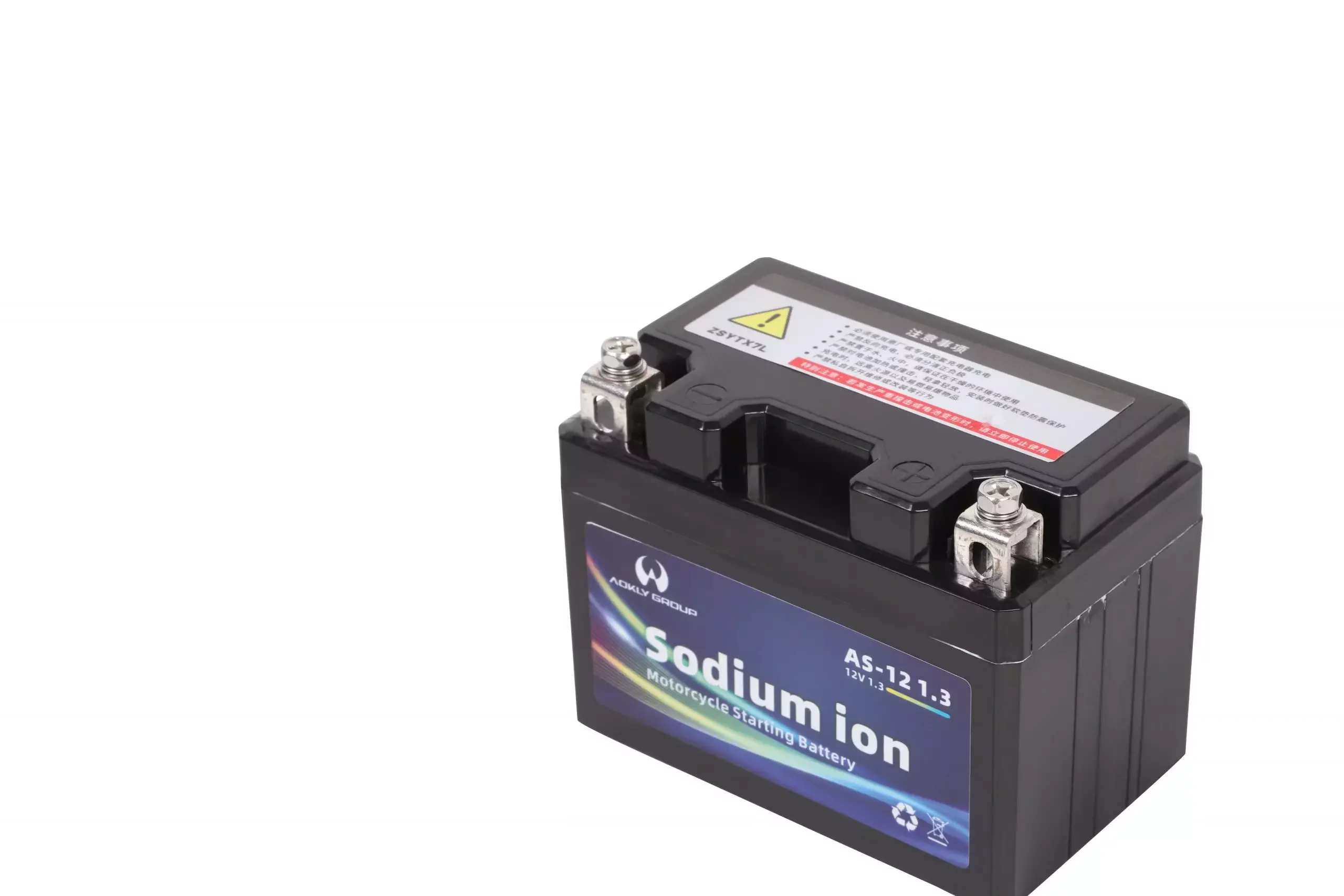
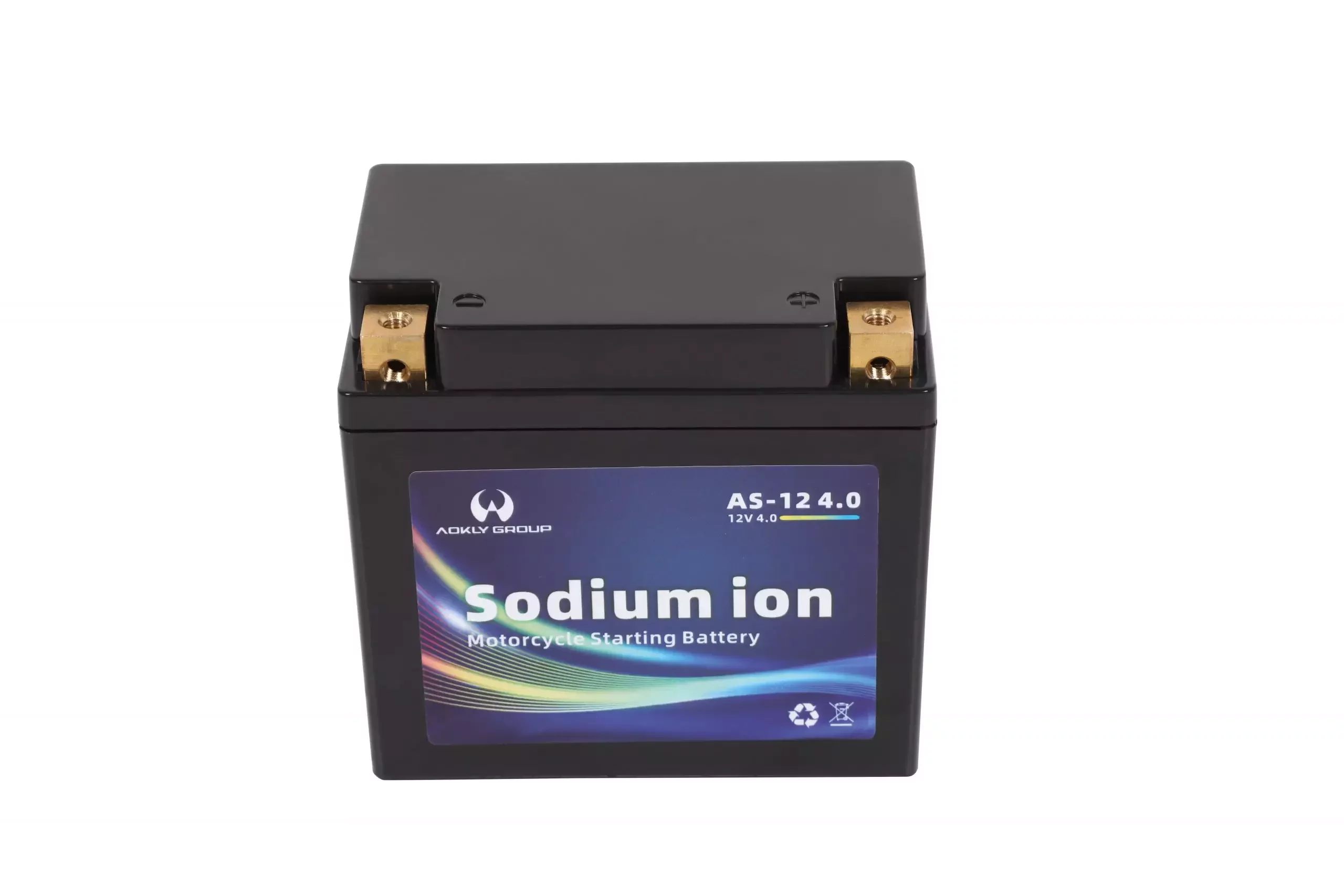
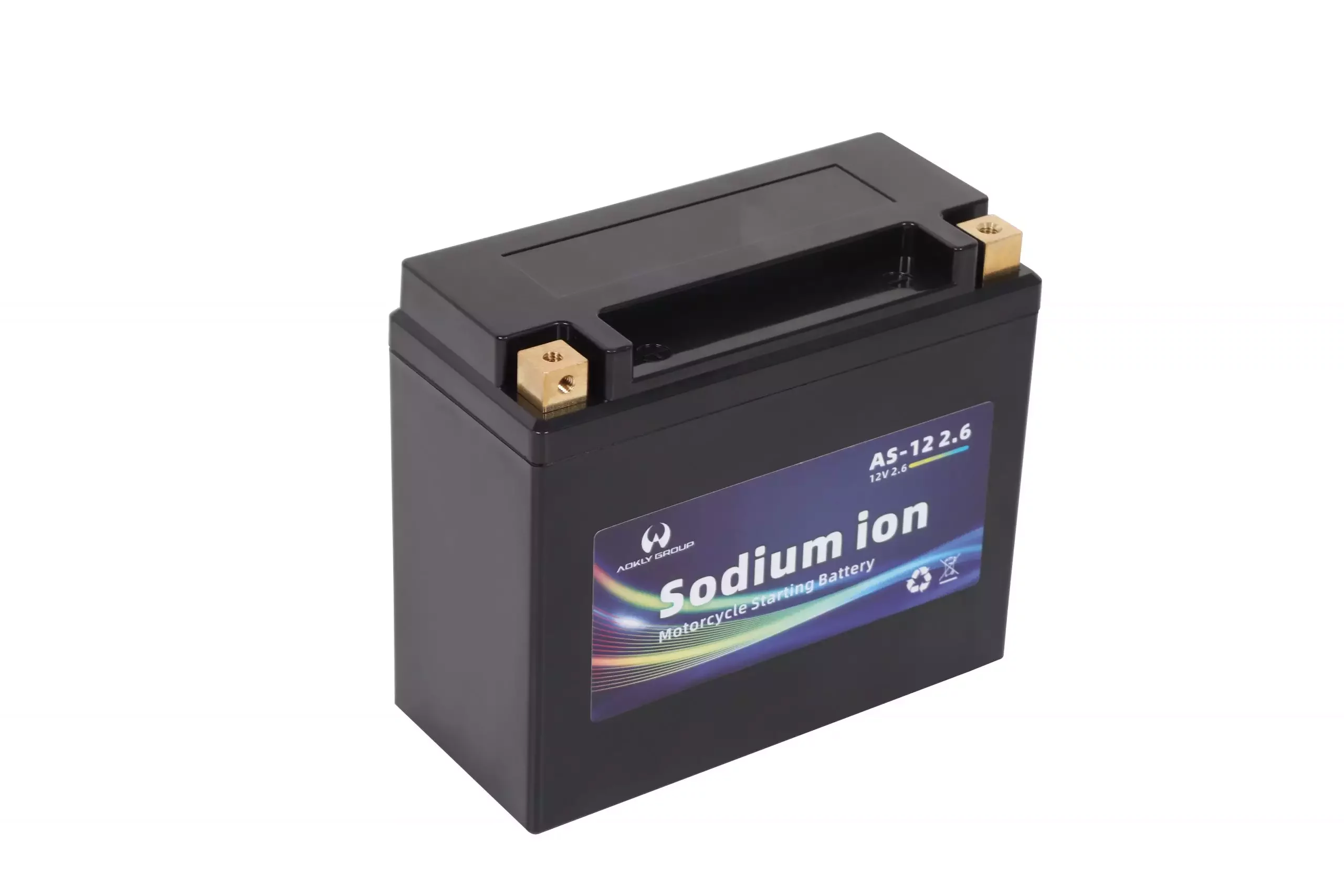
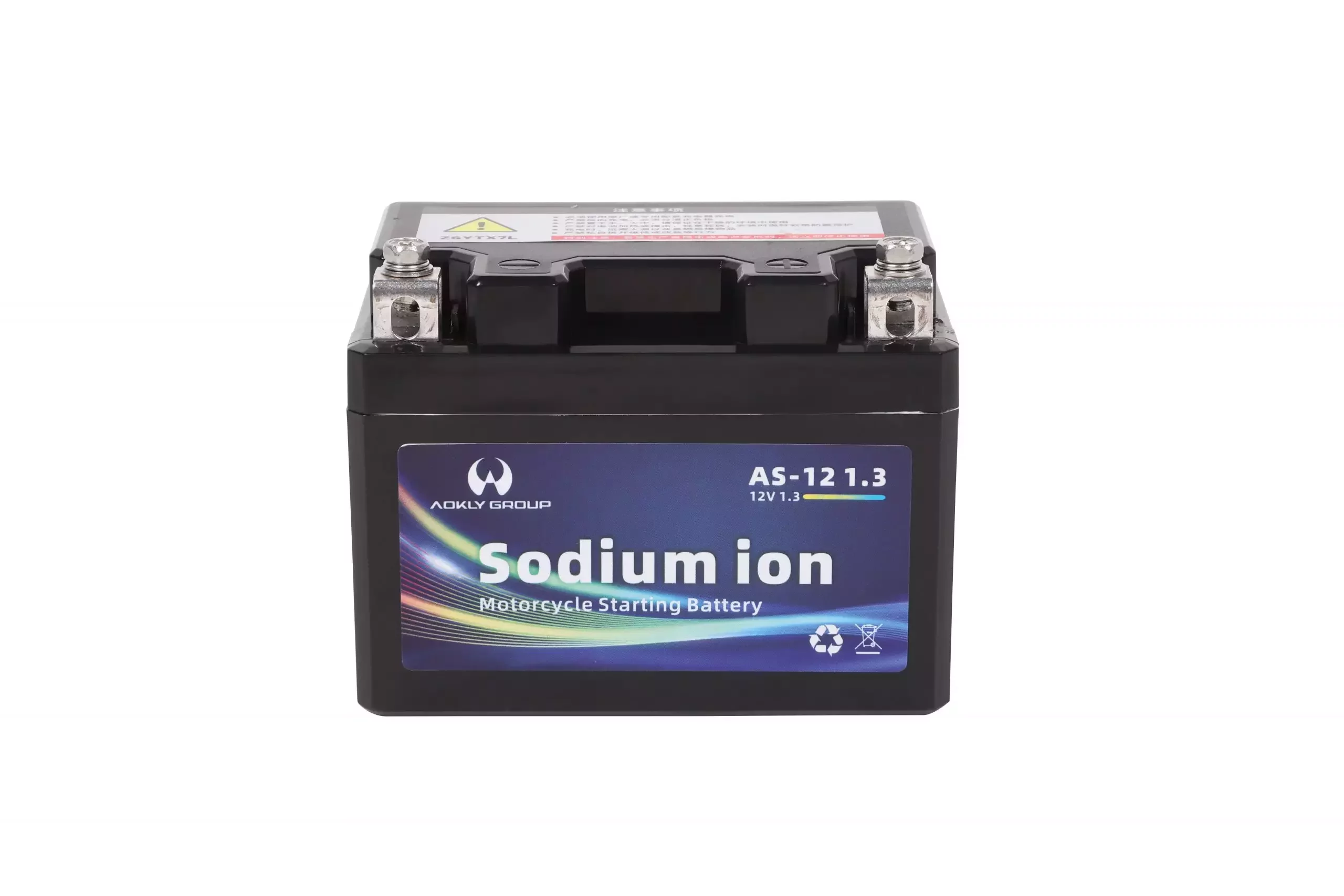
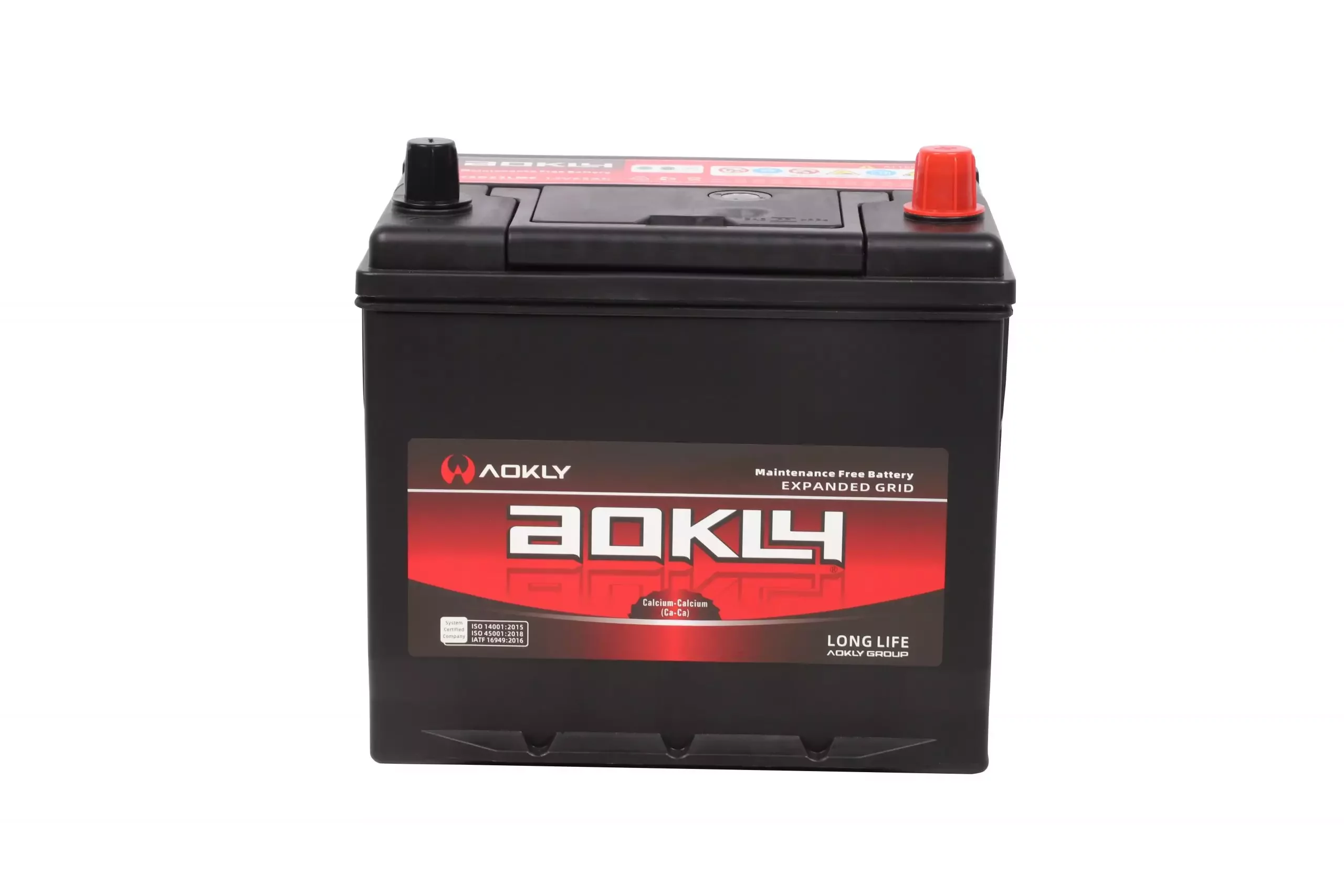
As warehouses increasingly embrace automation and advanced technology, integrating lithium traction batteries is crucial for improving efficiency and sustainability. Aokly‘s start stop car battery solutions, such as their DIN55 model, offer many benefits including minimal maintenance, enhanced performance, and reliable energy storage. This step-by-step guide outlines the process for successfully integrating lithium traction batteries into warehouse operations.
Step 1: Assess Power Requirements
Before integrating lithium traction batteries, begin by assessing the power requirements of the warehouse operations. Evaluate the machinery and equipment that will utilize these batteries, such as forklifts, pallet jacks, and automated guided vehicles (AGVs). Understanding the specific voltage and capacity needs is essential.
Aokly’s start stop car battery, such as the DIN55, provides a cold cranking capacity suitable for various industrial applications. Choosing the right battery ensures that your warehouse equipment will operate efficiently under varying load conditions. Calculate the total energy demand and select a battery that matches these requirements while accounting for peak usage times.
Step 2: Design the Battery Storage Area
Once you know the power requirements, design an appropriate storage area for the lithium traction batteries. The storage environment plays a crucial role in the longevity and performance of the batteries. Aokly’s batteries are designed to be maintenance-free, eliminating the need for regular water refilling, but it is still important to keep them clean and secure.
Create a clean, dry, and well-ventilated space for the battery storage. Ensure that the area is equipped with proper racking systems to securely hold the batteries and make them easily accessible for charging and maintenance. Position the batteries away from direct sunlight to prevent overheating and deterioration.
Step 3: Implement Proper Charging and Maintenance Practices
The next step involves establishing proper charging and maintenance procedures for the lithium traction batteries. Aokly recommends using a constant current charging method with less than 0.1C current or a constant voltage charging method between 14.2V and 14.6V for optimal performance. Ensure that your charging infrastructure supports these specifications.
Implement a regular monitoring schedule to check the condition of the batteries, even though they are designed for minimal maintenance. Make sure to keep battery connections clean and securely fastened to prevent power loss. Additionally, for batteries stored for more than six months, charging before usage is crucial to maintain performance.
Driving Efficiency in Warehouse Operations
In summary, integrating lithium traction batteries into warehouse operations involves assessing power requirements, designing proper storage solutions, and implementing effective charging and maintenance practices. By following these steps, warehouses can leverage the benefits of Aokly’s start stop car battery technology, ultimately enhancing operational efficiency and reducing downtime.
Paving the Way for Sustainable Warehouse Solutions
In conclusion, the transition to lithium traction batteries represents a significant advancement in warehouse energy management. Aokly’s range of start stop car batteries combines reliability and efficiency, supporting a shift toward cleaner, more sustainable operations. By carefully planning and executing the integration process, warehouse operators can ensure a smooth transition to this advanced battery technology, maximizing productivity and operational reliability.