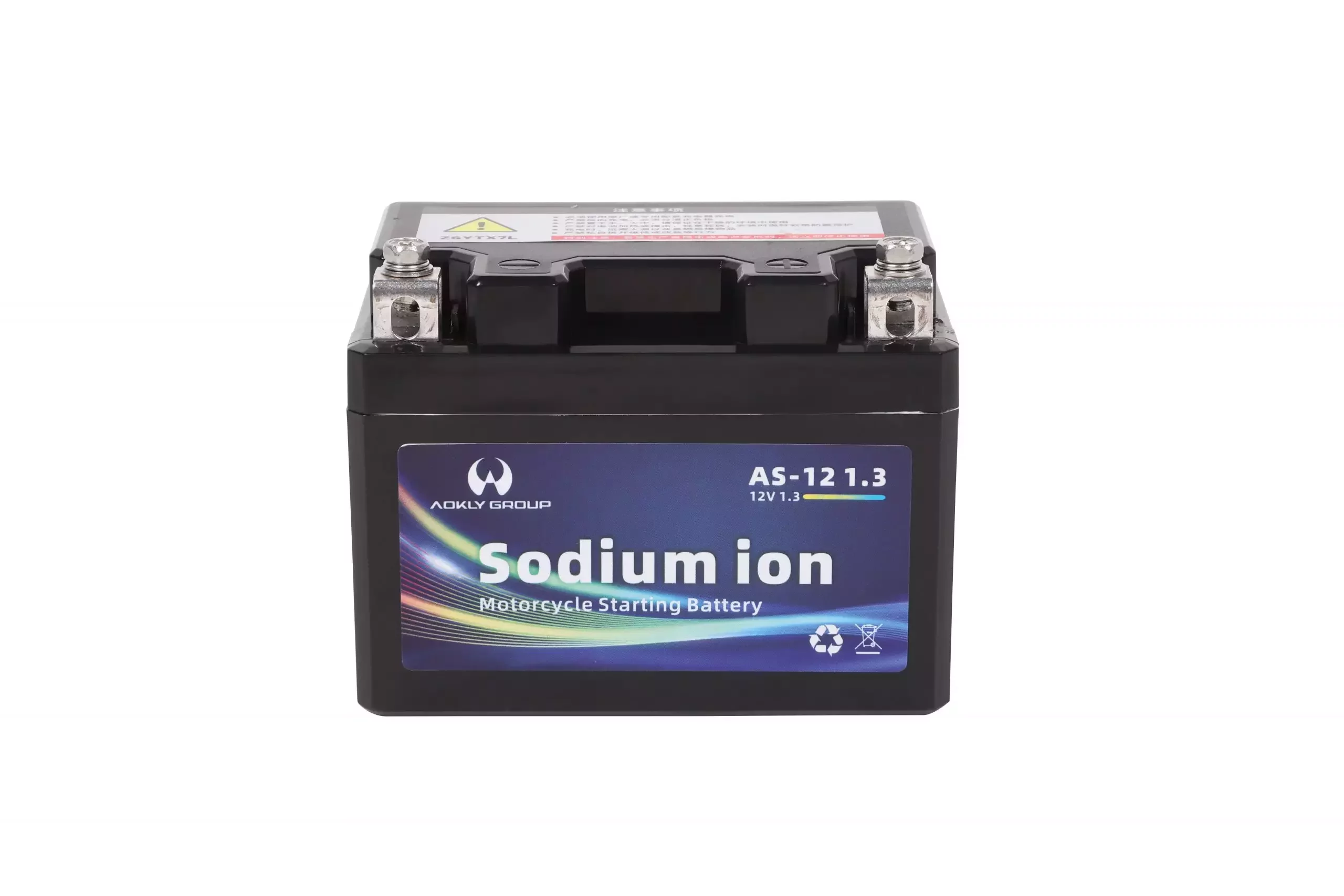
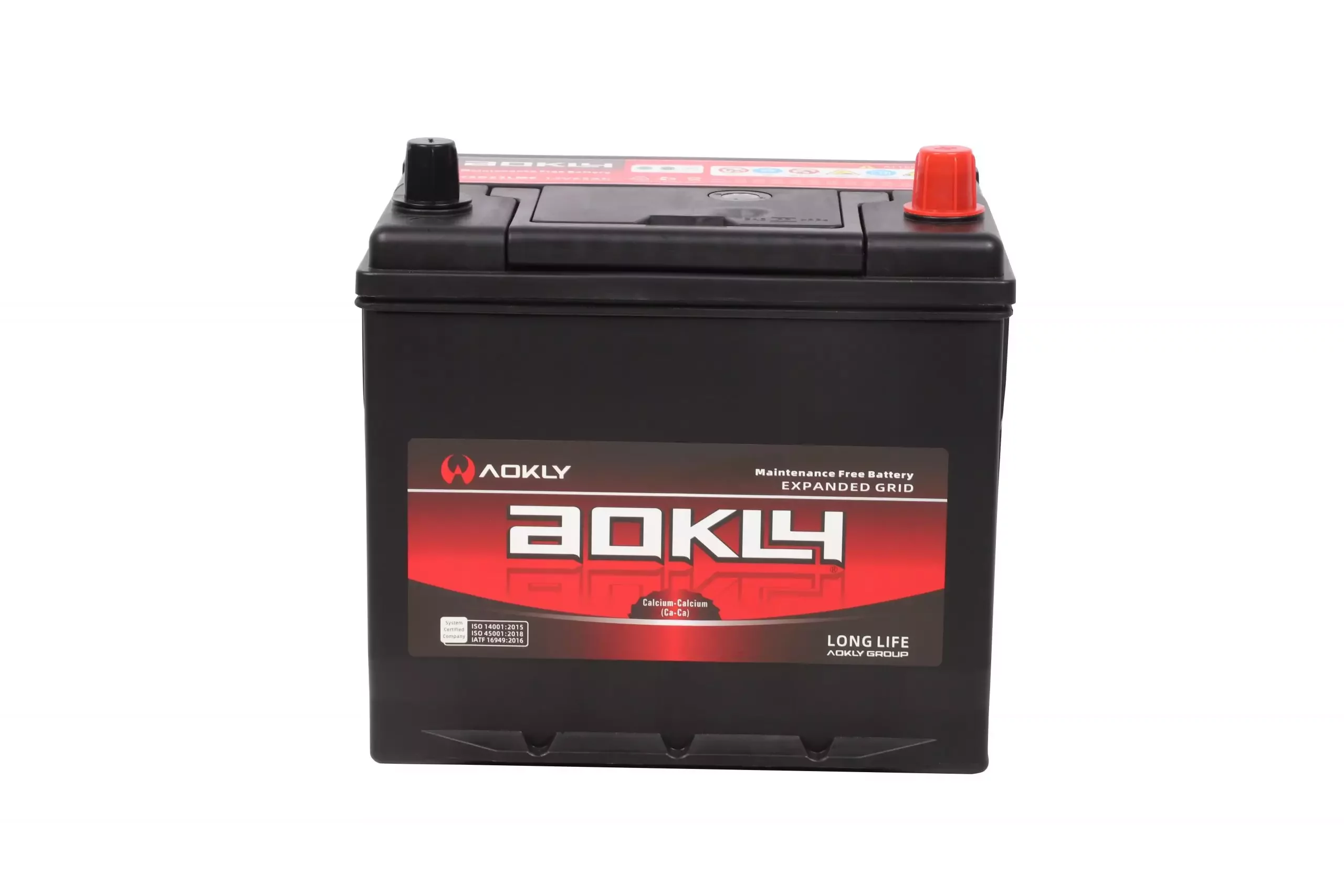
When it comes to reliable automotive power, AGM (Absorbent Glass Mat) batteries have gained popularity due to their advanced design and chemistry. Understanding the internal mechanisms and construction of these batteries can help consumers make informed decisions. Aokly’s AGM batteries, such as the EFBL3, exemplify the benefits of this technology, offering high performance and longevity. This article explores the internal chemistry and construction characteristics of AGM automotive batteries.
The Chemistry Behind AGM Batteries
AGM batteries utilize a unique internal chemistry that sets them apart from traditional enhanced flooded batteries. The key component is the use of glass mats to absorb and hold the electrolyte, which consists primarily of sulfuric acid. This design minimizes the amount of free liquid electrolyte in the battery, allowing for a sealed environment that enhances safety and performance.
The chemical reaction within AGM batteries is similar to that of conventional flooded batteries, where lead dioxide (PbO₂) and sponge lead (Pb) work together to produce electricity. However, the absorbed electrolyte in AGM batteries prevents leakage and allows for deeper discharges without compromising performance. This makes AGM batteries, like Aokly’s EFBL3, particularly suitable for modern vehicles that have high electrical demands.
Robust Construction Features
The construction of AGM batteries plays a crucial role in their performance and durability. Aokly’s EFBL3 is designed with a strong polypropylene container that protects the internal components from damage and environmental factors. This robust construction is essential for vehicles that experience vibration and extreme conditions.
Unlike traditional enhanced flooded batteries, AGM batteries are also less prone to sulfation, a common issue where lead sulfate crystals form and reduce battery capacity. The design of AGM batteries allows for better plate arrangement and insulation, which improves electrical conductivity and overall efficiency. Enhanced flooded batteries may not offer these benefits, emphasizing AGM technology’s superiority.
Performance Advantages of AGM Over Enhanced Flooded Batteries
One of the primary advantages of AGM batteries is their ability to deliver high cranking power. Aokly’s EFBL3, for instance, provides superior cold cranking amps (CCA), ensuring reliable engine starts even in extreme weather conditions. This feature is particularly beneficial for drivers in colder climates, where conventional enhanced flooded batteries may struggle.
Additionally, AGM batteries generally have a longer service life compared to enhanced flooded batteries. Their enhanced cycle life means they can withstand more charge and discharge cycles without degrading, making them ideal for modern vehicles with high electrical demands. This longevity leads to reduced replacement costs and increased reliability.
Understanding the Benefits of AGM Technology
In summary, the internal chemistry and construction of AGM automotive batteries are crucial for their performance and efficiency. With a unique design that utilizes absorbed electrolyte, Aokly’s AGM batteries, such as the EFBL3, offer high cranking power, longer service life, and superior safety compared to enhanced flooded batteries.
Choosing Aokly for Reliable Power Solutions
In conclusion, understanding the intricacies of AGM battery technology can lead to better choices for automotive power needs. With Aokly’s commitment to quality and innovation, their AGM batteries stand out as reliable options for modern vehicles. By choosing Aokly, consumers invest in a technology that promises enhanced performance, durability, and peace of mind on the road.