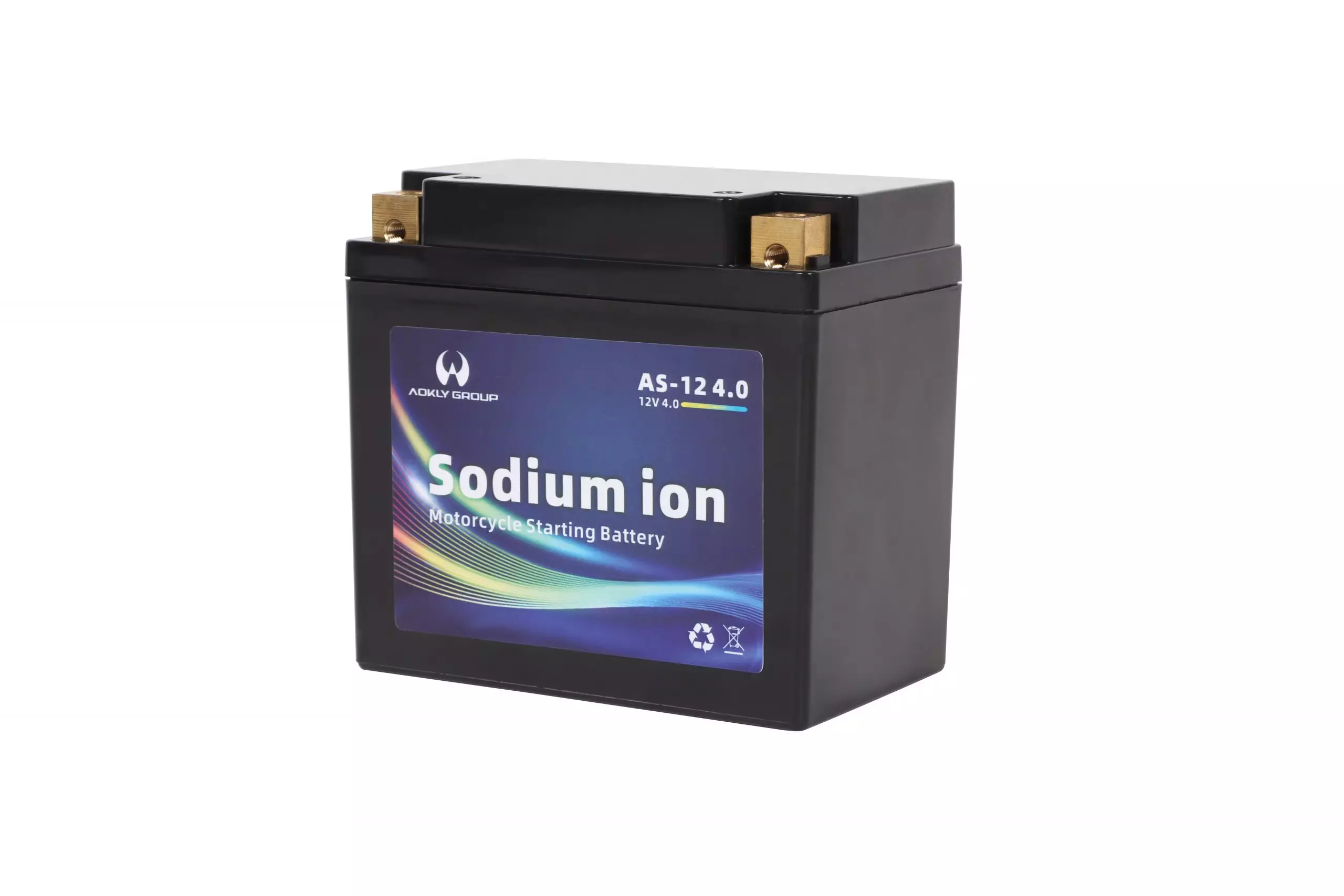
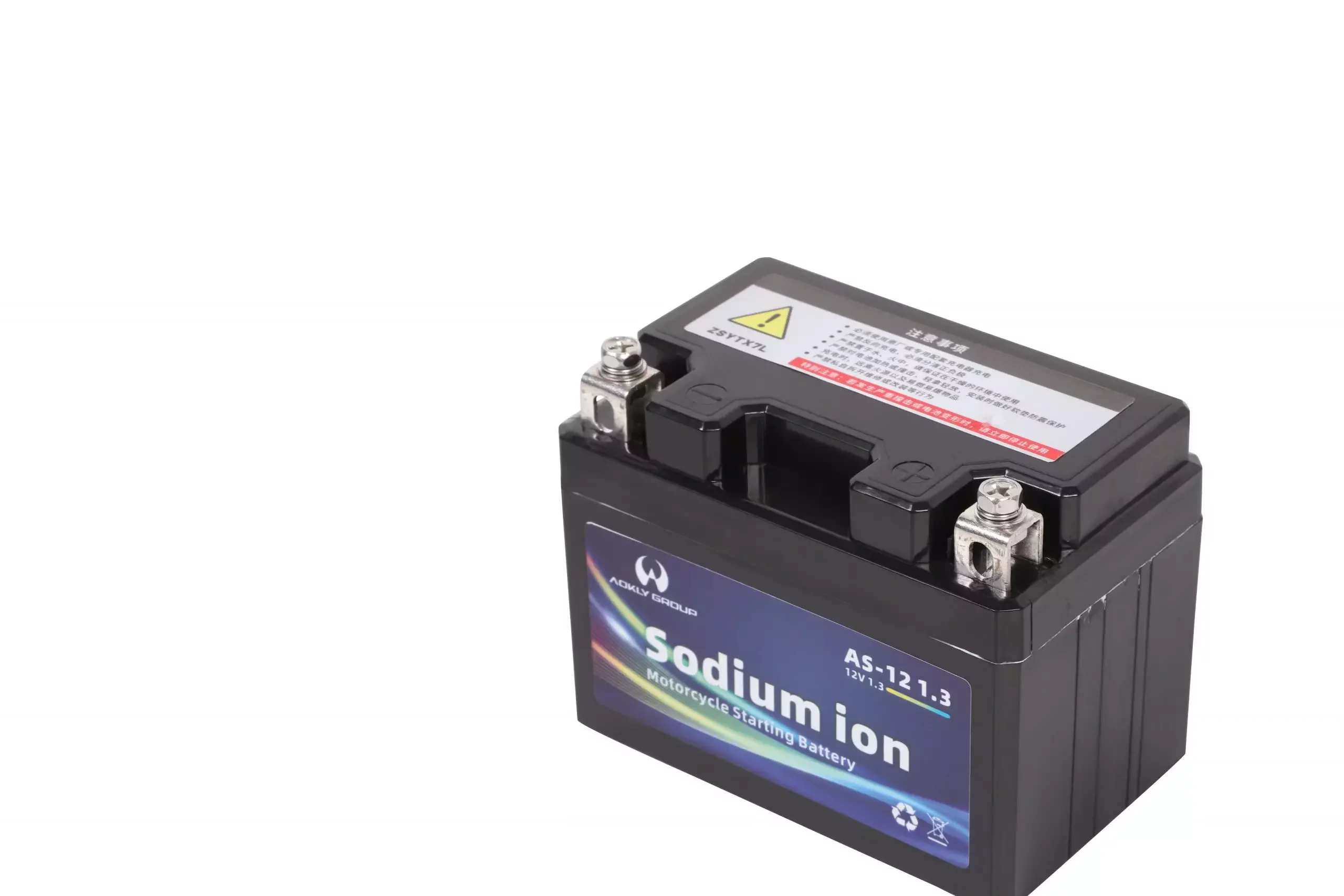
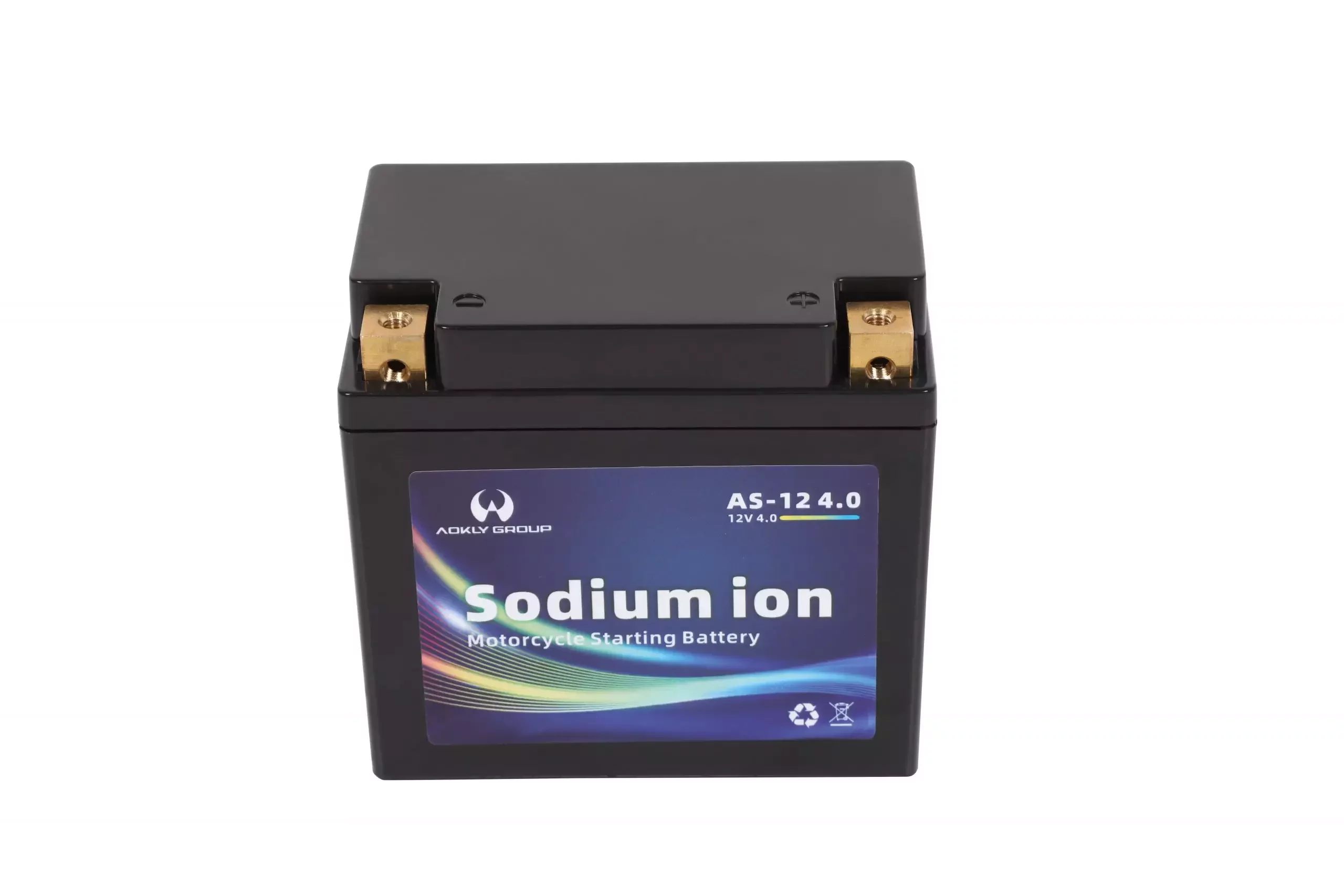
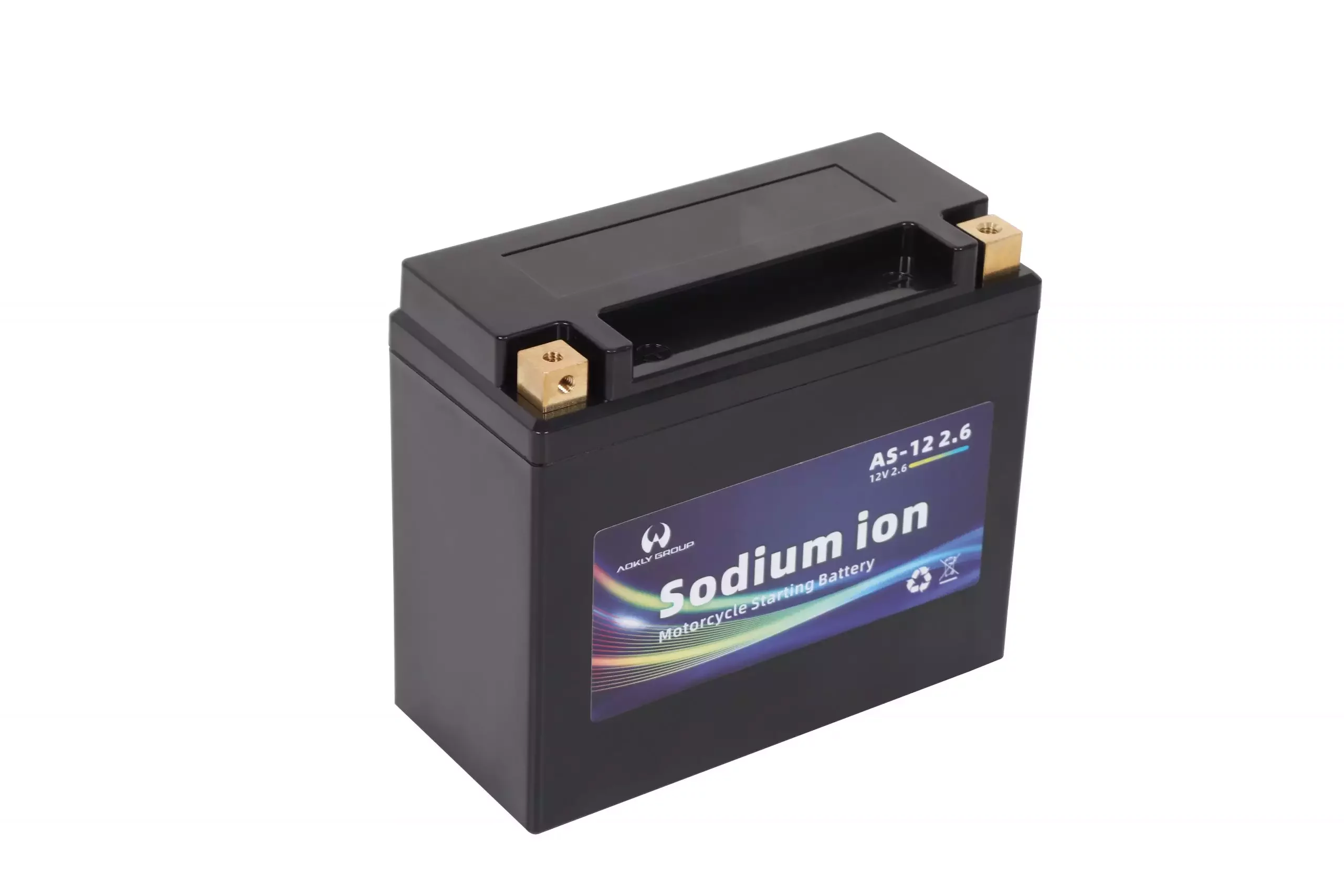
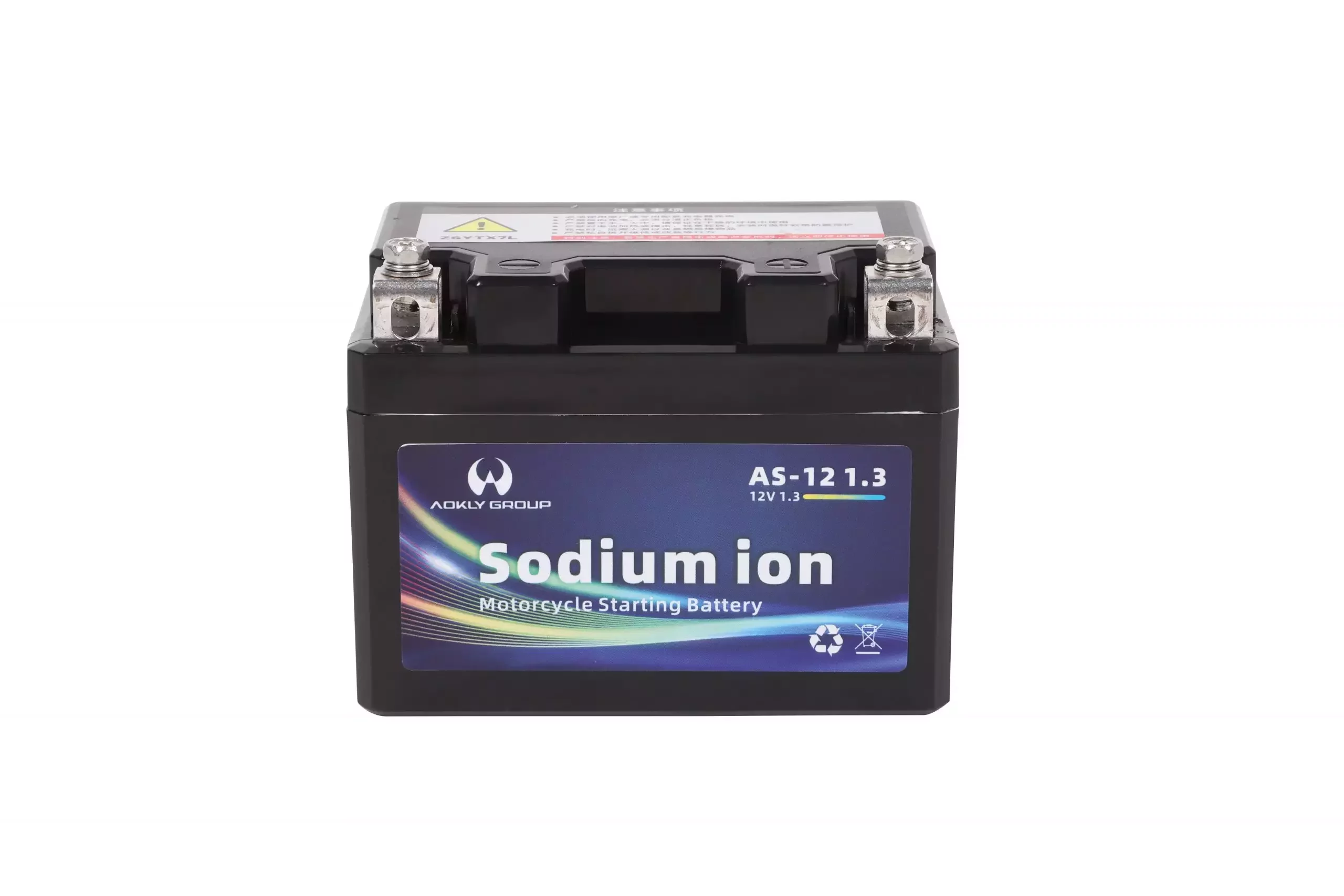
As the global shift toward sustainable energy accelerates, attention is turning toward alternatives that can support the growing demand for efficient storage solutions. From our perspective at Aokly, we see this evolution as an exciting frontier, particularly with the rise of new chemistries entering the mainstream conversation. Among these, sodium-based technology is gaining traction, prompting many to look closely at the various sodium battery companies that are working to bring this innovation to market. Understanding how these entities operate and what they offer is essential for anyone planning to invest in next-generation energy storage.
The Technology Behind Sodium-Based Energy Storage
To properly evaluate any of the emerging sodium battery companies, it helps to first understand the science driving their products. Sodium-ion batteries function similarly to their lithium-ion counterparts but use sodium ions as the charge carriers instead of lithium. This distinction is significant because sodium is far more abundant and less expensive to extract. The materials used in the anodes and cathodes also differ, often relying on elements like iron and manganese, which are widely available. At Aokly, we recognize that this chemistry offers a unique balance of cost efficiency and safety, making it an attractive option for grid storage and other large-scale applications. As more sodium battery companies refine this technology, the potential for widespread adoption continues to grow.
Key Factors for Comparing Commercial Entities
When examining different sodium battery companies, several criteria can help distinguish one from another. Research and development investment is a primary indicator of long-term viability, as firms that allocate resources toward improving energy density and cycle life are likely to lead the pack. Production scalability is another crucial factor; some entities focus on laboratory-scale innovations, while others are already constructing gigafactories to meet industrial demand. We also consider the specific applications each company targets, whether it be stationary storage, micro-mobility, or automotive integration. By analyzing these elements, stakeholders can identify which sodium battery companies align with their particular energy needs and operational goals.
Current Trends Shaping the Industry
The landscape for sodium-based storage is evolving rapidly, influenced by both market forces and geopolitical factors. Recently, several sodium battery companies have announced partnerships with automotive manufacturers and utility providers, signaling a shift from theoretical research to practical deployment. Geographic trends are also emerging, with significant activity concentrated in regions rich in raw materials or supported by favorable government policies. Despite the enthusiasm, challenges remain, including optimizing manufacturing processes to compete with established lithium-ion lines. However, we at Aokly believe that the momentum behind these sodium battery companies indicates a fundamental change in how the world will store energy in the coming decades.
In conclusion, the rise of sodium-ion technology represents a pivotal moment for the energy sector. By examining the underlying science, comparing key operational factors, and observing current market trends, it becomes clear that sodium battery companies are poised to play a significant role in the future of power storage. As we continue to monitor these developments, our commitment at Aokly is to provide insights that help our audience navigate this dynamic and promising field.