

Across the globe, transportation paradigms are shifting toward electrification as environmental concerns and energy security considerations reshape priorities. Vehicles once dependent on petroleum now derive motivation from electrochemical storage systems that have undergone remarkable refinement over recent decades. We at Aokly recognize that understanding these power sources helps fleet operators and individual consumers appreciate the engineering achievements enabling this transition. The capabilities of modern electric vehicles directly reflect advances in the underlying storage technology that supplies energy to drive motors.
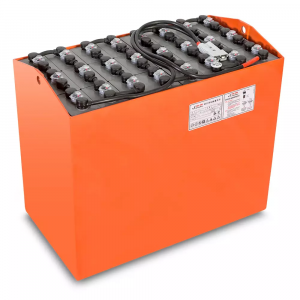
Energy Density Determines Practical Range
The distance an electric vehicle can travel between charging sessions represents a primary consideration for potential adopters. Modern traction battery systems achieve energy densities that make daily use practical for most driving patterns. Cell chemistry improvements have steadily increased the amount of energy stored per kilogram, allowing vehicles to travel farther without proportionally increasing battery weight. We observe that cathode formulations continue evolving, with nickel-rich compositions providing greater capacity while maintaining acceptable cycle life. Anode materials have similarly progressed, with silicon additions boosting energy storage compared to traditional graphite configurations. Thermal management systems maintain cells within optimal temperature ranges, preserving performance across varying climate conditions. Packaging efficiency within battery packs maximizes volumetric energy density, enabling sleek vehicle designs without compromising interior space. Manufacturers balance these factors against cost considerations to deliver products meeting diverse market requirements. The relationship between energy density and vehicle range continues improving as research yields practical innovations ready for commercial deployment.
Power Delivery Enables Driving Performance
Acceleration characteristics and regenerative braking efficiency depend on the power capabilities embedded within vehicle battery systems. A well-designed traction battery delivers current smoothly during hard acceleration while accepting rapid charge during deceleration events. Internal resistance values determine how effectively cells convert stored chemical energy into usable electrical power without excessive heat generation. We note that power density considerations become particularly important for vehicles expected to perform under demanding conditions, such as commercial applications or performance-oriented passenger cars. Cell design influences power characteristics, with electrode thickness and porosity optimized for the intended use case. Bus bars and interconnect systems must carry substantial currents without introducing significant losses or temperature rises. Battery management systems monitor individual cell voltages and temperatures, ensuring operating limits remain respected during high-power events. Thermal propagation mitigation strategies protect adjacent cells if abnormalities occur in any single unit. The driving experience consumers expect from electric vehicles depends fundamentally on these power delivery characteristics engineered into the storage system.
Lifecycle Considerations Affect Ownership Economics
Total cost of ownership calculations for electric vehicles must account for the durability of the primary energy storage component. Modern traction battery systems routinely achieve service lives matching or exceeding typical vehicle ownership periods when operated within design parameters. Calendar aging proceeds alongside cycle aging, with both factors influencing when capacity falls below acceptable thresholds. We understand that thermal management plays a crucial role in preserving battery health, with moderate temperatures slowing degradation mechanisms. Charging habits also impact longevity, with frequent fast charging potentially accelerating capacity loss compared to slower overnight sessions. Second-life applications for retired vehicle batteries extend useful service before final recycling recovers valuable materials. Manufacturing quality directly influences consistency across cells within large-format packs, with tight tolerances reducing imbalance issues that could prematurely end pack life. Warranty provisions provide consumer confidence in the durability of these essential components. As production volumes increase, cost reductions continue making electric vehicles accessible to broader populations.
The technological foundations supporting electric transport continue strengthening as experience accumulates across millions of vehicles worldwide. We at Aokly believe ongoing refinements in energy storage will expand electric mobility applications while improving affordability for diverse users. Material innovations and manufacturing advances promise further gains in performance and longevity. Transportation electrification appears positioned for sustained growth as battery capabilities evolve to meet expanding requirements.
