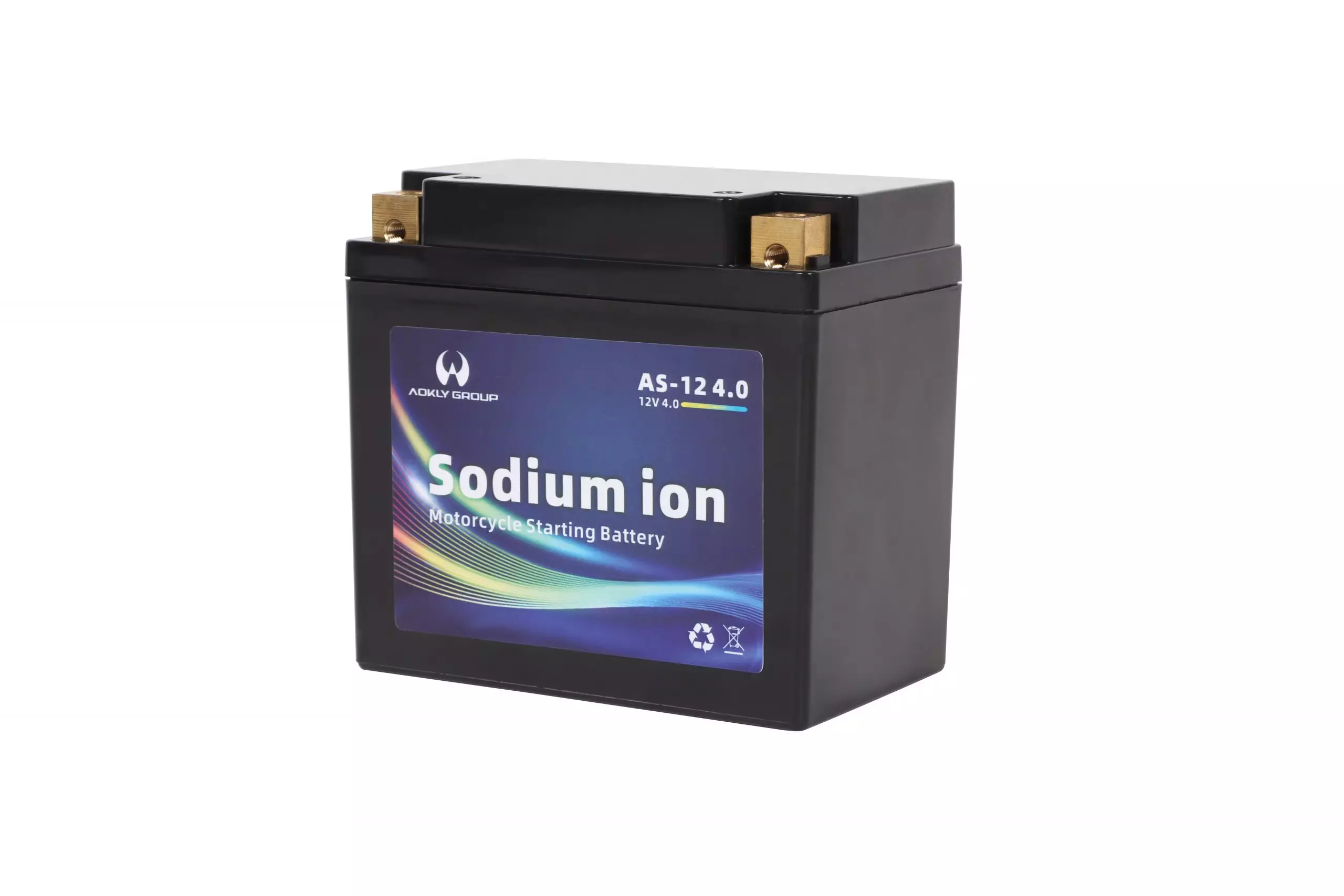
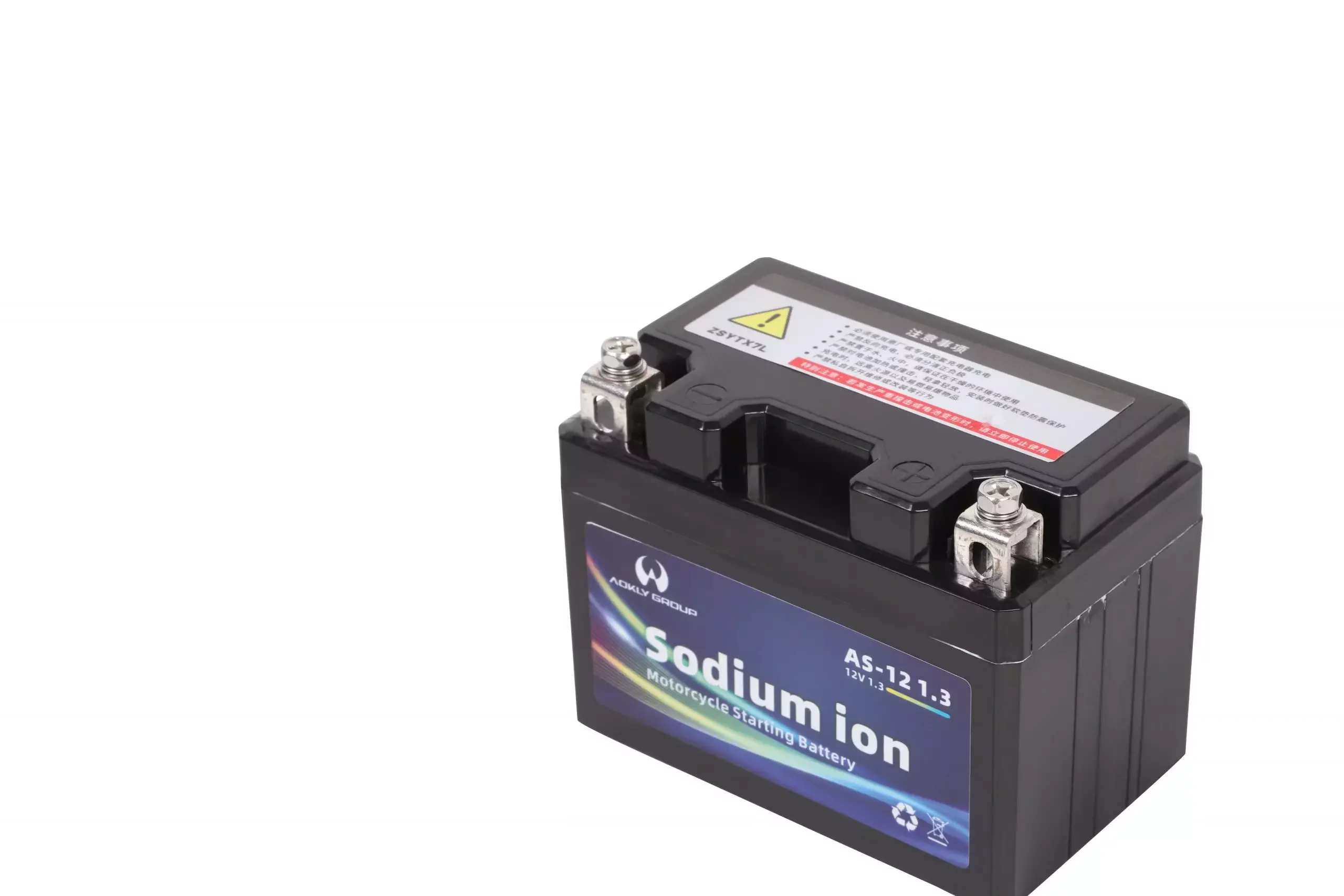
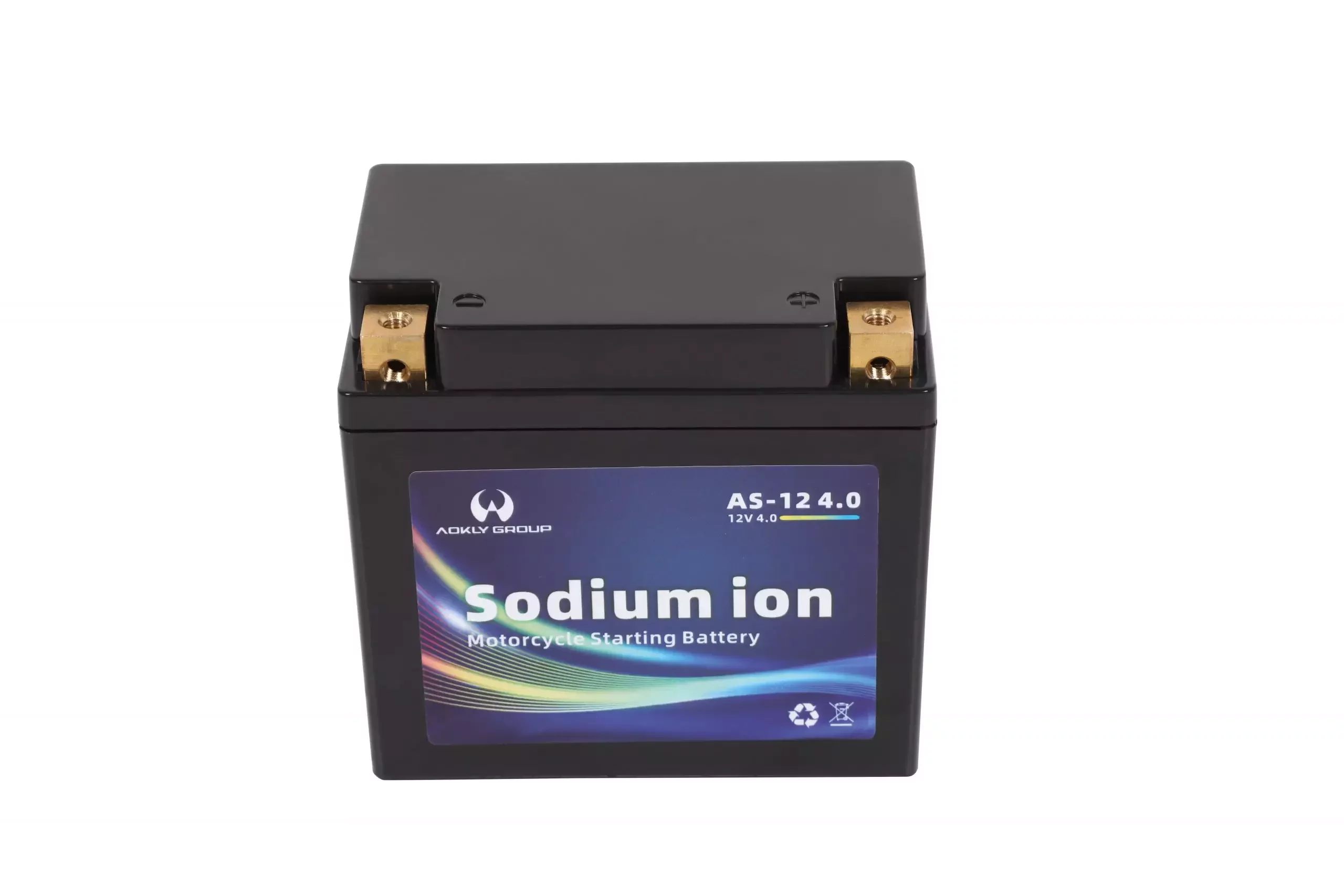
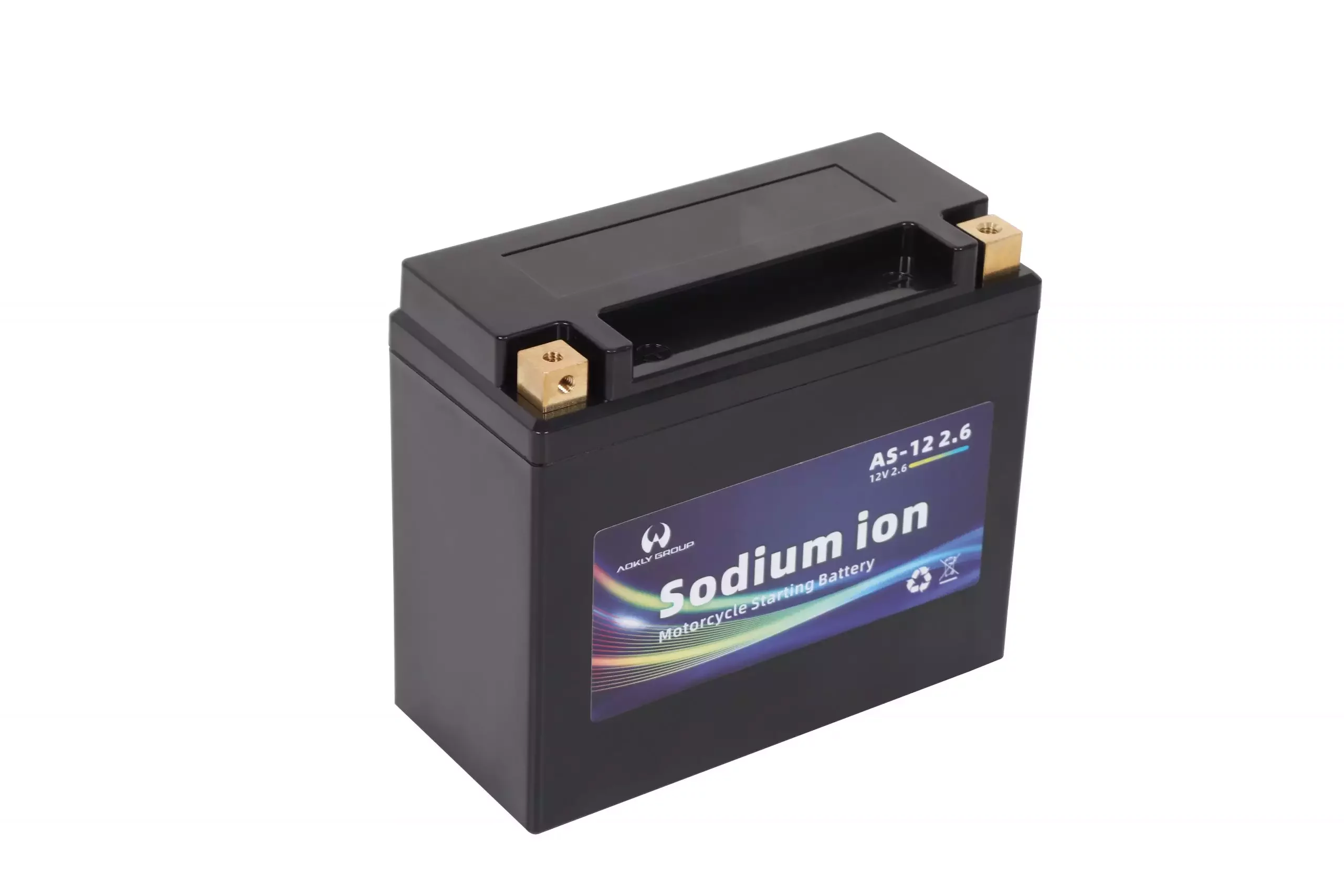
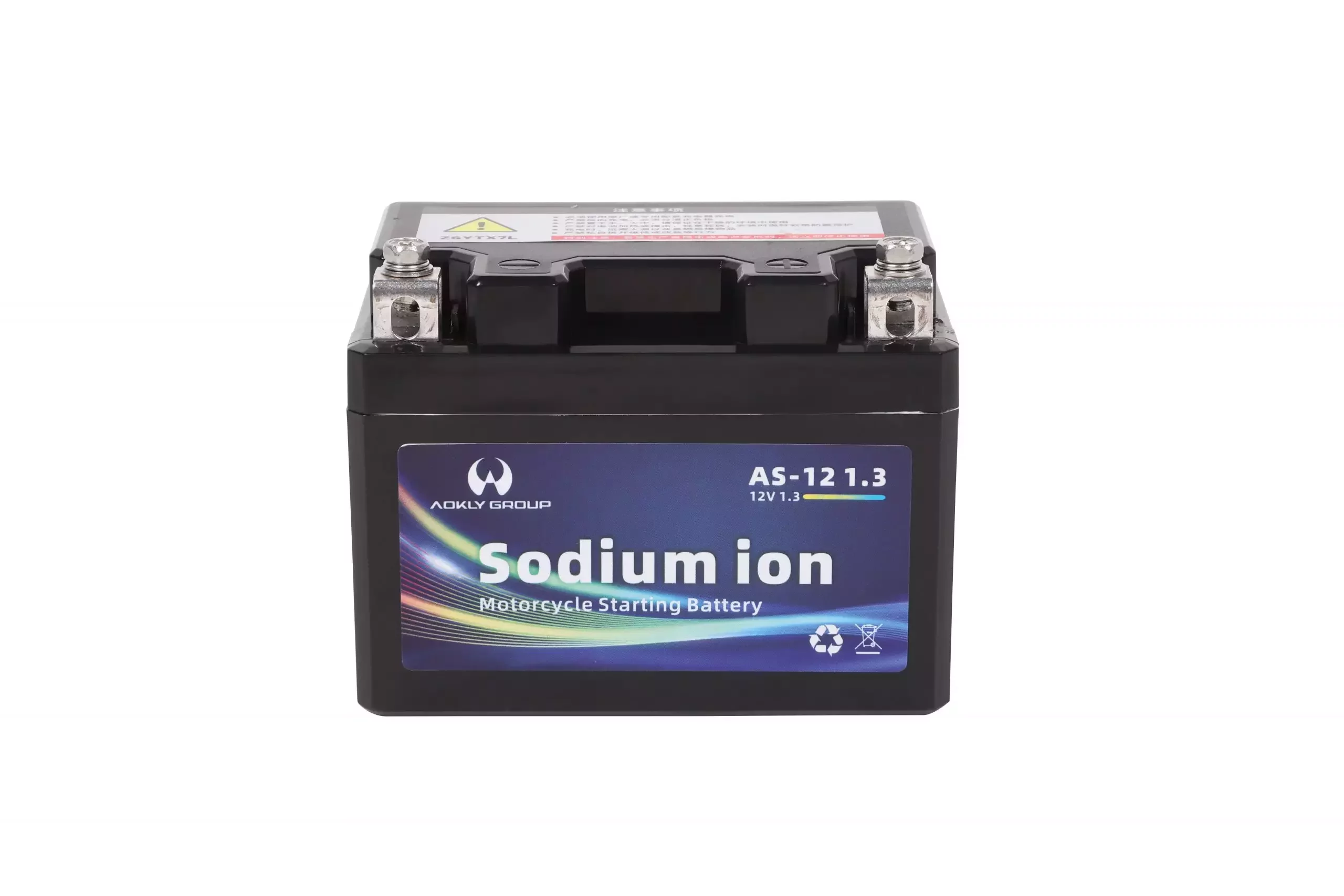
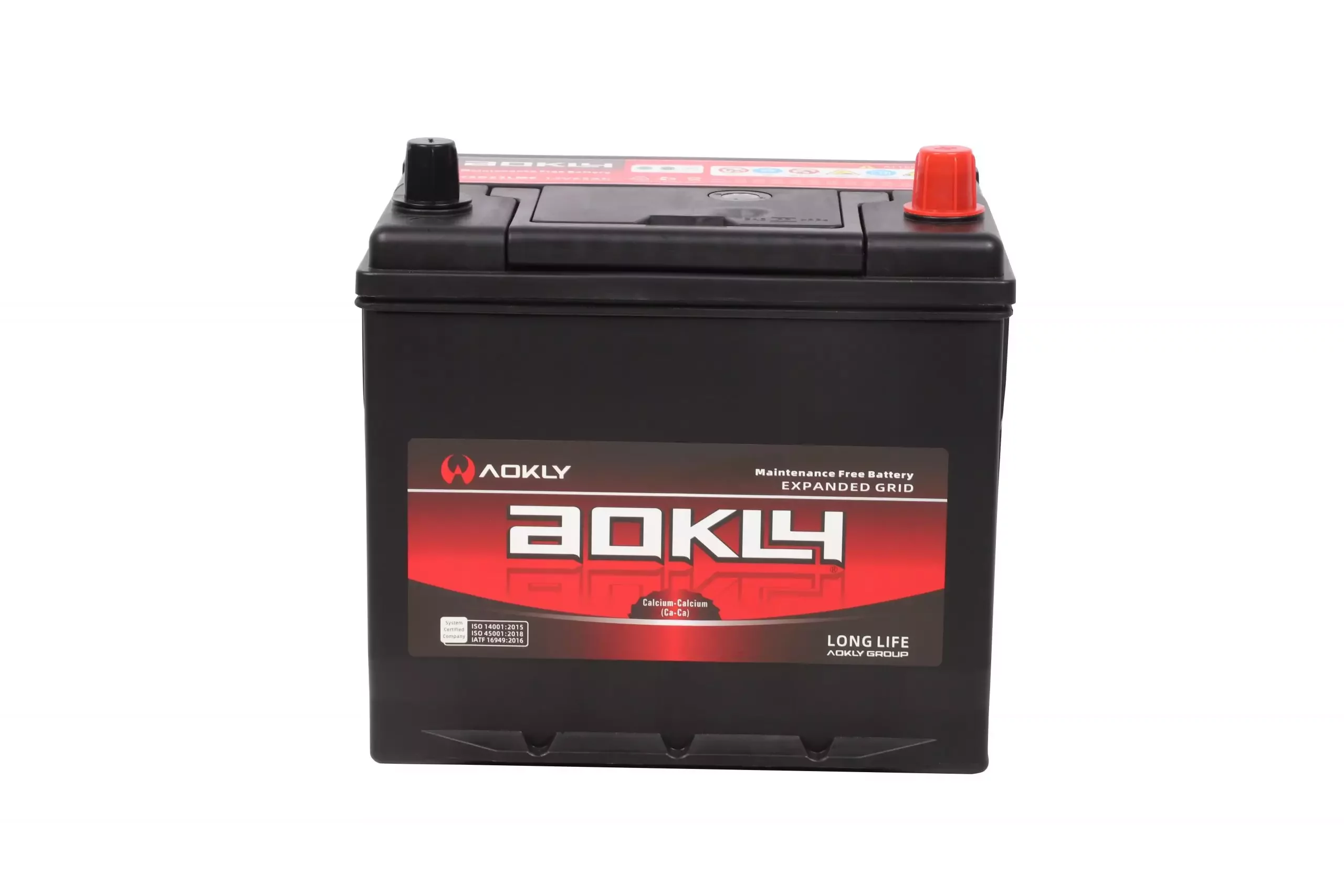
The production of traction batteries, particularly car lithium-ion batteries, involves several cost components that must be carefully managed to ensure profitability and competitiveness in the market. This article provides an overview of the cost breakdown associated with manufacturing traction batteries, featuring Aokly‘s production processes and products.
Raw Materials and Components
The primary costs associated with producing car lithium-ion batteries stem from the raw materials and components required. Lithium-ion batteries consist of various materials, including lithium, cobalt, nickel, and graphite, all of which can be subject to market fluctuations. Additionally, Aokly’s traction batteries, such as the 75D23LMF (12V 65Ah), utilize advanced lead calcium alloys and active material formulations, which also contribute to production costs.
The sourcing of these materials is critical; prices can vary based on availability and geopolitical factors. A reliable supply chain is essential for manufacturers to maintain consistent product quality and cost. Furthermore, the strong polypropylene container used in Aokly’s batteries contributes to the durability and reliability of the product, but its procurement also impacts overall material costs.
Manufacturing Processes and Labor
The manufacturing processes required to produce car lithium-ion batteries also contribute significantly to the overall cost structure. This includes expenses related to assembly lines, equipment, and maintenance. For instance, labor costs associated with skilled technicians who operate advanced machinery directly impact production efficiency and costs.
Aokly emphasizes high-quality production standards, ensuring that each battery meets rigorous performance criteria. The process of assembling batteries involves multiple stages, including cell formation, assembly, and quality control checks. These stages require trained personnel and can result in variable costs based on labor rates and production times.
Additionally, the use of automation and technology in manufacturing can help mitigate some labor costs while improving precision and output, though initial investments in machinery can be substantial. Each of these elements must be balanced to optimize production efficiency while managing expenses.
Quality Control and Compliance
Quality control is another vital aspect of the production process for traction batteries. Ensuring that car lithium-ion batteries meet industry regulations and standards is crucial for both safety and performance. Aokly’s commitment to quality is reflected in its adherence to various standards and certifications, which may involve additional costs related to testing and compliance processes.
This includes expenses associated with laboratory testing, certification procedures, and any necessary adjustments to meet regulatory requirements. For example, Aokly’s batteries exhibit excellent acid and vibration resistance, and achieving such durability often requires rigorous testing protocols, thereby increasing overall production costs.
Maintaining high standards for quality control ensures long-term reliability and customer satisfaction, ultimately benefiting the manufacturer through reduced warranty claims and enhanced brand reputation.
Evaluating Production Costs in the Battery Industry
In summary, understanding the cost breakdown of production for a traction battery manufacturer involves examining the expenses related to raw materials, manufacturing processes, and quality control. The effective management of these costs is critical for sustaining competitiveness in the rapidly evolving automotive market.
Ensuring Efficient Production to Meet Market Demands
In conclusion, as the demand for car lithium-ion batteries continues to grow, manufacturers like Aokly must navigate the complexities of production costs strategically. By focusing on efficient sourcing, skilled labor, and rigorous quality control, Aokly can produce high-performance traction batteries that meet the needs of modern vehicles while ensuring a strong market position. Balancing these factors will enable Aokly and others in the industry to thrive in a competitive landscape.