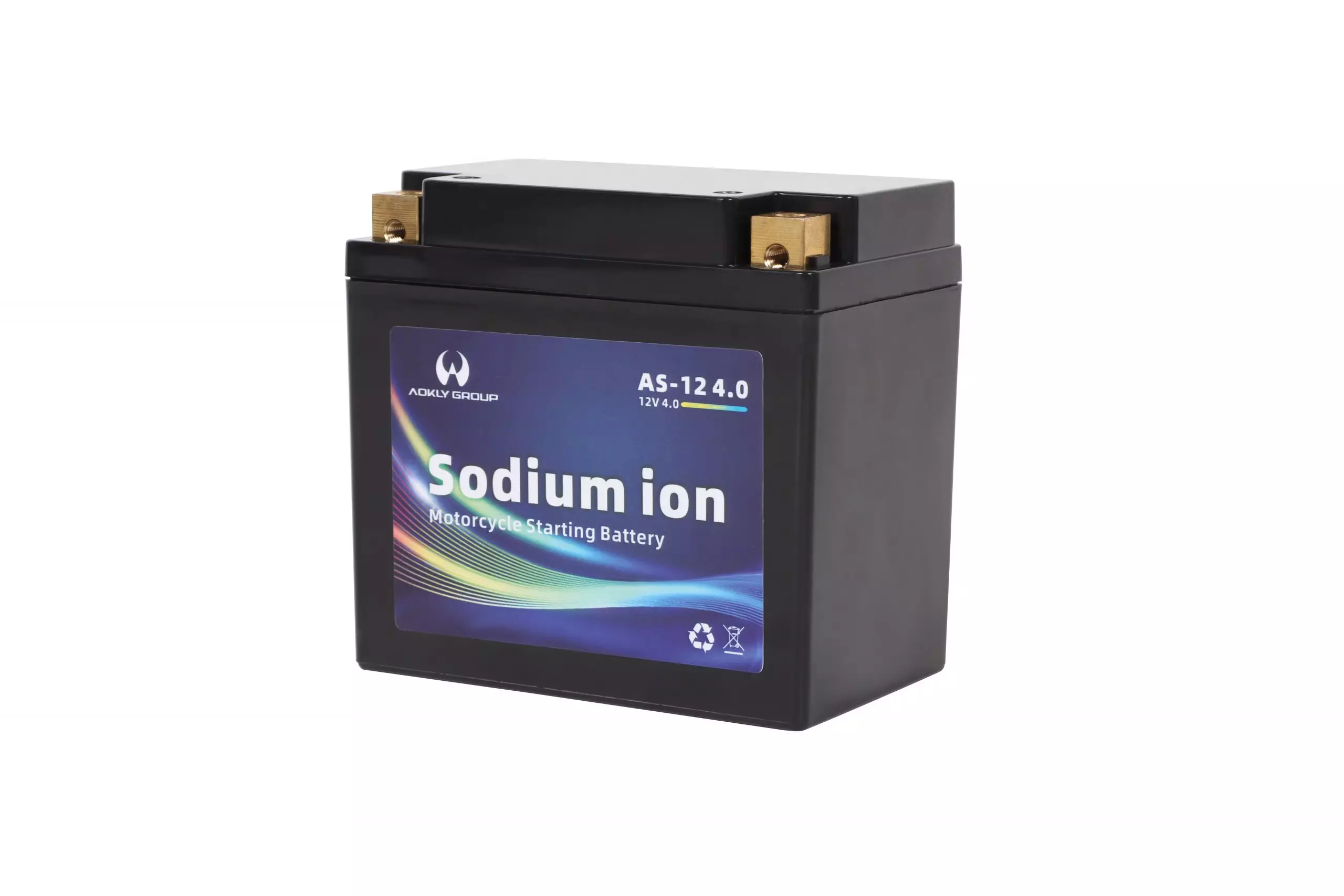
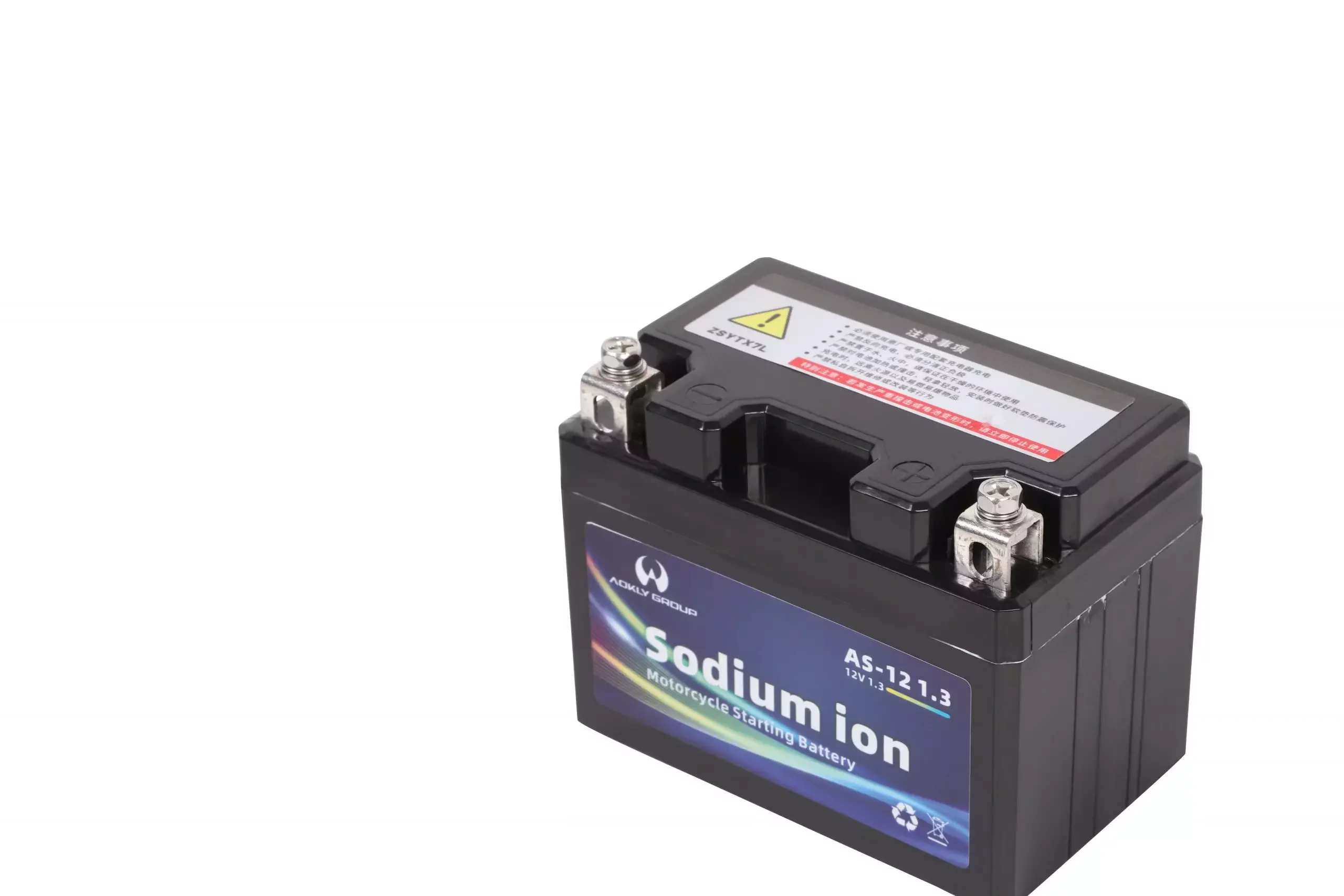
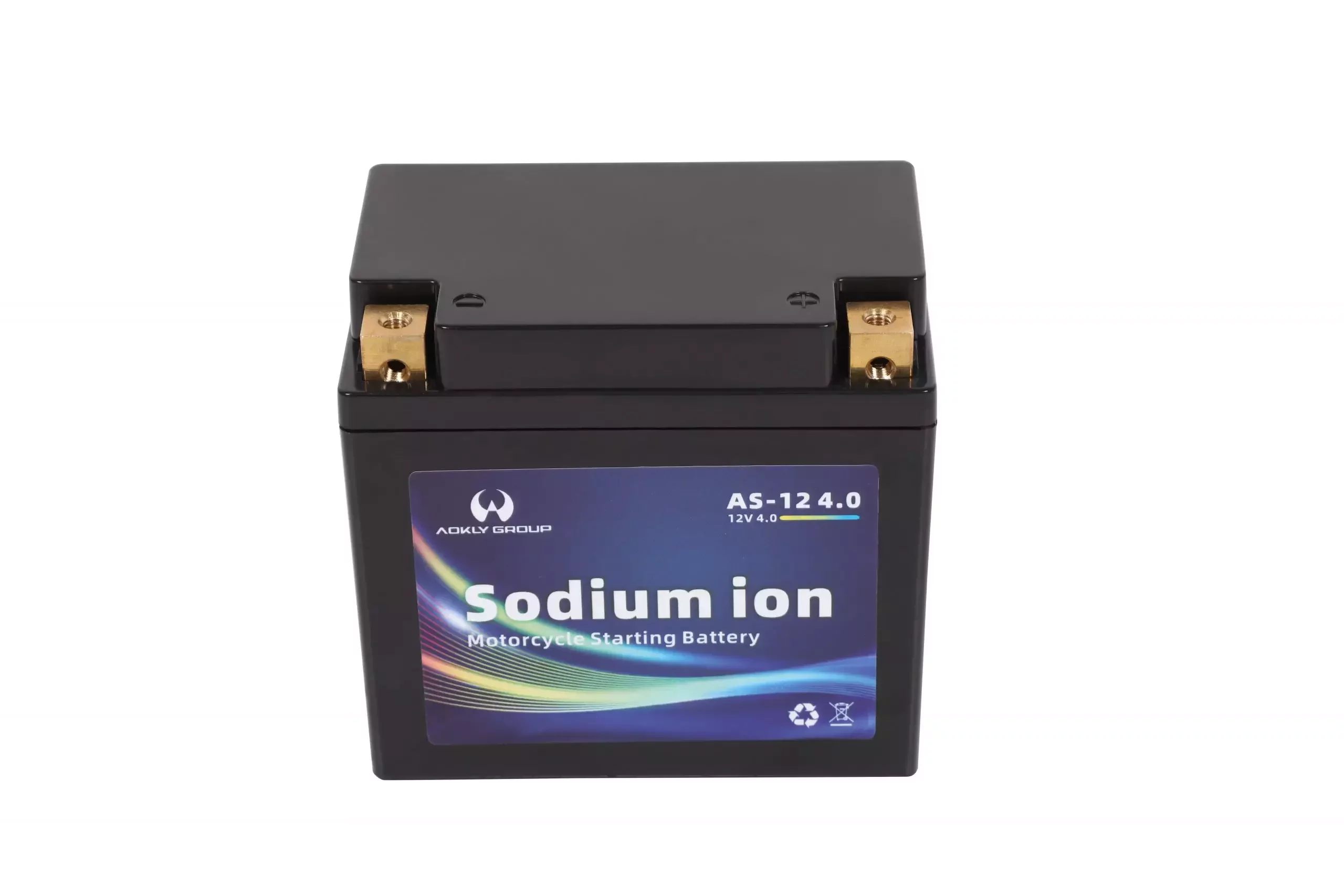
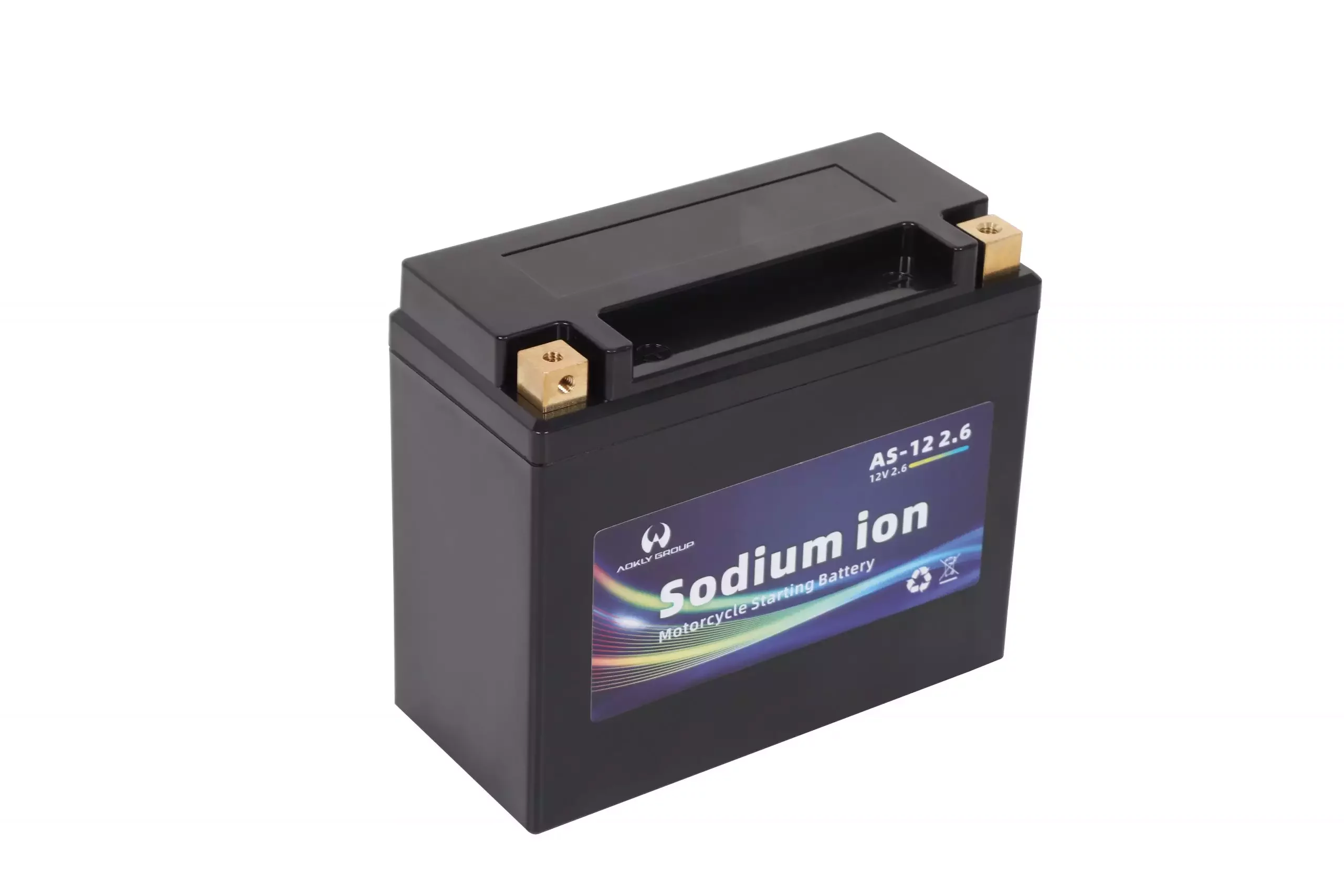
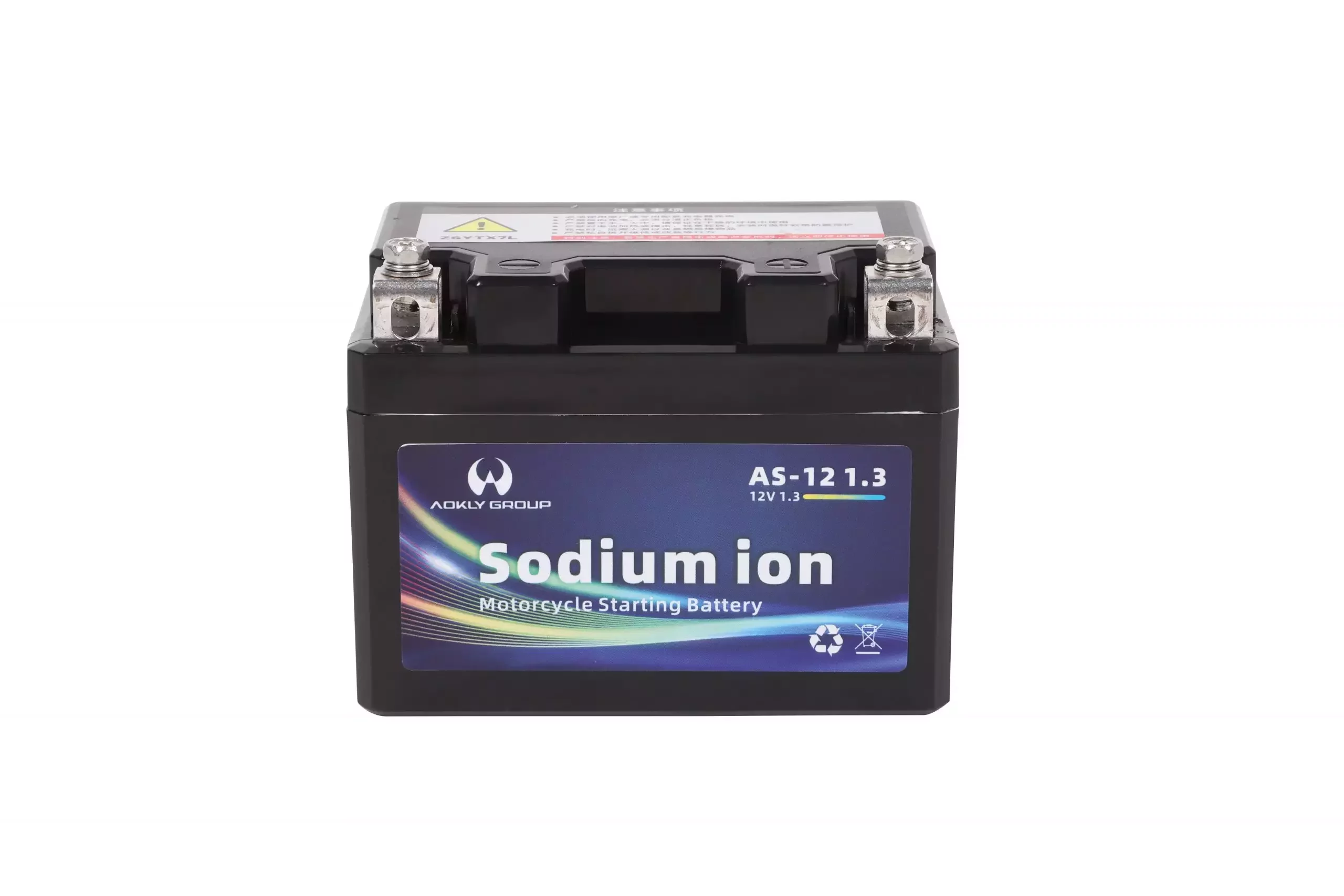
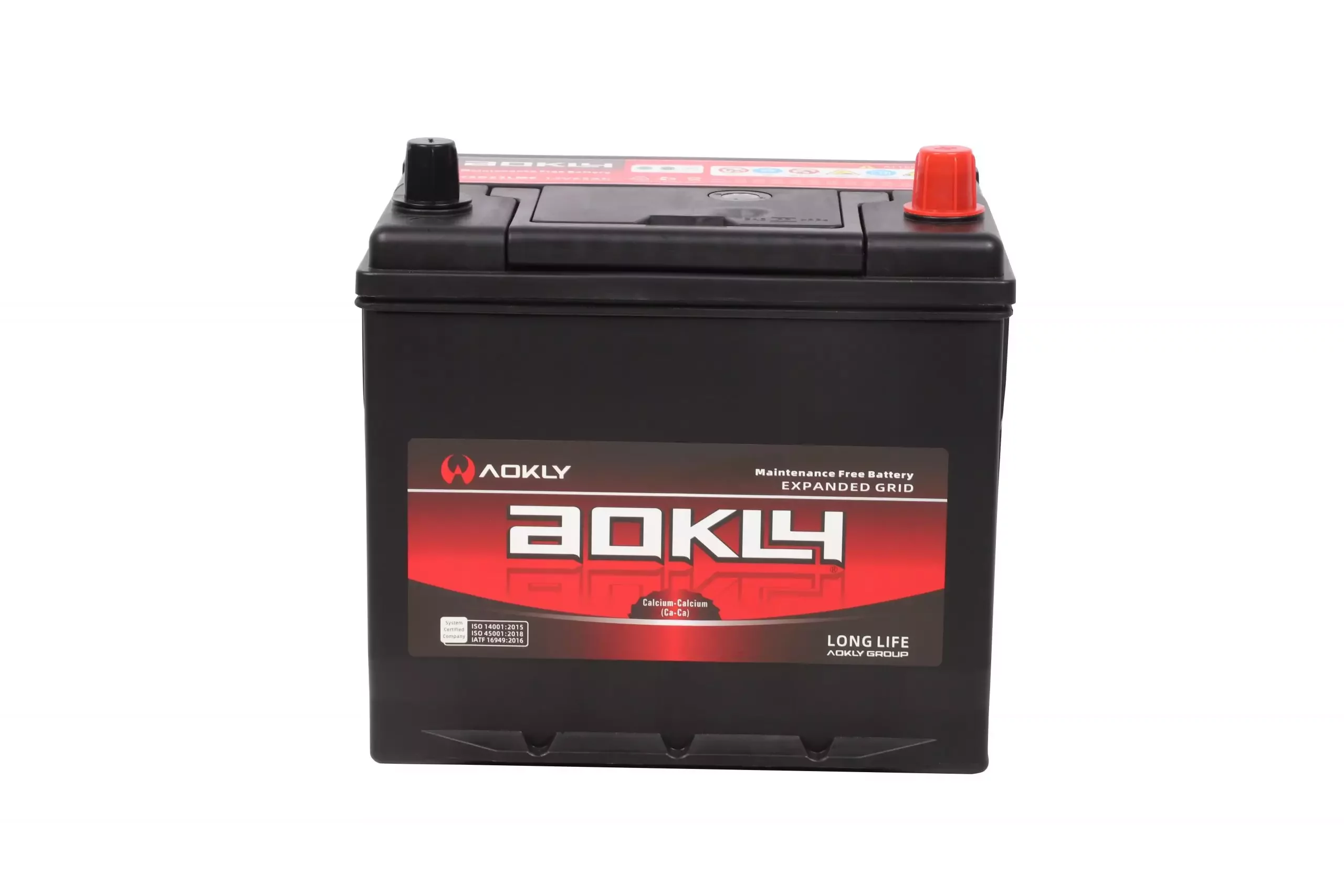
AGM batteries have become increasingly popular in modern vehicles due to their reliable performance and maintenance-free operation. At Aokly, we often encounter customers seeking guidance on how to identify and resolve issues in their AGM car battery. Understanding common faults can help extend battery life and ensure consistent vehicle operation. Our AGML3 model, designed with high cranking power and enhanced vibration resistance, provides an ideal example of what owners should monitor to maintain peak performance.
Identifying Slow Cranking and Engine Start Issues
One of the most common problems with an AGM car battery is slow engine cranking. This can be caused by sulfation, low charge levels, or poor connections. We advise vehicle owners to check terminal connections for corrosion or looseness, and ensure the battery is fully charged using a compatible charger. The AGML3 battery is engineered to deliver superior cold cranking amps (CCA), ensuring reliable starts even in extreme weather conditions, but routine inspection and proper charging remain essential for optimal performance.
Detecting Voltage Drop and Electrical Malfunctions
Another frequent fault in AGM batteries is voltage drop during vehicle operation, which can lead to dimmed lights or erratic electronics. We recommend measuring battery voltage under both idle and load conditions. In cases where voltage falls below manufacturer specifications, recharging or replacing the battery may be necessary. Our AGML3 model offers longer service life compared to conventional flooded batteries, which helps reduce such electrical interruptions and supports vehicles with higher electrical demands.
Preventing Leakage and Maintenance Challenges
Although AGM car batteries are sealed and maintenance-free, improper handling, extreme temperatures, or overcharging can cause leaks, reduced capacity, or premature failure. We emphasize the importance of correct installation, careful handling, and strict adherence to the vehicle’s charging system specifications. The AGML3 battery’s maintenance-free design eliminates water refilling needs, and its excellent vibration resistance significantly improves durability on rough or off-road conditions, but understanding handling precautions and monitoring performance regularly can prevent avoidable faults and extend its functional lifespan.
Conclusion: Ensuring Reliable AGM Battery Operation
In summary, troubleshooting common faults in an AGM car battery involves monitoring slow cranking, voltage drops, and potential handling issues. We find that regular inspection, proper charging practices, and attention to installation details significantly improve reliability. By integrating Aokly’s AGML3 battery, drivers gain the benefits of high cranking power, longer service life, maintenance-free operation, and excellent vibration resistance. Understanding these factors allows us to provide practical advice, ensuring our customers experience consistent and trouble-free battery performance.