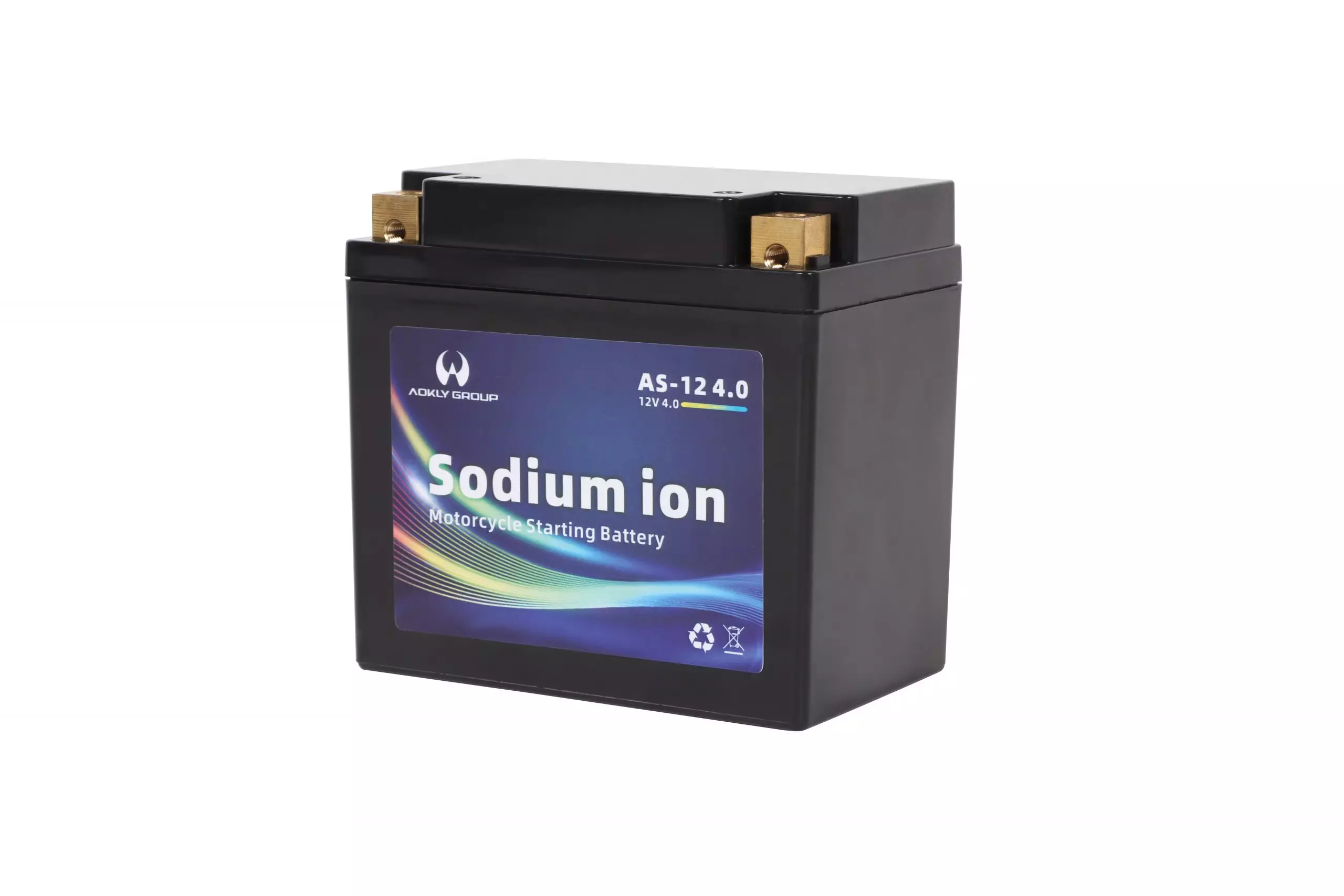
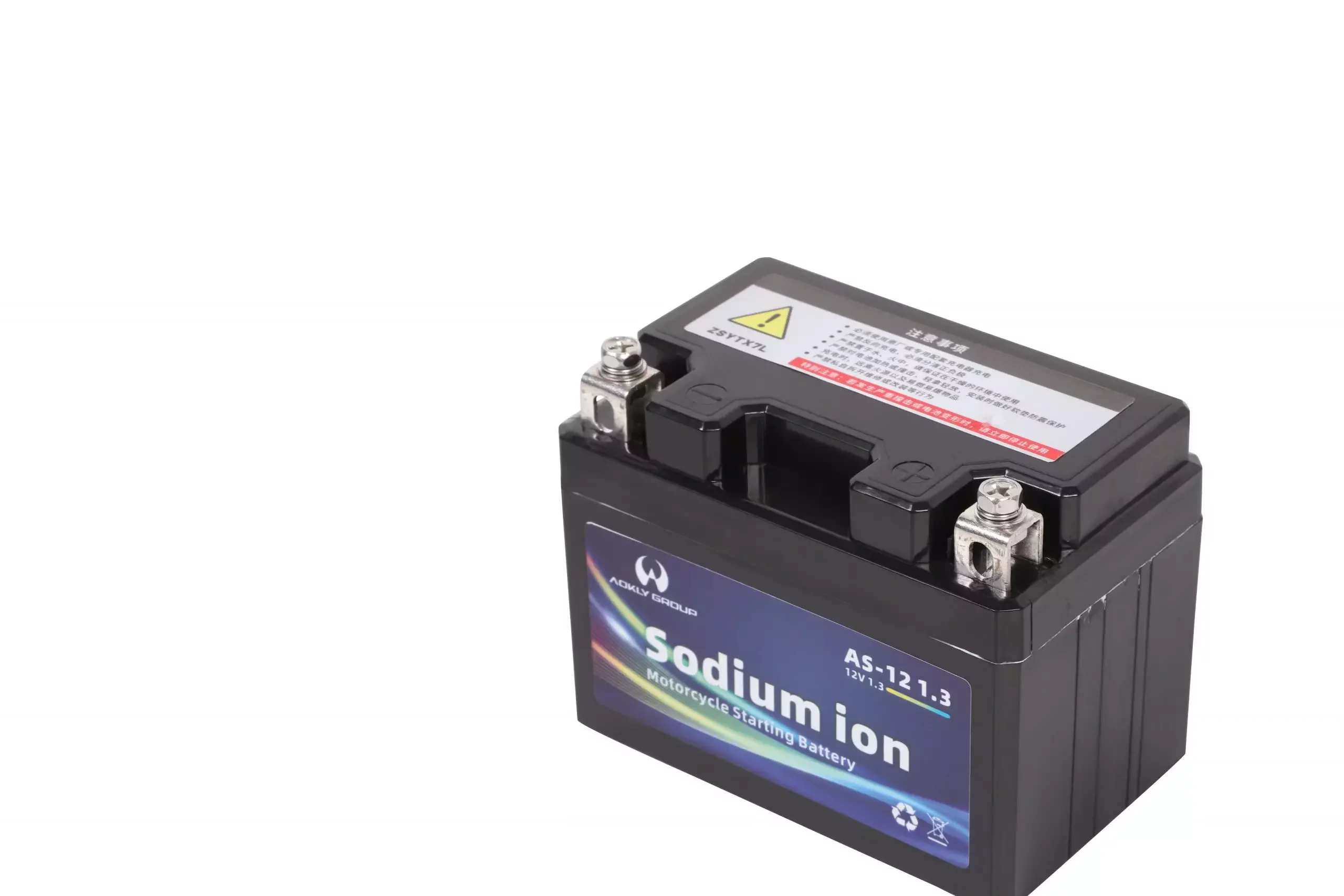
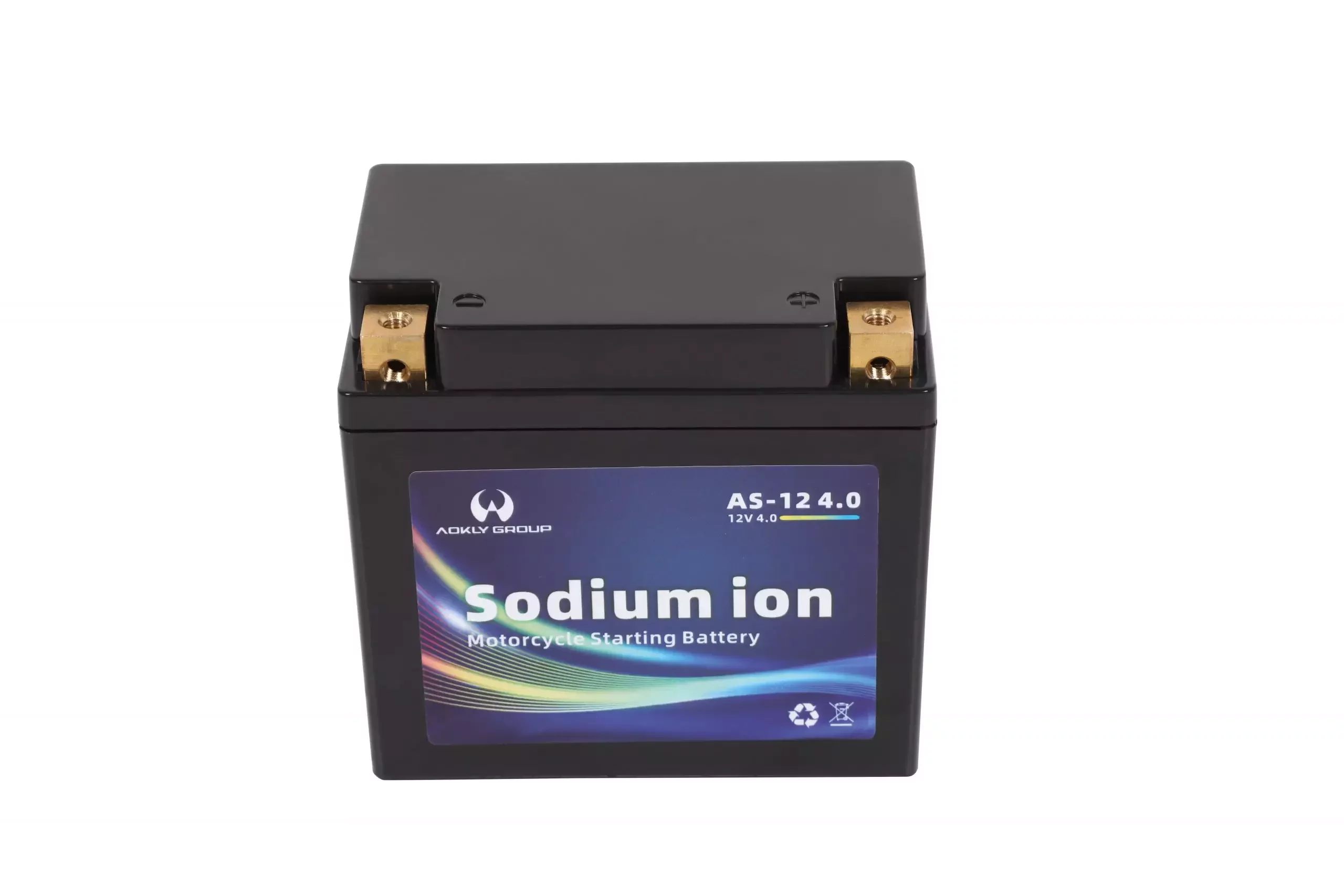
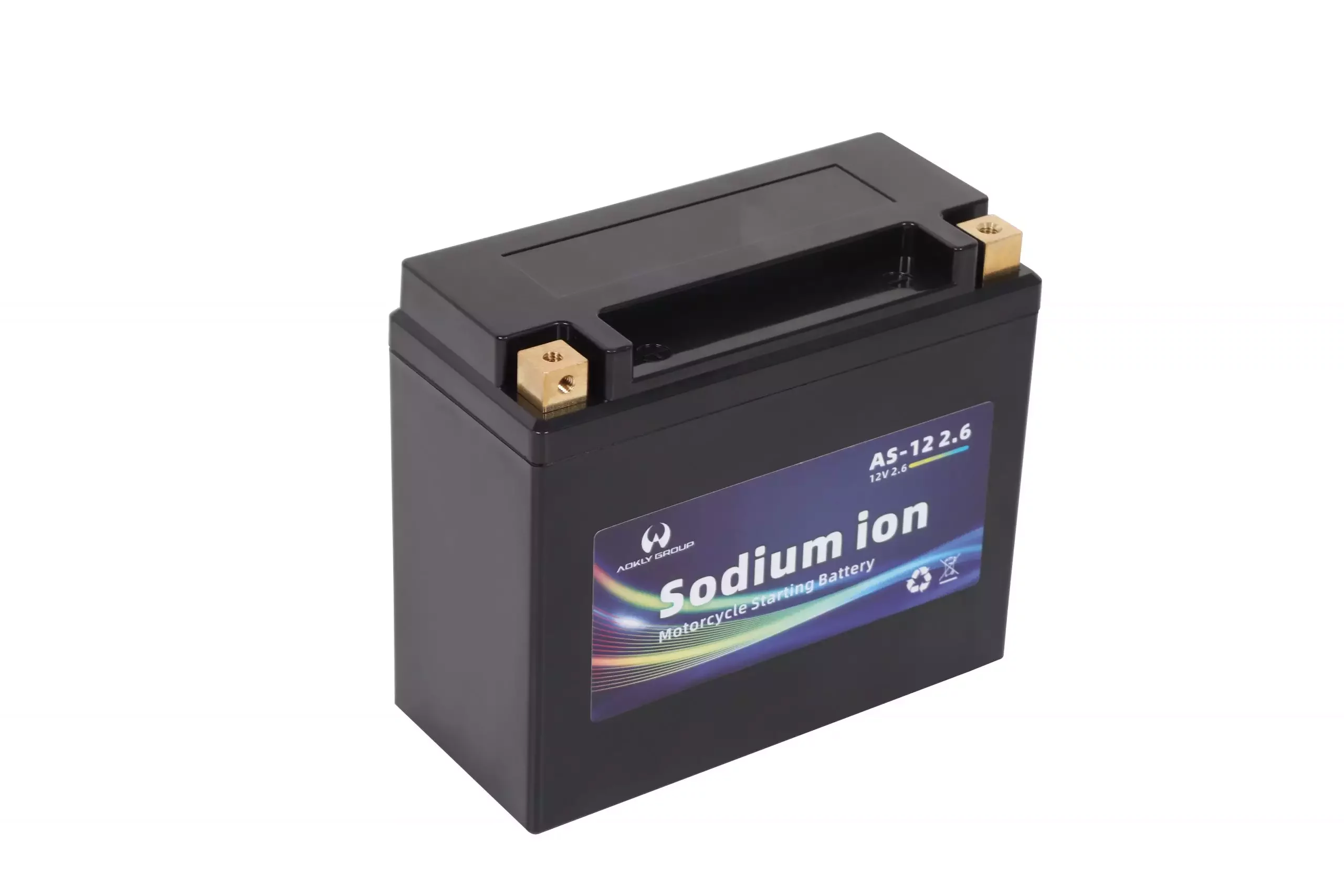
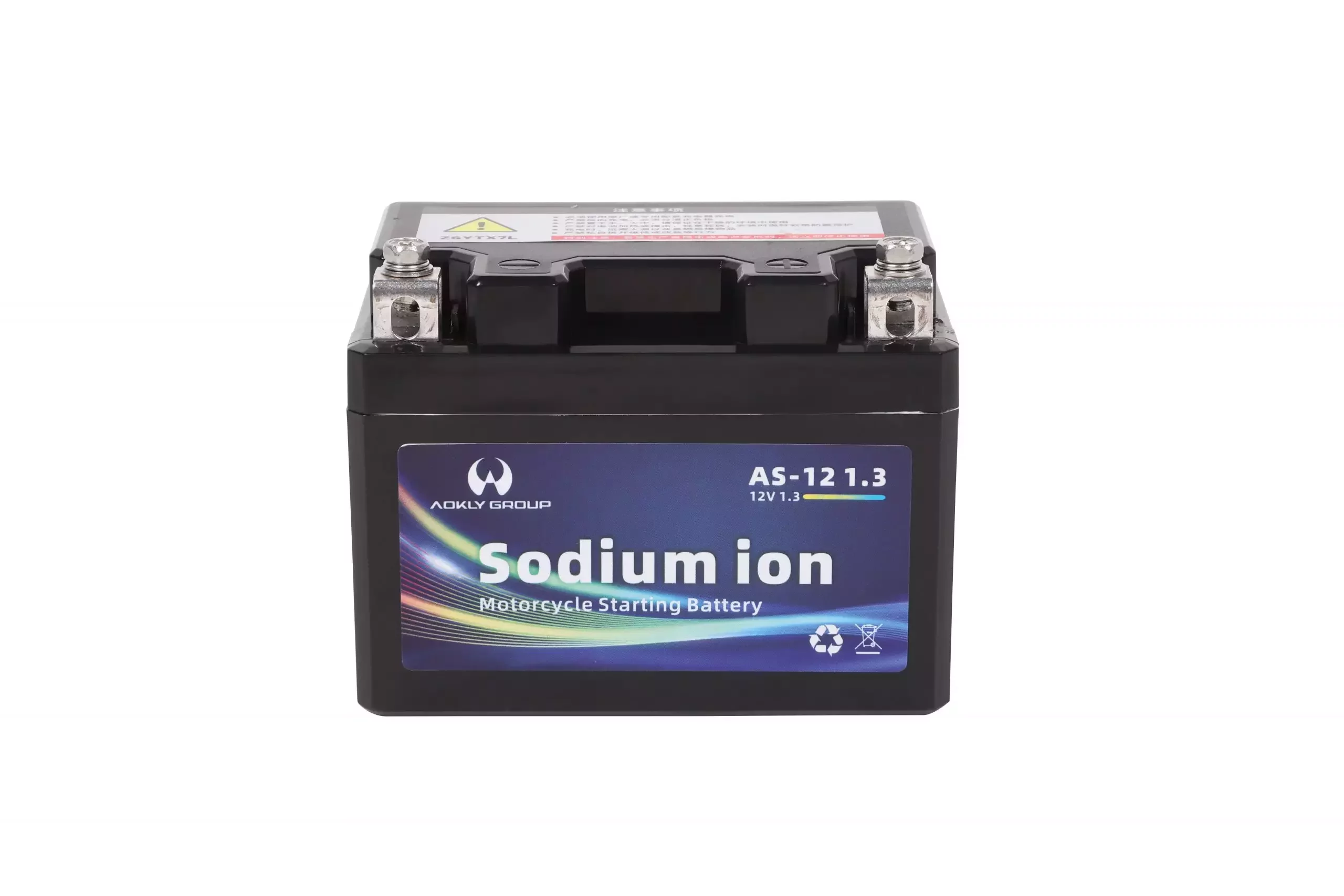
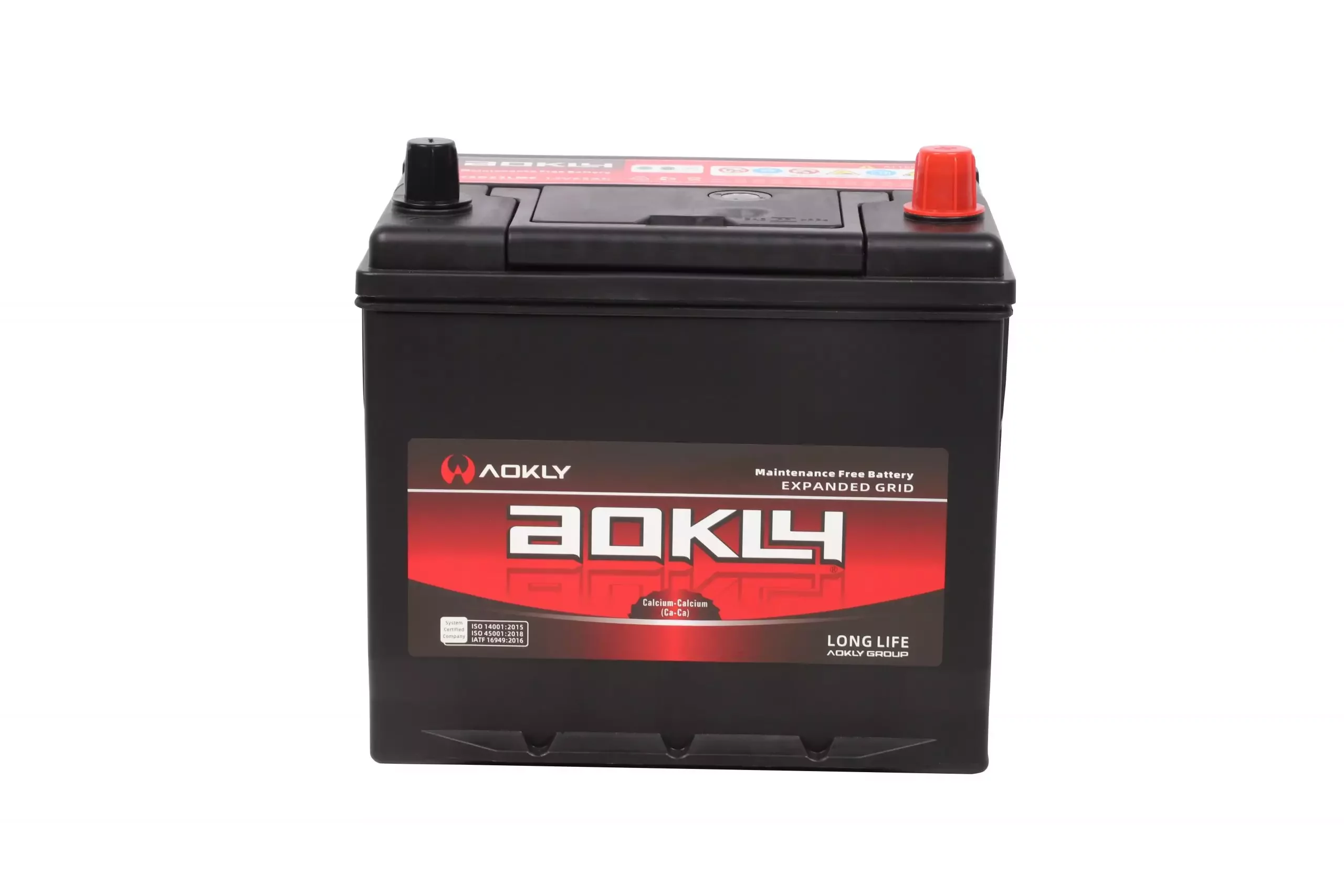
As energy storage applications continue to expand, many users ask whether a 12V lead acid battery or a lithium alternative is better suited for their systems. At Aokly, we believe the right answer depends on performance expectations, operating environment, and lifecycle considerations. Rather than focusing on trends, we prefer to examine measurable factors such as discharge behavior, service temperature range, structural design, and maintenance requirements. By comparing technologies through practical scenarios, users can make informed decisions that align with real project demands.
Performance Characteristics in Real-World Applications
When evaluating a 12V lead acid battery, stability under varying loads is a critical factor. Lead acid chemistry is known for reliable high-rate discharge performance, especially in backup power systems and UPS applications. In contrast, lithium batteries often provide higher energy density and lighter weight, which can be advantageous in mobility-focused designs. However, in stationary systems where weight is not a primary constraint, consistent voltage output and compatibility with existing infrastructure remain key considerations. We observe that operating temperature also plays a role; traditional valve-regulated designs can function within a broad range, while lithium systems may require additional battery management integration for protection and balancing.
Design Life, Structure, and Safety Considerations
Cycle life and structural integrity are often central to technology selection. A properly engineered 12V lead acid battery can offer predictable service performance when operated within recommended parameters. For example, our 6-GFM-24 series features a nominal voltage of 12V and a nominal capacity range from 24Ah to 250Ah, supporting diverse backup and storage applications. With a long design life of 10 years at 25°C and a self-discharge rate of ≤3% per month, it is structured for standby reliability. Its compact design, low internal resistance, pasted flat plate construction, and high assembling pressure contribute to enhanced deep cycle capability. Terminal options include multiple configurations, and double sealing technology combining mechanical structure with epoxy glue improves leakage resistance. The casing material is high-strength ABS (UL94-HB), with UL94-V0 available upon request, supporting safety compliance requirements.
Cost Efficiency and Maintenance Perspectives
From a lifecycle perspective, cost analysis should consider not only initial procurement but also infrastructure compatibility and replacement intervals. Many facilities already operate systems designed for 12V lead acid battery configurations, reducing conversion complexity. Lithium solutions may offer extended cycle life in certain cycling-intensive applications, yet they often require specialized battery management systems and charging protocols. In backup or standby roles where deep cycling is limited, lead acid technology remains technically appropriate and economically practical. At Aokly, we continue refining sealing reaction efficiency, which reaches ≥99% in our valve-regulated structures, helping minimize gas emission and maintenance needs during operation.
Conclusion: Matching Technology to Application
In comparing a 12V lead acid battery with lithium technology, the conclusion is not about superiority but suitability. Lithium may align with lightweight, high-density mobility demands, while lead acid continues to serve stationary backup, industrial power, and temperature-variable environments effectively. At Aokly, we focus on delivering dependable 12V solutions such as the 6-GFM-24 series, designed with stable discharge behavior, controlled self-discharge, and durable structural engineering. By understanding application requirements and performance priorities, users can confidently select the battery chemistry that supports long-term system reliability.