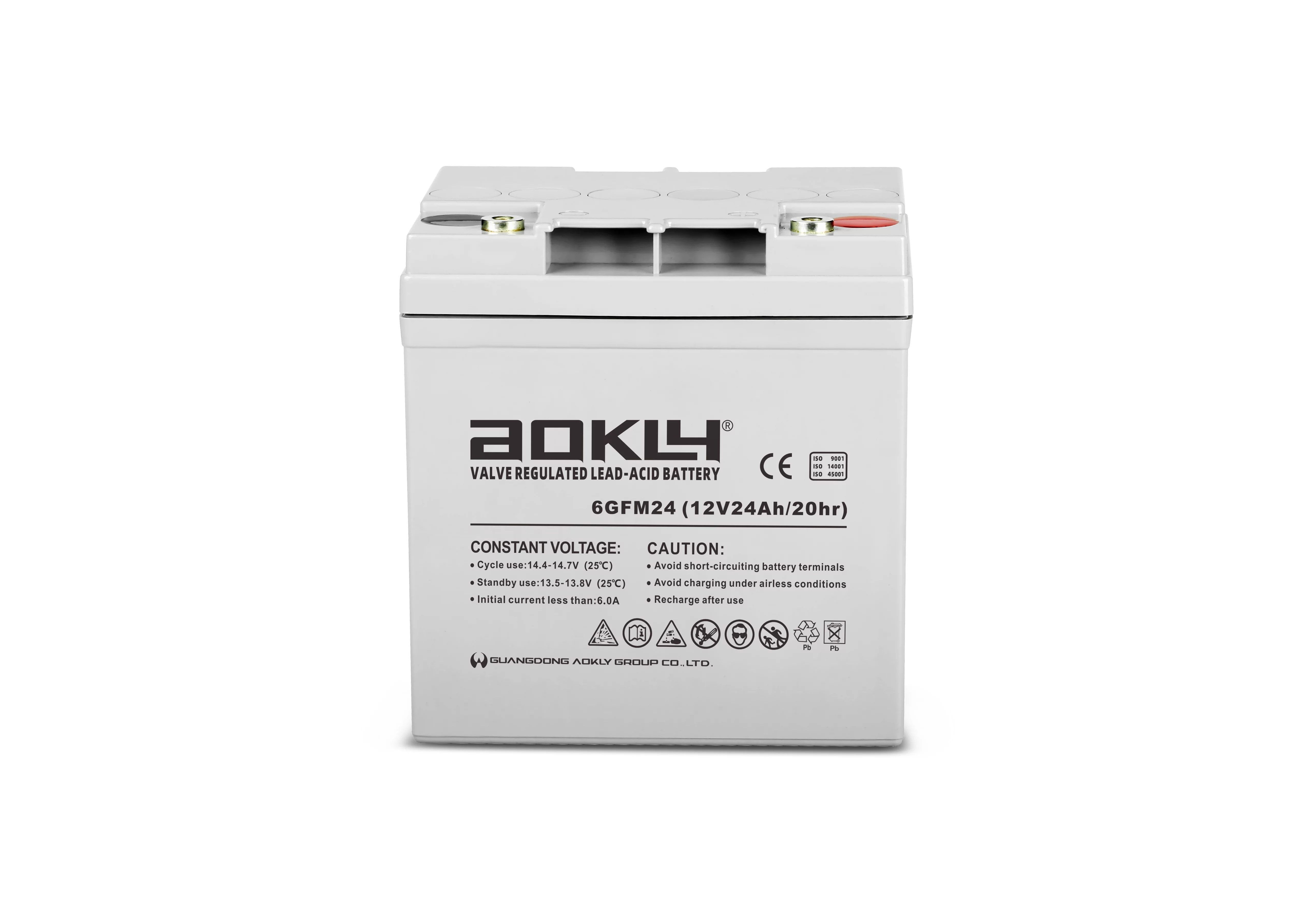
Effective management of charging cycles stands as one of the most critical factors in ensuring uninterrupted power supply reliability. We at Aokly frequently encounter situations where users overlook basic maintenance principles, leading to premature UPS battery failure during actual power outages. Understanding how charging patterns affect overall performance helps organizations protect sensitive equipment while maximizing return on investment. The relationship between charging habits and UPS battery longevity involves electrochemical principles that, when respected, deliver years of dependable service. Our experience with various installations has reinforced that proper charging management prevents many common failure modes observed in standby power systems.
Temperature Effects on Charging Efficiency
Ambient temperature surrounding your UPS battery significantly influences how charging currents interact with internal chemistry. When temperatures rise above recommended ranges, chemical reactions accelerate internally, potentially causing grid corrosion and water loss in flooded designs. Conversely, cold environments increase internal resistance, making it difficult for the UPS battery to accept a full charge during normal charging windows. We recommend maintaining equipment rooms within manufacturer-specified temperature ranges, typically between 20-25 degrees Celsius, to optimize charging efficiency. Thermal monitoring becomes especially important in multi-unit installations where heat generation compounds across multiple enclosures. The relationship between temperature and UPS battery charging acceptance follows predictable patterns that informed users can manage through proper environmental controls and ventilation strategies.
Avoiding Deep Discharge Scenarios
The depth to which a UPS battery discharges before recharging begins directly impacts total cycle life expectations. Modern UPS equipment often includes automatic voltage monitoring that initiates recharging before dangerous depletion occurs, but manual interventions sometimes bypass these safeguards during extended outages. We advise against deliberately running systems until automatic shutdown, as repeated deep discharges stress plate materials and reduce active material utilization. Partial state-of-charge operation, where the UPS battery remains below full charge for extended periods, introduces different degradation mechanisms related to sulfation in lead-acid designs. Establishing clear protocols for manual load shedding during prolonged events helps preserve UPS battery health until utility power returns. Regular testing under controlled conditions reveals how specific installations respond to various discharge depths, enabling customized protection strategies.
Scheduled Equalization Charge
Certain UPS battery chemistries benefit from periodic equalization charges designed to balance cell voltages and prevent stratification. This controlled overcharge process mixes electrolyte and reverses minor capacity variations between series-connected cells. We emphasize that equalization frequency depends on usage patterns, with frequently cycled installations requiring more attention than standby applications. Modern chargers often include programmable equalization modes that automatically execute this maintenance function based on elapsed time or cumulative discharge metrics. However, inappropriate equalization applied to valve-regulated UPS battery designs can cause permanent damage through excessive gas generation. Consulting manufacturer guidelines ensures that equalization parameters match specific technology requirements, whether gel, AGM, or flooded configurations. Record-keeping of equalization events helps track long-term UPS battery trends and predict replacement intervals accurately.
In conclusion, attentive charging management transforms UPS battery performance from unpredictable to reliable. Our observations at Aokly confirm that temperature control, discharge limitation, and appropriate equalization collectively extend service life beyond typical expectations. Implementing these practices requires minimal effort yet yields substantial dividends in system availability and reduced replacement frequency.