

Step inside a modern vehicle today and you are greeted by a dashboard that resembles a tablet more than a traditional instrument cluster. Large touchscreens control navigation, entertainment, climate, and vehicle settings, creating an experience that is heavily reliant on stable electrical power. When you are sitting in a parking lot with the engine off, waiting to pick someone up, that screen stays on, drawing energy continuously. This shift in vehicle design has fundamentally changed what we ask of the starting power unit. It is no longer sufficient for it to simply crank the engine and then sit idle while the alternator takes over. Modern drivers expect their electronics to function flawlessly whether the engine is running or not, placing new demands on the energy storage system. For vehicles equipped with start-stop technology and power-hungry infotainment systems, the choice of power source becomes critical.
The Growing Electrical Demands of Modern Interiors
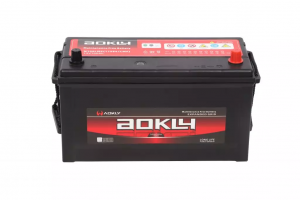
Vehicle interiors have transformed into connected spaces where drivers expect instant access to information and entertainment. The large displays dominating dashboards require consistent voltage to operate without flickering or resetting during engine restart events. Additionally, features like heated seats, USB charging ports, ambient lighting, and advanced driver assistance systems all draw power simultaneously. When the engine shuts down automatically at a traffic light, the battery must shoulder the entire electrical load alone. Traditional flooded units often struggle to maintain stable voltage under these conditions, leading to dimming displays or system interruptions. This is where enhanced technology becomes relevant. An EFB unit, which falls into the category of a maintenance free battery, is engineered with a modified paste formulation and improved grid design to better handle the cyclic demands of powering electronics while the vehicle is at a standstill. It delivers the reserve capacity needed to keep the dashboard fully functional during these idle periods.
How EFB Design Ensures Consistent Voltage
The internal construction of an Enhanced Flooded Battery differs from standard options in ways that directly benefit electronic stability. The positive plates are often reinforced with a polyester scrim or similar material that helps hold the active paste in place during the repeated charge and discharge cycles common in modern driving. This structural integrity prevents the voltage sags that can occur when a battery struggles to meet demand. For sensitive electronics, even a momentary drop in voltage can cause a navigation system to reboot or a Bluetooth connection to drop. We recognize that drivers expect seamless operation from their vehicles. By utilizing a robust design that resists stratification and maintains consistent power output, an EFB unit ensures that the entertainment and information systems remain stable. As a maintenance free battery, it also eliminates the need for drivers to ever check water levels, a practical advantage given how deeply these units are often buried beneath cowls and trim panels in modern engine bays.
Adapting to Engine Start-Stop Systems
The proliferation of start-stop technology, designed to save fuel in congested traffic, places unique stress on the power source. Every time the engine restarts, a significant current draw occurs. In a vehicle packed with electronics, this restart must happen seamlessly without the dashboard lights dimming or the radio cutting out. The battery must have low internal resistance to deliver this burst quickly while simultaneously supporting all the active electronics. EFB technology bridges the gap between basic starting units and higher-spec alternatives, offering improved cycle life and charge acceptance. It is specifically designed to handle the frequent restart events common in urban driving environments. Because it falls under the umbrella of a maintenance free battery, fleet operators and individual owners alike benefit from reduced service requirements, allowing them to focus on the road and the technology at their fingertips rather than under-hood maintenance.
In conclusion, as vehicles become more like computers on wheels, the power source must evolve to support them. The ability to maintain stable voltage under heavy accessory loads while enduring frequent start-stop cycles defines a suitable modern battery. We at Aokly focus on providing the right technology to match the sophisticated electrical architecture of today’s vehicles.
