

City driving presents a unique set of challenges for modern vehicles. The constant stopping at traffic lights, creeping through congestion, and idling in delivery zones place immense strain on electrical systems. Unlike highway driving, where the alternator consistently spins at high speeds to recharge, urban conditions involve frequent engine shut-offs and rapid power demands. This pattern has pushed automotive engineers to develop smarter starting systems, but these systems rely entirely on the health of the energy storage unit. For fleet managers overseeing multiple vehicles operating in dense metropolitan areas, understanding the relationship between driving conditions and battery performance is essential for avoiding costly roadside failures. The right choice in power storage can mean the difference between a productive delivery day and a vehicle stuck waiting for a jump start.
The Strain of Frequent Stop-Start Cycles
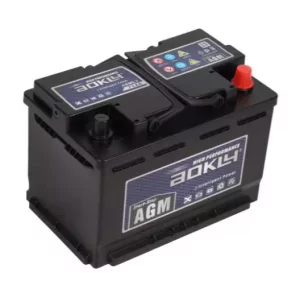
When a vehicle sits in heavy traffic with the engine automatically shutting off at every red light, the battery must work overtime. Every time the engine restarts, a significant burst of energy is drawn from the storage unit. In a standard vehicle without this technology, the starter motor might engage a handful of times per day. In a modern urban fleet vehicle equipped with automatic engine shut-off, that number can skyrocket into the dozens or even hundreds of daily restarts. This pattern demands a power source built to handle rapid, repeated discharges without degrading. Standard starting batteries are not designed for this workload and often fail prematurely under these conditions. A properly specified 12v AGM battery is constructed differently internally, using absorbent glass mat technology to hold the active material firmly against the plates, preventing the shedding that occurs with frequent cycling. This construction allows it to survive the punishment of urban delivery routes far longer than conventional alternatives.
Vibration Resistance and Durability Factors
Beyond the electrical demands, the physical environment inside a fleet vehicle traversing pothole-ridden city streets is brutal. Vibration is a silent killer of traditional batteries, gradually shaking loose the internal active material until the cell eventually shorts out. Fleet vehicles, by their nature, accumulate miles on rough roads and often traverse alleyways and loading zones not designed for heavy trucks. We recognize that durability in these conditions requires robust internal engineering. The absorbed glass mat design offers a distinct advantage here because the electrolyte is suspended in a fiberglass mat sandwiched tightly between the plates. This creates a compression fit that essentially locks the internal components in place. When you specify a 12v AGM battery for a fleet application, you are effectively choosing a power source that can resist the constant shaking and jarring that comes with city driving. This resistance translates directly into fewer mid-shift failures and reduced downtime for the maintenance team.
Managing Higher Electrical Loads at Idle
Modern fleet vehicles are no longer just transportation; they are mobile offices. Delivery drivers rely on tablets for route guidance, communication systems for dispatch, and auxiliary lighting for early morning or late evening deliveries. All these devices draw power, and when the engine is frequently stopped at traffic lights, the alternator is not spinning to replenish that energy. The battery must shoulder the entire electrical load during these idle periods. This requires a unit with excellent deep cycle capability and the ability to recover quickly once the engine starts running again. The design of an AGM unit provides lower internal resistance, meaning it accepts a charge faster than flooded alternatives. This characteristic is vital in stop-start driving where the windows for recharging are short. By selecting a 12v AGM battery for the fleet, managers ensure that auxiliary systems remain powered during idling and that the battery recharges efficiently during brief periods of motion.
In conclusion, the demands of urban fleet operations require power sources engineered for cycling, vibration resistance, and rapid recharge. Matching the battery technology to the driving pattern is a critical management decision. We at Aokly focus on providing solutions that meet the rigorous demands of modern commercial applications.
