

Installing a new Enhanced Flooded Battery requires attention to detail that many vehicle owners underestimate. We at Aokly frequently encounter situations where improper installation practices lead to premature failure or suboptimal performance of these sophisticated power sources. The transition from conventional batteries to EFB technology represents significant advancement in starting and cycling capability, but this progress demands corresponding upgrades in installation knowledge. Understanding common mistakes helps both professionals and DIY installers avoid costly errors that compromise system reliability. Our field observations have identified several recurring issues that consistently appear when installations proceed without proper preparation or technical awareness.
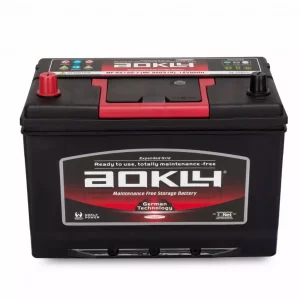
Mismatched Battery Specifications and Vehicle Requirements
The most fundamental error involves selecting an EFB battery that does not precisely match the vehicle manufacturer’s original specifications. Modern vehicles with start-stop functionality communicate with their power sources through complex algorithms expecting specific capacity, cold cranking amps, and internal resistance values. When an installer substitutes a different size or rating, the vehicle’s battery management system may never achieve optimal charging parameters. Some owners mistakenly believe that any maintenance free car battery will function adequately in start-stop applications, overlooking the cycling demands that exceed conventional capabilities. We emphasize that consulting the owner’s manual or original equipment specifications ensures the replacement EFB unit meets all electrical and physical requirements. The relationship between proper sizing and long-term reliability cannot be overstated, as incorrect specifications force the charging system into inappropriate operating modes.
Neglecting Battery Registration Procedures
Many late-model vehicles require electronic registration of new battery installations through the onboard diagnostic system. Skipping this step prevents the charging algorithm from resetting its age and usage parameters, potentially overcharging or undercharging the fresh EFB battery throughout its service life. This registration process informs the vehicle’s electrical management system that a new power source has been installed, allowing it to adjust charging voltage based on the new unit’s expected characteristics. Even when installing a premium maintenance free car battery, failure to complete registration procedures can reduce cycle life by thousands of starts. We recommend confirming whether registration is necessary before beginning any replacement, as some vehicles require specialized scan tools for this function. The additional minutes required for proper registration yield substantial dividends in battery longevity and starting reliability.
Improper Handling and Terminal Connection Practices
Physical installation mistakes also rank high among preventable failures affecting EFB batteries. Lifting batteries by their terminals rather than using appropriate handles or carriers can damage internal connections that appear robust externally. When tightening terminal connections, overtorquing compresses lead posts and creates high-resistance interfaces that generate heat during high-current starting events. Conversely, loose connections cause intermittent electrical contact that confuses battery sensors and may trigger warning lights. The design of any maintenance free car battery assumes proper mechanical installation, yet we regularly observe terminals distorted by improper wrench technique. Corrosion prevention treatments applied after connection, rather than before, ensure conductive pathways remain clean without interfering with electrical contact. Verifying that hold-down hardware secures the battery against vibration prevents internal plate damage that accumulates over thousands of miles.
In conclusion, precise installation practices unlock the full potential of modern EFB technology. Our experience at Aokly confirms that attention to specification matching, electronic registration, and mechanical connection details transforms a simple replacement into a long-term reliability investment. Vehicle owners who respect these requirements enjoy consistent start-stop functionality and extended battery service life.
