

For motorcycle enthusiasts, the moment of truth arrives each time they press the starter button. From our perspective at Aokly, we understand that a bike refusing to start can ruin an otherwise perfect day on the road. The component responsible for this critical function often goes unnoticed until it fails to perform. Selecting the right power source involves more than picking the cheapest option or the one that fits the battery box. Several characteristics determine whether a particular model will deliver reliable service throughout its intended lifespan. Riders who take time to understand these features typically enjoy greater satisfaction and fewer roadside surprises.
Internal Construction and Plate Design
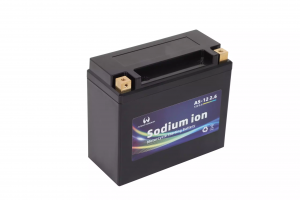
The way manufacturers build the internal elements directly affects how well the unit handles the demands of motorcycle operation. High-quality units utilize pure lead or lead-calcium alloys in their plate grids, which resist corrosion better than standard lead-antimony mixtures. Thicker plates provide more surface area for chemical reaction and withstand the vibration inherent to motorcycling more effectively than thin designs. Some premium options incorporate spiral-wound cells that pack more plate surface into a compact space, increasing power density without enlarging the case. When examining a motorcycle starting battery, looking into its construction details reveals much about its expected durability. Units designed with reinforced separators between plates prevent short circuits when vibration causes movement inside the case. We have observed that motorcycle starting battery models featuring epoxy-anchored plates consistently outperform standard constructions in high-vibration applications like v-twins or single-cylinder thumpers.
Power Metrics That Actually Matter
Manufacturers list various numbers on their specifications, but not all carry equal weight for motorcycle applications. Cold cranking amps indicate the current delivered at freezing temperatures, crucial for riders who store bikes in unheated garages or ride during cooler months. However, some units boast high cranking numbers while sacrificing reserve capacity, the measure of how long they can supply lower current if the charging system fails. A balanced motorcycle starting battery provides sufficient cranking power for engine starts while maintaining enough reserve to run lights and ignition if the bike needs push-starting. Terminal configurations also deserve attention, as some bikes use side terminals, others top posts, and many require specific thread sizes for secure cable attachment. Voltage stability under load represents another meaningful metric, as dropping voltage confuses modern engine control units and fuel injection systems. Riders running heated gear or additional electronics should verify their motorcycle starting battery maintains stable voltage when multiple accessories draw power simultaneously.
Physical Characteristics and Fitment Considerations
Beyond electrical specifications, the physical attributes determine whether installation proceeds smoothly or becomes a frustrating exercise. Dimensions vary surprisingly across units with identical group sizes, as case designs differ between manufacturers. Terminal placement affects cable reach, with some bikes having short harnesses that require exact positioning to avoid stretching wires. Weight distribution matters for handling, though the difference between standard and lightweight options rarely proves noticeable during riding. Vent tube compatibility remains essential for conventional units that release gases during charging, as improper venting allows corrosive vapors to attack surrounding metal. Maintenance requirements range from sealed designs that never need attention to conventional types requiring periodic electrolyte checks. We encourage riders to consider how their motorcycle starting battery choice aligns with their mechanical inclination, as those preferring minimal upkeep benefit from absorbed glass mat or lithium options that demand no intervention between replacements.
In summary, understanding what separates exceptional units from average ones empowers riders to make choices aligned with their specific needs. Construction quality, meaningful power metrics, and proper physical fit combine to create the reliability riders expect when turning the key. At Aokly, we believe that investing time in this decision pays dividends through years of trouble-free service and memorable rides unmarred by starting issues.
