

Modern vehicles increasingly incorporate start-stop technology as manufacturers pursue fuel efficiency gains across their lineups. We at Aokly recognize that many drivers wonder whether this frequent engine restarting affects long-term durability. The relationship between specialized batteries and engine components involves sophisticated engineering considerations that extend beyond simple power delivery. Understanding how start-stop systems function helps vehicle owners appreciate the protective measures built into modern designs. Our technical team regularly addresses questions about how these systems interact with various engine configurations and driving patterns.
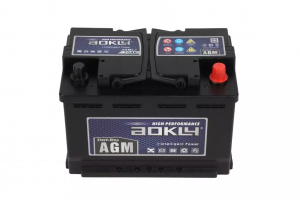
Battery Technology Designed for Frequent Cycling
Start-stop systems place unique demands on electrical storage that traditional batteries cannot satisfy reliably. These applications require batteries capable of delivering repeated high-current bursts for engine cranking while accepting rapid recharging during braking events. The construction of an AGM marine battery shares certain design principles with start-stop units, particularly regarding vibration resistance and deep-cycle capability. Advanced battery designs incorporate reinforced plate structures and optimized electrolyte absorption systems to withstand the physical stresses of frequent engine restarts. When we examine failure patterns in vehicles equipped with start-stop functionality, inappropriate battery selection consistently emerges as a preventable cause of premature replacement. Manufacturers now specify batteries meeting strict performance criteria to ensure compatibility with charging algorithms calibrated for urban driving cycles.
Engine Wear Considerations During Restart Events
Concerns about accelerated engine wear during cold starts have existed since automotive beginnings, but start-stop systems primarily operate when engines reach operating temperature. Warm restart conditions involve fully circulated oil maintaining protective films on bearing surfaces, reducing friction during cranking events. Engineers have also developed starter motors and ring gears specifically reinforced for start-stop duty cycles, ensuring mechanical components match battery longevity expectations. The robust construction found in an AGM marine battery demonstrates how careful design addresses repeated high-load scenarios, principles equally applicable to automotive start-stop applications. Testing under controlled conditions reveals that well-designed start-stop systems impose negligible additional wear compared to conventional operation, assuming proper maintenance and correct battery specifications.
Electrical System Integration and Battery Management
Modern vehicles employ sophisticated battery management systems that monitor state-of-charge, temperature, and usage patterns to optimize start-stop functionality. These systems temporarily disable automatic stopping when battery charge falls below thresholds ensuring reliable restarts or when electrical loads demand continuous alternator operation. The chemistry and construction of an AGM marine battery provide valuable lessons in how absorbed glass mat technology supports deep cycling without performance degradation. Communication between the engine control unit and battery sensor enables adaptive strategies that prioritize both fuel savings and component protection. Regenerative braking systems capture energy otherwise lost during deceleration, directing charge to the battery in controlled pulses that maintain optimal chemistry without overheating.
In conclusion, start-stop batteries contribute positively to engine longevity when properly matched to vehicle requirements. Our observations at Aokly confirm that correct battery selection and regular system maintenance enable drivers to enjoy fuel savings without compromising mechanical reliability. Understanding the engineering behind these systems transforms start-stop functionality from mysterious feature to appreciated technology.
