

Remote environmental monitoring presents unique power challenges that standard battery technologies struggle to address. Weather stations located on mountain peaks, in arctic conditions, or across desert expanses require energy storage capable of enduring extreme temperatures while demanding minimal human intervention. At Aokly, we have studied these requirements extensively and identified emerging solutions that balance performance with practicality. The development of specialized power sources, including the sodium motorcycle battery format adapted for stationary applications, offers interesting possibilities for unmanned meteorological networks operating in harsh conditions.
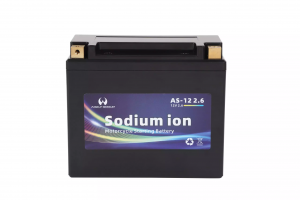
Extreme Temperature Performance Characteristics
Weather stations frequently endure temperature swings that defeat conventional energy storage. During winter nights, arctic locations plunge to forty degrees below freezing, while desert installations bake under direct summer sun exceeding fifty degrees Celsius. Standard lead-acid chemistry loses substantial capacity at low temperatures and suffers accelerated grid corrosion when hot. The sodium motorcycle battery chemistry demonstrates remarkable resilience across this entire range. Sodium-based cells maintain electrochemical activity at low temperatures better than many alternatives, ensuring continued operation when recording equipment must function during critical winter storm events. Unlike some lithium chemistries requiring internal heating before charging, the sodium motorcycle battery accepts charge current across a wider thermal envelope, simplifying charge controller design for remote installations where sophisticated thermal management proves impractical.
Long-Term Standby Reliability Factors
Unmanned stations may operate for months between maintenance visits, demanding batteries with minimal self-discharge and excellent float charge characteristics. The sodium motorcycle battery construction typically employs robust electrode materials that resist the gradual degradation affecting other chemistries during prolonged standby service. When configured for stationary applications rather than starting duties, these cells demonstrate stable capacity retention that reduces the frequency of replacement expeditions. For meteorological networks spanning vast wilderness areas, dispatching technicians to change batteries represents substantial operational expense and logistical complexity. Every month added to battery service life translates directly to budget savings and improved data continuity. The inherent durability of sodium motorcycle battery technology supports these extended maintenance intervals when properly matched to the application requirements.
Compatibility with Solar Charging Systems
Modern remote weather stations increasingly rely on photovoltaic panels for primary power, with batteries storing energy for nighttime operation and cloudy periods. The charging voltage characteristics of sodium motorcycle battery cells align favorably with typical solar charge controller outputs, reducing conversion losses and simplifying system design. Maximum power point tracking algorithms work effectively with the acceptance profiles of sodium chemistry, capturing available sunlight efficiently throughout variable insolation conditions. During extended overcast periods when solar input drops dramatically, the energy density of the sodium motorcycle battery pack determines how long instrumentation continues recording before entering low-voltage shutdown. Properly sizing the battery bank for worst-case weather patterns ensures data collection continues through seasonal variations without interruption.
Safety Considerations for Unattended Operation
Remote installations cannot rely on immediate human response if battery malfunctions occur. The sodium motorcycle battery chemistry offers inherent safety advantages for these applications, with stable electrode materials that resist thermal runaway even under abusive conditions. Sealed construction prevents electrolyte release during the pressure fluctuations experienced during altitude changes or barometric shifts. This containment proves essential when batteries operate inside enclosures housing sensitive electronics, as corrosion from vented gases would compromise circuit board reliability over time.
Environmental Impact and Disposal Logistics
Meteorological organizations increasingly consider the full lifecycle environmental footprint of their monitoring networks. Sodium-based battery chemistry utilizes more abundant raw materials than some alternatives, with established recycling pathways that recover valuable components at end of life. When batteries eventually require replacement after years of service, returning them through proper channels prevents environmental contamination while supporting circular economy principles.
Remote weather stations demand power solutions engineered for temperature extremes, extended standby operation, solar compatibility, inherent safety, and environmental responsibility. The sodium motorcycle battery adapted for stationary service addresses these requirements effectively, supporting uninterrupted data collection from the world’s most challenging monitoring locations. At Aokly, we continue exploring advanced power technologies that help meteorological professionals maintain observation networks delivering accurate information for weather prediction and climate research worldwide.
