

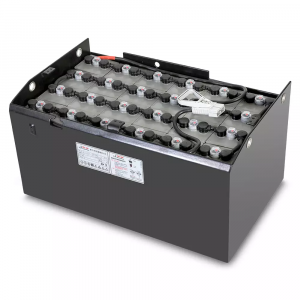
For any operation running electric forklifts, the productivity of the entire warehouse often hinges on one critical component: the battery. When these powerful units begin to fade or fail to hold a charge, it creates bottlenecks that slow down logistics and frustrate operators. We at Aokly understand that a traction battery represents a significant capital investment, and protecting that investment is a matter of daily discipline. The difference between a battery that lasts three years and one that lasts five years usually comes down to the habits of the people using and maintaining it. By implementing a few consistent practices, facilities can significantly delay the need for a costly replacement and keep their fleets running smoothly. Proper care of your lead acid traction battery is not complicated, but it does require attention to detail.
Establish a Strict Watering Routine
One of the most common causes of premature failure is neglect of the electrolyte levels. The chemical reaction that produces electricity also consumes water, especially during the charging cycle. If the plates inside the cells become exposed to air, they undergo a process called sulfation that permanently reduces capacity. To prevent this, watering must be performed at the correct time and in the correct manner. We always recommend watering after the unit has been fully charged, as charging causes the electrolyte to expand and could overflow if filled beforehand. Using deionized or distilled water is essential, as tap water introduces minerals that contaminate the cells. A consistent schedule, perhaps every five to seven charge cycles, will keep your lead acid traction battery in optimal condition and prevent the gradual decline that comes from dry-out damage.
Implement Proper Charging Protocols
How and when you recharge has a profound impact on the overall lifespan. In a busy warehouse, there is often pressure to grab a battery, use it until it is nearly dead, and then quickly throw it on a fast charge for the next shift. This practice, known as opportunity charging, generates significant heat and stress. Ideally, a unit should be used until it reaches around 20-30% capacity, then allowed to cool down before being plugged into a proper charger. Furthermore, we suggest performing an equalization charge periodically. This is a controlled overcharge that helps balance the cells and remove sulfate crystals that naturally form over time. Following these protocols ensures that the internal chemistry remains balanced, allowing your lead acid traction battery to deliver consistent power across many cycles.
Focus on Cooling and Cleaning Practices
Heat is the enemy of longevity. Every time a battery operates or charges, it generates heat. If this heat is not allowed to dissipate, it accelerates corrosion of the internal grids and dries out the electrolyte faster. We advise allowing a cooling period, often referred to as “resting time,” between the end of a discharge cycle and the start of charging. Additionally, the external environment matters. Battery compartments and racks should be kept clean and dry. Accumulated dust and acid residue can create a path for electrical current to leak between cells, a phenomenon known as parasitic drain. Simply wiping down the case and terminals with a neutralizing solution of baking soda and water can prevent this energy loss.
In conclusion, extending the service life of your forklift power source is achievable through routine attention to watering, charging, and cleaning. These small daily actions compound over time, resulting in significant savings and fewer operational disruptions. We remain committed to providing durable power solutions that respond well to proper care and maintenance.
