

Anyone who spends time on the water knows that saltwater and electrical components share a complicated relationship. From our experience at Aokly, we have seen how the marine environment accelerates wear on equipment that would otherwise last for years. The terminals of auxiliary power units, particularly those constructed with absorbent glass mat technology, face constant exposure to moisture and airborne salt particles. This combination gradually leads to buildup that interrupts current flow and eventually renders connections useless. Understanding how to protect these critical points saves both time and money for boat owners who depend on reliable power for navigation, communication, and comfort systems.
Why Saltwater Creates Such Aggressive Corrosion
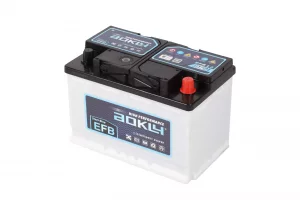
The chemistry behind terminal degradation involves more than simple rust. When salt deposits settle on metal surfaces, they create an electrolyte layer that facilitates galvanic reactions between dissimilar metals. The terminal lugs, typically lead or copper, interact with cable clamps made from other alloys, setting up a small battery that consumes the materials. This process accelerates dramatically in warm, humid conditions common aboard vessels. Unlike a typical EFB start-stop battery found in passenger cars, marine units endure constant vibration and temperature swings that disturb protective coatings. Once the corrosion begins, it creeps under insulation and into cable strands, increasing resistance and generating heat that worsens the problem. Regular inspection catches these issues before they require complete rewiring.
Practical Steps for Terminal Maintenance
Prevention relies on creating barriers between the metal and the environment. Start by ensuring all connections remain clean and tight before each voyage. A wire brush designed for terminal work removes existing oxidation without damaging the post clamps. After achieving bright metal surfaces, applying a corrosion inhibitor specifically formulated for electrical connections adds a protective layer. Many experienced boaters favor dielectric greases or spray-on sealants that exclude moisture while allowing current to pass through tightened joints. For those transitioning from automotive applications, the maintenance routine differs from what an EFB start-stop battery requires, as marine environments demand more frequent attention. Terminal protectors made from felt or specialized materials can be soaked in corrosion-inhibiting compounds and placed under the cable clamps for continuous protection.
Selecting Appropriate Hardware for Wet Environments
The choice of terminal hardware influences how long connections remain corrosion-free. Marine-grade cable lugs feature tinned copper construction that resists salt attack far better than bare copper or aluminum alternatives. Heat-shrink tubing with adhesive lining creates waterproof seals where the cable attaches to the lug, preventing wicking of moisture into the strands. When replacing terminals, stainless steel nuts and bolts offer better longevity than plated steel, though care must be taken to avoid overtightening and cracking the lead posts. Interestingly, some of the sealing techniques used for marine terminals parallel those employed on EFB start-stop battery systems in vehicles, where vibration and underhood moisture pose similar challenges. Investing in quality components at the outset reduces the frequency of mid-season maintenance and ensures navigation electronics stay operational when needed most.
In summary, protecting battery terminals from saltwater damage requires understanding the underlying chemical processes and applying consistent preventive measures. Regular cleaning, proper sealing compounds, and marine-grade hardware form the foundation of a reliable electrical system aboard any vessel. At Aokly, we encourage boat owners to inspect their connections as part of every pre-departure checklist, treating terminal maintenance as essential as checking fuel and safety equipment. This diligence pays dividends in reliability when conditions offshore turn challenging.
