

For industries relying on heavy material handling equipment, the energy source driving those machines is a critical factor in productivity. Whether in warehouses, ports, or manufacturing facilities, the demand for efficient and durable power cells has grown exponentially worldwide. As operations expand across continents, the need for a reliable partner who can supply consistent, high-performance units becomes paramount. This perspective explores how manufacturers meet these international demands through quality and innovation.
Meeting International Quality and Safety Standards
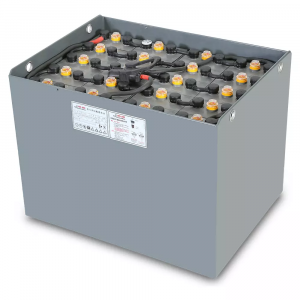
Operating in global markets requires adherence to a diverse set of regulations and certifications. Different regions enforce specific safety protocols and environmental guidelines that energy products must satisfy before deployment. A manufacturer with a worldwide footprint must design cells that comply with these varying requirements without compromising performance. This involves rigorous testing procedures and continuous monitoring of production lines to ensure every unit leaving the facility meets the highest benchmarks. For instance, a lithium traction battery destined for European warehouses must align with CE directives, while units for North American markets need UL recognition. Successfully navigating this regulatory landscape demonstrates a commitment to safety and reliability, giving international clients confidence in the product’s ability to perform under local conditions.
Logistics and Supply Chain Considerations
Delivering heavy energy solutions across oceans and borders presents unique logistical challenges. Proper packaging, safe transportation protocols for hazardous materials, and efficient customs clearance are essential components of global distribution. Delays in any part of this chain can halt operations for end users, leading to significant financial losses. Therefore, established manufacturers invest heavily in robust logistics networks and regional distribution hubs. By positioning inventory closer to key markets, they reduce lead times and respond more swiftly to urgent replacement needs. When a customer orders a lithium traction battery from a reputable supplier, the process behind that delivery involves coordinated efforts in warehousing, freight management, and last-mile logistics. This infrastructure ensures that equipment in distant locations remains operational with minimal downtime.
Adapting to Regional Application Demands
Energy requirements are not uniform across the globe; they vary with climate, application intensity, and local infrastructure. A unit powering port equipment in a tropical coastal environment faces different stresses than one operating in a cold storage facility. Leading manufacturers recognize this diversity and tailor their solutions accordingly. Aokly conducts field research and gathers data from various deployments to refine cell chemistry and thermal management features. This adaptability ensures optimal performance regardless of geographic location. Furthermore, providing technical support across time zones is a crucial aspect of global service. Offering guidance on the proper integration of a lithium traction battery into local equipment maximizes its lifespan and efficiency, reinforcing the value of choosing an internationally experienced partner.
The ability to supply reliable energy storage on a global scale involves much more than manufacturing cells in a single location. It requires a deep understanding of international regulations, a sophisticated logistics network, and the flexibility to meet diverse regional needs. By focusing on these elements, companies ensure that industries worldwide have access to the power they need to keep moving forward.
