

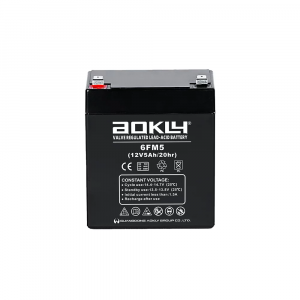
Few topics in the power storage world generate as much confusion as the humble 12v lead acid battery. At Aokly, we frequently encounter customers who have inherited incorrect information from well-meaning friends or outdated sources. These misunderstandings lead to premature failures and unnecessary expenses. The 12v lead acid battery remains a reliable workhorse for countless applications, from vehicles to backup systems. However, treating it like modern lithium technology or ignoring its specific needs creates problems. Let us clear up some persistent myths that continue circulating about these essential power sources.
Myth One: Deep Discharges Cause No Harm
Some users believe running a 12v lead acid battery down to empty occasionally causes no lasting damage. Reality tells a different story. These batteries suffer significant stress when voltage drops too low. Each deep discharge cycle removes active material from the plates, reducing overall capacity permanently. A healthy 12v lead acid battery prefers shallow cycles followed by immediate recharging. Automotive starting batteries face particular risk here because they lack the thick plates designed for deep cycling. When someone accidentally leaves headlights on overnight, that single deep discharge can cut the battery’s service life by months. Proper care means recharging promptly after any significant drain and avoiding loads that pull voltage below 12.4 volts whenever possible.
Myth Two: Voltage Testing Alone Reveals Health
Many people grab a multimeter, check voltage, and declare a verdict on their 12v lead acid battery. This approach misses critical information. Surface charge masks true condition right after charging or driving. A battery showing 12.6 volts might seem healthy but could fail immediately under load. Here at Aokly, we see this confusion regularly. The accurate method involves load testing after removing surface charge. A rested 12v lead acid battery should maintain voltage above 9.6 volts during a load test equal to half its cold cranking amps for fifteen seconds. Voltage alone also cannot detect sulfation buildup on plates or internal physical damage. Regular load testing reveals developing problems months before failure occurs.
Myth Three: All Chargers Work the Same
Grabbing any available charger creates another common mistake with the 12v lead acid battery. Modern vehicles and equipment often demand specific charging profiles. Using a simple automotive charger on a deep-cycle battery in a golf cart or solar setup leads to undercharging or overcharging. A quality 12v lead acid battery requires appropriate voltage regulation based on its type—flooded, AGM, or gel. Each chemistry accepts charge differently. Applying incorrect voltage causes gassing, water loss, or plate damage. Temperature also affects charging needs significantly. Cold batteries accept charge poorly while hot batteries risk thermal damage from excessive current. Smart chargers with temperature compensation and proper profile selection protect battery investments.
Understanding actual care requirements extends the useful life of any 12v lead acid battery dramatically. At Aokly, we encourage moving beyond folklore toward genuine maintenance practices. Avoiding deep discharges, performing proper load tests, and selecting correct chargers make tangible differences. These straightforward steps cost nothing extra but return months or years of additional service. Next time someone shares battery advice, compare it against manufacturer specifications before acting. Your equipment and wallet will thank you for separating fact from fiction.
