

The automotive sector continues to witness a significant transformation in how vehicles store and utilize electrical energy. As we move through 2026, the shift toward electrification accelerates, driven by evolving consumer preferences and regulatory frameworks. This evolution extends beyond fully electric vehicles to include hybrid models and advanced start-stop systems, all requiring robust energy storage solutions. Understanding these market dynamics helps stakeholders make informed decisions about their power investments.
Factors Driving Adoption Rates
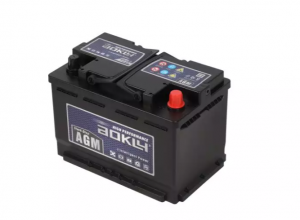
Several interconnected forces are propelling the increased integration of advanced energy storage in modern vehicles. Environmental regulations worldwide are tightening emission standards, pushing manufacturers to seek cleaner alternatives to traditional internal combustion systems. Simultaneously, consumers are becoming more conscious of their carbon footprint and operating costs, favoring vehicles that offer better fuel efficiency. These factors create a fertile ground for technologies that can deliver high power density and rapid recharging capabilities. Interestingly, this growth also impacts the market for traditional options like the AGM battery, which continues to serve specific applications where proven reliability and cost-effectiveness remain priorities. The coexistence of different chemistries reflects the diverse requirements of the global automotive fleet.
Performance Characteristics and User Benefits
The chemistry powering modern electric vehicles offers distinct advantages that resonate with drivers. Higher energy density means manufacturers can store more power in the same physical space, extending driving range without compromising interior room or cargo capacity. Fast charging capabilities reduce downtime during long journeys, addressing one of the primary concerns potential buyers express about electric vehicles. Additionally, the weight savings compared to older technologies contribute to improved vehicle handling and efficiency. While cutting-edge chemistries dominate headlines, the AGM battery maintains its position in conventional roles, such as powering auxiliary systems and serving as a reliable starting source in traditional vehicles. This segmentation allows each technology to excel in its designated applications.
Economic and Infrastructure Developments
The expanding market for automotive energy storage brings broader economic implications. Manufacturing capacity continues to scale globally, driving down production costs through economies of scale and process improvements. This cost reduction gradually translates to more accessible vehicle prices for end consumers. Charging infrastructure deployment accelerates alongside vehicle sales, addressing range anxiety concerns and making electric ownership more practical for a wider audience. Recycling programs and second-life applications for retired units are also developing, addressing sustainability questions about end-of-life management. Meanwhile, the AGM battery market adapts by finding niches in entry-level vehicles and specific commercial applications where upfront cost sensitivity remains high. This diversified landscape ensures that various consumer segments find appropriate solutions for their mobility needs.
The automotive energy storage market in 2026 reflects a dynamic environment where multiple technologies coexist and evolve. The growth of advanced chemistries reshapes vehicle design and consumer expectations, while established options continue serving practical needs. At Aokly, we monitor these trends closely to align our offerings with market demands, ensuring our partners receive solutions suited to their specific requirements. This balanced approach helps navigate the evolving automotive landscape effectively.
