

When we look at the landscape of backup power, it becomes clear that technology is not standing still. The systems that protect data centers, hospitals, and industrial facilities from outages are evolving rapidly. At Aokly, we monitor these shifts closely because they directly impact how our clients plan for the future. The conversation is no longer solely about voltage and capacity; it is now about intelligence, longevity, and sustainability. As facilities demand more from their backup systems, the components that provide the actual power storage must adapt. This evolution means that the market for uninterruptible power supply replacement batteries is set to look very different in the coming decade compared to what we see today.
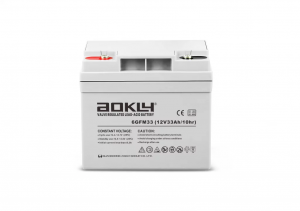
The Shift Toward Lithium-Based Chemistries
One of the most significant trends we observe is the gradual migration from traditional valve-regulated designs to lithium-ion alternatives in many sectors. This shift is driven by the need for higher energy density in smaller footprints, a critical factor for urban data centers where space is at a premium. Lithium chemistries also typically offer a longer cycle life, meaning fewer replacements over the lifetime of the system. However, this does not signal the immediate end for proven technologies. For many industrial applications requiring high surge currents or operating in extreme temperatures, there remains a strong case for robust solutions. As technology advances, we are seeing a diversification of options, ensuring that when clients search for uninterruptible power supply replacement batteries, they encounter a range of choices suited to specific operational demands.
Integration of Smart Monitoring Systems
The future of backup power is undeniably connected. We are moving away from the concept of a battery as a passive, “fit and forget” component. Modern systems increasingly incorporate built-in sensors and communication capabilities that allow for real-time health monitoring. This technology provides facility managers with data on internal resistance, temperature, and state of charge, enabling predictive maintenance rather than reactive repairs. By identifying a weakening cell before it fails, organizations can avoid unexpected downtime and replace units on a scheduled basis. This intelligence extends the useful life of the entire system and optimizes the timing for procuring uninterruptible power supply replacement batteries, shifting the focus from emergency purchases to planned capital expenditures.
Emphasis on Sustainability and Recycling
Environmental considerations are becoming a primary driver in product development and procurement policies. Regulations regarding the disposal of heavy metals are tightening globally, pushing manufacturers to design for easier recyclability. We are seeing increased investment in closed-loop systems where materials from spent units are recovered and reused in new production. This not only reduces the environmental footprint but also helps stabilize the supply chain against raw material price volatility. For the end-user, this means that future purchasing decisions will involve evaluating the entire lifecycle of the product, not just its upfront cost. The industry is responding by creating more sustainable options for those needing uninterruptible power supply replacement batteries.
To summarize, the future landscape for backup power is characterized by technological diversity, enhanced connectivity, and a stronger commitment to environmental stewardship. These changes promise to deliver more reliable and efficient power protection for critical infrastructure. We at Aokly are dedicated to staying at the forefront of these developments, ensuring our clients have access to the most suitable technology for their evolving needs.
