

Modern portable power relies heavily on electrochemical innovation. At Aokly, we study how energy storage evolves to meet growing demands from devices and vehicles. The lithium battery family represents a significant leap forward compared to older technologies. Understanding what happens inside these cells reveals why they perform so well. The basic principle involves movement of charged particles between electrodes during charge and discharge. This process seems simple, but material science makes the real difference. Engineers spend years selecting compounds that pack maximum energy into minimal space. The resulting lithium battery powers everything from phones to electric cars with remarkable efficiency.
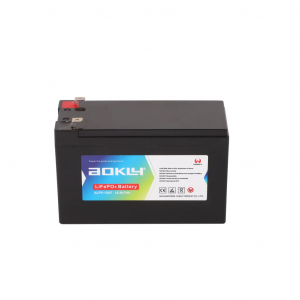
How Ions Move Through Electrolytes
Inside every cell, electrolyte material enables ion transport between positive and negative sides. During discharge, lithium ions leave the anode and travel toward the cathode through this medium. This flow generates electrical current that external circuits capture for work. A quality lithium battery maintains consistent ion movement across thousands of cycles. Electrolyte composition affects everything from charging speed to safety characteristics. Liquid electrolytes conduct well but require careful containment. Recent developments explore solid-state alternatives that could increase energy density further. At Aokly, we track these advances closely because they shape future product possibilities. Faster ion movement directly translates to higher power output when needed.
Cathode Materials Determine Capacity Limits
The positive electrode in any lithium battery largely controls how much energy the cell stores. Different metal combinations produce varying voltage plateaus and capacity figures. Lithium cobalt oxide offers high energy density but comes with cost and stability trade-offs. Lithium iron phosphate provides excellent safety and long life while accepting slightly lower voltage. Manufacturers choose cathode chemistry based on target applications. Power tools need different characteristics than grid storage systems. Crystal structure at the atomic level determines how many lithium ions the material can hold. Researchers continue searching for novel compounds that push these limits higher while maintaining cycle stability. Each improvement extends runtime for portable devices.
Internal Resistance Affects Performance
No battery delivers perfect efficiency during charge or discharge. Internal resistance converts some energy to heat rather than useful work. A well-designed lithium battery minimizes this loss through careful electrode engineering. Thin separators, conductive additives, and optimized particle sizes all reduce resistance. Cold temperatures increase internal resistance significantly, which explains reduced winter performance. High discharge rates also generate more heat from resistance effects. Battery management systems monitor these parameters to keep operation within safe boundaries. Low internal resistance means more of the stored energy reaches your device rather than warming the battery case. This efficiency matters most during high-demand situations like acceleration or heavy tool use.
Electrochemical principles govern how every lithium battery stores and releases energy. At Aokly, we appreciate the complex science behind simple portable power. Electrolyte composition, cathode selection, and internal resistance all play vital roles in final performance. Each component must work harmoniously for reliable operation across hundreds of cycles. As material science advances, energy density will continue climbing while costs potentially decrease. Understanding these fundamentals helps users select appropriate batteries for specific tasks and treat them properly during service life.
