

As we look toward 2026, the automotive battery landscape continues shifting beneath our feet. At Aokly, we monitor these changes closely to understand where the industry heads next. AGM technology has gained tremendous ground over traditional flooded batteries, particularly in vehicles with advanced electrical demands. Stop-start systems, regenerative braking, and increasing electronic content all push manufacturers toward more robust power sources. The EFB car battery occupies an interesting middle ground in this evolution, offering enhanced cycling capability without the full cost of AGM construction. Market projections suggest continued growth for both technologies as vehicle electrification expands beyond pure hybrids into everyday internal combustion models.
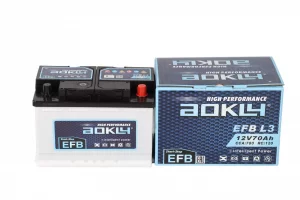
Vehicle Technology Demands Better Power Delivery
Modern cars consume electricity at rates that would have seemed impossible twenty years ago. Infotainment screens, driver assistance sensors, and always-connected telematics units draw power even when engines sit idle. AGM construction handles these parasitic loads better than conventional designs. The glass mat separators hold electrolyte against plates regardless of orientation, preventing stratification during partial state-of-charge operation. Some manufacturers specify AGM exclusively for models with high electrical content. However, the EFB car battery provides a cost-effective alternative for vehicles with moderate stop-start requirements. Enhanced flooded construction adds carbon additives to negative plates, improving charge acceptance during brief regeneration events. This gives fleet operators and cost-conscious buyers reliable options across price points.
Regional Preferences Shape Adoption Rates
Different global markets embrace AGM technology at varying speeds. European manufacturers led the transition years ago, fitting AGM as original equipment across many popular models. Asian and North American producers follow similar paths but at measured paces based on regional driving patterns and regulatory requirements. The EFB car battery finds particular favor in warmer climates where traditional flooded batteries struggle with under-hood temperatures. Aftermarket channels prepare for increased AGM replacement volume as early adoption vehicles reach end-of-service life. Installation training becomes essential because charging parameters differ between battery types. Installing AGM in vehicles designed for standard flooded batteries causes premature failure. Conversely, fitting an EFB car battery where AGM is specified may provide insufficient reserve capacity for electrical loads.
Replacement Cycles Create Ongoing Opportunities
Original equipment batteries typically last three to five years under normal conditions. Vehicles manufactured during the recent AGM adoption wave now enter replacement windows. This creates sustained demand that extends beyond new vehicle production numbers. The EFB car battery captures significant market share in applications where original specifications allowed either technology. Distributors stock both options to satisfy installer preferences and customer budgets. At Aokly, we ensure our product lines match these diverse requirements through rigorous testing across climate conditions. Battery retailers increasingly carry diagnostic equipment that identifies which technology a vehicle originally received. This prevents incorrect installations that lead to warranty claims and customer dissatisfaction. Education remains critical as drivers often request the least expensive option without understanding electrical demands of their specific vehicle.
Global demand for AGM batteries continues climbing through 2026 as vehicle complexity increases across all segments. The EFB car battery maintains relevance as an intermediate solution for applications where full AGM performance exceeds actual requirements. At Aokly, we recognize that proper battery selection depends on understanding both vehicle specifications and usage patterns. Matching technology to application ensures reliable starting, adequate reserve capacity, and optimal service life. As automotive electrical systems evolve further, battery technology will follow closely behind, ensuring vehicles start reliably regardless of how many electronics demand power simultaneously.
