

Shopping for a new automotive power source has become more complex in recent years. The market once offered few choices beyond the standard flooded design, but technological advances have introduced alternatives that promise longer life and lighter weight. Lithium chemistry leads this evolution, offering compelling advantages for vehicle owners who want maximum performance. However, making the switch requires understanding several important considerations. At Aokly, we believe informed decisions lead to greater satisfaction, so we have outlined five critical factors to evaluate before purchasing a lithium starting unit for your vehicle.
Compatibility with Your Vehicle’s Charging System
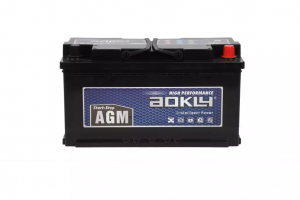
The first and most crucial consideration involves whether your vehicle can properly charge a lithium battery. Standard alternators are designed for the voltage requirements of lead-acid chemistry. Lithium units typically require a higher absorption voltage and have different acceptance characteristics. Some modern vehicles with smart alternators or regenerative braking systems may work perfectly, while others might need additional components like a battery management system (BMS) that communicates with the vehicle. Before investing, consult your owner’s manual or a qualified technician to verify compatibility. If your current setup cannot provide the correct charging profile, you may face reduced performance or premature failure. This is one area where traditional options like an AGM deep cycle battery remain popular, as they match the charging requirements of most standard vehicles without modification.
Built-in Battery Management System Features
A lithium automotive battery is more than just cells in a case. The integrated battery management system serves as the brain, protecting the cells from conditions that could cause damage. Look for a BMS that includes protection against overcharging, excessive discharge, short circuits, and extreme temperatures. Some systems also offer cell balancing, which ensures all internal cells maintain equal voltage for maximum longevity. The quality of this management system directly affects safety and service life. Pay attention to whether the unit includes low-temperature protection that prevents charging below freezing, as this can cause permanent damage to lithium cells. A well-designed BMS makes the difference between a reliable power source and a problematic investment. When comparing this technology against an AGM deep cycle battery, the complexity of the management system represents a significant difference in overall design philosophy.
Weight and Space Considerations
One of the most frequently cited advantages of lithium chemistry is its weight savings. A lithium starting unit can weigh up to seventy percent less than its lead-acid counterpart. This reduction benefits performance vehicles where every pound matters, but it also helps drivers with physical limitations who struggle to lift heavy batteries during installation. However, the smaller physical size of some lithium units can create installation challenges. Battery hold-downs and terminal adapters may be necessary to secure the unit properly and prevent movement during driving. Vibration damage remains a leading cause of failure, so a secure fit is essential regardless of weight. Measure your battery tray dimensions carefully and verify that the replacement unit will fit securely with available adapters if needed.
Cold Weather Performance Characteristics
Lithium chemistry behaves differently than lead-acid when temperatures drop. While lithium delivers excellent cranking power in moderate conditions, extreme cold reduces its ability to accept a charge. Some units incorporate self-heating features that warm the cells before charging begins, which adds cost but improves winter reliability. Consider your local climate and whether you park in a garage or outdoors. If you live in an area with severe winters, evaluate whether the lithium unit you are considering includes cold-weather protection. For many drivers facing harsh winter conditions, an AGM deep cycle battery offers proven cold-weather performance without the charging restrictions that lithium faces at low temperatures.
Total Cost of Ownership Over Time
The upfront price of a lithium automotive battery often causes sticker shock compared to conventional options. However, the calculation should extend beyond the initial purchase. Lithium units typically last three to four times longer than standard lead-acid designs, potentially making them more economical over a decade of ownership. They also maintain more consistent voltage during discharge, which can benefit sensitive electronics and audio systems. Factor in the weight savings for fuel economy or performance applications. When calculating true cost, consider the expected service life, warranty coverage, and whether you will still own the vehicle long enough to realize the long-term savings.
Making the Right Choice for Your Driving Needs
Selecting a new automotive power source requires balancing multiple factors including compatibility, safety features, physical fit, climate considerations, and long-term value. Lithium technology offers exciting possibilities, but it demands careful evaluation of your specific vehicle and driving patterns. Whether you choose advanced lithium chemistry or prefer the proven reliability of other designs, understanding these five factors ensures your decision aligns with your needs. At Aokly, we provide options across the technology spectrum, helping drivers find the perfect match for their vehicles and budgets.
