

Riders often discover that their motorcycle’s performance depends heavily on a component they rarely see. The small box under the seat or side cover houses the electrical heart of the entire machine. At Aokly, we encounter many enthusiasts who underestimate how much the correct motorcycle battery affects starting reliability and accessory operation. Choosing poorly leads to frustration on cold mornings or during long trips. This guide walks through essential considerations without overwhelming technical jargon. Whether you ride daily or store your bike through winter, understanding these factors ensures your next motorcycle battery delivers dependable service from day one.
Physical Dimensions and Terminal Placement
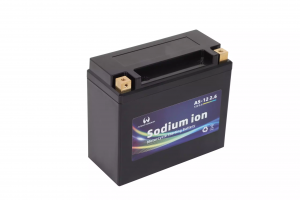
Motorcycles come in countless shapes and sizes, and battery compartments vary just as widely. A motorcycle battery must fit physically before any electrical characteristics matter. Manufacturers specify group sizes that standardize external dimensions, but terminal locations also require attention. Some batteries place positive on the left while others position it on the right. Cables may not reach if terminals sit on the wrong side. At Aokly, we recommend measuring your existing unit carefully or consulting your service manual before purchasing. Height matters particularly in bikes with limited clearance above terminals. Aftermarket custom bikes sometimes use non-standard mounting locations, requiring extra attention to physical fit. Never force a battery into place, as case damage leads to internal shorts or acid leaks later.
Cold Cranking Amps and Capacity Ratings
Engine starting demands substantial power for brief periods, especially in cooler weather. Cold cranking amps indicate how much current a motorcycle battery delivers at freezing temperatures. Larger engines and high-compression motors require higher CCA ratings for reliable starts. Capacity, measured in amp-hours, determines how long the battery powers accessories without the engine running. Riders with heated grips, GPS units, or auxiliary lights benefit from higher capacity models. However, physical size limits how much capacity fits in available space. Modern AGM and lithium constructions pack more power into identical cases compared to conventional flooded designs. Check your owner’s manual for minimum specifications and consider your riding patterns when deciding whether to exceed those minimums. Shorter commutes demand better reserve capacity because the charging system may not fully recharge between starts.
Maintenance Requirements and Chemistry Options
Different battery chemistries demand different levels of ongoing attention. Conventional flooded motorcycle battery designs require periodic electrolyte level checks and distilled water additions. AGM batteries eliminate this maintenance entirely while providing excellent vibration resistance for rough roads. Lithium chemistry offers dramatic weight savings and high cranking power but requires compatible charging systems. At Aokly, we observe that riders often overlook the charger compatibility question when switching chemistries. Using a standard charger on a lithium battery causes permanent damage. Consider your storage habits too. Motorcycles sitting for weeks between rides benefit from AGM or lithium because they self-discharge slower than flooded types. Winter storage requires either a maintainer or removal to prevent freeze damage, regardless of chemistry chosen.
Selecting the appropriate motorcycle battery involves matching physical size, electrical output, and maintenance preferences to your specific bike and riding style. At Aokly, we encourage riders to view this component as an investment in reliability rather than a commodity purchase. Proper fit prevents installation struggles. Adequate cranking power ensures starts in all conditions. Suitable chemistry matches your willingness to perform maintenance. When these factors align, your bike starts promptly and powers accessories reliably mile after mile. Take time to evaluate these considerations before your next purchase, and enjoy the confidence that comes from knowing your electrical system stands ready whenever you are.
